
Government's Welfare Bill Passes Amid Concessions and Budget Concerns
In This Article
HIGHLIGHTS
- The UK government narrowly passed its welfare bill by a majority of 75 votes after making significant concessions to Labour MPs.
- Key elements of the bill, including changes to personal independence payments (Pip), were removed, delaying potential savings of £5bn.
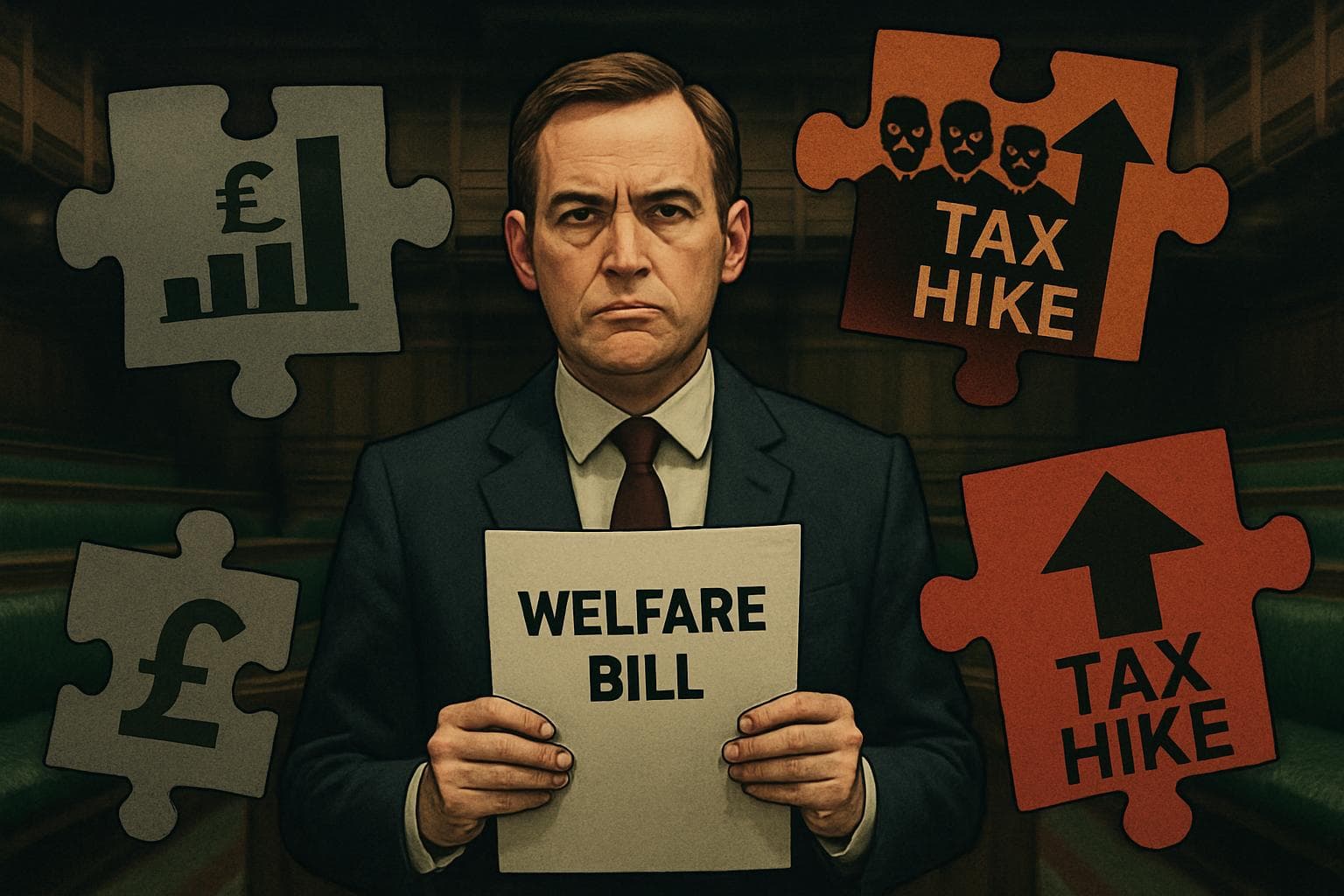
- The Institute for Fiscal Studies warns that the lack of savings could lead to tax increases, impacting the upcoming budget.
- Labour MPs expressed frustration over the last-minute changes, highlighting concerns about the government's handling of the bill.
- The bill's passage has raised questions about the government's ability to address structural challenges in UK public finances.
The UK government has successfully passed its welfare bill in the House of Commons, securing a majority of 75 votes. This victory came after the government made significant last-minute concessions to appease Labour MPs who were poised to rebel against the proposed changes. The bill, which initially aimed to introduce stricter eligibility rules for personal independence payments (Pip) and reduce universal credit, was stripped of these key measures to ensure its passage.
Concessions and Political Fallout
The concessions included shelving plans for deep cuts to Pip, a move that was crucial in winning over Labour MPs. Work and Pensions Secretary Liz Kendall, who faced calls to resign, defended the bill, stating that it still contained important reforms to assist individuals in returning to work. However, the removal of these elements has delayed potential savings of £5bn, putting pressure on Chancellor Rachel Reeves' budget plans.
Financial Implications and Expert Opinions
The Institute for Fiscal Studies (IFS) has highlighted the financial implications of the government's climbdown. Helen Miller, the incoming director of the IFS, noted that the lack of savings from the Pip changes makes tax increases more likely in the upcoming budget. The government's inability to implement these reforms raises concerns about its capacity to tackle deeper structural challenges in UK public finances.
Reactions from Labour and Beyond
Labour MPs expressed frustration over the government's handling of the bill, with some describing the process as incoherent and shambolic. Despite the concessions, the bill's passage has intensified scrutiny of the government's credibility and its approach to welfare reform. Scotland's Social Justice Secretary, Shirley-Anne Somerville, criticized the UK government's plans, warning of a "deeply unfair" two-tier system and reaffirming Scotland's commitment to supporting disabled individuals.
WHAT THIS MIGHT MEAN
The government's decision to make concessions on the welfare bill may have short-term political benefits, but it poses significant challenges for future fiscal policy. With the potential savings from the bill now delayed, the government faces increased pressure to find alternative ways to balance the budget. This could lead to tax hikes, as suggested by the Institute for Fiscal Studies, impacting both individuals and businesses.
Politically, the government's handling of the welfare bill has exposed vulnerabilities in its authority, particularly concerning its ability to implement controversial reforms. The concessions may have averted a rebellion for now, but they have also raised questions about the government's long-term strategy for addressing structural issues in public finances. As the bill returns to the House of Commons for further scrutiny, the government will need to navigate these challenges carefully to maintain its political standing and fiscal credibility.
Related Articles

Middle East Conflict Drives UK Energy Prices to New Highs

UK Government's SEND Reforms: A Critical Turning Point for Special Education

Saharan Dust to Illuminate UK Skies with Vivid Sunrises and Sunsets

Diplomatic Tensions Rise as Trump Criticizes Starmer's Iran Policy

Government Announces £4 Billion Overhaul of SEND Support in England

UK Government Announces Major Overhaul of SEND System with £3.4 Billion Investment
Government's Welfare Bill Passes Amid Concessions and Budget Concerns
In This Article
 Daniel Rivera| Published
 HIGHLIGHTS
- The UK government narrowly passed its welfare bill by a majority of 75 votes after making significant concessions to Labour MPs.
- Key elements of the bill, including changes to personal independence payments (Pip), were removed, delaying potential savings of £5bn.
- The Institute for Fiscal Studies warns that the lack of savings could lead to tax increases, impacting the upcoming budget.
- Labour MPs expressed frustration over the last-minute changes, highlighting concerns about the government's handling of the bill.
- The bill's passage has raised questions about the government's ability to address structural challenges in UK public finances.
The UK government has successfully passed its welfare bill in the House of Commons, securing a majority of 75 votes. This victory came after the government made significant last-minute concessions to appease Labour MPs who were poised to rebel against the proposed changes. The bill, which initially aimed to introduce stricter eligibility rules for personal independence payments (Pip) and reduce universal credit, was stripped of these key measures to ensure its passage.
Concessions and Political Fallout
The concessions included shelving plans for deep cuts to Pip, a move that was crucial in winning over Labour MPs. Work and Pensions Secretary Liz Kendall, who faced calls to resign, defended the bill, stating that it still contained important reforms to assist individuals in returning to work. However, the removal of these elements has delayed potential savings of £5bn, putting pressure on Chancellor Rachel Reeves' budget plans.
Financial Implications and Expert Opinions
The Institute for Fiscal Studies (IFS) has highlighted the financial implications of the government's climbdown. Helen Miller, the incoming director of the IFS, noted that the lack of savings from the Pip changes makes tax increases more likely in the upcoming budget. The government's inability to implement these reforms raises concerns about its capacity to tackle deeper structural challenges in UK public finances.
Reactions from Labour and Beyond
Labour MPs expressed frustration over the government's handling of the bill, with some describing the process as incoherent and shambolic. Despite the concessions, the bill's passage has intensified scrutiny of the government's credibility and its approach to welfare reform. Scotland's Social Justice Secretary, Shirley-Anne Somerville, criticized the UK government's plans, warning of a "deeply unfair" two-tier system and reaffirming Scotland's commitment to supporting disabled individuals.
WHAT THIS MIGHT MEAN
The government's decision to make concessions on the welfare bill may have short-term political benefits, but it poses significant challenges for future fiscal policy. With the potential savings from the bill now delayed, the government faces increased pressure to find alternative ways to balance the budget. This could lead to tax hikes, as suggested by the Institute for Fiscal Studies, impacting both individuals and businesses.
Politically, the government's handling of the welfare bill has exposed vulnerabilities in its authority, particularly concerning its ability to implement controversial reforms. The concessions may have averted a rebellion for now, but they have also raised questions about the government's long-term strategy for addressing structural issues in public finances. As the bill returns to the House of Commons for further scrutiny, the government will need to navigate these challenges carefully to maintain its political standing and fiscal credibility.
Related Articles
Middle East Conflict Drives UK Energy Prices to New Highs
UK Government's SEND Reforms: A Critical Turning Point for Special Education
Saharan Dust to Illuminate UK Skies with Vivid Sunrises and Sunsets
Diplomatic Tensions Rise as Trump Criticizes Starmer's Iran Policy
Government Announces £4 Billion Overhaul of SEND Support in England
UK Government Announces Major Overhaul of SEND System with £3.4 Billion Investment