
UK Welfare Reform Bill Passes Amid Labour Rebellion

In This Article
HIGHLIGHTS
- The UK Parliament voted on a controversial welfare reform bill, passing it with a majority of 75 votes.
- 49 Labour MPs defied their party to vote against the bill, highlighting internal divisions.
- The bill now moves to the committee stage for further debate and amendments.
- Liz Kendall, a key figure in the welfare reform debate, appeared less confident in her support for the bill.
- The welfare bill has sparked significant debate over its potential impact on personal independence payments and poverty levels.
The UK Parliament has passed a contentious welfare reform bill, despite significant opposition from within the Labour Party. The bill, which proposes changes to the criteria for certain benefits, was approved by 335 votes to 260, securing a government majority of 75. This development marks a critical juncture in the ongoing debate over the future of the UK welfare system.
Labour MPs Defy Party Line
In a notable display of dissent, 49 Labour MPs voted against their own government, underscoring deep divisions within the party. The rebellion reflects growing unease over the bill's implications, particularly concerning personal independence payments. Despite these defections, the bill's passage ensures it will proceed to the committee stage, where MPs will have the opportunity to propose amendments before a final vote.
Liz Kendall's Waning Confidence
Liz Kendall, a prominent advocate for the welfare reforms, appeared less assured during recent debates. Initially a staunch supporter, Kendall's demeanor has shifted, suggesting a struggle to reconcile the bill's objectives with its potential consequences. Her earlier enthusiasm has given way to a more subdued approach, as she grapples with the reality of the proposed changes and their impact on vulnerable populations.
Broader Implications and Political Context
The welfare reform bill has ignited a broader conversation about the moral and economic dimensions of welfare policy in the UK. Critics argue that the changes could exacerbate poverty, affecting up to 150,000 individuals. Meanwhile, the Conservative Party has largely remained on the sidelines, with many MPs showing limited engagement in the debate.
WHAT THIS MIGHT MEAN
As the welfare reform bill advances to the committee stage, its future remains uncertain. The potential for amendments could alter its trajectory, either softening its impact or reinforcing its original intent. Politically, the Labour Party faces a critical moment, as internal divisions over the bill could influence its cohesion and public perception. Experts suggest that the outcome of this legislative process will have lasting implications for the UK's welfare system and the political landscape, potentially shaping future policy debates and electoral strategies.
Related Articles

Anas Sarwar Denies Plot Against Starmer Amid Labour Party Turmoil
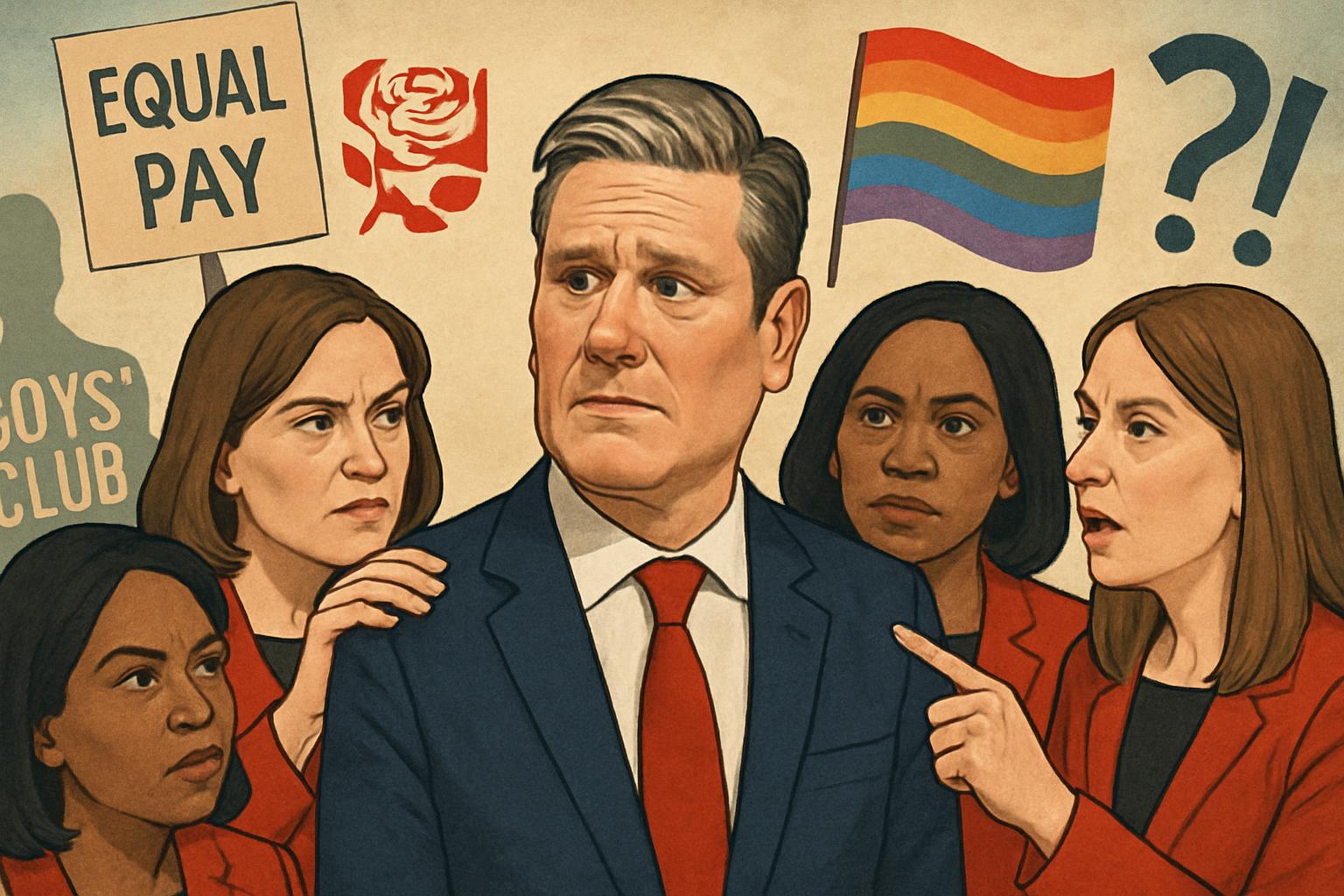
Keir Starmer Faces Pressure Over Appointments and Calls for Cultural Change

UK Government to Reform Asylum Seeker Support and Employment Policies

Labour MP's Husband Arrested in UK-China Espionage Probe

Chris Wormald Resigns as UK Cabinet Secretary Amid Political Reshuffle

UK Faces Dilemmas Amid Iran Conflict and China Spying Allegations
UK Welfare Reform Bill Passes Amid Labour Rebellion
In This Article
 Alex Carter| Published
 HIGHLIGHTS
- The UK Parliament voted on a controversial welfare reform bill, passing it with a majority of 75 votes.
- 49 Labour MPs defied their party to vote against the bill, highlighting internal divisions.
- The bill now moves to the committee stage for further debate and amendments.
- Liz Kendall, a key figure in the welfare reform debate, appeared less confident in her support for the bill.
- The welfare bill has sparked significant debate over its potential impact on personal independence payments and poverty levels.
The UK Parliament has passed a contentious welfare reform bill, despite significant opposition from within the Labour Party. The bill, which proposes changes to the criteria for certain benefits, was approved by 335 votes to 260, securing a government majority of 75. This development marks a critical juncture in the ongoing debate over the future of the UK welfare system.
Labour MPs Defy Party Line
In a notable display of dissent, 49 Labour MPs voted against their own government, underscoring deep divisions within the party. The rebellion reflects growing unease over the bill's implications, particularly concerning personal independence payments. Despite these defections, the bill's passage ensures it will proceed to the committee stage, where MPs will have the opportunity to propose amendments before a final vote.
Liz Kendall's Waning Confidence
Liz Kendall, a prominent advocate for the welfare reforms, appeared less assured during recent debates. Initially a staunch supporter, Kendall's demeanor has shifted, suggesting a struggle to reconcile the bill's objectives with its potential consequences. Her earlier enthusiasm has given way to a more subdued approach, as she grapples with the reality of the proposed changes and their impact on vulnerable populations.
Broader Implications and Political Context
The welfare reform bill has ignited a broader conversation about the moral and economic dimensions of welfare policy in the UK. Critics argue that the changes could exacerbate poverty, affecting up to 150,000 individuals. Meanwhile, the Conservative Party has largely remained on the sidelines, with many MPs showing limited engagement in the debate.
WHAT THIS MIGHT MEAN
As the welfare reform bill advances to the committee stage, its future remains uncertain. The potential for amendments could alter its trajectory, either softening its impact or reinforcing its original intent. Politically, the Labour Party faces a critical moment, as internal divisions over the bill could influence its cohesion and public perception. Experts suggest that the outcome of this legislative process will have lasting implications for the UK's welfare system and the political landscape, potentially shaping future policy debates and electoral strategies.
Related Articles
Anas Sarwar Denies Plot Against Starmer Amid Labour Party Turmoil
Keir Starmer Faces Pressure Over Appointments and Calls for Cultural Change
UK Government to Reform Asylum Seeker Support and Employment Policies
Labour MP's Husband Arrested in UK-China Espionage Probe
Chris Wormald Resigns as UK Cabinet Secretary Amid Political Reshuffle
UK Faces Dilemmas Amid Iran Conflict and China Spying Allegations