
Uncertainty Looms Over Ukraine's Security as Allies Hesitate on Guarantees

In This Article
HIGHLIGHTS
- Ukrainian President Volodymyr Zelensky has not received clear security guarantees from European allies regarding defense against potential future Russian aggression.
- The UK and France have signed a declaration to deploy troops in Ukraine if a peace deal is reached, but full security guarantees remain unresolved.
- The US has not signed a pledge to deploy troops, though it is expected to lead truce monitoring efforts.
- Russian President Vladimir Putin demands Ukrainian troop withdrawal from eastern Donbas, complicating peace negotiations.
- Recent Russian attacks have disrupted power supplies in southeastern Ukraine, exacerbating the humanitarian situation.
Ukrainian President Volodymyr Zelensky has expressed concerns over the lack of definitive security guarantees from European allies amid ongoing peace negotiations with Russia. Despite recent diplomatic efforts, including a declaration of intent by the UK and France to deploy troops in Ukraine if a ceasefire is reached, Zelensky remains uncertain about the commitment of his allies to defend Ukraine against potential future Russian aggression.
Diplomatic Efforts and Military Plans
On Tuesday, European leaders and US envoys announced key security guarantees for Kyiv, including the potential deployment of a European multinational force. However, Zelensky stated on Wednesday that he has yet to receive a clear answer from his allies on whether they would step in to defend Ukraine in the event of another Russian invasion. "I am asking this very question to all our partners and I have not received a clear, unambiguous answer yet," he told reporters.
The UK and France have committed to establishing military hubs across Ukraine, with UK Prime Minister Keir Starmer emphasizing the importance of a legal framework for British, French, and partner forces to operate on Ukrainian soil. However, the US, which has been leading peace efforts, has not signed a pledge to deploy troops, though it is expected to lead truce monitoring efforts.
Challenges in Peace Negotiations
The peace talks face significant challenges, particularly regarding territorial concessions. Russian President Vladimir Putin has demanded that Ukrainian troops withdraw from the eastern Donbas region, a condition that Zelensky has so far refused to accept. The issue of territorial concessions remains a major sticking point in negotiations, with Zelensky emphasizing the need for legally binding security guarantees backed by parliaments and the US Congress.
Humanitarian Impact of Ongoing Conflict
Meanwhile, the humanitarian situation in Ukraine continues to deteriorate. Recent Russian attacks have knocked out power supplies in the Dnipropetrovsk and Zaporizhzhia regions, leaving them almost entirely without electricity. Ukrainian Prime Minister Yulia Svyrydenko warned that impending snowfalls and plunging temperatures could exacerbate the situation, further impacting power and heating supplies.
WHAT THIS MIGHT MEAN
The lack of clear security guarantees for Ukraine raises concerns about the country's ability to defend itself against future Russian aggression. If European allies fail to provide unequivocal support, Ukraine may be forced to rely more heavily on its own military capabilities. The ongoing peace negotiations are further complicated by Russia's demands for territorial concessions, which Ukraine is unwilling to meet.
Should a ceasefire be reached, the deployment of a multinational force led by the UK and France could serve as a deterrent against further Russian provocations. However, the success of such a force would depend on its ability to respond swiftly to any violations. As the situation unfolds, the international community will be closely watching the developments, with potential implications for regional stability and global security.
Related Articles
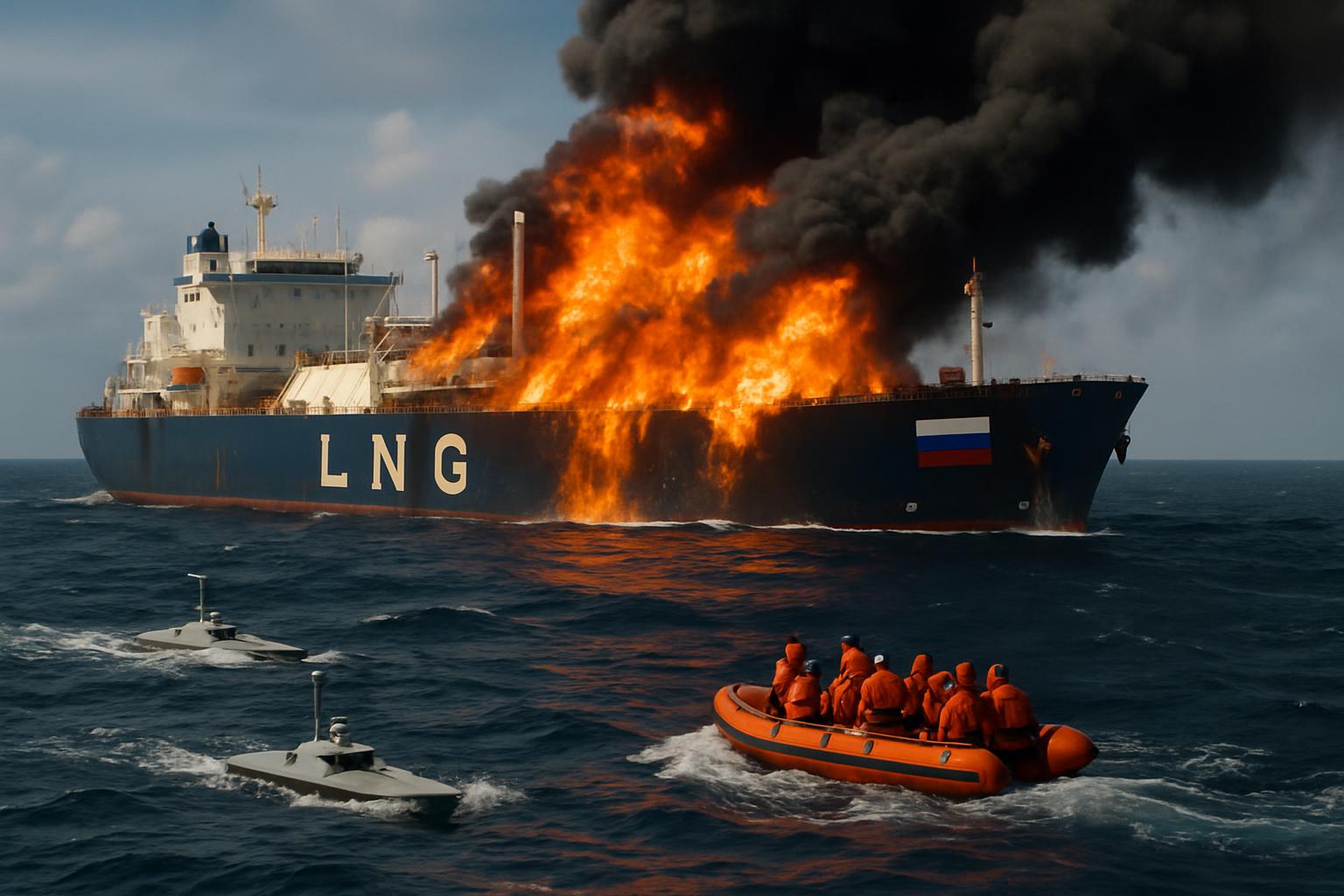
Russian LNG Tanker Sinks in Mediterranean Amid Accusations of Ukrainian Drone Attack

UK Faces Dilemmas Amid Iran Conflict and China Spying Allegations
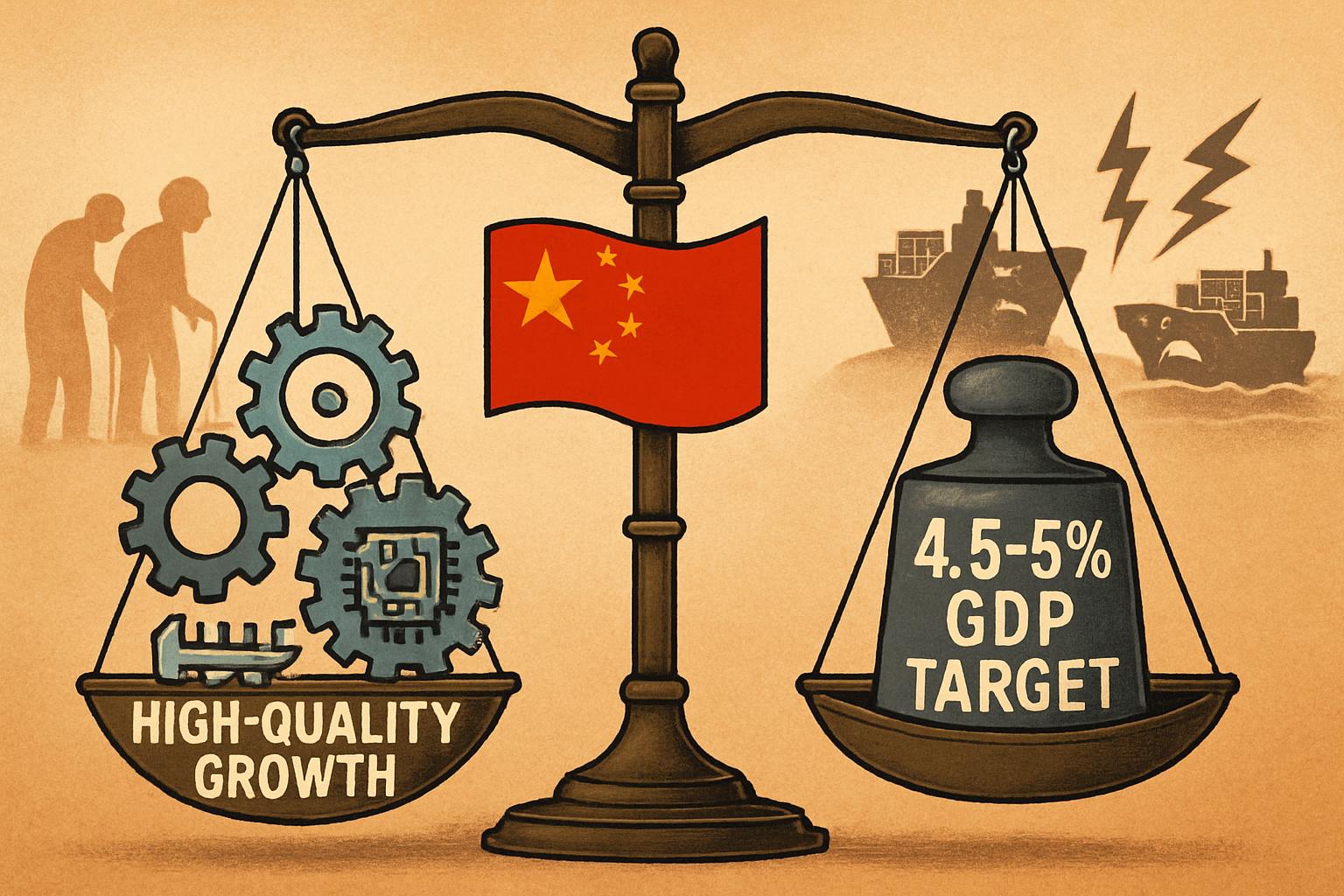
China Sets Lowest GDP Growth Target in Decades Amid Economic Challenges

Breakthrough Drug Offers Hope for Children with Severe Epilepsy
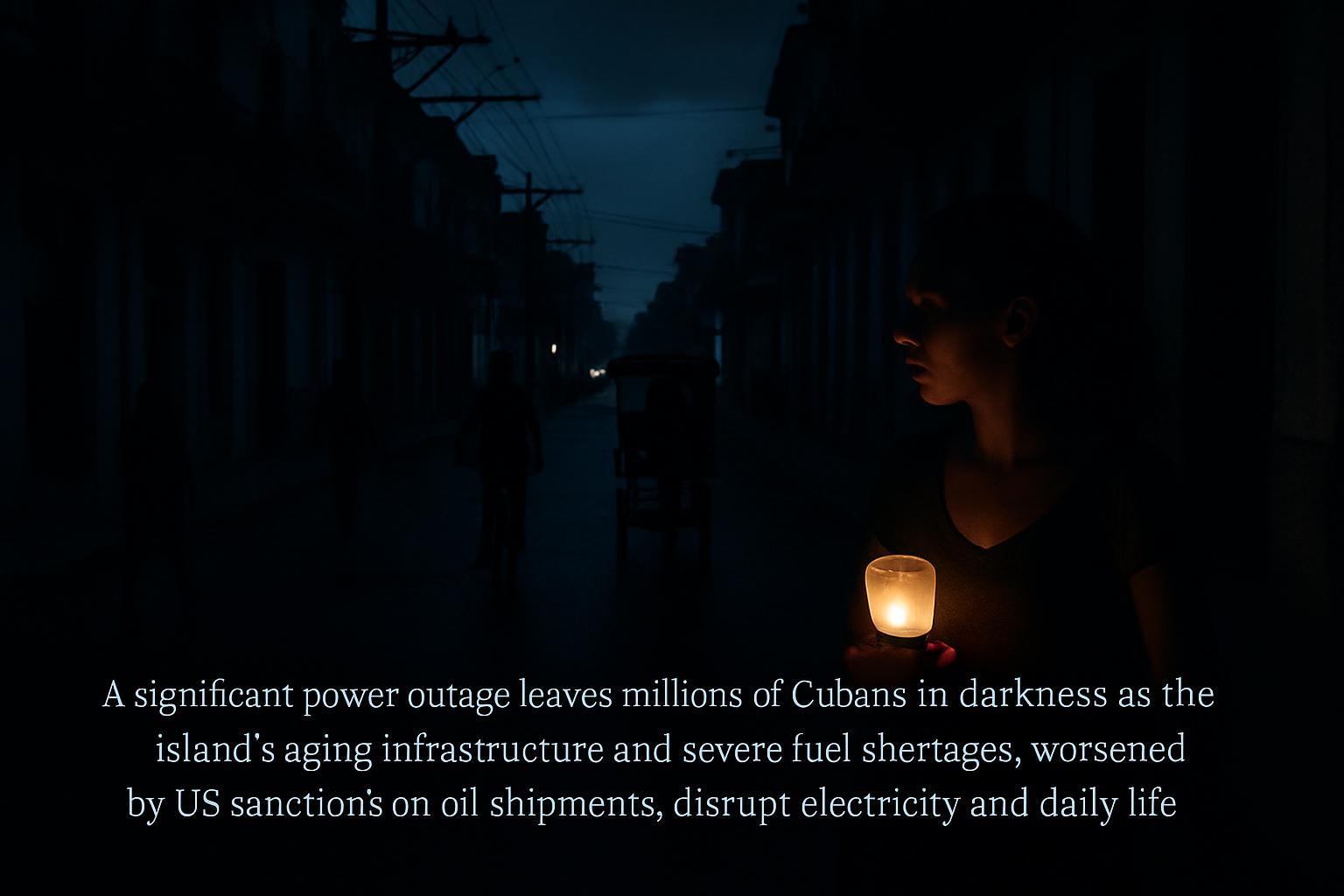
Cuba Faces Widespread Blackout Amid Deepening Fuel Crisis

Google Faces Legal Battle Over AI Chatbot's Alleged Role in Tragic Death
Uncertainty Looms Over Ukraine's Security as Allies Hesitate on Guarantees
In This Article
 Alex Carter| Published
 HIGHLIGHTS
- Ukrainian President Volodymyr Zelensky has not received clear security guarantees from European allies regarding defense against potential future Russian aggression.
- The UK and France have signed a declaration to deploy troops in Ukraine if a peace deal is reached, but full security guarantees remain unresolved.
- The US has not signed a pledge to deploy troops, though it is expected to lead truce monitoring efforts.
- Russian President Vladimir Putin demands Ukrainian troop withdrawal from eastern Donbas, complicating peace negotiations.
- Recent Russian attacks have disrupted power supplies in southeastern Ukraine, exacerbating the humanitarian situation.
Ukrainian President Volodymyr Zelensky has expressed concerns over the lack of definitive security guarantees from European allies amid ongoing peace negotiations with Russia. Despite recent diplomatic efforts, including a declaration of intent by the UK and France to deploy troops in Ukraine if a ceasefire is reached, Zelensky remains uncertain about the commitment of his allies to defend Ukraine against potential future Russian aggression.
Diplomatic Efforts and Military Plans
On Tuesday, European leaders and US envoys announced key security guarantees for Kyiv, including the potential deployment of a European multinational force. However, Zelensky stated on Wednesday that he has yet to receive a clear answer from his allies on whether they would step in to defend Ukraine in the event of another Russian invasion. "I am asking this very question to all our partners and I have not received a clear, unambiguous answer yet," he told reporters.
The UK and France have committed to establishing military hubs across Ukraine, with UK Prime Minister Keir Starmer emphasizing the importance of a legal framework for British, French, and partner forces to operate on Ukrainian soil. However, the US, which has been leading peace efforts, has not signed a pledge to deploy troops, though it is expected to lead truce monitoring efforts.
Challenges in Peace Negotiations
The peace talks face significant challenges, particularly regarding territorial concessions. Russian President Vladimir Putin has demanded that Ukrainian troops withdraw from the eastern Donbas region, a condition that Zelensky has so far refused to accept. The issue of territorial concessions remains a major sticking point in negotiations, with Zelensky emphasizing the need for legally binding security guarantees backed by parliaments and the US Congress.
Humanitarian Impact of Ongoing Conflict
Meanwhile, the humanitarian situation in Ukraine continues to deteriorate. Recent Russian attacks have knocked out power supplies in the Dnipropetrovsk and Zaporizhzhia regions, leaving them almost entirely without electricity. Ukrainian Prime Minister Yulia Svyrydenko warned that impending snowfalls and plunging temperatures could exacerbate the situation, further impacting power and heating supplies.
WHAT THIS MIGHT MEAN
The lack of clear security guarantees for Ukraine raises concerns about the country's ability to defend itself against future Russian aggression. If European allies fail to provide unequivocal support, Ukraine may be forced to rely more heavily on its own military capabilities. The ongoing peace negotiations are further complicated by Russia's demands for territorial concessions, which Ukraine is unwilling to meet.
Should a ceasefire be reached, the deployment of a multinational force led by the UK and France could serve as a deterrent against further Russian provocations. However, the success of such a force would depend on its ability to respond swiftly to any violations. As the situation unfolds, the international community will be closely watching the developments, with potential implications for regional stability and global security.
Related Articles
Russian LNG Tanker Sinks in Mediterranean Amid Accusations of Ukrainian Drone Attack
UK Faces Dilemmas Amid Iran Conflict and China Spying Allegations
China Sets Lowest GDP Growth Target in Decades Amid Economic Challenges
Breakthrough Drug Offers Hope for Children with Severe Epilepsy
Cuba Faces Widespread Blackout Amid Deepening Fuel Crisis
Google Faces Legal Battle Over AI Chatbot's Alleged Role in Tragic Death