
UK Government Unveils Controversial Overhaul of Asylum System
In This Article
HIGHLIGHTS
- The UK government has proposed the most significant changes to asylum laws in 40 years, aiming to overhaul the current system deemed "out of control."
- Home Secretary Shabana Mahmood's plans include making refugee status temporary and extending the wait for permanent settlement from five to 20 years.
- The proposals have sparked controversy, with some Labour MPs and refugee organizations criticizing them as "inhumane" and "draconian."
- The government intends to reform the application of the European Convention on Human Rights to curb asylum seekers' rights to family life as a means to avoid deportation.
- Critics argue the changes could exacerbate social divisions and have significant implications for UK-Ireland relations, as migration flows may shift.
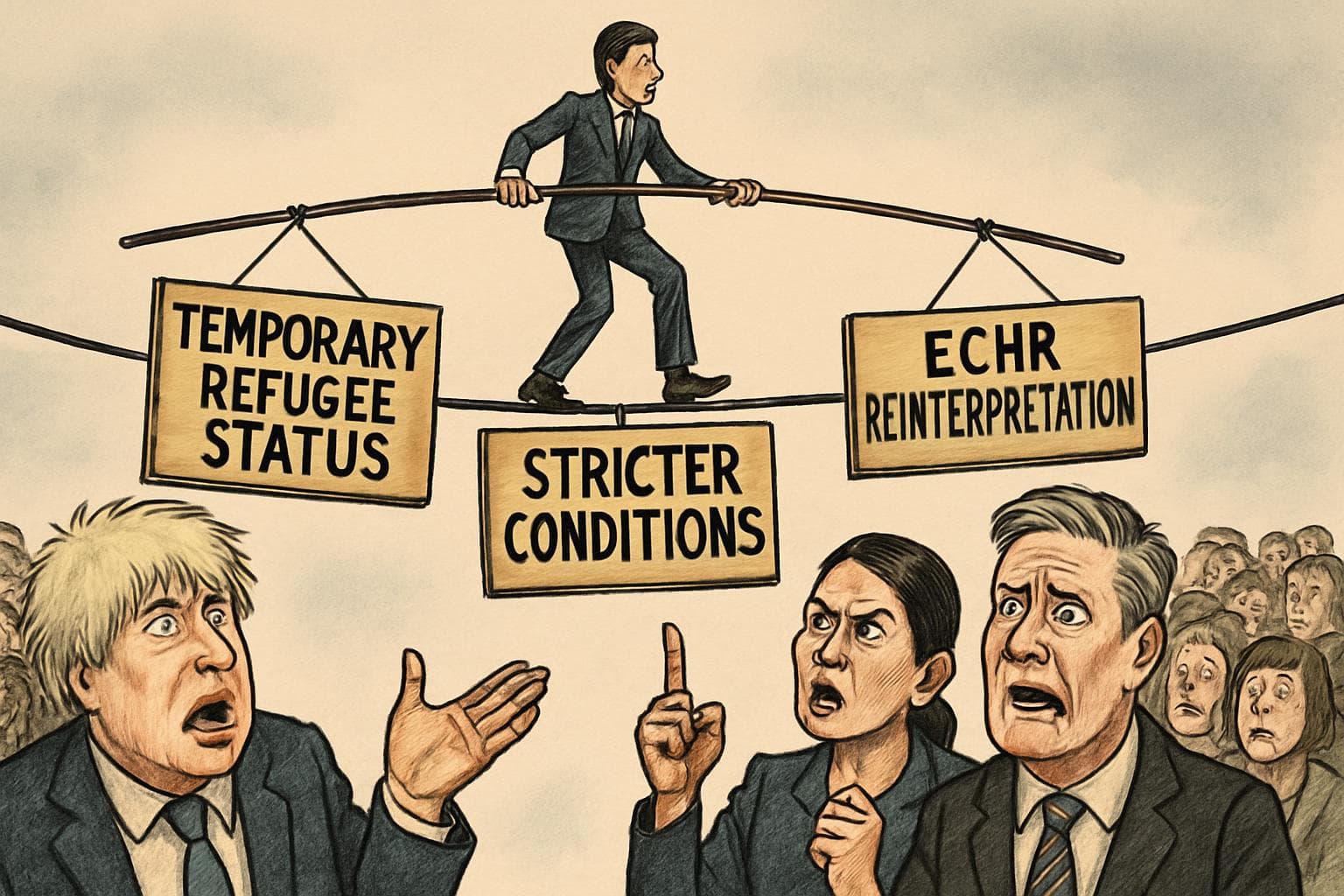
The UK government has announced sweeping reforms to its asylum system, marking the most significant changes in four decades. Home Secretary Shabana Mahmood presented the proposals, which aim to address what she described as an "out of control and unfair" system. The reforms include making refugee status temporary and extending the period before asylum seekers can apply for permanent settlement from five to 20 years.
Major Policy Shifts
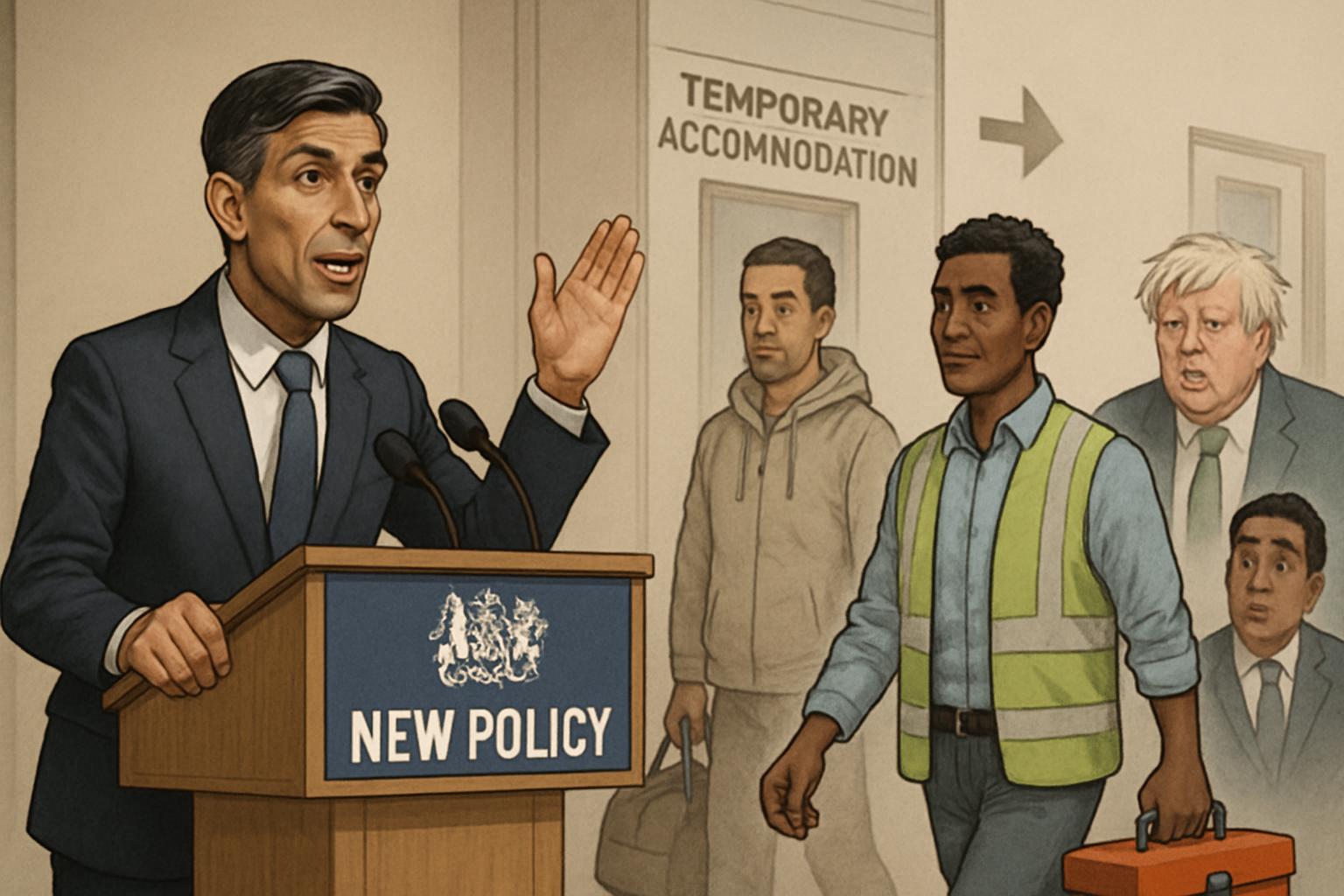
Under the new plans, asylum seekers will face stricter conditions, including a review of their refugee status every 30 months. The government also intends to cut financial support for asylum seekers who have the eligibility to work, a move affecting approximately 20,000 individuals. Furthermore, the UK will consult on enforcing the removal of families, including children, who have been refused asylum.
The proposals also target the European Convention on Human Rights (ECHR), with plans to reinterpret Article 8, which covers the right to family life, to prevent its use as a defense against deportation. This has raised concerns about potential human rights implications.
Political and Public Reactions
The proposed changes have ignited a political storm, with some Labour MPs and refugee organizations condemning them as "inhumane" and "draconian." Green Party MP Ellie Chowns criticized the government's narrative, suggesting it unfairly blames migrants for national issues. Meanwhile, Labour leader Keir Starmer defended the reforms, emphasizing the need to restore public confidence in the asylum system.
The Conservative Party has shown cautious support, with leader Kemi Badenoch describing the measures as "positive baby steps." However, she warned that the reforms might fail unless the UK exits the ECHR.
International and Social Implications
The reforms could have significant international repercussions, particularly for UK-Ireland relations. Ireland's Justice Minister, Jim O'Callaghan, expressed concerns about increased migration flows to Ireland as a result of the UK's stricter policies. Domestically, critics argue that the changes could deepen social divisions and undermine efforts at social cohesion.
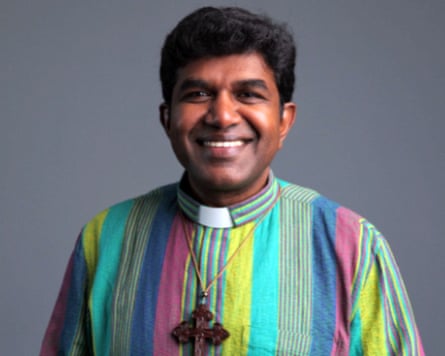
The Anglican bishop of Edmonton, Dr. Anderson Jeremiah, voiced his dismay, stating that asylum seekers are being scapegoated for broader governmental failures. He emphasized the interconnectedness of societal issues and warned against isolating asylum seekers as a singular problem.
WHAT THIS MIGHT MEAN
The proposed overhaul of the UK's asylum system could lead to significant legal and political challenges. If implemented, the changes may face judicial scrutiny, particularly concerning human rights implications under the ECHR. Politically, the reforms could test the unity of the Labour Party, with potential rebellions from MPs who oppose the measures.
Internationally, the UK may need to navigate diplomatic tensions with Ireland and other European nations concerned about the ripple effects of its migration policies. As the government seeks to balance public opinion and legal obligations, the success of these reforms will likely depend on their execution and the broader political climate.
Images from the Web
Related Articles
UK Government to Reform Asylum Seeker Support and Employment Policies

Labour MP's Husband Arrested in UK-China Espionage Probe

UK-Iran Tensions: Starmer Defends Cautious Approach Amid Trump Criticism

UK Faces Dilemmas Amid Iran Conflict and China Spying Allegations

Diplomatic Tensions Rise as Trump Criticizes Starmer's Iran Policy

UK Government Considers Removing Andrew Mountbatten-Windsor from Royal Succession Amid Arrest
UK Government Unveils Controversial Overhaul of Asylum System
In This Article
 Ethan Brooks| Published
 HIGHLIGHTS
- The UK government has proposed the most significant changes to asylum laws in 40 years, aiming to overhaul the current system deemed "out of control."
- Home Secretary Shabana Mahmood's plans include making refugee status temporary and extending the wait for permanent settlement from five to 20 years.
- The proposals have sparked controversy, with some Labour MPs and refugee organizations criticizing them as "inhumane" and "draconian."
- The government intends to reform the application of the European Convention on Human Rights to curb asylum seekers' rights to family life as a means to avoid deportation.
- Critics argue the changes could exacerbate social divisions and have significant implications for UK-Ireland relations, as migration flows may shift.
The UK government has announced sweeping reforms to its asylum system, marking the most significant changes in four decades. Home Secretary Shabana Mahmood presented the proposals, which aim to address what she described as an "out of control and unfair" system. The reforms include making refugee status temporary and extending the period before asylum seekers can apply for permanent settlement from five to 20 years.
Major Policy Shifts
Under the new plans, asylum seekers will face stricter conditions, including a review of their refugee status every 30 months. The government also intends to cut financial support for asylum seekers who have the eligibility to work, a move affecting approximately 20,000 individuals. Furthermore, the UK will consult on enforcing the removal of families, including children, who have been refused asylum.
The proposals also target the European Convention on Human Rights (ECHR), with plans to reinterpret Article 8, which covers the right to family life, to prevent its use as a defense against deportation. This has raised concerns about potential human rights implications.
Political and Public Reactions
The proposed changes have ignited a political storm, with some Labour MPs and refugee organizations condemning them as "inhumane" and "draconian." Green Party MP Ellie Chowns criticized the government's narrative, suggesting it unfairly blames migrants for national issues. Meanwhile, Labour leader Keir Starmer defended the reforms, emphasizing the need to restore public confidence in the asylum system.
The Conservative Party has shown cautious support, with leader Kemi Badenoch describing the measures as "positive baby steps." However, she warned that the reforms might fail unless the UK exits the ECHR.
International and Social Implications
The reforms could have significant international repercussions, particularly for UK-Ireland relations. Ireland's Justice Minister, Jim O'Callaghan, expressed concerns about increased migration flows to Ireland as a result of the UK's stricter policies. Domestically, critics argue that the changes could deepen social divisions and undermine efforts at social cohesion.
The Anglican bishop of Edmonton, Dr. Anderson Jeremiah, voiced his dismay, stating that asylum seekers are being scapegoated for broader governmental failures. He emphasized the interconnectedness of societal issues and warned against isolating asylum seekers as a singular problem.
WHAT THIS MIGHT MEAN
The proposed overhaul of the UK's asylum system could lead to significant legal and political challenges. If implemented, the changes may face judicial scrutiny, particularly concerning human rights implications under the ECHR. Politically, the reforms could test the unity of the Labour Party, with potential rebellions from MPs who oppose the measures.
Internationally, the UK may need to navigate diplomatic tensions with Ireland and other European nations concerned about the ripple effects of its migration policies. As the government seeks to balance public opinion and legal obligations, the success of these reforms will likely depend on their execution and the broader political climate.
Images from the Web
Related Articles
UK Government to Reform Asylum Seeker Support and Employment Policies
Labour MP's Husband Arrested in UK-China Espionage Probe
UK-Iran Tensions: Starmer Defends Cautious Approach Amid Trump Criticism
UK Faces Dilemmas Amid Iran Conflict and China Spying Allegations
Diplomatic Tensions Rise as Trump Criticizes Starmer's Iran Policy
UK Government Considers Removing Andrew Mountbatten-Windsor from Royal Succession Amid Arrest