
UK Introduces Pay-Per-Mile Tax for Electric Vehicles Amid Transition Challenges
In This Article
HIGHLIGHTS
- From April 2028, electric vehicle (EV) owners in the UK will face a pay-per-mile tax of 3p, while plug-in hybrid drivers will pay 1.5p per mile.
- The new tax is expected to generate £1.1bn in 2028-29, rising to £1.9bn by 2030-31, but may reduce EV sales by 440,000 units.
- The government aims to phase out petrol and diesel cars by 2030, but the new tax could hinder the transition to electric vehicles.
- Fuel duty will remain frozen until September 2026, with a gradual reversal of the 5p cut introduced by Rishi Sunak.
- The Office for Budget Responsibility (OBR) warns the tax could increase the lifetime cost of EVs, potentially reducing demand.
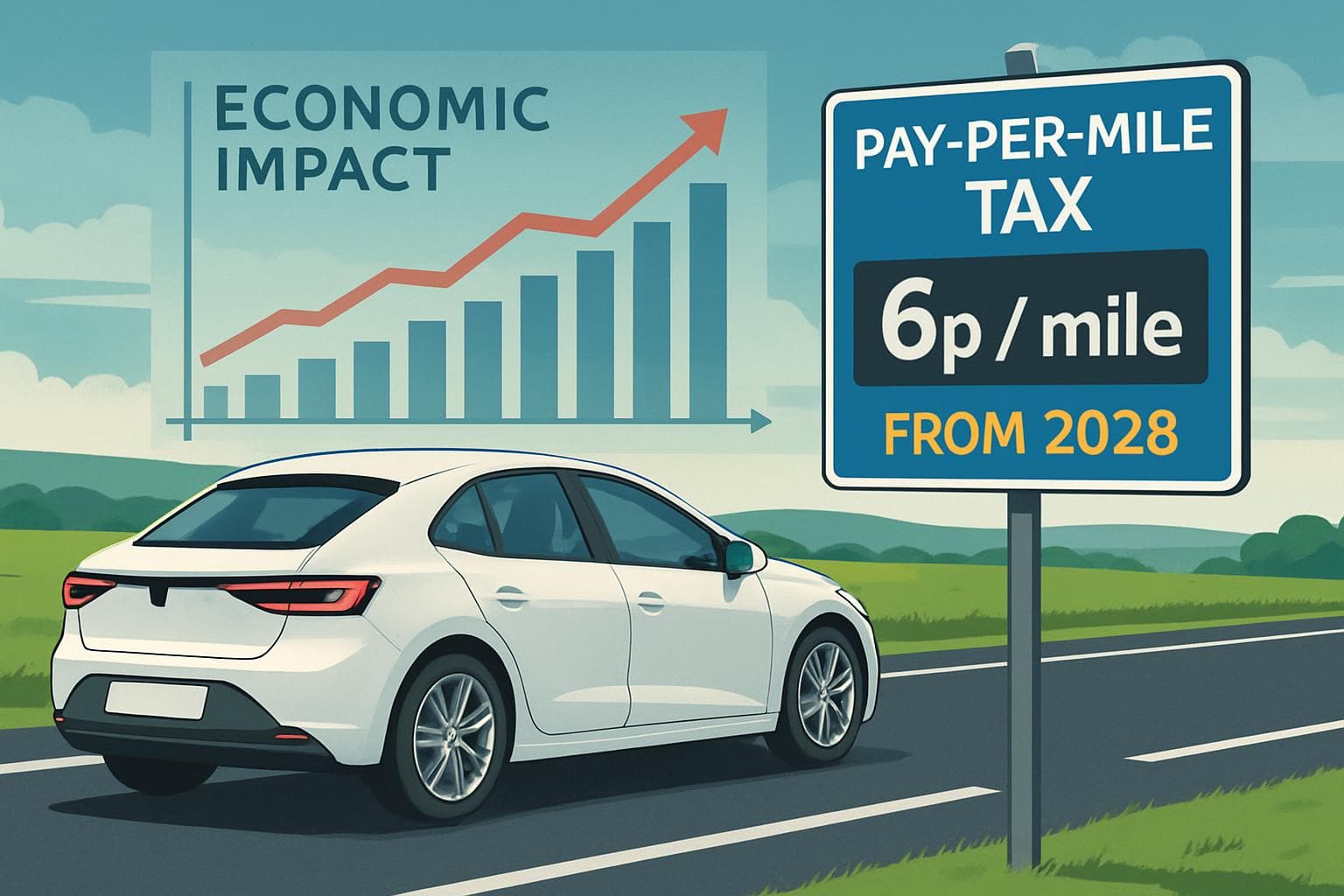
In a significant policy shift, the UK government has announced a new pay-per-mile tax for electric vehicles (EVs) set to take effect from April 2028. This move, confirmed in the latest Budget, will see EV owners paying 3p per mile, while plug-in hybrid drivers will incur a charge of 1.5p per mile. The rates are expected to increase annually in line with inflation.
Impact on EV Transition
The introduction of this tax comes as the UK prepares to phase out the sale of new petrol and diesel cars by 2030, a key step in its strategy to combat climate change. However, the Office for Budget Responsibility (OBR) has cautioned that the new charge could deter potential buyers, as it raises the lifetime cost of owning an electric vehicle. The OBR predicts a potential reduction of 440,000 in EV sales, although other government initiatives might offset some of this decline.
Economic Implications
The pay-per-mile tax is projected to generate £1.1bn in revenue in its first year, increasing to £1.9bn by 2030-31. This revenue is intended to support road maintenance funding, as stated by Chancellor Rachel Reeves. Despite these financial benefits, the tax has sparked concerns within the EV industry. Charnjit Saranna, founder of electric car leasing firm EZOO, expressed worries that the tax could slow the momentum of the EV transition, though she remains optimistic about the overall cost-effectiveness of electric vehicles.
Fuel Duty and Road Maintenance
Alongside the new EV tax, the government has decided to freeze fuel duty until September 2026, marking the 16th consecutive year without a rise. However, the temporary 5p cut introduced by former Chancellor Rishi Sunak will be reversed gradually. Reeves emphasized that all vehicles contribute to road wear and tear, justifying the need for a mileage-based levy. The additional funds are expected to double road maintenance funding in England over the current parliamentary term.
WHAT THIS MIGHT MEAN
The introduction of a pay-per-mile tax for electric vehicles could have significant implications for the UK's transition to greener transportation. While the tax aims to ensure fair contribution to road maintenance, it may also discourage potential EV buyers due to increased costs. This could slow the pace of the transition away from fossil fuels, challenging the government's 2030 target.
Industry experts suggest that manufacturers might need to adjust pricing strategies to maintain demand for electric vehicles. Additionally, the government may need to enhance incentives or subsidies to counterbalance the tax's impact. As the policy unfolds, its success will largely depend on the balance between generating necessary revenue and maintaining momentum in the shift towards sustainable transportation.
Images from the Web


Related Articles
Trump's New Tariff Strategy Sparks Global Trade Uncertainty
Middle East Conflict Drives UK Energy Prices to New Highs

Saharan Dust to Illuminate UK Skies with Vivid Sunrises and Sunsets

Canada and Australia Forge Strategic Partnership Amid Global Uncertainty

UK Government to Reform Asylum Seeker Support and Employment Policies

UK Faces Dilemmas Amid Iran Conflict and China Spying Allegations
UK Introduces Pay-Per-Mile Tax for Electric Vehicles Amid Transition Challenges
In This Article
 Daniel Rivera| Published
 HIGHLIGHTS
- From April 2028, electric vehicle (EV) owners in the UK will face a pay-per-mile tax of 3p, while plug-in hybrid drivers will pay 1.5p per mile.
- The new tax is expected to generate £1.1bn in 2028-29, rising to £1.9bn by 2030-31, but may reduce EV sales by 440,000 units.
- The government aims to phase out petrol and diesel cars by 2030, but the new tax could hinder the transition to electric vehicles.
- Fuel duty will remain frozen until September 2026, with a gradual reversal of the 5p cut introduced by Rishi Sunak.
- The Office for Budget Responsibility (OBR) warns the tax could increase the lifetime cost of EVs, potentially reducing demand.
In a significant policy shift, the UK government has announced a new pay-per-mile tax for electric vehicles (EVs) set to take effect from April 2028. This move, confirmed in the latest Budget, will see EV owners paying 3p per mile, while plug-in hybrid drivers will incur a charge of 1.5p per mile. The rates are expected to increase annually in line with inflation.
Impact on EV Transition
The introduction of this tax comes as the UK prepares to phase out the sale of new petrol and diesel cars by 2030, a key step in its strategy to combat climate change. However, the Office for Budget Responsibility (OBR) has cautioned that the new charge could deter potential buyers, as it raises the lifetime cost of owning an electric vehicle. The OBR predicts a potential reduction of 440,000 in EV sales, although other government initiatives might offset some of this decline.
Economic Implications
The pay-per-mile tax is projected to generate £1.1bn in revenue in its first year, increasing to £1.9bn by 2030-31. This revenue is intended to support road maintenance funding, as stated by Chancellor Rachel Reeves. Despite these financial benefits, the tax has sparked concerns within the EV industry. Charnjit Saranna, founder of electric car leasing firm EZOO, expressed worries that the tax could slow the momentum of the EV transition, though she remains optimistic about the overall cost-effectiveness of electric vehicles.
Fuel Duty and Road Maintenance
Alongside the new EV tax, the government has decided to freeze fuel duty until September 2026, marking the 16th consecutive year without a rise. However, the temporary 5p cut introduced by former Chancellor Rishi Sunak will be reversed gradually. Reeves emphasized that all vehicles contribute to road wear and tear, justifying the need for a mileage-based levy. The additional funds are expected to double road maintenance funding in England over the current parliamentary term.
WHAT THIS MIGHT MEAN
The introduction of a pay-per-mile tax for electric vehicles could have significant implications for the UK's transition to greener transportation. While the tax aims to ensure fair contribution to road maintenance, it may also discourage potential EV buyers due to increased costs. This could slow the pace of the transition away from fossil fuels, challenging the government's 2030 target.
Industry experts suggest that manufacturers might need to adjust pricing strategies to maintain demand for electric vehicles. Additionally, the government may need to enhance incentives or subsidies to counterbalance the tax's impact. As the policy unfolds, its success will largely depend on the balance between generating necessary revenue and maintaining momentum in the shift towards sustainable transportation.
Images from the Web
Related Articles
Trump's New Tariff Strategy Sparks Global Trade Uncertainty
Middle East Conflict Drives UK Energy Prices to New Highs
Saharan Dust to Illuminate UK Skies with Vivid Sunrises and Sunsets
Canada and Australia Forge Strategic Partnership Amid Global Uncertainty
UK Government to Reform Asylum Seeker Support and Employment Policies
UK Faces Dilemmas Amid Iran Conflict and China Spying Allegations