
UK's Palestinian State Recognition Plan Sparks Controversy
In This Article
HIGHLIGHTS
- UK Prime Minister Keir Starmer announced plans to recognize a Palestinian state in September unless Israel meets specific conditions, including a ceasefire.
- Emily Damari, a former British-Israeli hostage, criticized Starmer's decision, calling it a "moral failure" that rewards terrorism.
- Israeli Prime Minister Benjamin Netanyahu condemned the UK's stance, arguing it appeases Hamas and threatens Israel's security.
- The UK government insists that Hamas must release all hostages and disarm as part of the conditions for recognition.
- The announcement has sparked debate over its impact on the Middle East peace process and the potential consequences for hostages held by Hamas.
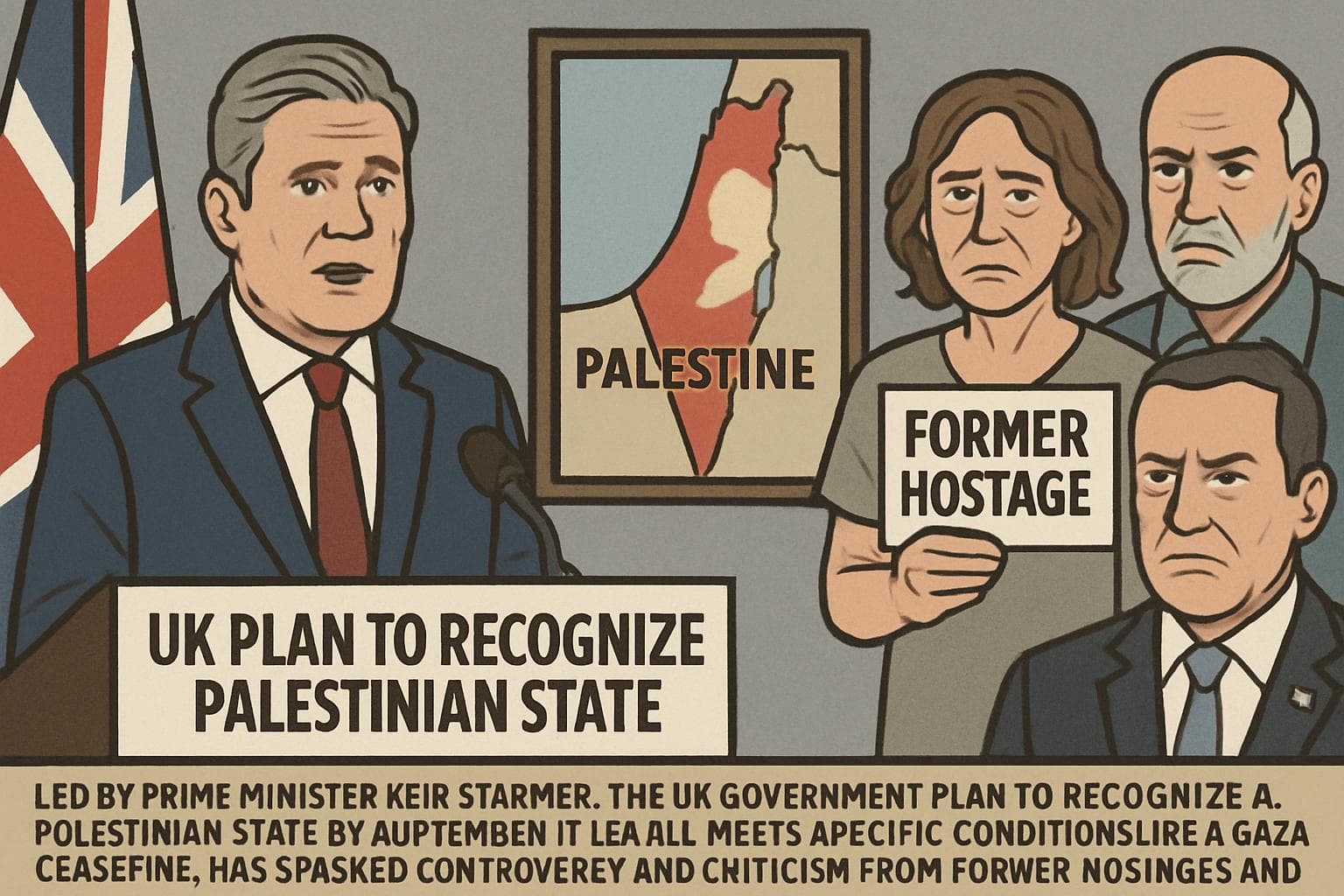
The UK government, led by Prime Minister Keir Starmer, has announced a controversial plan to recognize a Palestinian state by September, contingent upon Israel meeting specific conditions, including agreeing to a ceasefire in Gaza. This move has drawn sharp criticism from various quarters, including former hostages and Israeli officials.
Hostage Criticism and International Reactions
Emily Damari, a British-Israeli woman who was held hostage by Hamas for over 15 months, has publicly condemned Starmer's decision. Damari, who was released in January, accused the UK Prime Minister of "moral failure" and argued that the move risks legitimizing terrorism. Her sentiments were echoed by Israeli Prime Minister Benjamin Netanyahu, who described the UK's stance as appeasement of Hamas's "monstrous terrorism."
Conditions for Recognition
The UK has outlined several conditions that Israel must meet to avoid the recognition of a Palestinian state. These include agreeing to a ceasefire, refraining from annexing the West Bank, and taking substantive steps to alleviate the humanitarian crisis in Gaza. Additionally, the UK demands that Hamas release all hostages, disarm, and accept that it will not participate in the governance of Gaza.
Diplomatic Implications
Foreign Secretary David Lammy expressed hope that the UK's decision would lead to a ceasefire and improve conditions on the ground in Gaza. However, the announcement has sparked fears among families of hostages held by Hamas that it could reduce incentives for the group to release captives. Lawyers representing these families have urged the UK government to ensure that recognition does not proceed until all hostages are freed.
Broader Context and Reactions
The UK's decision aligns with similar announcements by France and other European countries, reflecting growing international pressure on Israel to engage in peace talks. However, the move has been met with skepticism from Israeli officials, who argue that it undermines their security and emboldens Hamas.
WHAT THIS MIGHT MEAN
The UK's plan to recognize a Palestinian state could significantly impact the Middle East peace process. If Israel meets the conditions, it may pave the way for renewed negotiations and a potential two-state solution. However, failure to meet these conditions could exacerbate tensions and prolong the conflict. Experts warn that the recognition could either incentivize Hamas to release hostages or, conversely, embolden the group to maintain its current stance. The coming months will be crucial in determining the plan's success and its implications for regional stability.
Related Articles

UK Faces Dilemmas Amid Iran Conflict and China Spying Allegations

Labour MP's Husband Arrested in UK-China Espionage Probe

UK-Iran Tensions: Starmer Defends Cautious Approach Amid Trump Criticism
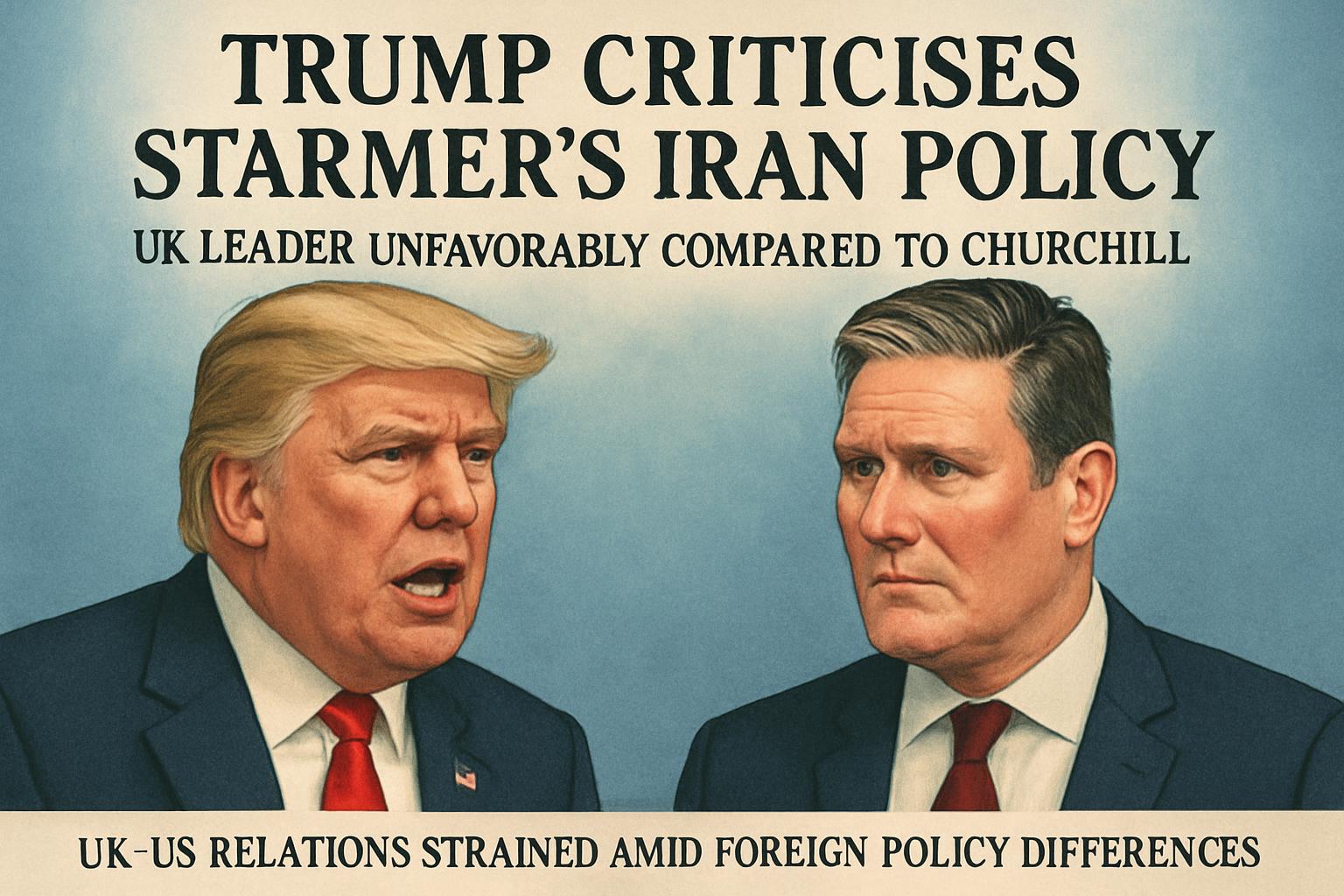
Diplomatic Tensions Rise as Trump Criticizes Starmer's Iran Policy

Breakthrough Drug Offers Hope for Children with Severe Epilepsy
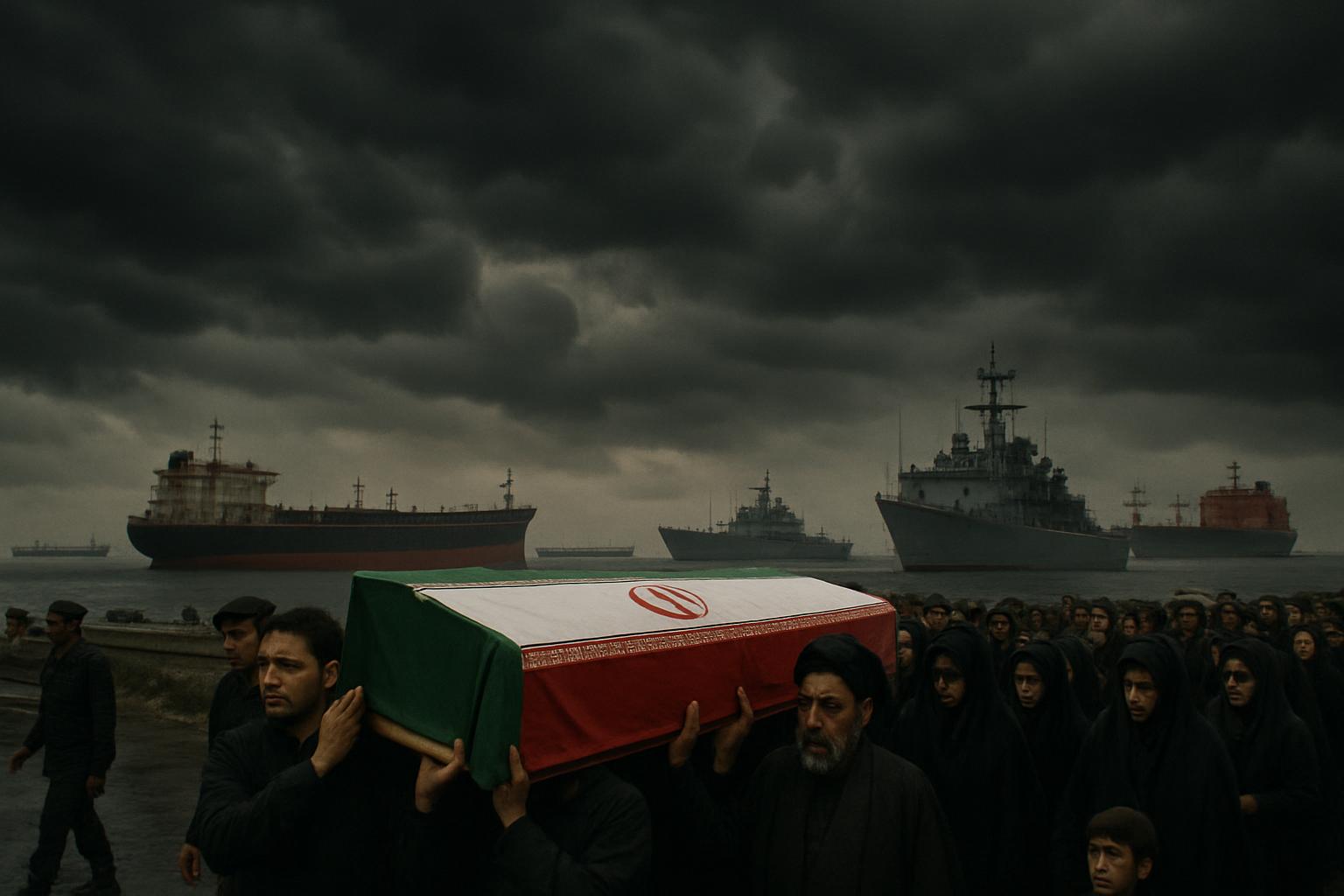
Iran Postpones Khamenei Funeral Amid Escalating US-Israeli Strikes
UK's Palestinian State Recognition Plan Sparks Controversy
In This Article
 Ethan Brooks| Published
 HIGHLIGHTS
- UK Prime Minister Keir Starmer announced plans to recognize a Palestinian state in September unless Israel meets specific conditions, including a ceasefire.
- Emily Damari, a former British-Israeli hostage, criticized Starmer's decision, calling it a "moral failure" that rewards terrorism.
- Israeli Prime Minister Benjamin Netanyahu condemned the UK's stance, arguing it appeases Hamas and threatens Israel's security.
- The UK government insists that Hamas must release all hostages and disarm as part of the conditions for recognition.
- The announcement has sparked debate over its impact on the Middle East peace process and the potential consequences for hostages held by Hamas.
The UK government, led by Prime Minister Keir Starmer, has announced a controversial plan to recognize a Palestinian state by September, contingent upon Israel meeting specific conditions, including agreeing to a ceasefire in Gaza. This move has drawn sharp criticism from various quarters, including former hostages and Israeli officials.
Hostage Criticism and International Reactions
Emily Damari, a British-Israeli woman who was held hostage by Hamas for over 15 months, has publicly condemned Starmer's decision. Damari, who was released in January, accused the UK Prime Minister of "moral failure" and argued that the move risks legitimizing terrorism. Her sentiments were echoed by Israeli Prime Minister Benjamin Netanyahu, who described the UK's stance as appeasement of Hamas's "monstrous terrorism."
Conditions for Recognition
The UK has outlined several conditions that Israel must meet to avoid the recognition of a Palestinian state. These include agreeing to a ceasefire, refraining from annexing the West Bank, and taking substantive steps to alleviate the humanitarian crisis in Gaza. Additionally, the UK demands that Hamas release all hostages, disarm, and accept that it will not participate in the governance of Gaza.
Diplomatic Implications
Foreign Secretary David Lammy expressed hope that the UK's decision would lead to a ceasefire and improve conditions on the ground in Gaza. However, the announcement has sparked fears among families of hostages held by Hamas that it could reduce incentives for the group to release captives. Lawyers representing these families have urged the UK government to ensure that recognition does not proceed until all hostages are freed.
Broader Context and Reactions
The UK's decision aligns with similar announcements by France and other European countries, reflecting growing international pressure on Israel to engage in peace talks. However, the move has been met with skepticism from Israeli officials, who argue that it undermines their security and emboldens Hamas.
WHAT THIS MIGHT MEAN
The UK's plan to recognize a Palestinian state could significantly impact the Middle East peace process. If Israel meets the conditions, it may pave the way for renewed negotiations and a potential two-state solution. However, failure to meet these conditions could exacerbate tensions and prolong the conflict. Experts warn that the recognition could either incentivize Hamas to release hostages or, conversely, embolden the group to maintain its current stance. The coming months will be crucial in determining the plan's success and its implications for regional stability.
Related Articles
UK Faces Dilemmas Amid Iran Conflict and China Spying Allegations
Labour MP's Husband Arrested in UK-China Espionage Probe
UK-Iran Tensions: Starmer Defends Cautious Approach Amid Trump Criticism
Diplomatic Tensions Rise as Trump Criticizes Starmer's Iran Policy
Breakthrough Drug Offers Hope for Children with Severe Epilepsy
Iran Postpones Khamenei Funeral Amid Escalating US-Israeli Strikes