
UK Government Unveils Ambitious Plan to Transform NHS with Community Health Centres
In This Article
HIGHLIGHTS
- The UK government plans to establish 200 new neighbourhood health centres to decentralize NHS services and reduce hospital waiting times.
- Prime Minister Keir Starmer emphasized the need for the NHS to "reform or die," aiming to make healthcare more accessible and convenient.
- The initiative will be supported by a £29bn funding boost, with a focus on integrating technology and preventive care.
- Critics highlight potential challenges, including workforce shortages and the need for detailed implementation plans.
- The Royal College of Nursing warns that moving services out of hospitals requires addressing the "depleted and undervalued" nursing workforce.
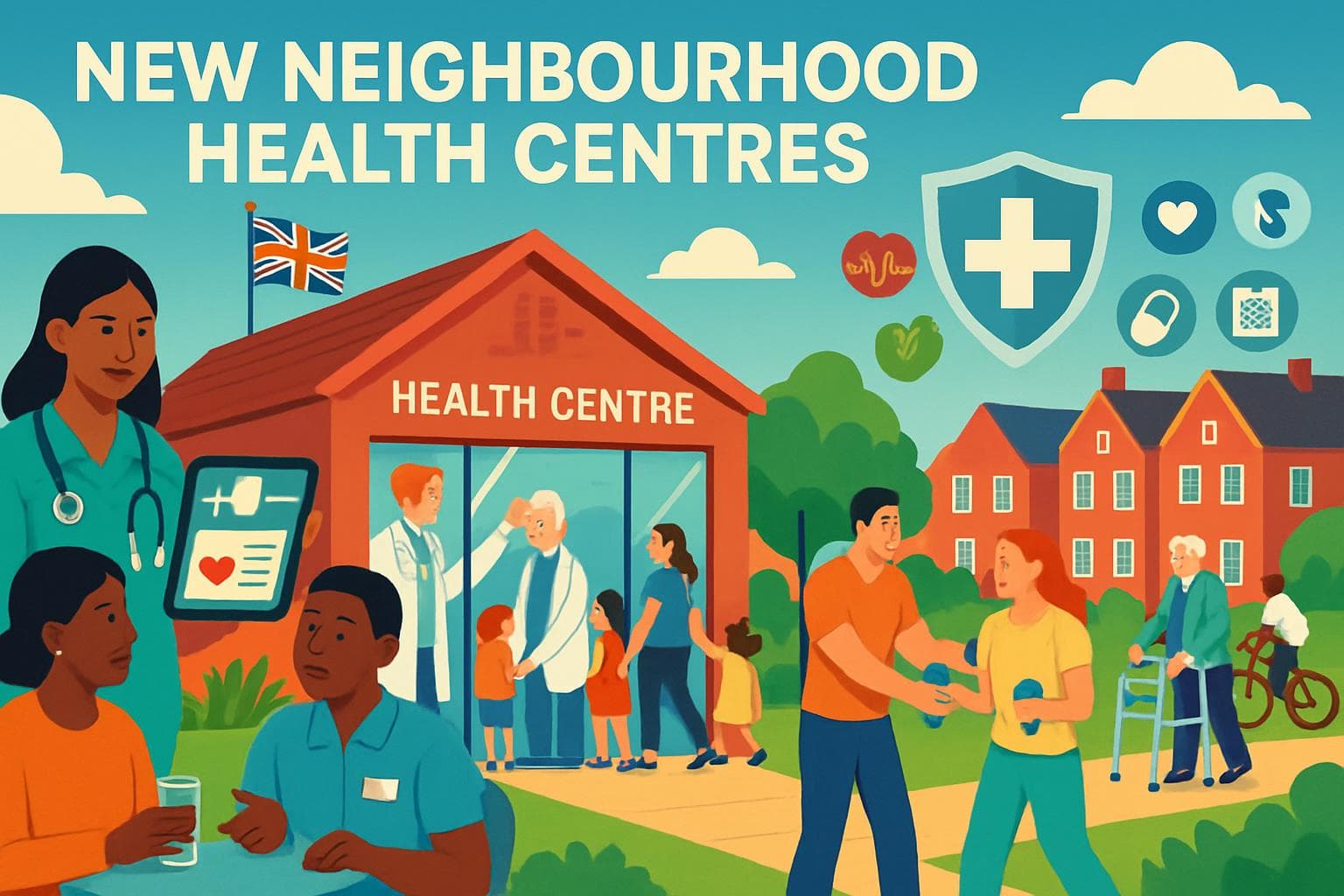
The UK government has announced a transformative plan to decentralize the National Health Service (NHS) by establishing 200 new neighbourhood health centres across England. This initiative, spearheaded by Prime Minister Keir Starmer, aims to shift a significant portion of healthcare services from overcrowded hospitals to community-based settings, thereby reducing hospital waiting times and enhancing patient access to care.
Decentralizing Healthcare Services
Under the new 10-year plan, these neighbourhood health hubs will provide a comprehensive range of services, including GP consultations, mental health support, and diagnostic scans. The centres will operate 12 hours a day, six days a week, offering a more convenient healthcare option for patients. "Our health system must reform or die," Starmer stated, emphasizing the need for a healthcare model that fits around patients' lives.
Funding and Workforce Challenges
The government has allocated a £29bn funding boost to support this ambitious initiative. However, experts caution that the success of the plan hinges on addressing workforce shortages and ensuring adequate infrastructure. The Royal College of Nursing has expressed concerns about the feasibility of moving services out of hospitals without bolstering the "depleted and undervalued" nursing workforce.
Integrating Technology and Preventive Care
The plan also emphasizes the integration of technology and preventive care to future-proof the NHS. Health Secretary Wes Streeting highlighted the importance of using technology to prevent illnesses and provide care on people's doorsteps. Despite the optimism, health think tanks warn that the changes may take time to materialize, and public dissatisfaction with current NHS services remains a challenge.
Public and Expert Reactions
While the initiative has been welcomed for its potential to revolutionize healthcare delivery, critics argue that detailed implementation plans are necessary to ensure its success. Thea Stein, CEO of the Nuffield Trust, noted that moving care closer to home "doesn't mean care on the cheap," stressing the need for comprehensive planning and investment.
WHAT THIS MIGHT MEAN
The proposed decentralization of NHS services could significantly improve healthcare access and reduce waiting times if successfully implemented. However, the plan's success will largely depend on addressing workforce shortages and securing the necessary infrastructure. If these challenges are met, the NHS could see a new era of community-based care that prioritizes patient convenience and preventive health measures.
Politically, the government's ability to deliver on these promises could impact public confidence and electoral outcomes. As the NHS remains a cornerstone of public service in the UK, any perceived failures in reforming it could have significant political repercussions. Experts suggest that ongoing evaluation and adaptation of the plan will be crucial to its long-term success.
Related Articles

UK Faces Dilemmas Amid Iran Conflict and China Spying Allegations

Labour MP's Husband Arrested in UK-China Espionage Probe

UK-Iran Tensions: Starmer Defends Cautious Approach Amid Trump Criticism

Saharan Dust to Illuminate UK Skies with Vivid Sunrises and Sunsets

Diplomatic Tensions Rise as Trump Criticizes Starmer's Iran Policy

Government Announces £4 Billion Overhaul of SEND Support in England
UK Government Unveils Ambitious Plan to Transform NHS with Community Health Centres
In This Article
 Maya Singh| Published
 HIGHLIGHTS
- The UK government plans to establish 200 new neighbourhood health centres to decentralize NHS services and reduce hospital waiting times.
- Prime Minister Keir Starmer emphasized the need for the NHS to "reform or die," aiming to make healthcare more accessible and convenient.
- The initiative will be supported by a £29bn funding boost, with a focus on integrating technology and preventive care.
- Critics highlight potential challenges, including workforce shortages and the need for detailed implementation plans.
- The Royal College of Nursing warns that moving services out of hospitals requires addressing the "depleted and undervalued" nursing workforce.
The UK government has announced a transformative plan to decentralize the National Health Service (NHS) by establishing 200 new neighbourhood health centres across England. This initiative, spearheaded by Prime Minister Keir Starmer, aims to shift a significant portion of healthcare services from overcrowded hospitals to community-based settings, thereby reducing hospital waiting times and enhancing patient access to care.
Decentralizing Healthcare Services
Under the new 10-year plan, these neighbourhood health hubs will provide a comprehensive range of services, including GP consultations, mental health support, and diagnostic scans. The centres will operate 12 hours a day, six days a week, offering a more convenient healthcare option for patients. "Our health system must reform or die," Starmer stated, emphasizing the need for a healthcare model that fits around patients' lives.
Funding and Workforce Challenges
The government has allocated a £29bn funding boost to support this ambitious initiative. However, experts caution that the success of the plan hinges on addressing workforce shortages and ensuring adequate infrastructure. The Royal College of Nursing has expressed concerns about the feasibility of moving services out of hospitals without bolstering the "depleted and undervalued" nursing workforce.
Integrating Technology and Preventive Care
The plan also emphasizes the integration of technology and preventive care to future-proof the NHS. Health Secretary Wes Streeting highlighted the importance of using technology to prevent illnesses and provide care on people's doorsteps. Despite the optimism, health think tanks warn that the changes may take time to materialize, and public dissatisfaction with current NHS services remains a challenge.
Public and Expert Reactions
While the initiative has been welcomed for its potential to revolutionize healthcare delivery, critics argue that detailed implementation plans are necessary to ensure its success. Thea Stein, CEO of the Nuffield Trust, noted that moving care closer to home "doesn't mean care on the cheap," stressing the need for comprehensive planning and investment.
WHAT THIS MIGHT MEAN
The proposed decentralization of NHS services could significantly improve healthcare access and reduce waiting times if successfully implemented. However, the plan's success will largely depend on addressing workforce shortages and securing the necessary infrastructure. If these challenges are met, the NHS could see a new era of community-based care that prioritizes patient convenience and preventive health measures.
Politically, the government's ability to deliver on these promises could impact public confidence and electoral outcomes. As the NHS remains a cornerstone of public service in the UK, any perceived failures in reforming it could have significant political repercussions. Experts suggest that ongoing evaluation and adaptation of the plan will be crucial to its long-term success.
Related Articles
UK Faces Dilemmas Amid Iran Conflict and China Spying Allegations
Labour MP's Husband Arrested in UK-China Espionage Probe
UK-Iran Tensions: Starmer Defends Cautious Approach Amid Trump Criticism
Saharan Dust to Illuminate UK Skies with Vivid Sunrises and Sunsets
Diplomatic Tensions Rise as Trump Criticizes Starmer's Iran Policy
Government Announces £4 Billion Overhaul of SEND Support in England