
UN Court Opens Door for Climate Change Lawsuits Among Nations

In This Article
HIGHLIGHTS
- The International Court of Justice (ICJ) has issued a landmark advisory opinion allowing countries to sue each other over climate change impacts.
- The ruling emphasizes that states failing to curb fossil fuel emissions may face reparations, including monetary compensation and restitution.
- The decision is seen as a victory for vulnerable nations, particularly Pacific island states, advocating for climate justice.
- The ICJ's opinion, though non-binding, could influence future climate negotiations and inspire new lawsuits globally.
- The court highlighted that states are responsible for regulating private sector activities contributing to climate change.
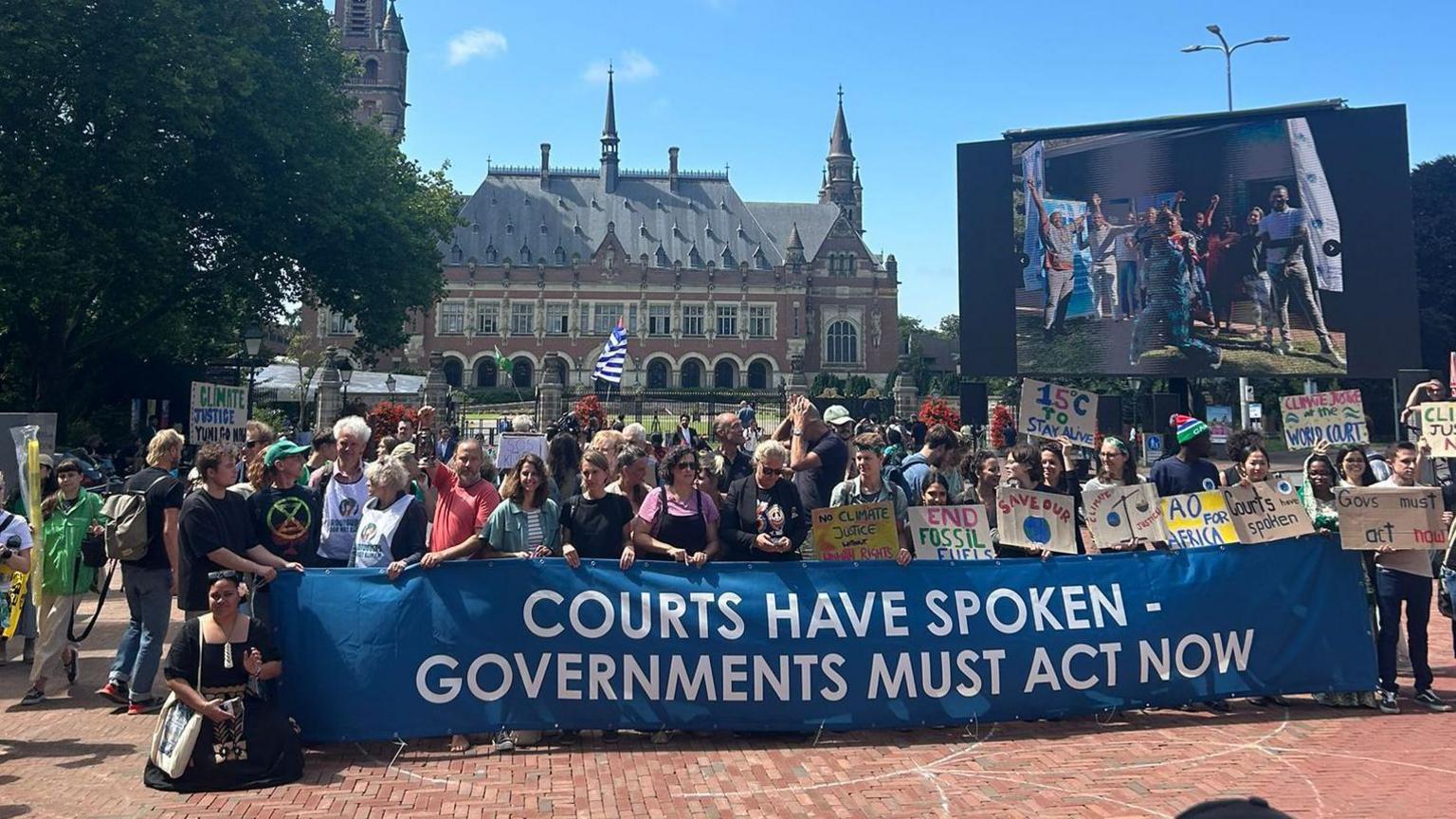
In a groundbreaking decision, the International Court of Justice (ICJ) has paved the way for countries to hold each other accountable for climate change impacts. The advisory opinion, delivered on Wednesday at the Peace Palace in The Hague, Netherlands, allows nations to pursue legal action over historic emissions and other climate-related damages. This ruling is particularly significant for vulnerable countries, such as those in the Pacific, which have long been on the frontlines of climate change.
A Landmark Decision for Climate Justice
The ICJ's opinion underscores the legal obligations of states to prevent harm to the climate system. Judge Yūji Iwasawa, presiding over the court, emphasized that failing to address fossil fuel emissions could constitute an international wrongful act, potentially leading to reparations. These reparations could include monetary compensation and efforts to restore damaged ecosystems.
The case was initiated by a group of law students from Pacific island nations, with Vanuatu playing a leading diplomatic role. Siosiua Veikune from Tonga expressed his excitement, stating, "This is a win we take proudly back home to our communities." Flora Vano from Vanuatu echoed this sentiment, highlighting the recognition of their suffering and resilience.
Implications for Global Climate Policy
Although the ICJ's opinion is advisory and non-binding, it carries significant weight in international law. Legal experts suggest it could influence national courts and inspire new climate litigation worldwide. The court's decision also challenges developed nations, which have argued that existing agreements like the Paris Agreement are sufficient.
Ralph Regenvanu, Vanuatu’s minister for climate change, hailed the ruling as a milestone for climate justice. He noted that it confirms the legal obligations of states to act on climate change, a point long advocated by vulnerable nations.
Responsibilities Beyond Borders
The ICJ's ruling extends beyond state actions, holding countries accountable for regulating private sector activities that contribute to climate change. This aspect of the decision could have far-reaching implications for industries reliant on fossil fuels.
The advisory opinion was requested by the UN following persistent advocacy from Pacific island nations and climate campaigners. Harj Narulla, a barrister involved in the case, highlighted the potential for successful lawsuits against major emitters, which could lead to significant reparations.
WHAT THIS MIGHT MEAN
The ICJ's advisory opinion could mark a turning point in international climate policy, potentially leading to a surge in climate litigation. Vulnerable nations may now have a stronger legal basis to seek reparations from major polluters, which could pressure developed countries to enhance their climate commitments. Additionally, the ruling may influence upcoming climate negotiations, encouraging more ambitious global efforts to curb greenhouse gas emissions. As countries navigate these legal and diplomatic challenges, the ICJ's decision could serve as a catalyst for more robust international cooperation on climate change.
Images from the Web

Related Articles

Trial Begins for 2003 Rape Case That Led to Notorious Miscarriage of Justice

US-Iran Tensions Escalate Amid Renewed Nuclear Talks and Protests

Russia-Ukraine Conflict: Four Years of Unyielding Struggle and Human Resilience

Palestinian-American Teen Killed by Israeli Settlers in West Bank Sparks Calls for Accountability

Sara Duterte Declares 2028 Presidential Bid Amid Political Turmoil

UK and Allies Accuse Russia of Killing Navalny with Dart Frog Toxin
UN Court Opens Door for Climate Change Lawsuits Among Nations
In This Article
 Leila Hassan| Published
 HIGHLIGHTS
- The International Court of Justice (ICJ) has issued a landmark advisory opinion allowing countries to sue each other over climate change impacts.
- The ruling emphasizes that states failing to curb fossil fuel emissions may face reparations, including monetary compensation and restitution.
- The decision is seen as a victory for vulnerable nations, particularly Pacific island states, advocating for climate justice.
- The ICJ's opinion, though non-binding, could influence future climate negotiations and inspire new lawsuits globally.
- The court highlighted that states are responsible for regulating private sector activities contributing to climate change.
In a groundbreaking decision, the International Court of Justice (ICJ) has paved the way for countries to hold each other accountable for climate change impacts. The advisory opinion, delivered on Wednesday at the Peace Palace in The Hague, Netherlands, allows nations to pursue legal action over historic emissions and other climate-related damages. This ruling is particularly significant for vulnerable countries, such as those in the Pacific, which have long been on the frontlines of climate change.
A Landmark Decision for Climate Justice
The ICJ's opinion underscores the legal obligations of states to prevent harm to the climate system. Judge Yūji Iwasawa, presiding over the court, emphasized that failing to address fossil fuel emissions could constitute an international wrongful act, potentially leading to reparations. These reparations could include monetary compensation and efforts to restore damaged ecosystems.
The case was initiated by a group of law students from Pacific island nations, with Vanuatu playing a leading diplomatic role. Siosiua Veikune from Tonga expressed his excitement, stating, "This is a win we take proudly back home to our communities." Flora Vano from Vanuatu echoed this sentiment, highlighting the recognition of their suffering and resilience.
Implications for Global Climate Policy
Although the ICJ's opinion is advisory and non-binding, it carries significant weight in international law. Legal experts suggest it could influence national courts and inspire new climate litigation worldwide. The court's decision also challenges developed nations, which have argued that existing agreements like the Paris Agreement are sufficient.
Ralph Regenvanu, Vanuatu’s minister for climate change, hailed the ruling as a milestone for climate justice. He noted that it confirms the legal obligations of states to act on climate change, a point long advocated by vulnerable nations.
Responsibilities Beyond Borders
The ICJ's ruling extends beyond state actions, holding countries accountable for regulating private sector activities that contribute to climate change. This aspect of the decision could have far-reaching implications for industries reliant on fossil fuels.
The advisory opinion was requested by the UN following persistent advocacy from Pacific island nations and climate campaigners. Harj Narulla, a barrister involved in the case, highlighted the potential for successful lawsuits against major emitters, which could lead to significant reparations.
WHAT THIS MIGHT MEAN
The ICJ's advisory opinion could mark a turning point in international climate policy, potentially leading to a surge in climate litigation. Vulnerable nations may now have a stronger legal basis to seek reparations from major polluters, which could pressure developed countries to enhance their climate commitments. Additionally, the ruling may influence upcoming climate negotiations, encouraging more ambitious global efforts to curb greenhouse gas emissions. As countries navigate these legal and diplomatic challenges, the ICJ's decision could serve as a catalyst for more robust international cooperation on climate change.
Images from the Web
Related Articles
Trial Begins for 2003 Rape Case That Led to Notorious Miscarriage of Justice
US-Iran Tensions Escalate Amid Renewed Nuclear Talks and Protests
Russia-Ukraine Conflict: Four Years of Unyielding Struggle and Human Resilience
Palestinian-American Teen Killed by Israeli Settlers in West Bank Sparks Calls for Accountability
Sara Duterte Declares 2028 Presidential Bid Amid Political Turmoil
UK and Allies Accuse Russia of Killing Navalny with Dart Frog Toxin