
United Airlines Resolves Major Flight Disruptions Due to Technology Glitch
In This Article
HIGHLIGHTS
- United Airlines halted flights across major US airports due to a technology issue, affecting over 1,000 flights.
- The issue was linked to United's Unimatic system, crucial for flight operations, but has since been resolved.
- The Federal Aviation Administration (FAA) confirmed the problem was specific to United and not related to air traffic control.
- United Airlines committed to compensating affected passengers for controllable delays, including hotel expenses.
- The incident follows a similar IT outage at Alaska Airlines, highlighting ongoing challenges in airline technology systems.
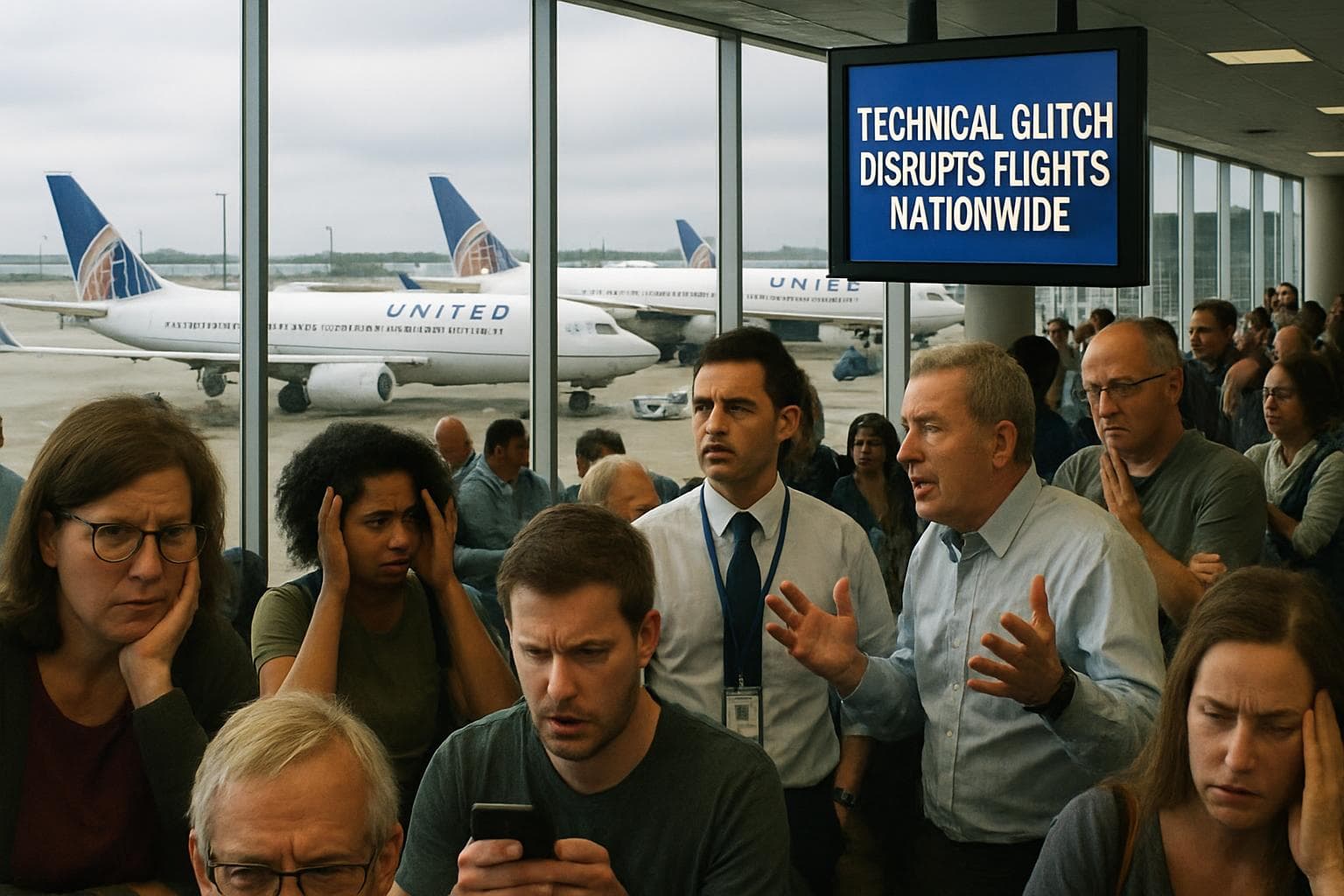
United Airlines faced significant disruptions across its US operations on Wednesday due to a technology issue that grounded flights at major airports, including Chicago, Denver, and Newark. The airline confirmed that the problem, which originated from its Unimatic system, has been resolved, though residual delays are expected as operations return to normal.
Technology Issue Grounds Flights
The Federal Aviation Administration (FAA) reported that United Airlines issued a ground stop for its mainline flights, affecting airports nationwide. The Unimatic system, integral to United's flight operations, encountered issues that impacted systems calculating weight, balance, and flight times. "Safety is our top priority, and we'll work with our customers to get them to their destinations," United stated, emphasizing their commitment to resolving the issue swiftly.
Impact on Passengers and Operations
As of Wednesday evening, flight tracking site FlightAware recorded over 1,000 United flights delayed, accounting for 34% of the airline's operations that day. While flights already airborne continued to their destinations, regional flights experienced delays due to congestion from the ground stops. United Airlines assured passengers that it would cover expenses such as hotel accommodations for controllable delays.
Broader Context and Comparisons
This incident comes shortly after Alaska Airlines faced a similar IT outage, grounding its fleet due to a system failure. The US Transportation Secretary, Sean Duffy, clarified that United's issue was isolated and unrelated to the broader air traffic control system. These events underscore the challenges airlines face in maintaining robust technology systems critical to their operations.
WHAT THIS MIGHT MEAN
Moving forward, United Airlines will likely conduct a thorough review of its technology infrastructure to prevent future disruptions. The incident may prompt other airlines to reassess their systems to avoid similar issues. Experts suggest that airlines invest in more resilient IT solutions to enhance operational reliability. Additionally, regulatory bodies like the FAA may increase scrutiny on airlines' technology systems to ensure passenger safety and minimize travel disruptions.
Related Articles
El Paso Airspace Closure Sparks Confusion Amid Drone Concerns

Violence Erupts Across Mexico Following Death of Drug Lord El Mencho
US Homeland Security Shutdown Sparks Concerns Over Travel Delays and Immigration Reforms

Suspected Mountain Lion Attack Claims Life of Hiker in Colorado

Trump Withdraws National Guard Troops Following Supreme Court Ruling

Tragic Helicopter Collision in New Jersey Leaves One Dead, One Critically Injured
United Airlines Resolves Major Flight Disruptions Due to Technology Glitch
In This Article
 Ethan Brooks| Published
 HIGHLIGHTS
- United Airlines halted flights across major US airports due to a technology issue, affecting over 1,000 flights.
- The issue was linked to United's Unimatic system, crucial for flight operations, but has since been resolved.
- The Federal Aviation Administration (FAA) confirmed the problem was specific to United and not related to air traffic control.
- United Airlines committed to compensating affected passengers for controllable delays, including hotel expenses.
- The incident follows a similar IT outage at Alaska Airlines, highlighting ongoing challenges in airline technology systems.
United Airlines faced significant disruptions across its US operations on Wednesday due to a technology issue that grounded flights at major airports, including Chicago, Denver, and Newark. The airline confirmed that the problem, which originated from its Unimatic system, has been resolved, though residual delays are expected as operations return to normal.
Technology Issue Grounds Flights
The Federal Aviation Administration (FAA) reported that United Airlines issued a ground stop for its mainline flights, affecting airports nationwide. The Unimatic system, integral to United's flight operations, encountered issues that impacted systems calculating weight, balance, and flight times. "Safety is our top priority, and we'll work with our customers to get them to their destinations," United stated, emphasizing their commitment to resolving the issue swiftly.
Impact on Passengers and Operations
As of Wednesday evening, flight tracking site FlightAware recorded over 1,000 United flights delayed, accounting for 34% of the airline's operations that day. While flights already airborne continued to their destinations, regional flights experienced delays due to congestion from the ground stops. United Airlines assured passengers that it would cover expenses such as hotel accommodations for controllable delays.
Broader Context and Comparisons
This incident comes shortly after Alaska Airlines faced a similar IT outage, grounding its fleet due to a system failure. The US Transportation Secretary, Sean Duffy, clarified that United's issue was isolated and unrelated to the broader air traffic control system. These events underscore the challenges airlines face in maintaining robust technology systems critical to their operations.
WHAT THIS MIGHT MEAN
Moving forward, United Airlines will likely conduct a thorough review of its technology infrastructure to prevent future disruptions. The incident may prompt other airlines to reassess their systems to avoid similar issues. Experts suggest that airlines invest in more resilient IT solutions to enhance operational reliability. Additionally, regulatory bodies like the FAA may increase scrutiny on airlines' technology systems to ensure passenger safety and minimize travel disruptions.
Related Articles
El Paso Airspace Closure Sparks Confusion Amid Drone Concerns
Violence Erupts Across Mexico Following Death of Drug Lord El Mencho
US Homeland Security Shutdown Sparks Concerns Over Travel Delays and Immigration Reforms
Suspected Mountain Lion Attack Claims Life of Hiker in Colorado
Trump Withdraws National Guard Troops Following Supreme Court Ruling
Tragic Helicopter Collision in New Jersey Leaves One Dead, One Critically Injured