
Trump Withdraws National Guard Troops Following Supreme Court Ruling
In This Article
HIGHLIGHTS
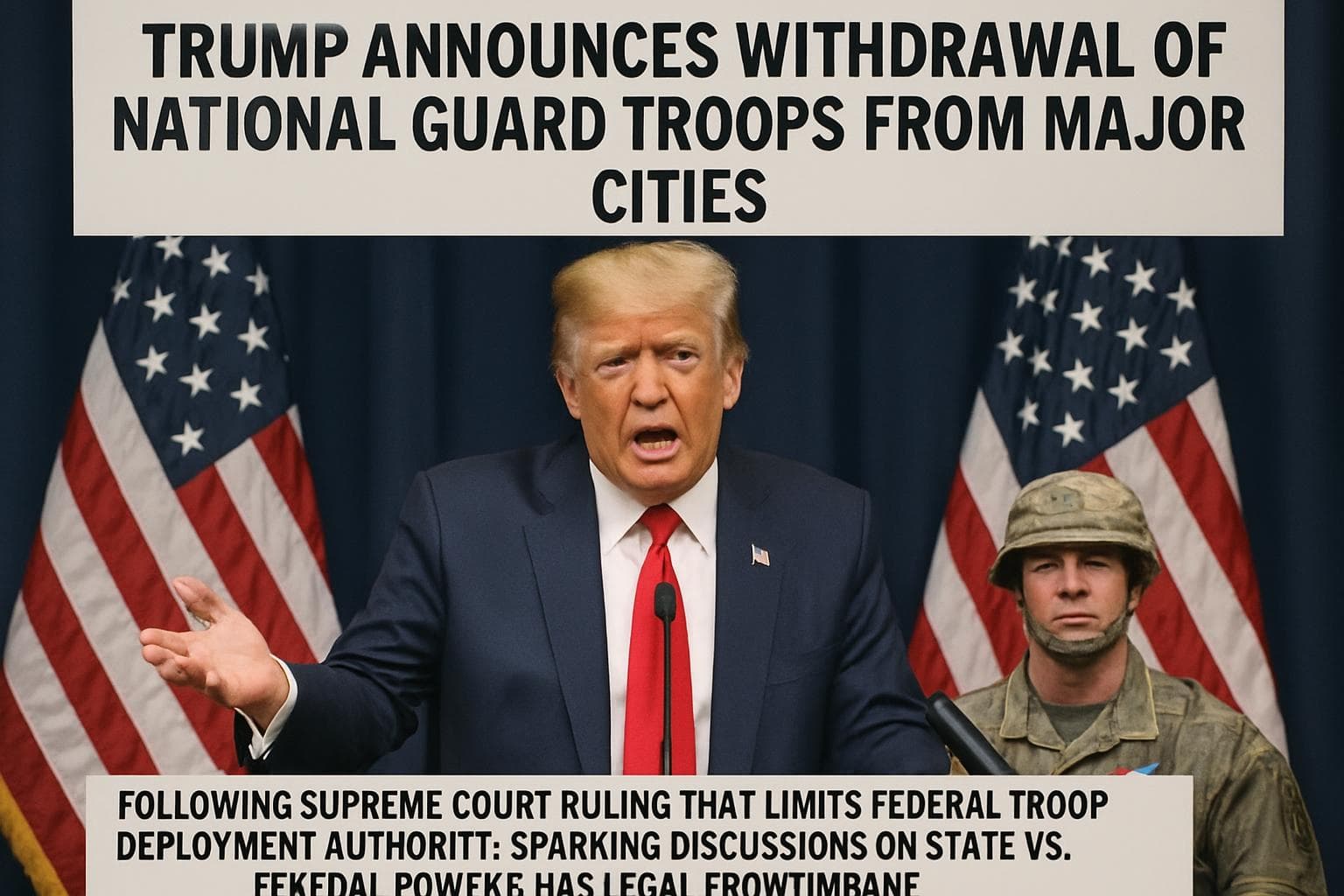
- President Trump announced the withdrawal of National Guard troops from cities like Chicago and Los Angeles following a Supreme Court ruling.
- The Supreme Court ruled that Trump lacked authority to deploy troops for domestic law enforcement in Chicago.
- Legal challenges have been ongoing, with California Governor Gavin Newsom and Chicago Mayor Brandon Johnson opposing the deployments.
- Trump claims the troop presence reduced crime, but critics argue it was an overreach of power.
- The Justice Department has ceased contesting a California court ruling returning troop control to state authority.
In a significant policy reversal, former President Donald Trump has announced the withdrawal of National Guard troops from several major U.S. cities, including Chicago, Los Angeles, and Portland. This decision follows a Supreme Court ruling that curtailed his authority to deploy federal troops for domestic law enforcement purposes.
Supreme Court Ruling and Legal Challenges
The Supreme Court's decision last week in Trump v. Illinois marked a pivotal moment, ruling that the president did not have the authority to send National Guard troops into Chicago for policing duties. This ruling came amid a series of legal challenges from Democratic leaders who argued that the deployments were an overreach of federal power. California Governor Gavin Newsom and Chicago Mayor Brandon Johnson have been vocal opponents, with Newsom describing the withdrawal as a victory against what he termed "illegal intimidation tactics."
Trump's Response and Justification
Despite the legal setbacks, Trump maintained that the presence of federal troops had significantly reduced crime in these cities. On his Truth Social platform, he insisted that the withdrawal was temporary and hinted at a potential redeployment if crime rates rise. "We will come back, perhaps in a much different and stronger form, when crime begins to soar again," he wrote.
State Authority and Political Implications
The Justice Department's decision to stop contesting a California court ruling, which returned control of the National Guard to state authorities, underscores the legal and political complexities surrounding federal troop deployments. Governor Newsom has already directed California National Guard leaders to bring state service members home, emphasizing the importance of state authority over such deployments.
The initial deployment of National Guard troops was ordered by Trump in response to protests against Immigration and Customs Enforcement (ICE) operations. However, the move faced immediate legal challenges, with critics accusing Trump of exceeding his presidential powers.
WHAT THIS MIGHT MEAN
The withdrawal of National Guard troops from these cities could have several implications. Legally, it reinforces the precedent that the federal government cannot unilaterally deploy troops for domestic law enforcement without state consent. Politically, it highlights the ongoing tensions between federal and state authorities, particularly in Democratic-run cities.
Looking ahead, any future attempts to deploy federal troops for similar purposes will likely face heightened scrutiny and legal challenges. Experts suggest that this development could influence future administrations' approaches to federal troop deployments, emphasizing the need for clear legal frameworks and cooperation with state governments.
Related Articles

Greenland Politely Declines Trump's Hospital Ship Offer Amid Healthcare Debate
Senate Blocks Resolution to Limit Trump's Military Actions in Iran
Spain's Sánchez Stands Firm Against Trump's Trade Threat Over Iran Stance
Trump's New Tariff Strategy Sparks Global Trade Uncertainty
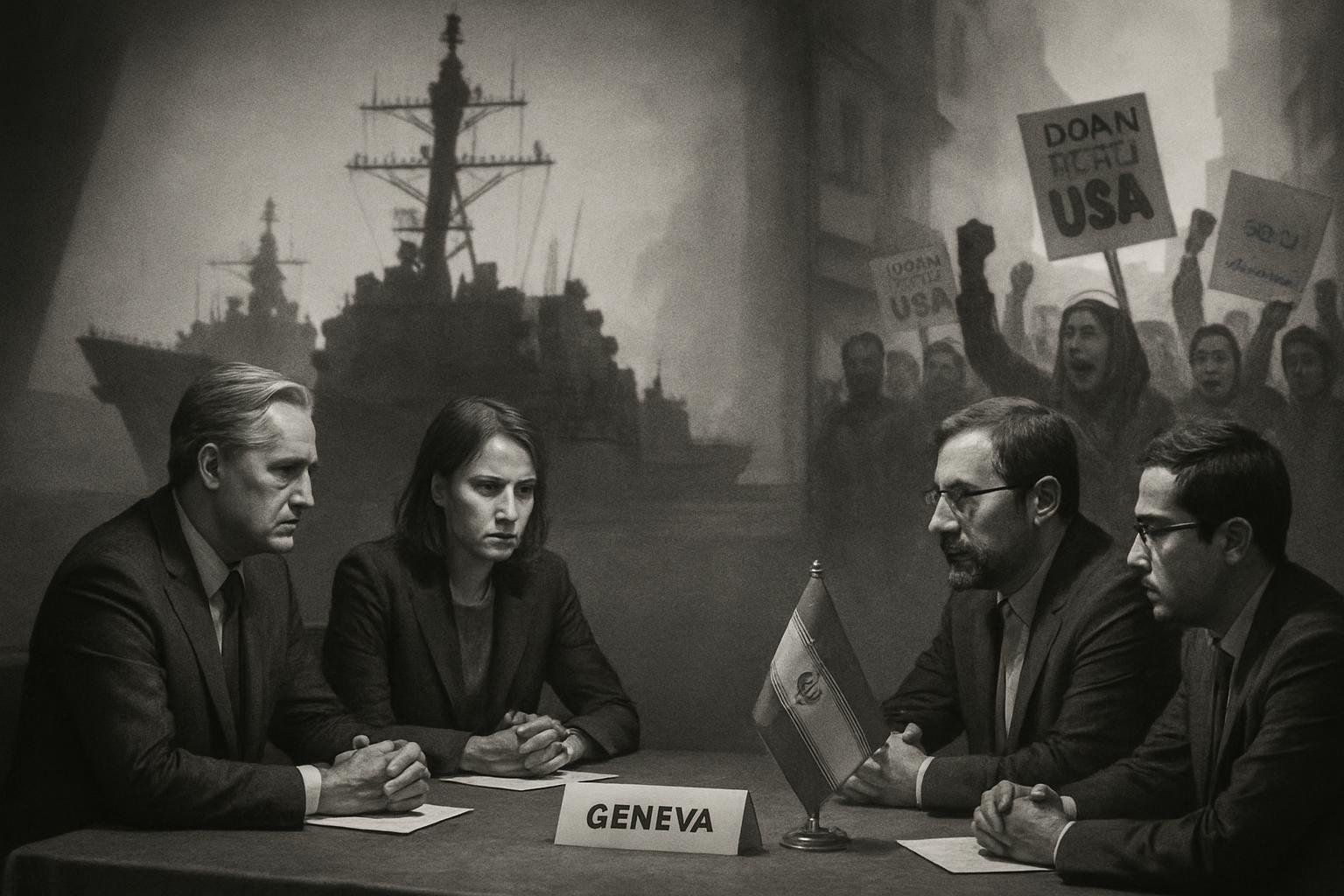
US-Iran Tensions Escalate Amid Renewed Nuclear Talks and Protests
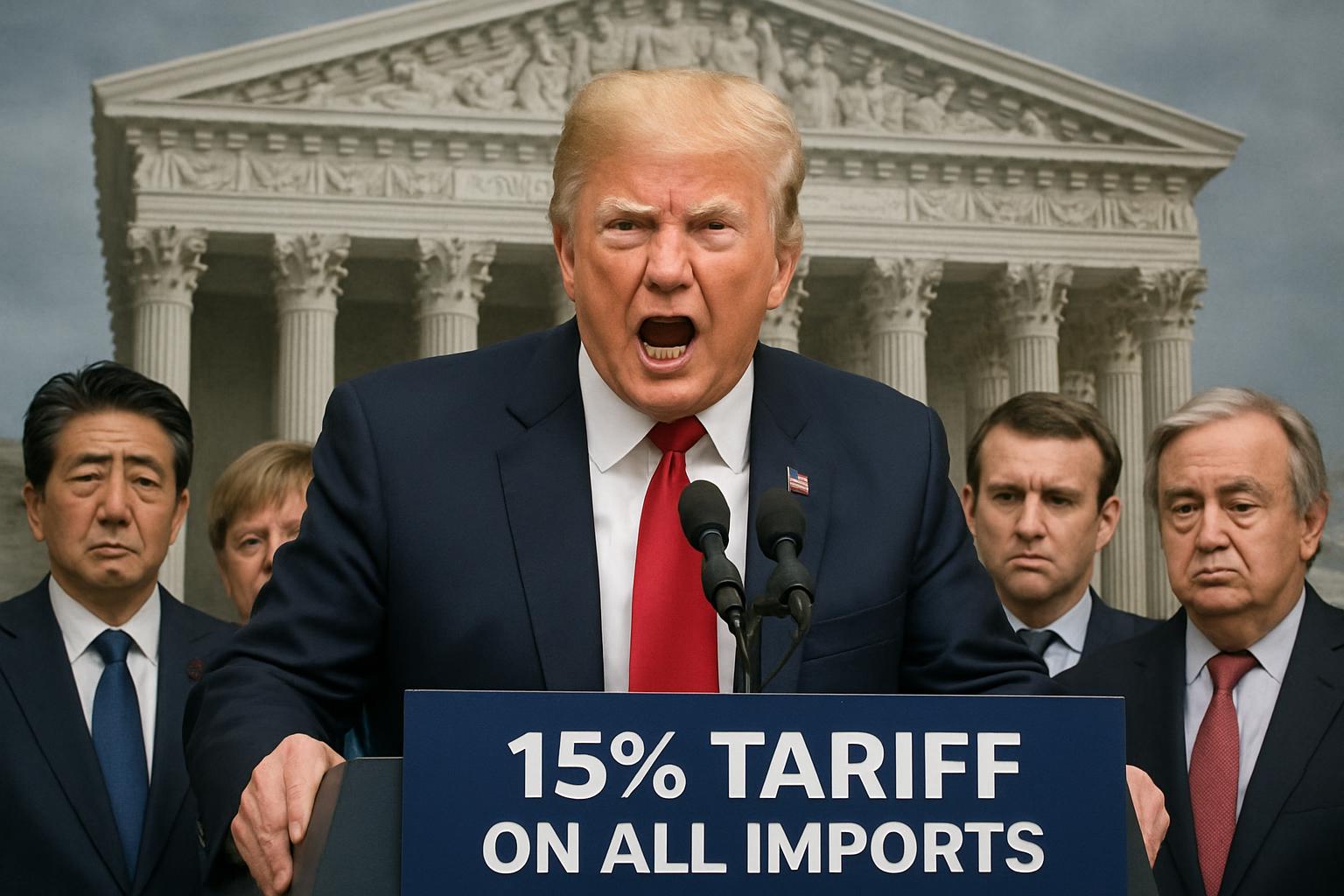
Trump Raises Import Tariffs to 15% After Supreme Court Setback
Trump Withdraws National Guard Troops Following Supreme Court Ruling
In This Article
 Ethan Brooks| Published
 HIGHLIGHTS
- President Trump announced the withdrawal of National Guard troops from cities like Chicago and Los Angeles following a Supreme Court ruling.
- The Supreme Court ruled that Trump lacked authority to deploy troops for domestic law enforcement in Chicago.
- Legal challenges have been ongoing, with California Governor Gavin Newsom and Chicago Mayor Brandon Johnson opposing the deployments.
- Trump claims the troop presence reduced crime, but critics argue it was an overreach of power.
- The Justice Department has ceased contesting a California court ruling returning troop control to state authority.
In a significant policy reversal, former President Donald Trump has announced the withdrawal of National Guard troops from several major U.S. cities, including Chicago, Los Angeles, and Portland. This decision follows a Supreme Court ruling that curtailed his authority to deploy federal troops for domestic law enforcement purposes.
Supreme Court Ruling and Legal Challenges
The Supreme Court's decision last week in Trump v. Illinois marked a pivotal moment, ruling that the president did not have the authority to send National Guard troops into Chicago for policing duties. This ruling came amid a series of legal challenges from Democratic leaders who argued that the deployments were an overreach of federal power. California Governor Gavin Newsom and Chicago Mayor Brandon Johnson have been vocal opponents, with Newsom describing the withdrawal as a victory against what he termed "illegal intimidation tactics."
Trump's Response and Justification
Despite the legal setbacks, Trump maintained that the presence of federal troops had significantly reduced crime in these cities. On his Truth Social platform, he insisted that the withdrawal was temporary and hinted at a potential redeployment if crime rates rise. "We will come back, perhaps in a much different and stronger form, when crime begins to soar again," he wrote.
State Authority and Political Implications
The Justice Department's decision to stop contesting a California court ruling, which returned control of the National Guard to state authorities, underscores the legal and political complexities surrounding federal troop deployments. Governor Newsom has already directed California National Guard leaders to bring state service members home, emphasizing the importance of state authority over such deployments.
The initial deployment of National Guard troops was ordered by Trump in response to protests against Immigration and Customs Enforcement (ICE) operations. However, the move faced immediate legal challenges, with critics accusing Trump of exceeding his presidential powers.
WHAT THIS MIGHT MEAN
The withdrawal of National Guard troops from these cities could have several implications. Legally, it reinforces the precedent that the federal government cannot unilaterally deploy troops for domestic law enforcement without state consent. Politically, it highlights the ongoing tensions between federal and state authorities, particularly in Democratic-run cities.
Looking ahead, any future attempts to deploy federal troops for similar purposes will likely face heightened scrutiny and legal challenges. Experts suggest that this development could influence future administrations' approaches to federal troop deployments, emphasizing the need for clear legal frameworks and cooperation with state governments.
Related Articles
Greenland Politely Declines Trump's Hospital Ship Offer Amid Healthcare Debate
Senate Blocks Resolution to Limit Trump's Military Actions in Iran
Spain's Sánchez Stands Firm Against Trump's Trade Threat Over Iran Stance
Trump's New Tariff Strategy Sparks Global Trade Uncertainty
US-Iran Tensions Escalate Amid Renewed Nuclear Talks and Protests
Trump Raises Import Tariffs to 15% After Supreme Court Setback