
US Military Operation Captures Venezuelan President Nicolás Maduro Amidst Global Outcry
In This Article
HIGHLIGHTS
- Nicolás Maduro and his wife were captured by US forces in a large-scale military operation in Venezuela, sparking international controversy.
- The US accuses Maduro of running a corrupt government involved in drug trafficking, with charges filed in New York.
- The operation, involving over 150 aircraft, has been criticized as a violation of international law and a return to US imperialism.
- Trump announced plans for the US to temporarily control Venezuela, citing national security and oil interests.
- The Venezuelan government and several international leaders have condemned the US action, calling it an act of aggression.
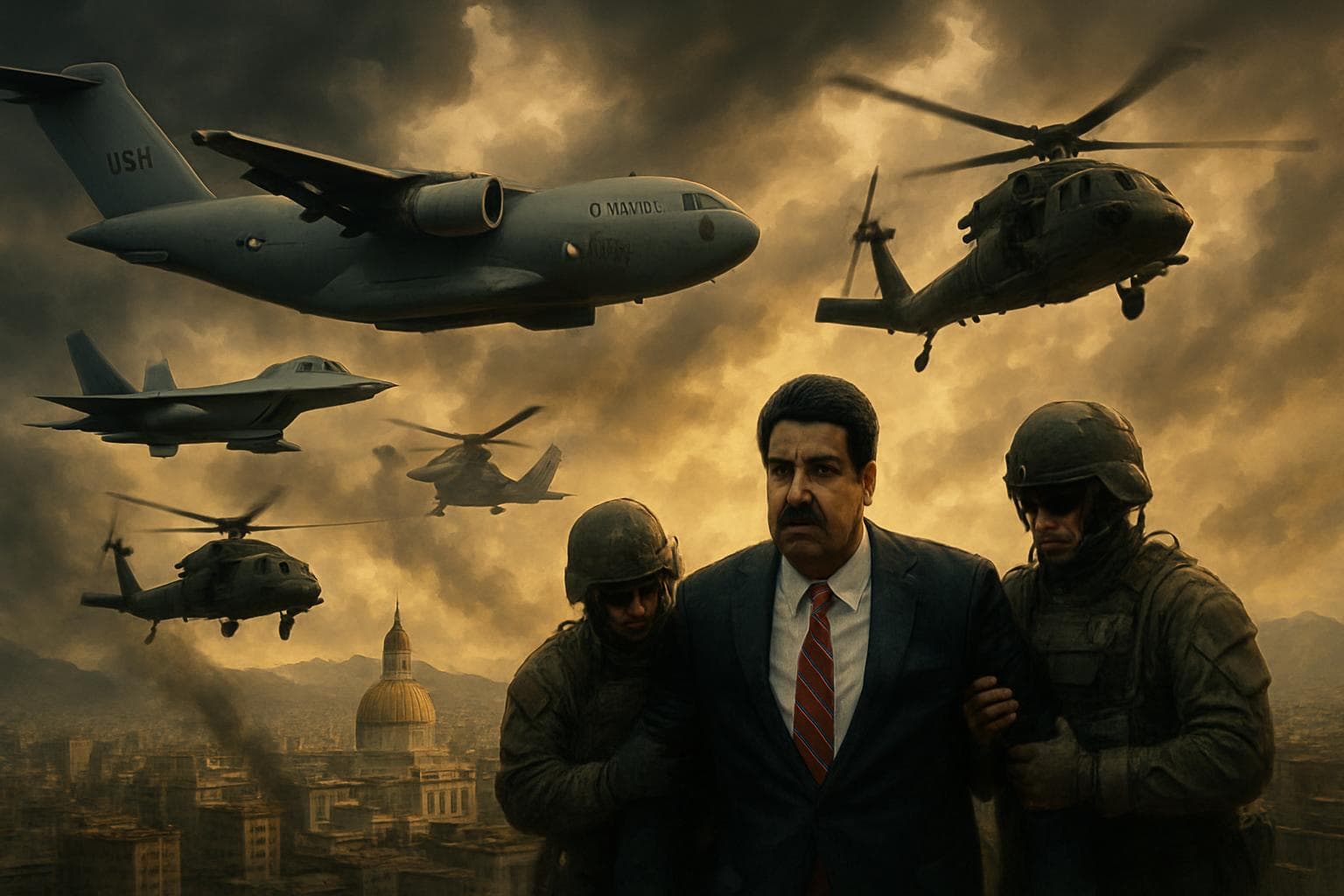
In a dramatic military operation, US forces captured Venezuelan President Nicolás Maduro and his wife, Cilia Flores, on Saturday, escalating tensions between the two nations. The operation, involving over 150 aircraft, took place in Caracas, where explosions and military helicopters were reported. President Donald Trump confirmed the capture, stating that Maduro would face charges related to drug trafficking and weapons offenses in New York.
Operation Details and International Reactions
The US military's elite Delta Force executed the operation, which has been described as one of the most significant US military interventions in South America. Trump, speaking from his Mar-a-Lago resort, declared the operation a success, likening it to historical military campaigns. However, the Venezuelan government, along with countries like Cuba and Colombia, condemned the action as a blatant violation of Venezuelan sovereignty and international law.
Legal Charges and US Intentions
The US Justice Department unsealed an indictment against Maduro, accusing him of leading a government fueled by drug trafficking. The charges include narco-terrorism conspiracy and cocaine importation. Trump announced that the US would temporarily administer Venezuela, emphasizing the need to safeguard Venezuelan oil reserves and ensure a stable transition of power.
Historical Context and Criticism
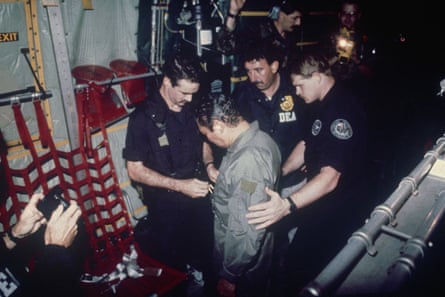
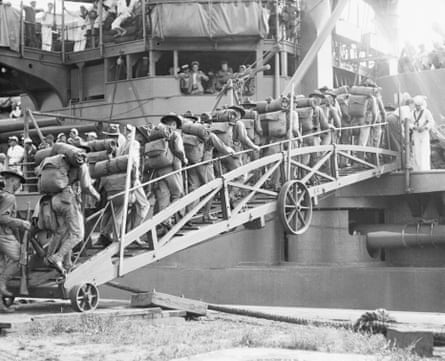
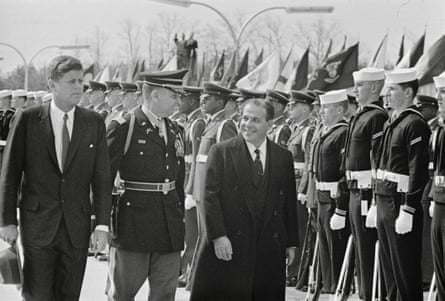
The operation has drawn parallels to past US interventions in Latin America, with critics labeling it as "naked imperialism." The Guardian highlighted the operation as a continuation of the US's historical pattern of military interventions in the region. Despite the operation's success, concerns about the implications for international law and regional stability persist.
WHAT THIS MIGHT MEAN
The capture of Nicolás Maduro marks a pivotal moment in US-Venezuela relations, with potential long-term implications for both countries. Legally, the US faces the challenge of securing a conviction against Maduro in a high-profile trial that will be closely watched by the international community. Politically, the operation may strain US relations with Latin American countries, potentially leading to increased regional instability.
Experts warn that the US's decision to temporarily control Venezuela could set a precedent for future interventions, raising questions about the balance between national security interests and respect for international sovereignty. As the situation unfolds, the global community will be watching closely to see how the US navigates the complex legal and diplomatic challenges ahead.
Images from the Web
Related Articles
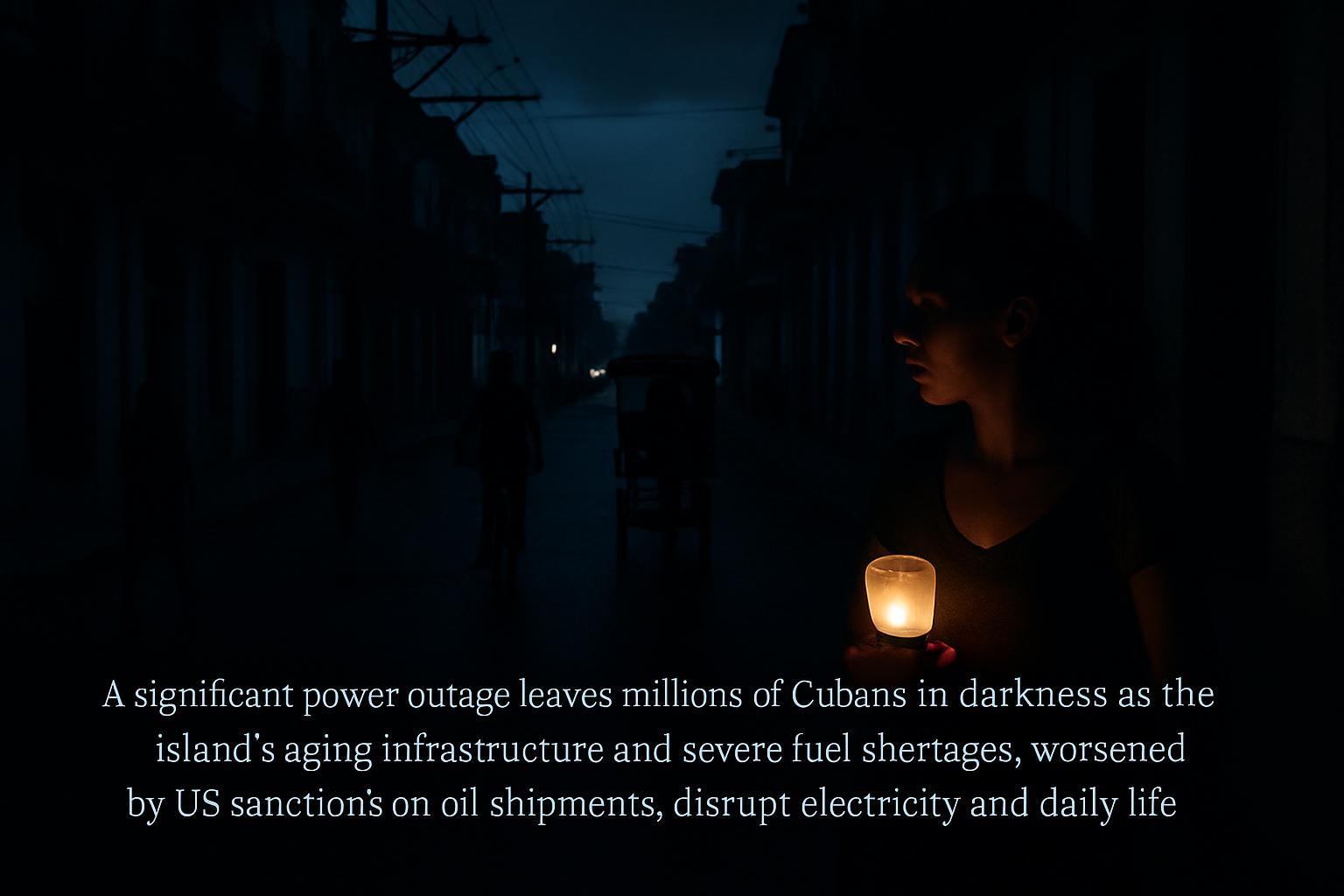
Cuba Faces Widespread Blackout Amid Deepening Fuel Crisis
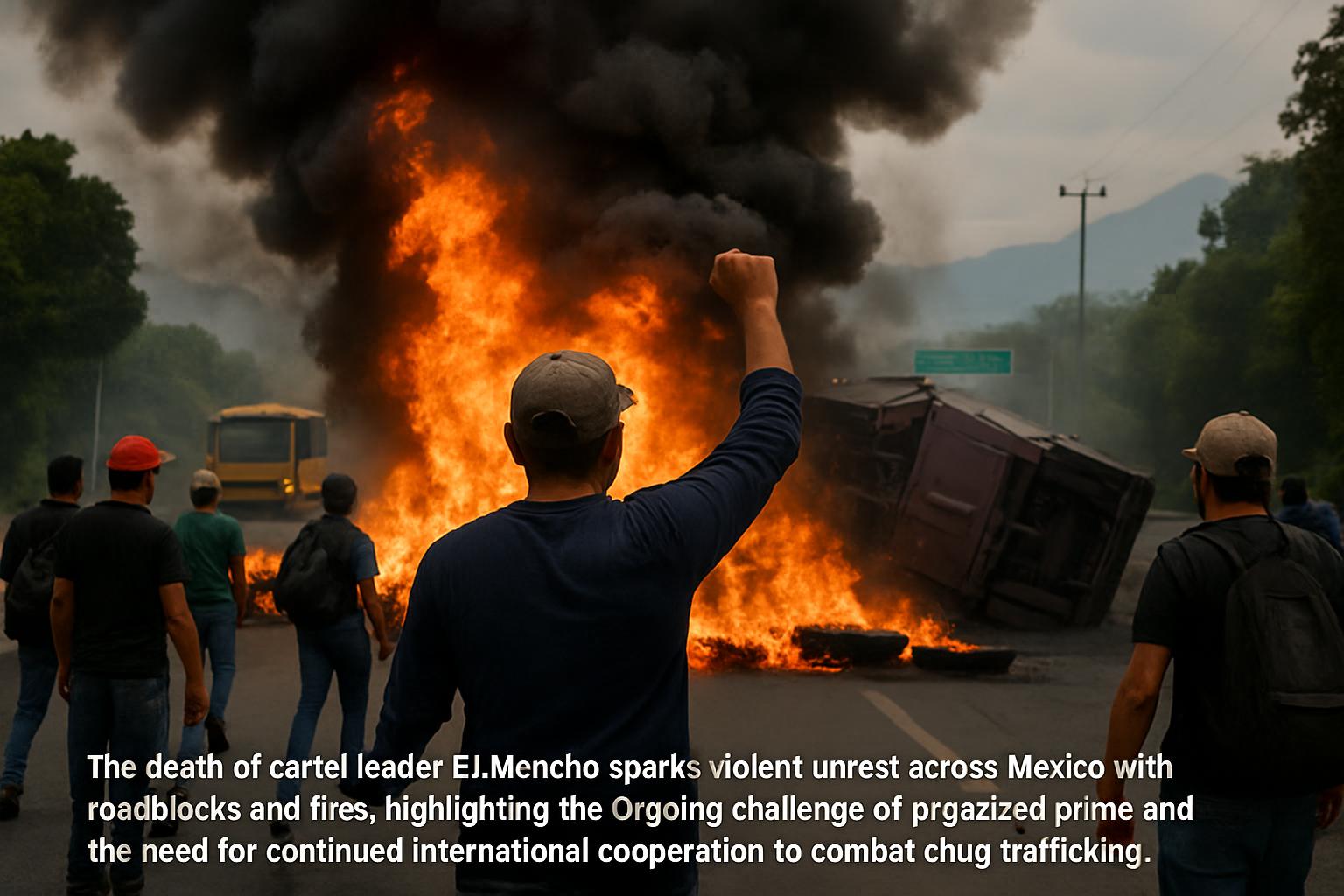
El Mencho's Death Sparks Violent Unrest Across Mexico

UK Faces Dilemmas Amid Iran Conflict and China Spying Allegations
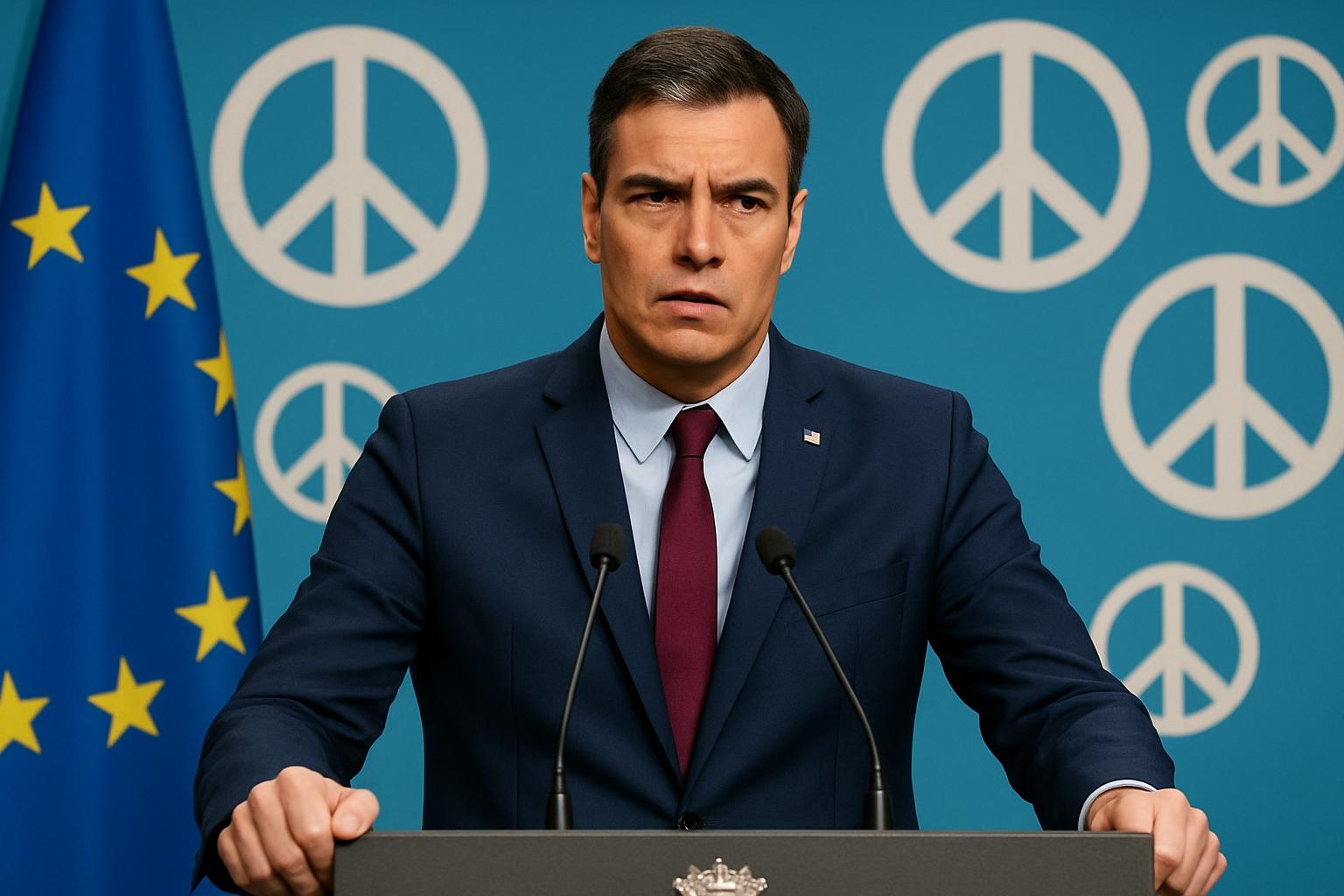
Spain's Sánchez Stands Firm Against Trump's Trade Threat Over Iran Stance
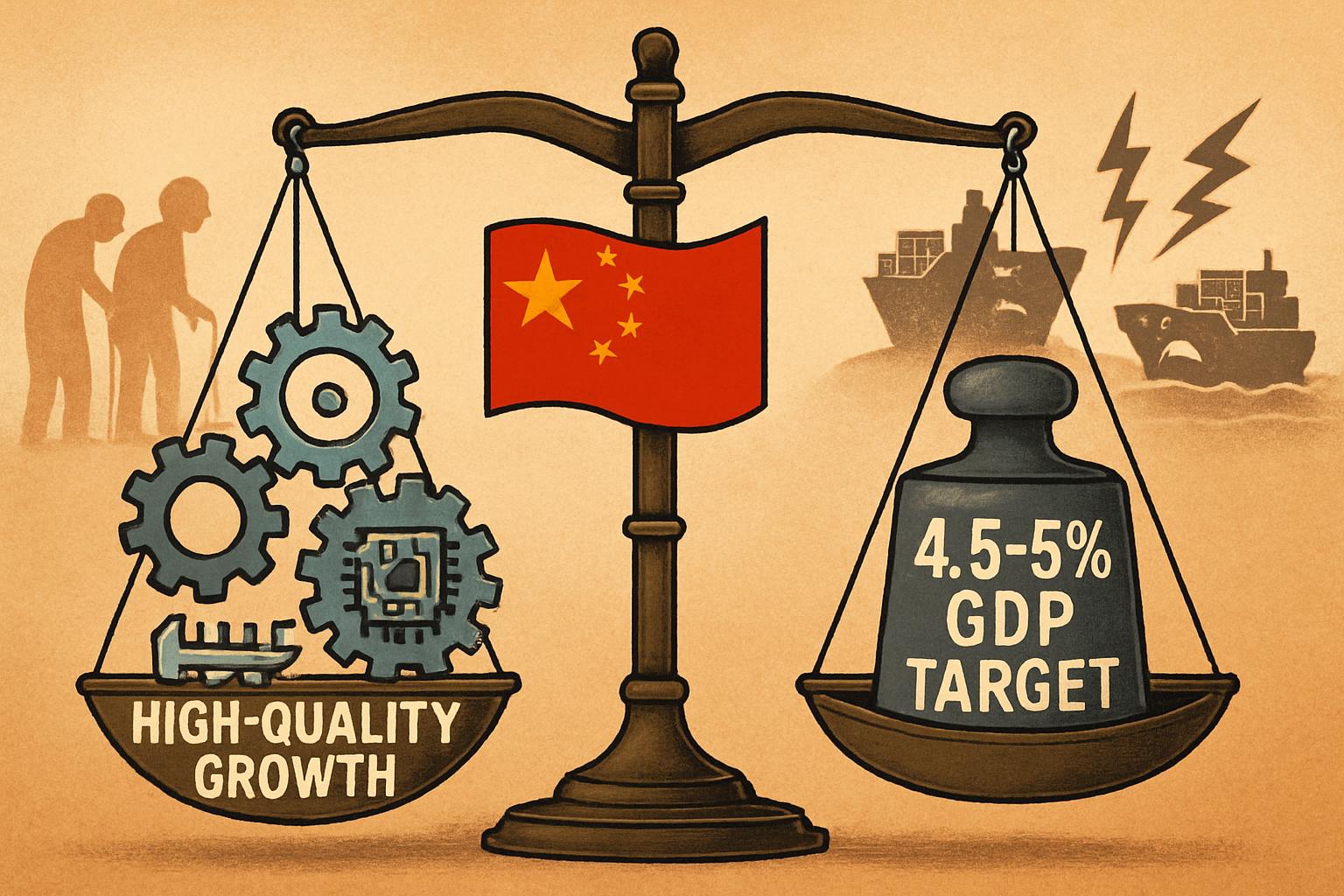
China Sets Lowest GDP Growth Target in Decades Amid Economic Challenges

Tech Giants Pledge to Cover AI Data Center Energy Costs Amid Rising Electricity Concerns
US Military Operation Captures Venezuelan President Nicolás Maduro Amidst Global Outcry
In This Article
HIGHLIGHTS
- Nicolás Maduro and his wife were captured by US forces in a large-scale military operation in Venezuela, sparking international controversy.
- The US accuses Maduro of running a corrupt government involved in drug trafficking, with charges filed in New York.
- The operation, involving over 150 aircraft, has been criticized as a violation of international law and a return to US imperialism.
- Trump announced plans for the US to temporarily control Venezuela, citing national security and oil interests.
- The Venezuelan government and several international leaders have condemned the US action, calling it an act of aggression.
In a dramatic military operation, US forces captured Venezuelan President Nicolás Maduro and his wife, Cilia Flores, on Saturday, escalating tensions between the two nations. The operation, involving over 150 aircraft, took place in Caracas, where explosions and military helicopters were reported. President Donald Trump confirmed the capture, stating that Maduro would face charges related to drug trafficking and weapons offenses in New York.
Operation Details and International Reactions
The US military's elite Delta Force executed the operation, which has been described as one of the most significant US military interventions in South America. Trump, speaking from his Mar-a-Lago resort, declared the operation a success, likening it to historical military campaigns. However, the Venezuelan government, along with countries like Cuba and Colombia, condemned the action as a blatant violation of Venezuelan sovereignty and international law.
Legal Charges and US Intentions
The US Justice Department unsealed an indictment against Maduro, accusing him of leading a government fueled by drug trafficking. The charges include narco-terrorism conspiracy and cocaine importation. Trump announced that the US would temporarily administer Venezuela, emphasizing the need to safeguard Venezuelan oil reserves and ensure a stable transition of power.
Historical Context and Criticism
The operation has drawn parallels to past US interventions in Latin America, with critics labeling it as "naked imperialism." The Guardian highlighted the operation as a continuation of the US's historical pattern of military interventions in the region. Despite the operation's success, concerns about the implications for international law and regional stability persist.
WHAT THIS MIGHT MEAN
The capture of Nicolás Maduro marks a pivotal moment in US-Venezuela relations, with potential long-term implications for both countries. Legally, the US faces the challenge of securing a conviction against Maduro in a high-profile trial that will be closely watched by the international community. Politically, the operation may strain US relations with Latin American countries, potentially leading to increased regional instability.
Experts warn that the US's decision to temporarily control Venezuela could set a precedent for future interventions, raising questions about the balance between national security interests and respect for international sovereignty. As the situation unfolds, the global community will be watching closely to see how the US navigates the complex legal and diplomatic challenges ahead.
Images from the Web
Related Articles
Cuba Faces Widespread Blackout Amid Deepening Fuel Crisis
El Mencho's Death Sparks Violent Unrest Across Mexico
UK Faces Dilemmas Amid Iran Conflict and China Spying Allegations
Spain's Sánchez Stands Firm Against Trump's Trade Threat Over Iran Stance
China Sets Lowest GDP Growth Target in Decades Amid Economic Challenges
Tech Giants Pledge to Cover AI Data Center Energy Costs Amid Rising Electricity Concerns