
US Courts Deliver Mixed Rulings on Trump's Immigration and National Guard Policies
In This Article
HIGHLIGHTS
- A US appeals court ruled that President Trump can maintain control over the National Guard in Los Angeles, despite local opposition.
- The court's decision allows the continued deployment of around 4,000 troops to protect federal agents and property amid immigration raids.
- A federal judge blocked Trump's plan to tie transportation funds to state cooperation with immigration enforcement, siding with 20 Democratic-led states.
- The states argued that the policy unlawfully coerced them into supporting Trump's immigration agenda by threatening federal funding.
- The Trump administration's actions have sparked legal challenges over the balance of federal and state powers regarding immigration enforcement.
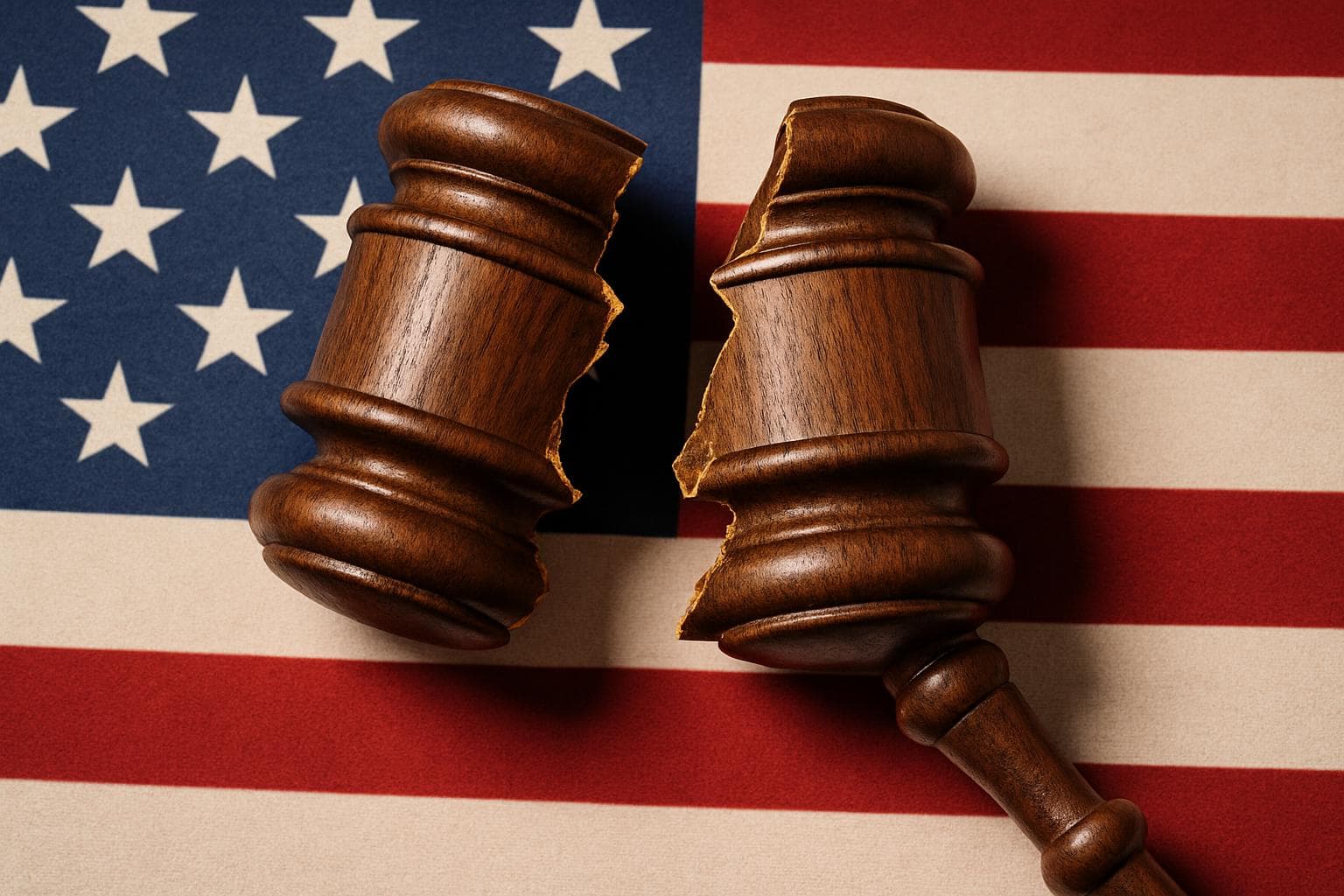
In a series of significant legal decisions, US courts have delivered mixed rulings on President Donald Trump's controversial immigration and National Guard policies. A US appeals court has upheld Trump's authority to deploy the National Guard in Los Angeles, while a federal judge blocked his administration's attempt to condition transportation funding on state cooperation with immigration enforcement.
National Guard Deployment in Los Angeles
The appeals court's decision allows President Trump to continue controlling the deployment of approximately 4,000 National Guard troops in Los Angeles. This move, initially challenged by California Governor Gavin Newsom and local officials, was intended to protect federal personnel and property during immigration raids. Despite objections, the court ruled that Trump's actions were within his legal rights, although it acknowledged that his decision is not entirely beyond judicial review. Governor Newsom criticized the ruling, emphasizing that Trump's use of military force against citizens should not go unchecked.
Transportation Funds and Immigration Enforcement
In a separate case, Chief US District Judge John McConnell blocked the Trump administration's policy of tying transportation grant funding to state cooperation with federal immigration enforcement. The ruling came after 20 Democratic-led states argued that the policy unlawfully coerced them into supporting Trump's immigration agenda. The states contended that the US transportation secretary lacked the authority to impose such conditions on funding meant for infrastructure projects. The court sided with the states, granting an injunction against the policy and highlighting the ongoing legal battles over federal and state powers.
Legal and Political Implications
These rulings underscore the contentious legal landscape surrounding Trump's immigration policies. While the appeals court's decision supports Trump's authority over the National Guard, the federal judge's ruling against the transportation funding policy reflects the judiciary's role in checking executive power. The Trump administration's actions have sparked widespread debate over the balance of federal and state authority, particularly in the context of immigration enforcement.
WHAT THIS MIGHT MEAN
The recent court decisions highlight the ongoing tension between federal authority and state rights, particularly in the realm of immigration enforcement. As legal challenges continue, the outcomes could set significant precedents for the balance of power between state and federal governments. Experts suggest that these cases may eventually reach the Supreme Court, where broader implications for federalism and executive power could be addressed. Meanwhile, states opposing Trump's policies may seek further legal avenues to protect their autonomy and challenge federal overreach.
Related Articles
Senate Blocks Resolution to Limit Trump's Military Actions in Iran

Spain's Sánchez Stands Firm Against Trump's Trade Threat Over Iran Stance
Trump's New Tariff Strategy Sparks Global Trade Uncertainty

US-Iran Tensions Escalate Amid Renewed Nuclear Talks and Protests

Greenland Politely Declines Trump's Hospital Ship Offer Amid Healthcare Debate
Trump Raises Import Tariffs to 15% After Supreme Court Setback
US Courts Deliver Mixed Rulings on Trump's Immigration and National Guard Policies
In This Article
 Ethan Brooks| Published
 HIGHLIGHTS
- A US appeals court ruled that President Trump can maintain control over the National Guard in Los Angeles, despite local opposition.
- The court's decision allows the continued deployment of around 4,000 troops to protect federal agents and property amid immigration raids.
- A federal judge blocked Trump's plan to tie transportation funds to state cooperation with immigration enforcement, siding with 20 Democratic-led states.
- The states argued that the policy unlawfully coerced them into supporting Trump's immigration agenda by threatening federal funding.
- The Trump administration's actions have sparked legal challenges over the balance of federal and state powers regarding immigration enforcement.
In a series of significant legal decisions, US courts have delivered mixed rulings on President Donald Trump's controversial immigration and National Guard policies. A US appeals court has upheld Trump's authority to deploy the National Guard in Los Angeles, while a federal judge blocked his administration's attempt to condition transportation funding on state cooperation with immigration enforcement.
National Guard Deployment in Los Angeles
The appeals court's decision allows President Trump to continue controlling the deployment of approximately 4,000 National Guard troops in Los Angeles. This move, initially challenged by California Governor Gavin Newsom and local officials, was intended to protect federal personnel and property during immigration raids. Despite objections, the court ruled that Trump's actions were within his legal rights, although it acknowledged that his decision is not entirely beyond judicial review. Governor Newsom criticized the ruling, emphasizing that Trump's use of military force against citizens should not go unchecked.
Transportation Funds and Immigration Enforcement
In a separate case, Chief US District Judge John McConnell blocked the Trump administration's policy of tying transportation grant funding to state cooperation with federal immigration enforcement. The ruling came after 20 Democratic-led states argued that the policy unlawfully coerced them into supporting Trump's immigration agenda. The states contended that the US transportation secretary lacked the authority to impose such conditions on funding meant for infrastructure projects. The court sided with the states, granting an injunction against the policy and highlighting the ongoing legal battles over federal and state powers.
Legal and Political Implications
These rulings underscore the contentious legal landscape surrounding Trump's immigration policies. While the appeals court's decision supports Trump's authority over the National Guard, the federal judge's ruling against the transportation funding policy reflects the judiciary's role in checking executive power. The Trump administration's actions have sparked widespread debate over the balance of federal and state authority, particularly in the context of immigration enforcement.
WHAT THIS MIGHT MEAN
The recent court decisions highlight the ongoing tension between federal authority and state rights, particularly in the realm of immigration enforcement. As legal challenges continue, the outcomes could set significant precedents for the balance of power between state and federal governments. Experts suggest that these cases may eventually reach the Supreme Court, where broader implications for federalism and executive power could be addressed. Meanwhile, states opposing Trump's policies may seek further legal avenues to protect their autonomy and challenge federal overreach.
Related Articles
Senate Blocks Resolution to Limit Trump's Military Actions in Iran
Spain's Sánchez Stands Firm Against Trump's Trade Threat Over Iran Stance
Trump's New Tariff Strategy Sparks Global Trade Uncertainty
US-Iran Tensions Escalate Amid Renewed Nuclear Talks and Protests
Greenland Politely Declines Trump's Hospital Ship Offer Amid Healthcare Debate
Trump Raises Import Tariffs to 15% After Supreme Court Setback