
US Considers Greenland Acquisition Amidst Rising Tensions with Denmark
In This Article
HIGHLIGHTS
- US President Donald Trump is actively discussing the acquisition of Greenland, considering both diplomatic and military options.
- Denmark and Greenland have firmly stated that the island is not for sale, with European allies supporting Denmark's sovereignty.
- The US views Greenland as strategically important for Arctic security and resource access, citing concerns over Russian and Chinese influence.
- NATO allies warn that any US military action in Greenland could jeopardize the alliance's integrity.
- US Secretary of State Marco Rubio plans to meet with Danish officials to discuss the situation further.
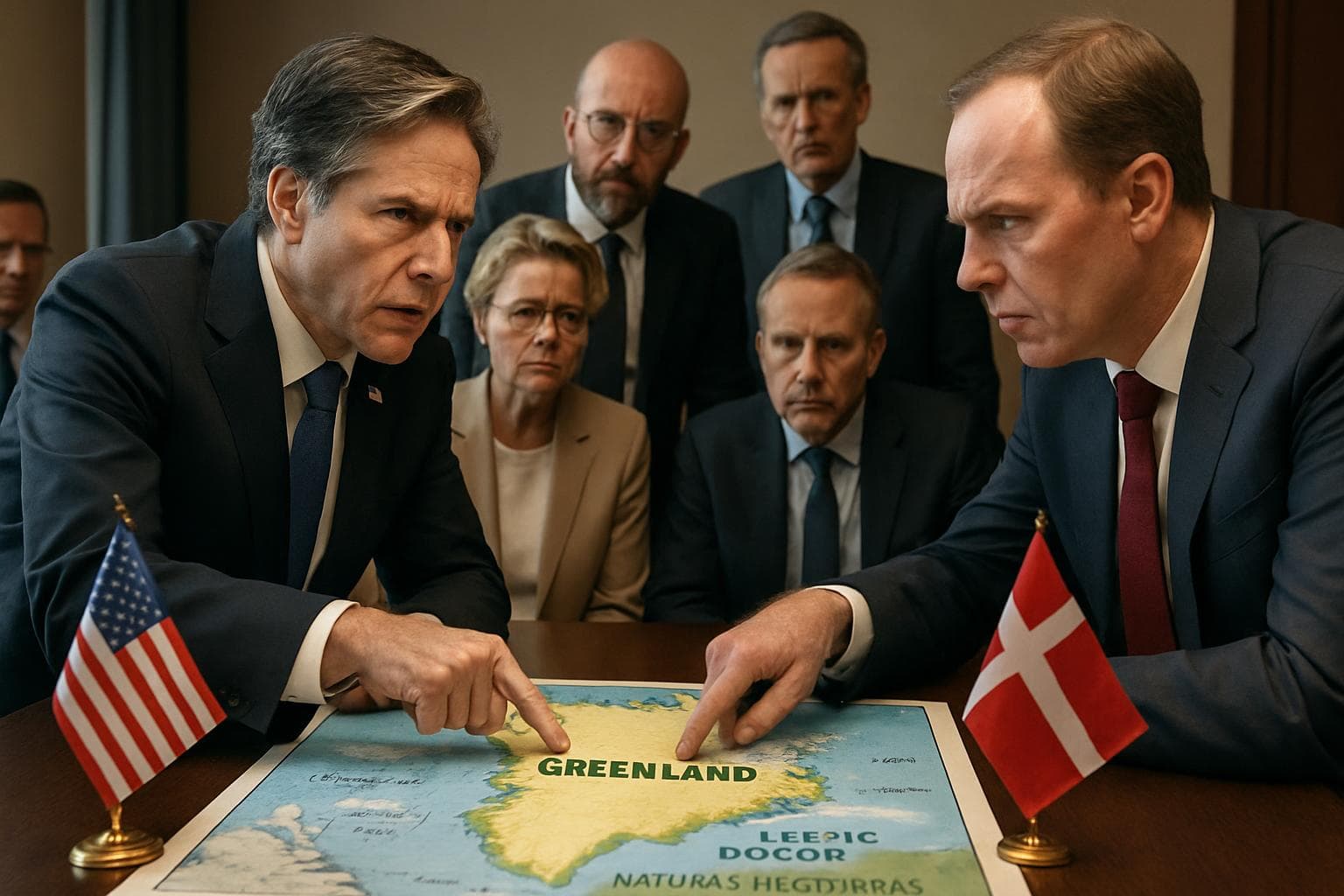
The United States, under President Donald Trump, is exploring the possibility of acquiring Greenland, a Danish territory, as part of its national security strategy. The White House confirmed that discussions are ongoing, with both diplomatic and military options on the table. This move has sparked significant international attention and concern, particularly among European allies.
Diplomatic and Military Options Explored
The White House has stated that acquiring Greenland is a priority for the US, citing its strategic location for Arctic security and potential natural resources. "The president and his team are discussing a range of options to pursue this important foreign policy goal," said White House spokeswoman Karoline Leavitt. While diplomacy is the preferred route, the use of military force remains an option.
Denmark and European Allies Stand Firm
Denmark and Greenland have repeatedly asserted that the island is not for sale. European leaders, including those from France, Germany, and the UK, have issued a joint statement supporting Denmark's sovereignty. "Greenland belongs to its people," the statement emphasized, underscoring the importance of respecting territorial integrity.
Strategic Importance of Greenland
Greenland's location between North America and the Arctic makes it a valuable asset for early warning systems and monitoring regional activities. The US has maintained a military presence at the Pituffik Space Base since World War II. Additionally, Greenland's untapped natural resources, such as rare earth minerals and potential oil reserves, have attracted US interest, especially as climate change makes them more accessible.
Upcoming Diplomatic Engagements
US Secretary of State Marco Rubio is set to meet with Danish officials to discuss the situation further. "We’ll have those conversations with them then," Rubio stated, emphasizing the importance of dialogue. The meeting aims to address concerns and explore potential resolutions to the escalating tensions within NATO.
WHAT THIS MIGHT MEAN
The ongoing discussions about Greenland's acquisition could have significant geopolitical implications. If the US pursues military options, it risks straining relations with NATO allies, potentially weakening the alliance. Conversely, successful diplomatic negotiations could enhance US influence in the Arctic, countering Russian and Chinese activities in the region. Experts suggest that maintaining open communication channels with Denmark and Greenland will be crucial in navigating this complex situation. As talks progress, the international community will closely monitor developments, given the potential impact on global security dynamics.
Related Articles

UK Faces Dilemmas Amid Iran Conflict and China Spying Allegations
Canada and Australia Forge Strategic Partnership Amid Global Uncertainty

UK-Iran Tensions: Starmer Defends Cautious Approach Amid Trump Criticism
China Sets Lowest GDP Growth Target in Decades Amid Economic Challenges

Tech Giants Pledge to Cover AI Data Center Energy Costs Amid Rising Electricity Concerns

UK Government to Reform Asylum Seeker Support and Employment Policies
US Considers Greenland Acquisition Amidst Rising Tensions with Denmark
In This Article
HIGHLIGHTS
- US President Donald Trump is actively discussing the acquisition of Greenland, considering both diplomatic and military options.
- Denmark and Greenland have firmly stated that the island is not for sale, with European allies supporting Denmark's sovereignty.
- The US views Greenland as strategically important for Arctic security and resource access, citing concerns over Russian and Chinese influence.
- NATO allies warn that any US military action in Greenland could jeopardize the alliance's integrity.
- US Secretary of State Marco Rubio plans to meet with Danish officials to discuss the situation further.
The United States, under President Donald Trump, is exploring the possibility of acquiring Greenland, a Danish territory, as part of its national security strategy. The White House confirmed that discussions are ongoing, with both diplomatic and military options on the table. This move has sparked significant international attention and concern, particularly among European allies.
Diplomatic and Military Options Explored
The White House has stated that acquiring Greenland is a priority for the US, citing its strategic location for Arctic security and potential natural resources. "The president and his team are discussing a range of options to pursue this important foreign policy goal," said White House spokeswoman Karoline Leavitt. While diplomacy is the preferred route, the use of military force remains an option.
Denmark and European Allies Stand Firm
Denmark and Greenland have repeatedly asserted that the island is not for sale. European leaders, including those from France, Germany, and the UK, have issued a joint statement supporting Denmark's sovereignty. "Greenland belongs to its people," the statement emphasized, underscoring the importance of respecting territorial integrity.
Strategic Importance of Greenland
Greenland's location between North America and the Arctic makes it a valuable asset for early warning systems and monitoring regional activities. The US has maintained a military presence at the Pituffik Space Base since World War II. Additionally, Greenland's untapped natural resources, such as rare earth minerals and potential oil reserves, have attracted US interest, especially as climate change makes them more accessible.
Upcoming Diplomatic Engagements
US Secretary of State Marco Rubio is set to meet with Danish officials to discuss the situation further. "We’ll have those conversations with them then," Rubio stated, emphasizing the importance of dialogue. The meeting aims to address concerns and explore potential resolutions to the escalating tensions within NATO.
WHAT THIS MIGHT MEAN
The ongoing discussions about Greenland's acquisition could have significant geopolitical implications. If the US pursues military options, it risks straining relations with NATO allies, potentially weakening the alliance. Conversely, successful diplomatic negotiations could enhance US influence in the Arctic, countering Russian and Chinese activities in the region. Experts suggest that maintaining open communication channels with Denmark and Greenland will be crucial in navigating this complex situation. As talks progress, the international community will closely monitor developments, given the potential impact on global security dynamics.
Related Articles
UK Faces Dilemmas Amid Iran Conflict and China Spying Allegations
Canada and Australia Forge Strategic Partnership Amid Global Uncertainty
UK-Iran Tensions: Starmer Defends Cautious Approach Amid Trump Criticism
China Sets Lowest GDP Growth Target in Decades Amid Economic Challenges
Tech Giants Pledge to Cover AI Data Center Energy Costs Amid Rising Electricity Concerns
UK Government to Reform Asylum Seeker Support and Employment Policies