
US House Votes to Overturn Trump's Tariffs on Canada Amid Political Tensions
In This Article
HIGHLIGHTS
- The US House of Representatives voted 219 to 211 to overturn Trump's tariffs on Canadian goods, with six Republicans joining Democrats.
- The resolution is symbolic, as it requires Senate approval and Trump's signature, both unlikely.
- Trump warned Republicans against supporting the resolution, emphasizing tariffs' role in economic and national security.
- The tariffs have faced criticism for harming US-Canada relations and increasing domestic prices.
- The Supreme Court is set to rule on the legality of Trump's tariffs, adding legal scrutiny to the issue.
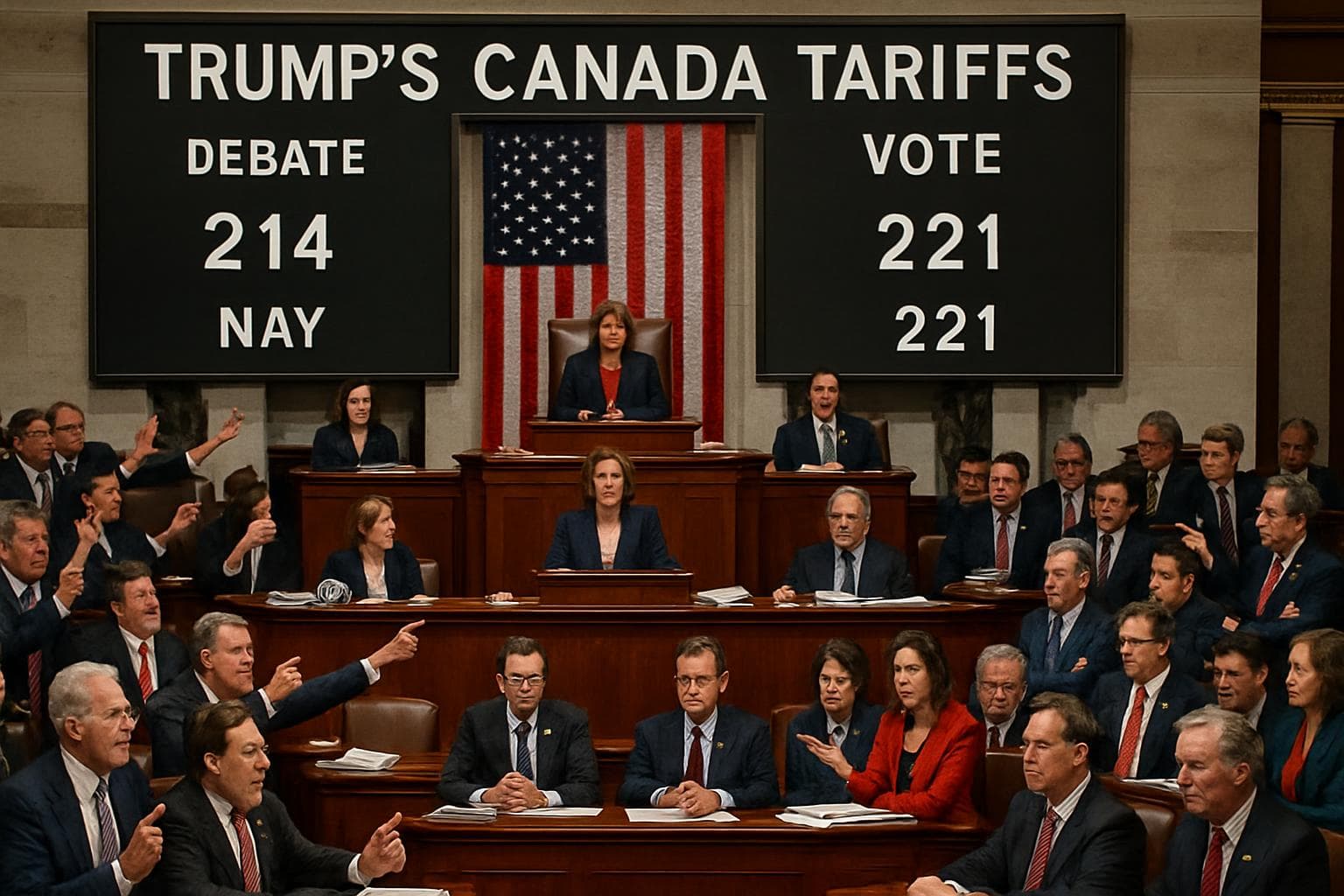
In a significant yet largely symbolic move, the US House of Representatives voted on Wednesday to overturn tariffs imposed by former President Donald Trump on Canadian goods. The resolution passed with a narrow margin of 219 to 211, as six Republican lawmakers broke ranks to join Democrats in a rare bipartisan rebuke of the Trump administration's trade policy.
Political Dynamics and Economic Concerns
The vote underscores the growing unease within the House regarding Trump's trade measures, which have been criticized for straining US-Canada relations and driving up prices domestically. House Speaker Mike Johnson, a staunch Trump ally, attempted to block the discussion, but his efforts were thwarted by a coalition of Democrats and dissenting Republicans. Representative Gregory Meeks, who introduced the resolution, argued that Trump's tariffs have "weaponized trade" against allies and destabilized the global economy.
Trump's Response and Republican Divisions
Despite the House's decision, the resolution faces significant hurdles. It must pass the Republican-majority Senate and receive Trump's approval, both of which are unlikely. Trump, who has consistently championed tariffs as a tool for economic and national security, warned Republicans via Truth Social of electoral consequences if they supported the measure. "TARIFFS have given us Economic and National Security," he asserted, urging Republicans to maintain the status quo.
Legal and International Implications
The tariffs are also under legal scrutiny, with the US Supreme Court set to rule on a case questioning Trump's authority to impose such levies. This adds a layer of complexity to the ongoing debate, as lawmakers and businesses alike navigate the economic fallout of the trade wars. Meanwhile, Trump's threat to impose a 100% tariff on Canadian imports over a proposed trade deal with China has further strained relations with the US's northern neighbor.
WHAT THIS MIGHT MEAN
The resolution's passage in the House marks a pivotal moment in US trade policy, highlighting bipartisan concerns over the economic impact of tariffs. However, the likelihood of Senate approval and Trump's signature remains slim, suggesting that the tariffs will persist in the near term. The Supreme Court's impending decision could redefine the legal boundaries of presidential trade authority, potentially influencing future policy decisions. As economic issues continue to resonate with voters, the political landscape surrounding trade and tariffs is poised for further shifts, particularly as midterm elections approach.
Related Articles

Congress Subpoenas Attorney General Bondi in Epstein Investigation
US Supreme Court Ruling Sparks Trade Uncertainty in Asia and Beyond
Trump's New Tariff Strategy Sparks Global Trade Uncertainty

UK Faces Dilemmas Amid Iran Conflict and China Spying Allegations
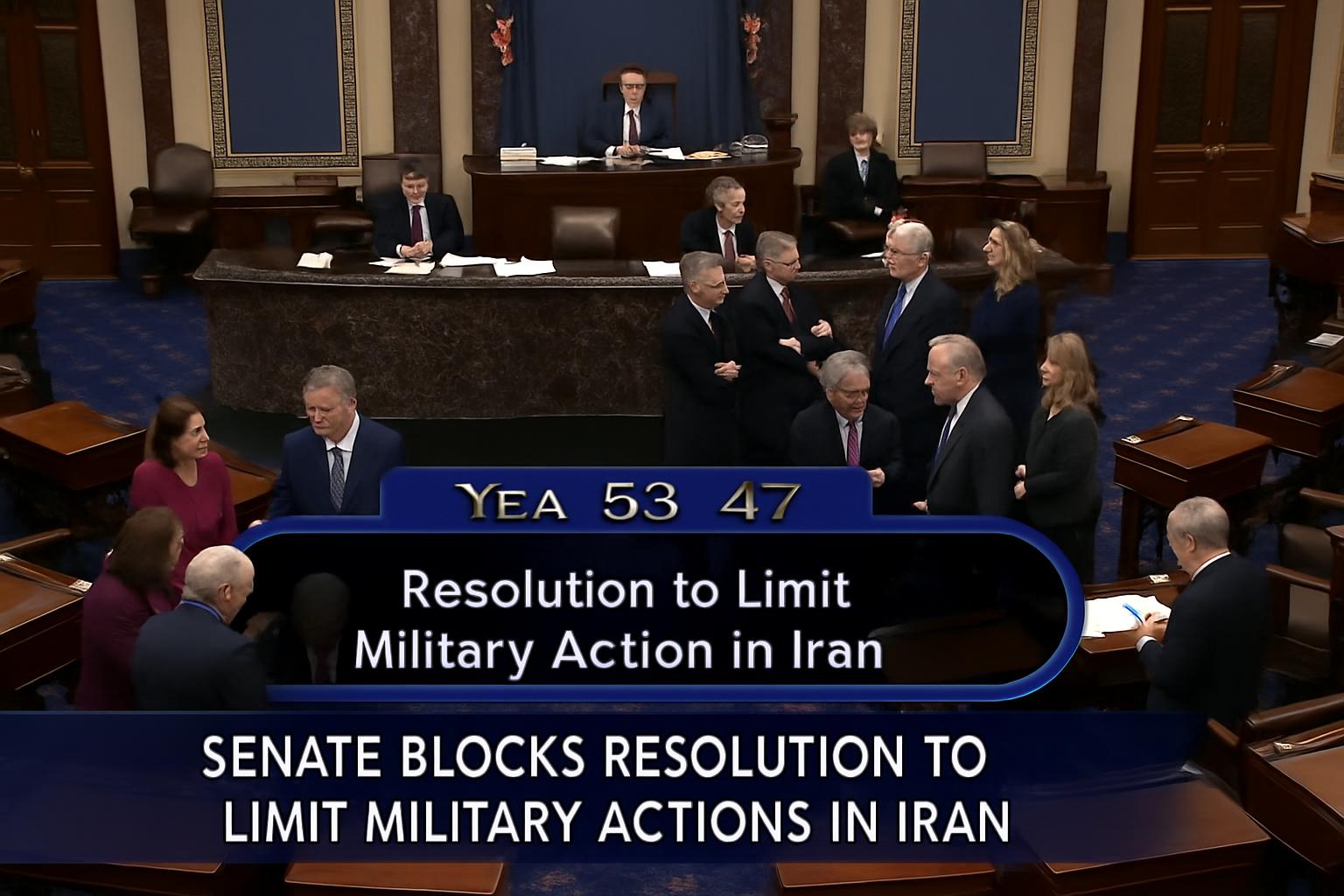
Senate Blocks Resolution to Limit Trump's Military Actions in Iran
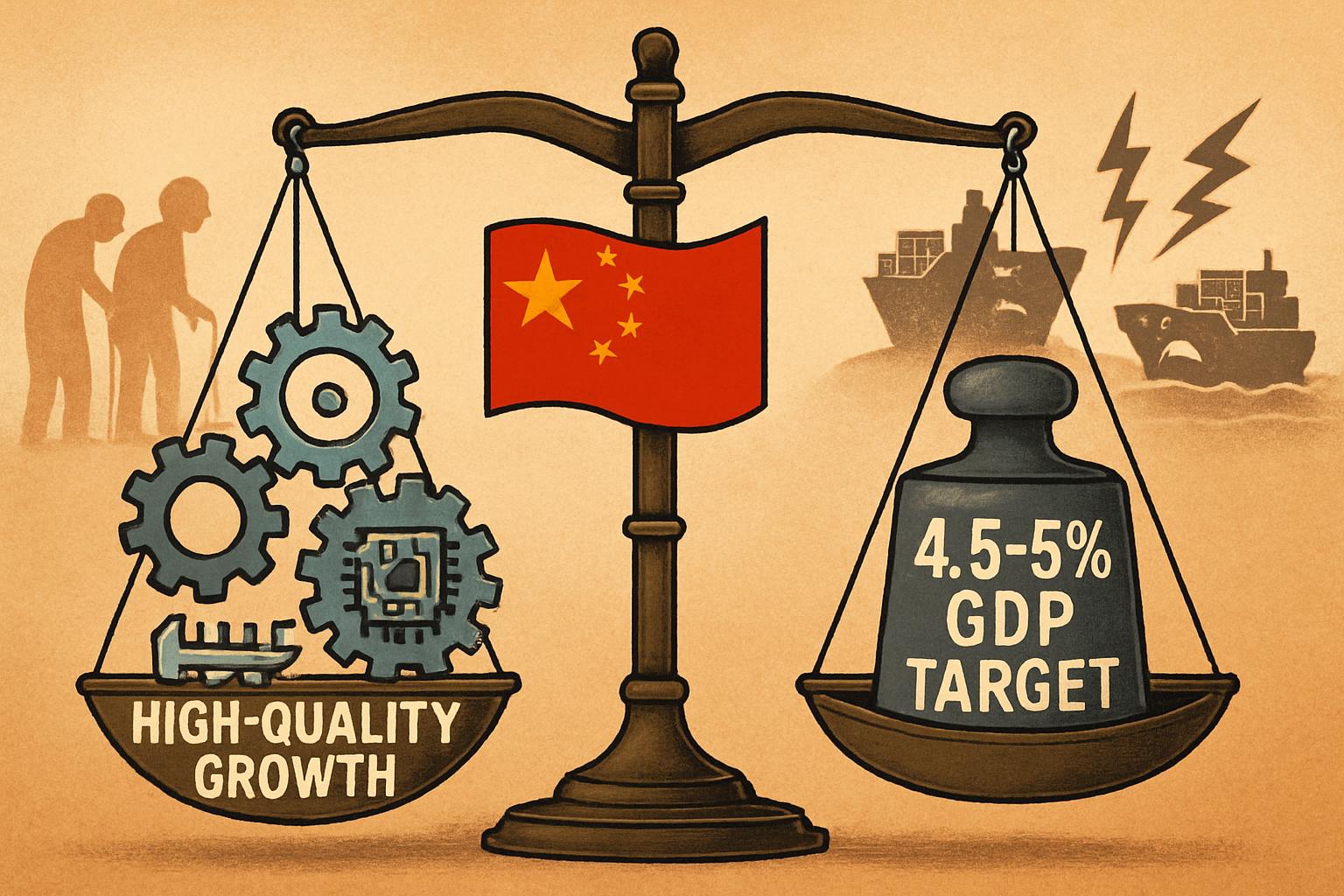
China Sets Lowest GDP Growth Target in Decades Amid Economic Challenges
US House Votes to Overturn Trump's Tariffs on Canada Amid Political Tensions
In This Article
 Alex Carter| Published
 HIGHLIGHTS
- The US House of Representatives voted 219 to 211 to overturn Trump's tariffs on Canadian goods, with six Republicans joining Democrats.
- The resolution is symbolic, as it requires Senate approval and Trump's signature, both unlikely.
- Trump warned Republicans against supporting the resolution, emphasizing tariffs' role in economic and national security.
- The tariffs have faced criticism for harming US-Canada relations and increasing domestic prices.
- The Supreme Court is set to rule on the legality of Trump's tariffs, adding legal scrutiny to the issue.
In a significant yet largely symbolic move, the US House of Representatives voted on Wednesday to overturn tariffs imposed by former President Donald Trump on Canadian goods. The resolution passed with a narrow margin of 219 to 211, as six Republican lawmakers broke ranks to join Democrats in a rare bipartisan rebuke of the Trump administration's trade policy.
Political Dynamics and Economic Concerns
The vote underscores the growing unease within the House regarding Trump's trade measures, which have been criticized for straining US-Canada relations and driving up prices domestically. House Speaker Mike Johnson, a staunch Trump ally, attempted to block the discussion, but his efforts were thwarted by a coalition of Democrats and dissenting Republicans. Representative Gregory Meeks, who introduced the resolution, argued that Trump's tariffs have "weaponized trade" against allies and destabilized the global economy.
Trump's Response and Republican Divisions
Despite the House's decision, the resolution faces significant hurdles. It must pass the Republican-majority Senate and receive Trump's approval, both of which are unlikely. Trump, who has consistently championed tariffs as a tool for economic and national security, warned Republicans via Truth Social of electoral consequences if they supported the measure. "TARIFFS have given us Economic and National Security," he asserted, urging Republicans to maintain the status quo.
Legal and International Implications
The tariffs are also under legal scrutiny, with the US Supreme Court set to rule on a case questioning Trump's authority to impose such levies. This adds a layer of complexity to the ongoing debate, as lawmakers and businesses alike navigate the economic fallout of the trade wars. Meanwhile, Trump's threat to impose a 100% tariff on Canadian imports over a proposed trade deal with China has further strained relations with the US's northern neighbor.
WHAT THIS MIGHT MEAN
The resolution's passage in the House marks a pivotal moment in US trade policy, highlighting bipartisan concerns over the economic impact of tariffs. However, the likelihood of Senate approval and Trump's signature remains slim, suggesting that the tariffs will persist in the near term. The Supreme Court's impending decision could redefine the legal boundaries of presidential trade authority, potentially influencing future policy decisions. As economic issues continue to resonate with voters, the political landscape surrounding trade and tariffs is poised for further shifts, particularly as midterm elections approach.
Related Articles
Congress Subpoenas Attorney General Bondi in Epstein Investigation
US Supreme Court Ruling Sparks Trade Uncertainty in Asia and Beyond
Trump's New Tariff Strategy Sparks Global Trade Uncertainty
UK Faces Dilemmas Amid Iran Conflict and China Spying Allegations
Senate Blocks Resolution to Limit Trump's Military Actions in Iran
China Sets Lowest GDP Growth Target in Decades Amid Economic Challenges