
US Inflation Climbs as Tariffs Drive Up Consumer Prices
In This Article
HIGHLIGHTS
- US inflation rose to 2.7% in June, up from 2.4% in May, driven by tariffs and higher energy and housing costs.
- Tariffs have led to price increases in consumer goods like coffee, citrus fruits, and appliances, with some categories seeing over 2% hikes.
- The average US tariff rate has surged to 18.7%, the highest since 1933, with significant levies on imports from China, steel, and auto parts.
- President Trump has threatened further tariffs on major trading partners, potentially escalating trade tensions.
- Despite inflationary pressures, the Federal Reserve is unlikely to cut interest rates soon, maintaining a cautious stance.
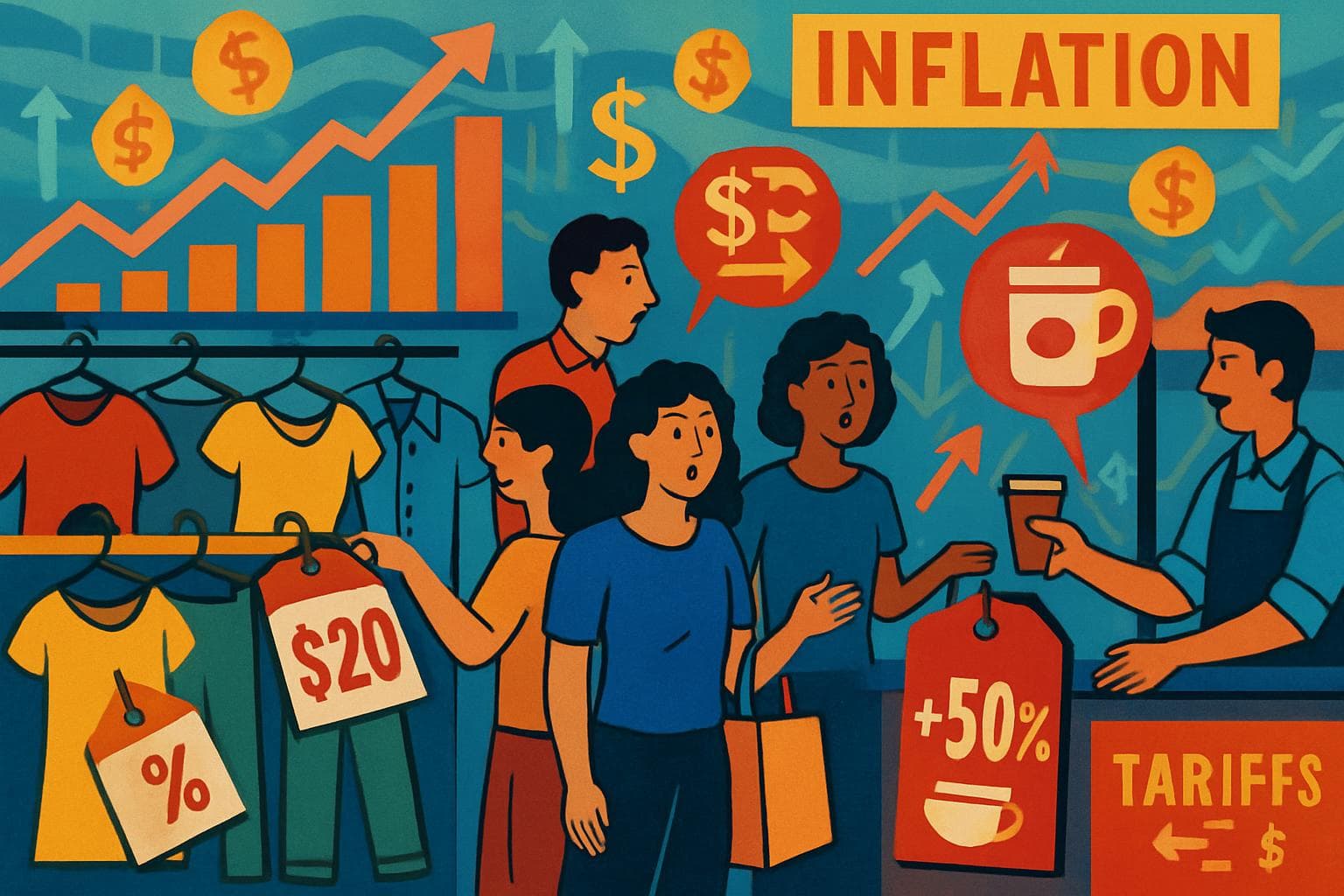
US inflation has surged to 2.7% in June, marking a notable increase from May's 2.4%, as President Donald Trump's tariffs begin to impact consumer prices. The Labor Department's latest figures reveal that this is the fastest inflation rate since February, with energy and housing costs being significant contributors. However, the tariffs are increasingly affecting prices for everyday items, such as clothing and coffee.
Tariffs and Consumer Prices
The tariffs, which include a 10% tax on most imports, have led to noticeable price hikes in various consumer goods. Coffee prices rose by 2.2% from May to June, while citrus fruits saw a 2.3% increase. Other affected categories include toys and appliances, with price increases of 1.8% and 1.9%, respectively. Olu Sonola, head of US economic research at Fitch Ratings, noted, "There is a trickle of what is likely tariff-induced inflation in some categories, particularly household appliances and furnishings."
Trade Tensions and Tariff Threats
The average US tariff rate has reached 18.7%, the highest since 1933, with significant levies on imports from China, steel, and auto parts. President Trump has also threatened additional tariffs on major trading partners, including the EU, Mexico, and Canada, with potential rates as high as 35%. These threats have created uncertainty in global trade negotiations, with deadlines for talks extended to August.
Federal Reserve's Stance
Despite the rising inflation, the Federal Reserve remains cautious about adjusting interest rates. President Trump has called for rate cuts, citing low consumer prices, but the Fed has resisted immediate changes. Jerome Powell, the Fed's chair, has indicated that price increases are expected to persist through the summer, maintaining a focus on the Fed's 2% inflation target.
WHAT THIS MIGHT MEAN
As the US navigates these economic challenges, the potential for further tariff escalations could lead to increased consumer prices and heightened trade tensions. If negotiations with trading partners do not yield favorable outcomes, the economic impact could be significant. Experts suggest that the Federal Reserve's cautious approach may continue unless inflationary pressures significantly deviate from current projections. The coming months will be crucial in determining the trajectory of US economic policy and its global implications.
Related Articles
China Sets Lowest GDP Growth Target in Decades Amid Economic Challenges

UK Faces Dilemmas Amid Iran Conflict and China Spying Allegations

Tech Giants Pledge to Cover AI Data Center Energy Costs Amid Rising Electricity Concerns

Cuba Faces Widespread Blackout Amid Deepening Fuel Crisis

Spain's Sánchez Stands Firm Against Trump's Trade Threat Over Iran Stance

Canada Calls for De-escalation Amid US-Israel Strikes on Iran
US Inflation Climbs as Tariffs Drive Up Consumer Prices
In This Article
 Daniel Rivera| Published
 HIGHLIGHTS
- US inflation rose to 2.7% in June, up from 2.4% in May, driven by tariffs and higher energy and housing costs.
- Tariffs have led to price increases in consumer goods like coffee, citrus fruits, and appliances, with some categories seeing over 2% hikes.
- The average US tariff rate has surged to 18.7%, the highest since 1933, with significant levies on imports from China, steel, and auto parts.
- President Trump has threatened further tariffs on major trading partners, potentially escalating trade tensions.
- Despite inflationary pressures, the Federal Reserve is unlikely to cut interest rates soon, maintaining a cautious stance.
US inflation has surged to 2.7% in June, marking a notable increase from May's 2.4%, as President Donald Trump's tariffs begin to impact consumer prices. The Labor Department's latest figures reveal that this is the fastest inflation rate since February, with energy and housing costs being significant contributors. However, the tariffs are increasingly affecting prices for everyday items, such as clothing and coffee.
Tariffs and Consumer Prices
The tariffs, which include a 10% tax on most imports, have led to noticeable price hikes in various consumer goods. Coffee prices rose by 2.2% from May to June, while citrus fruits saw a 2.3% increase. Other affected categories include toys and appliances, with price increases of 1.8% and 1.9%, respectively. Olu Sonola, head of US economic research at Fitch Ratings, noted, "There is a trickle of what is likely tariff-induced inflation in some categories, particularly household appliances and furnishings."
Trade Tensions and Tariff Threats
The average US tariff rate has reached 18.7%, the highest since 1933, with significant levies on imports from China, steel, and auto parts. President Trump has also threatened additional tariffs on major trading partners, including the EU, Mexico, and Canada, with potential rates as high as 35%. These threats have created uncertainty in global trade negotiations, with deadlines for talks extended to August.
Federal Reserve's Stance
Despite the rising inflation, the Federal Reserve remains cautious about adjusting interest rates. President Trump has called for rate cuts, citing low consumer prices, but the Fed has resisted immediate changes. Jerome Powell, the Fed's chair, has indicated that price increases are expected to persist through the summer, maintaining a focus on the Fed's 2% inflation target.
WHAT THIS MIGHT MEAN
As the US navigates these economic challenges, the potential for further tariff escalations could lead to increased consumer prices and heightened trade tensions. If negotiations with trading partners do not yield favorable outcomes, the economic impact could be significant. Experts suggest that the Federal Reserve's cautious approach may continue unless inflationary pressures significantly deviate from current projections. The coming months will be crucial in determining the trajectory of US economic policy and its global implications.
Related Articles
China Sets Lowest GDP Growth Target in Decades Amid Economic Challenges
UK Faces Dilemmas Amid Iran Conflict and China Spying Allegations
Tech Giants Pledge to Cover AI Data Center Energy Costs Amid Rising Electricity Concerns
Cuba Faces Widespread Blackout Amid Deepening Fuel Crisis
Spain's Sánchez Stands Firm Against Trump's Trade Threat Over Iran Stance
Canada Calls for De-escalation Amid US-Israel Strikes on Iran