
First US Migrants Arrive in Rwanda Under New Deportation Agreement
In This Article
HIGHLIGHTS
- Seven migrants deported from the US have arrived in Rwanda, marking the first arrivals under a new deportation agreement.
- The Trump administration's deal with Rwanda allows for up to 250 deportees, with Rwanda having the right to approve each individual.
- Rights groups express concerns that such deportations may violate international law if migrants face risks in their new locations.
- Rwanda previously had a similar agreement with the UK, which was scrapped due to legal challenges and a change in government.
- The deportation deal is seen as part of broader geopolitical strategies, including Rwanda's involvement in peace talks with the Democratic Republic of Congo.
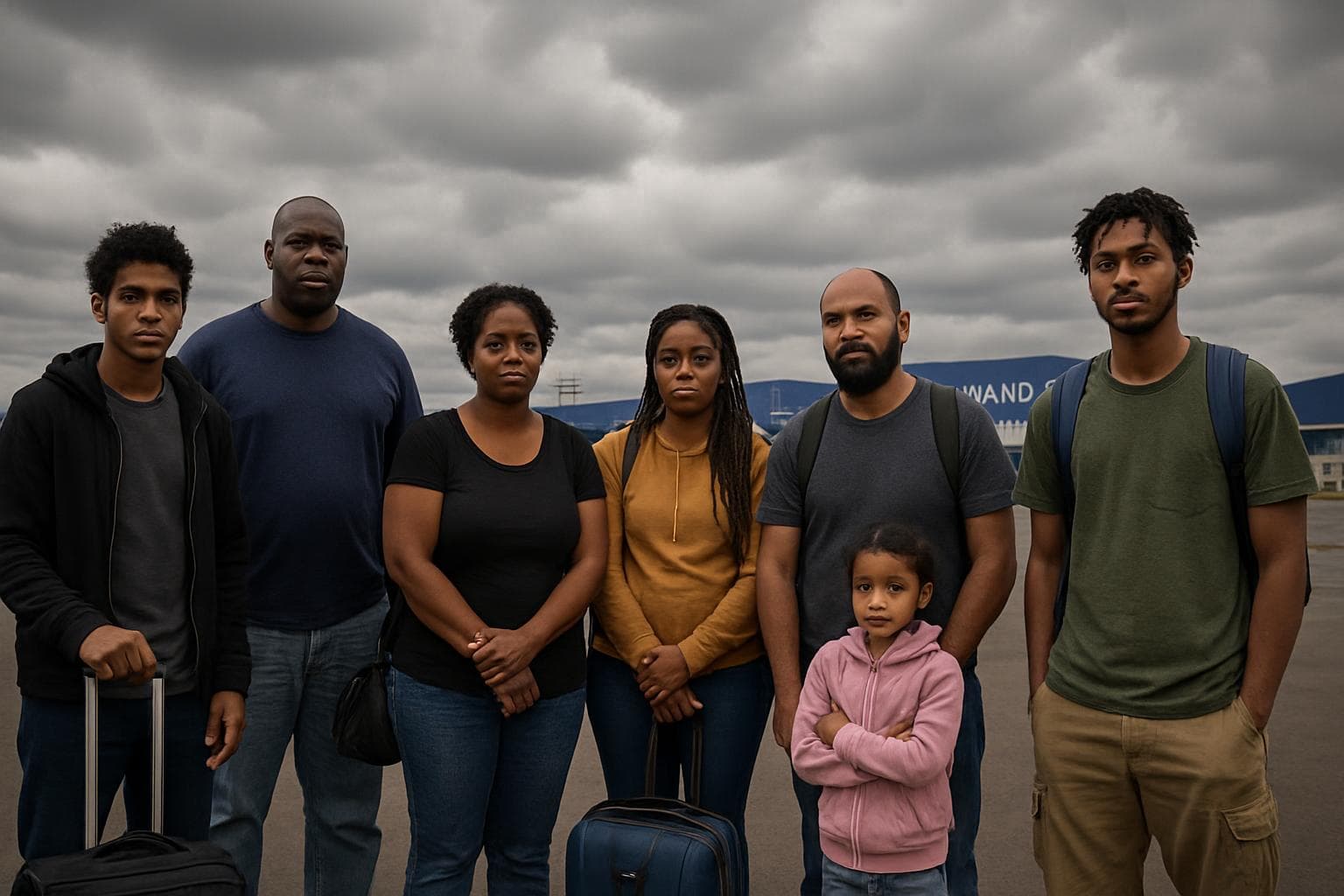
Seven migrants deported from the United States have arrived in Rwanda, marking the initial phase of a controversial deportation agreement between the two nations. This deal, orchestrated by the Trump administration, allows for up to 250 deportees to be relocated to the East African country, with Rwanda retaining the right to approve each individual case.
Rwanda's Role in the Deportation Deal
The Rwandan government, represented by spokesperson Yolande Makolo, confirmed the arrival of the first group in mid-August. While the nationalities of the deportees remain undisclosed, it has been reported that four individuals intend to stay in Rwanda, while three have opted to return to their home countries. The migrants are being accommodated by an international organization, with oversight from the International Organization for Migration (IOM) and Rwandan social services to ensure their basic needs are met.
Concerns Over Human Rights and Legal Implications
The deportation agreement has sparked criticism from rights groups, who argue that sending migrants to countries where they may face torture or other abuses could breach international human rights law. The Trump administration has defended the policy, citing the refusal of some home nations to accept deportees as a rationale for third-country relocations.
Historical Context and Previous Agreements
Rwanda's willingness to accept deportees is partly attributed to its history of displacement, as nearly every Rwandan family has experienced such hardships. Previously, Rwanda had a similar agreement with the UK, which was annulled following legal challenges and a change in government. Despite the UK having invested £240 million in the deal, the facilities built for asylum seekers remain in question.
Geopolitical Implications and Regional Stability
The deportation deal is also seen as a strategic move in Rwanda's ongoing peace negotiations with the Democratic Republic of Congo. Rwanda has been accused of supporting the M23 rebel group in the region, a claim it denies. The agreement with the US may bolster Rwanda's political influence in these talks, as noted by a Rwandan activist who preferred to remain anonymous due to the country's restrictive stance on civil dissent.
WHAT THIS MIGHT MEAN
The arrival of US deportees in Rwanda could have significant implications for international migration policies and human rights law. If the deportation deal continues, it may set a precedent for other countries considering similar agreements. However, ongoing criticism from rights groups could lead to increased scrutiny and potential legal challenges.
Politically, Rwanda's involvement in the deportation agreement may enhance its leverage in regional peace negotiations, particularly concerning the conflict in the Democratic Republic of Congo. As the situation evolves, the international community will likely monitor Rwanda's adherence to human rights standards and the broader impact on regional stability.
Related Articles

China Sets Lowest GDP Growth Target in Decades Amid Economic Challenges

Tech Giants Pledge to Cover AI Data Center Energy Costs Amid Rising Electricity Concerns

Breakthrough Drug Offers Hope for Children with Severe Epilepsy
Cuba Faces Widespread Blackout Amid Deepening Fuel Crisis

UK Faces Dilemmas Amid Iran Conflict and China Spying Allegations

Google Faces Legal Battle Over AI Chatbot's Alleged Role in Tragic Death
First US Migrants Arrive in Rwanda Under New Deportation Agreement
In This Article
 James Okoro| Published
 HIGHLIGHTS
- Seven migrants deported from the US have arrived in Rwanda, marking the first arrivals under a new deportation agreement.
- The Trump administration's deal with Rwanda allows for up to 250 deportees, with Rwanda having the right to approve each individual.
- Rights groups express concerns that such deportations may violate international law if migrants face risks in their new locations.
- Rwanda previously had a similar agreement with the UK, which was scrapped due to legal challenges and a change in government.
- The deportation deal is seen as part of broader geopolitical strategies, including Rwanda's involvement in peace talks with the Democratic Republic of Congo.
Seven migrants deported from the United States have arrived in Rwanda, marking the initial phase of a controversial deportation agreement between the two nations. This deal, orchestrated by the Trump administration, allows for up to 250 deportees to be relocated to the East African country, with Rwanda retaining the right to approve each individual case.
Rwanda's Role in the Deportation Deal
The Rwandan government, represented by spokesperson Yolande Makolo, confirmed the arrival of the first group in mid-August. While the nationalities of the deportees remain undisclosed, it has been reported that four individuals intend to stay in Rwanda, while three have opted to return to their home countries. The migrants are being accommodated by an international organization, with oversight from the International Organization for Migration (IOM) and Rwandan social services to ensure their basic needs are met.
Concerns Over Human Rights and Legal Implications
The deportation agreement has sparked criticism from rights groups, who argue that sending migrants to countries where they may face torture or other abuses could breach international human rights law. The Trump administration has defended the policy, citing the refusal of some home nations to accept deportees as a rationale for third-country relocations.
Historical Context and Previous Agreements
Rwanda's willingness to accept deportees is partly attributed to its history of displacement, as nearly every Rwandan family has experienced such hardships. Previously, Rwanda had a similar agreement with the UK, which was annulled following legal challenges and a change in government. Despite the UK having invested £240 million in the deal, the facilities built for asylum seekers remain in question.
Geopolitical Implications and Regional Stability
The deportation deal is also seen as a strategic move in Rwanda's ongoing peace negotiations with the Democratic Republic of Congo. Rwanda has been accused of supporting the M23 rebel group in the region, a claim it denies. The agreement with the US may bolster Rwanda's political influence in these talks, as noted by a Rwandan activist who preferred to remain anonymous due to the country's restrictive stance on civil dissent.
WHAT THIS MIGHT MEAN
The arrival of US deportees in Rwanda could have significant implications for international migration policies and human rights law. If the deportation deal continues, it may set a precedent for other countries considering similar agreements. However, ongoing criticism from rights groups could lead to increased scrutiny and potential legal challenges.
Politically, Rwanda's involvement in the deportation agreement may enhance its leverage in regional peace negotiations, particularly concerning the conflict in the Democratic Republic of Congo. As the situation evolves, the international community will likely monitor Rwanda's adherence to human rights standards and the broader impact on regional stability.
Related Articles
China Sets Lowest GDP Growth Target in Decades Amid Economic Challenges
Tech Giants Pledge to Cover AI Data Center Energy Costs Amid Rising Electricity Concerns
Breakthrough Drug Offers Hope for Children with Severe Epilepsy
Cuba Faces Widespread Blackout Amid Deepening Fuel Crisis
UK Faces Dilemmas Amid Iran Conflict and China Spying Allegations
Google Faces Legal Battle Over AI Chatbot's Alleged Role in Tragic Death