
US Strikes on Iran's Nuclear Sites: Conflicting Reports Emerge on Impact
In This Article
HIGHLIGHTS
- A leaked Defense Intelligence Agency report suggests US strikes on Iran's nuclear sites only set back the program by a few months.
- President Trump and top officials dispute the report, claiming the strikes caused significant damage to Iran's nuclear capabilities.
- The Pentagon's assessment is labeled as "low confidence" and is subject to change as more information becomes available.
- Iran reportedly moved much of its enriched uranium stockpile before the strikes, potentially to other secret sites.
- The US used "bunker buster" bombs, but the underground facilities at Fordo and Natanz were not completely destroyed.
In the aftermath of US military strikes on Iran's nuclear facilities, a leaked Defense Intelligence Agency (DIA) report has sparked controversy by suggesting the attacks only set back Iran's nuclear program by a few months. This assessment, which has been labeled as "low confidence," contrasts sharply with President Donald Trump's claims of a decisive blow to Iran's nuclear capabilities.
Conflicting Assessments
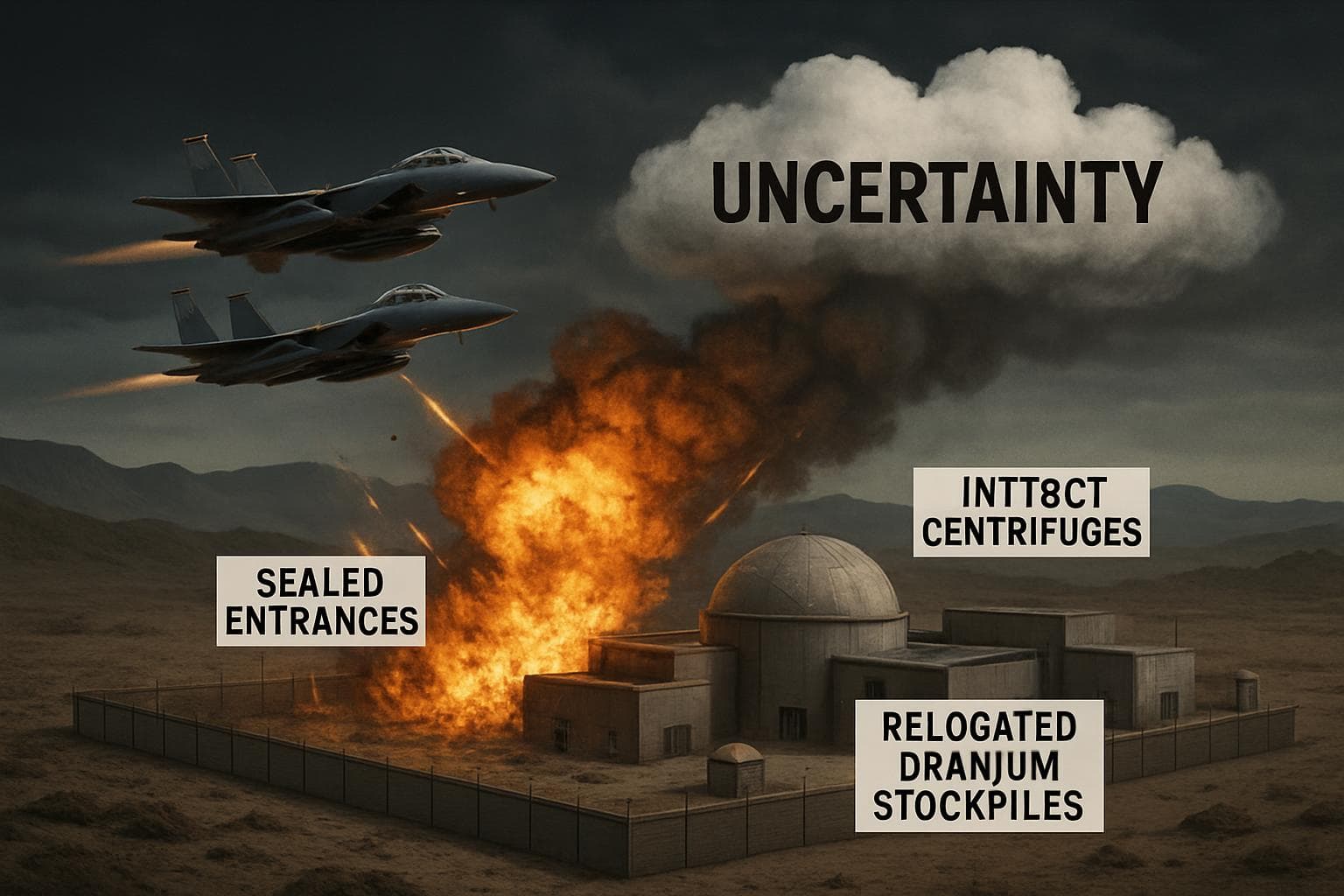
The strikes, which targeted the heavily fortified sites at Fordo, Natanz, and Isfahan, were initially hailed by Trump as a "spectacular military success." Speaking at a NATO summit in The Hague, Trump asserted that the attacks led to the "virtual obliteration" of Iran's nuclear infrastructure. However, the leaked DIA report indicates that while entrances to some facilities were sealed, the core components of the nuclear program, including centrifuges, remain largely intact.
Iran's Nuclear Stockpile
According to sources familiar with the DIA assessment, much of Iran's enriched uranium stockpile was relocated prior to the strikes, raising concerns about its potential use in other secret nuclear sites. The Pentagon's report, which is still in its preliminary stages, acknowledges that the full extent of the damage may take time to assess, as satellite images and other intelligence methods continue to be analyzed.
Official Reactions and Doubts
Defense Secretary Pete Hegseth and Secretary of State Marco Rubio have both expressed skepticism about the leaked report, suggesting it may have been politically motivated. Hegseth characterized the leak as "completely false," while Rubio criticized the media for distorting the report's contents. Despite these denials, the uncertainty surrounding the true impact of the strikes has prompted calls for further investigation.
International Implications
The strikes have drawn international attention, with the International Atomic Energy Agency (IAEA) expressing concerns over the unaccounted stockpile of enriched uranium. Meanwhile, Israeli intelligence estimates suggest the strikes may have set back Iran's nuclear ambitions by up to two years, though this remains unconfirmed.
WHAT THIS MIGHT MEAN
The ongoing debate over the effectiveness of the US strikes on Iran's nuclear facilities underscores the complexity of assessing military operations in such fortified environments. As intelligence agencies continue to gather data, the true impact of the strikes may become clearer, potentially influencing future US and international policy towards Iran. If Iran's nuclear capabilities are indeed only temporarily hindered, it could prompt further military or diplomatic actions to prevent the resumption of its nuclear program. Additionally, the political ramifications of the leaked report could affect the credibility of the Trump administration's foreign policy decisions, both domestically and abroad.
Related Articles
US and Israel Intensify Military Campaign as Iran's Capabilities Dwindle
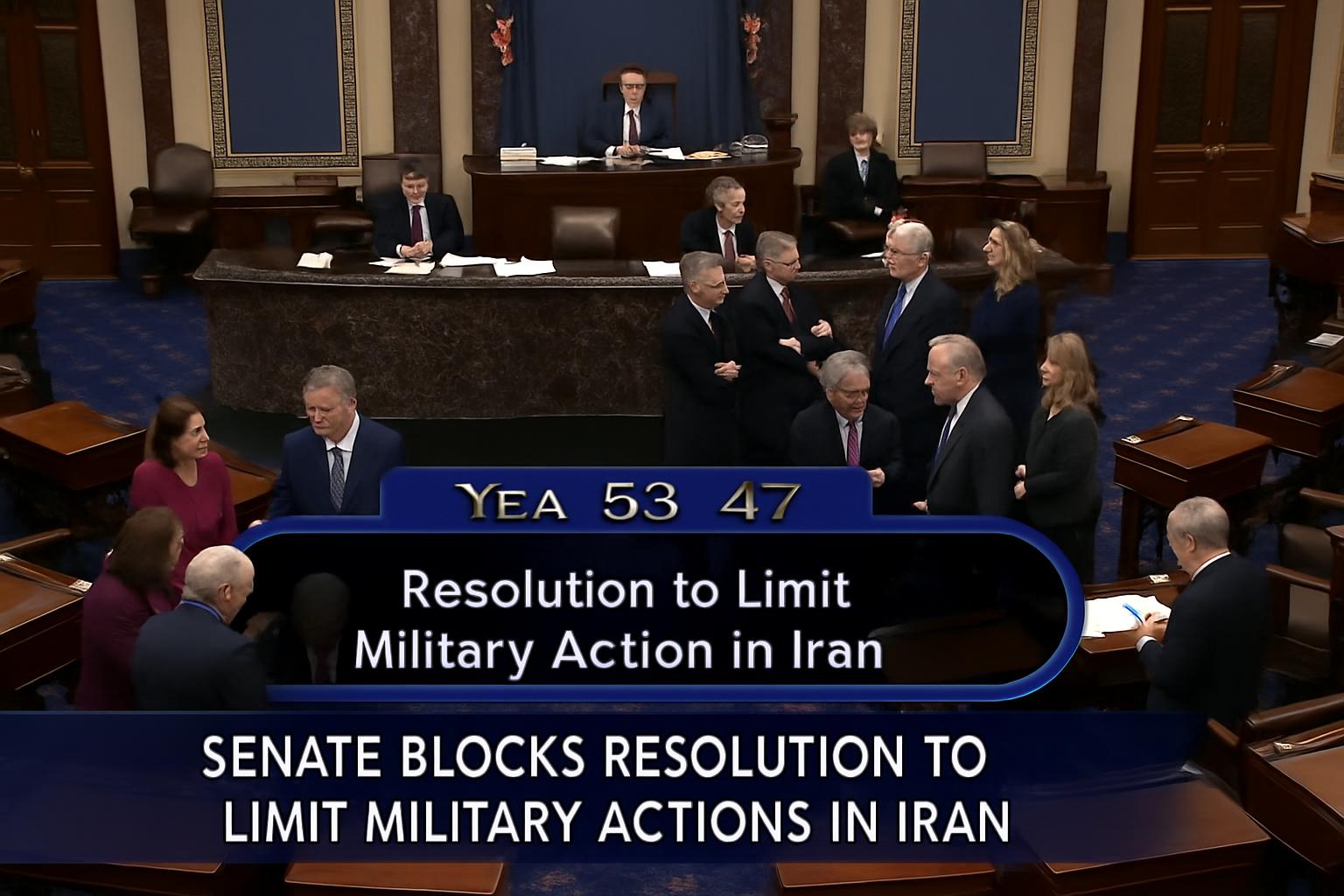
Senate Blocks Resolution to Limit Trump's Military Actions in Iran
Iran Postpones Khamenei Funeral Amid Escalating US-Israeli Strikes
Intensified US-Israel Strikes on Iran Spark Global Outcry
Spain's Sánchez Stands Firm Against Trump's Trade Threat Over Iran Stance

UK Faces Dilemmas Amid Iran Conflict and China Spying Allegations
US Strikes on Iran's Nuclear Sites: Conflicting Reports Emerge on Impact
In This Article
 Ethan Brooks| Published
 HIGHLIGHTS
- A leaked Defense Intelligence Agency report suggests US strikes on Iran's nuclear sites only set back the program by a few months.
- President Trump and top officials dispute the report, claiming the strikes caused significant damage to Iran's nuclear capabilities.
- The Pentagon's assessment is labeled as "low confidence" and is subject to change as more information becomes available.
- Iran reportedly moved much of its enriched uranium stockpile before the strikes, potentially to other secret sites.
- The US used "bunker buster" bombs, but the underground facilities at Fordo and Natanz were not completely destroyed.
In the aftermath of US military strikes on Iran's nuclear facilities, a leaked Defense Intelligence Agency (DIA) report has sparked controversy by suggesting the attacks only set back Iran's nuclear program by a few months. This assessment, which has been labeled as "low confidence," contrasts sharply with President Donald Trump's claims of a decisive blow to Iran's nuclear capabilities.
Conflicting Assessments
The strikes, which targeted the heavily fortified sites at Fordo, Natanz, and Isfahan, were initially hailed by Trump as a "spectacular military success." Speaking at a NATO summit in The Hague, Trump asserted that the attacks led to the "virtual obliteration" of Iran's nuclear infrastructure. However, the leaked DIA report indicates that while entrances to some facilities were sealed, the core components of the nuclear program, including centrifuges, remain largely intact.
Iran's Nuclear Stockpile
According to sources familiar with the DIA assessment, much of Iran's enriched uranium stockpile was relocated prior to the strikes, raising concerns about its potential use in other secret nuclear sites. The Pentagon's report, which is still in its preliminary stages, acknowledges that the full extent of the damage may take time to assess, as satellite images and other intelligence methods continue to be analyzed.
Official Reactions and Doubts
Defense Secretary Pete Hegseth and Secretary of State Marco Rubio have both expressed skepticism about the leaked report, suggesting it may have been politically motivated. Hegseth characterized the leak as "completely false," while Rubio criticized the media for distorting the report's contents. Despite these denials, the uncertainty surrounding the true impact of the strikes has prompted calls for further investigation.
International Implications
The strikes have drawn international attention, with the International Atomic Energy Agency (IAEA) expressing concerns over the unaccounted stockpile of enriched uranium. Meanwhile, Israeli intelligence estimates suggest the strikes may have set back Iran's nuclear ambitions by up to two years, though this remains unconfirmed.
WHAT THIS MIGHT MEAN
The ongoing debate over the effectiveness of the US strikes on Iran's nuclear facilities underscores the complexity of assessing military operations in such fortified environments. As intelligence agencies continue to gather data, the true impact of the strikes may become clearer, potentially influencing future US and international policy towards Iran. If Iran's nuclear capabilities are indeed only temporarily hindered, it could prompt further military or diplomatic actions to prevent the resumption of its nuclear program. Additionally, the political ramifications of the leaked report could affect the credibility of the Trump administration's foreign policy decisions, both domestically and abroad.
Related Articles
US and Israel Intensify Military Campaign as Iran's Capabilities Dwindle
Senate Blocks Resolution to Limit Trump's Military Actions in Iran
Iran Postpones Khamenei Funeral Amid Escalating US-Israeli Strikes
Intensified US-Israel Strikes on Iran Spark Global Outcry
Spain's Sánchez Stands Firm Against Trump's Trade Threat Over Iran Stance
UK Faces Dilemmas Amid Iran Conflict and China Spying Allegations