
Heightened US-Iran Tensions as USS Abraham Lincoln Deployed Amid Protests
In This Article
HIGHLIGHTS
- The USS Abraham Lincoln's deployment near Iranian waters signals heightened US-Iran tensions amid Iran's domestic unrest.
- Iran's response to potential US military action may deviate from past patterns due to internal pressures and recent protests.
- Keir Starmer supports Trump's stance on preventing Iran from developing nuclear weapons, emphasizing the need to address protest repression.
- President Trump has warned Iran to halt its nuclear program and violent protest suppression or face potential US military action.
- Thousands have reportedly been killed in Iran's crackdown on protests, with communication blackouts complicating verification.
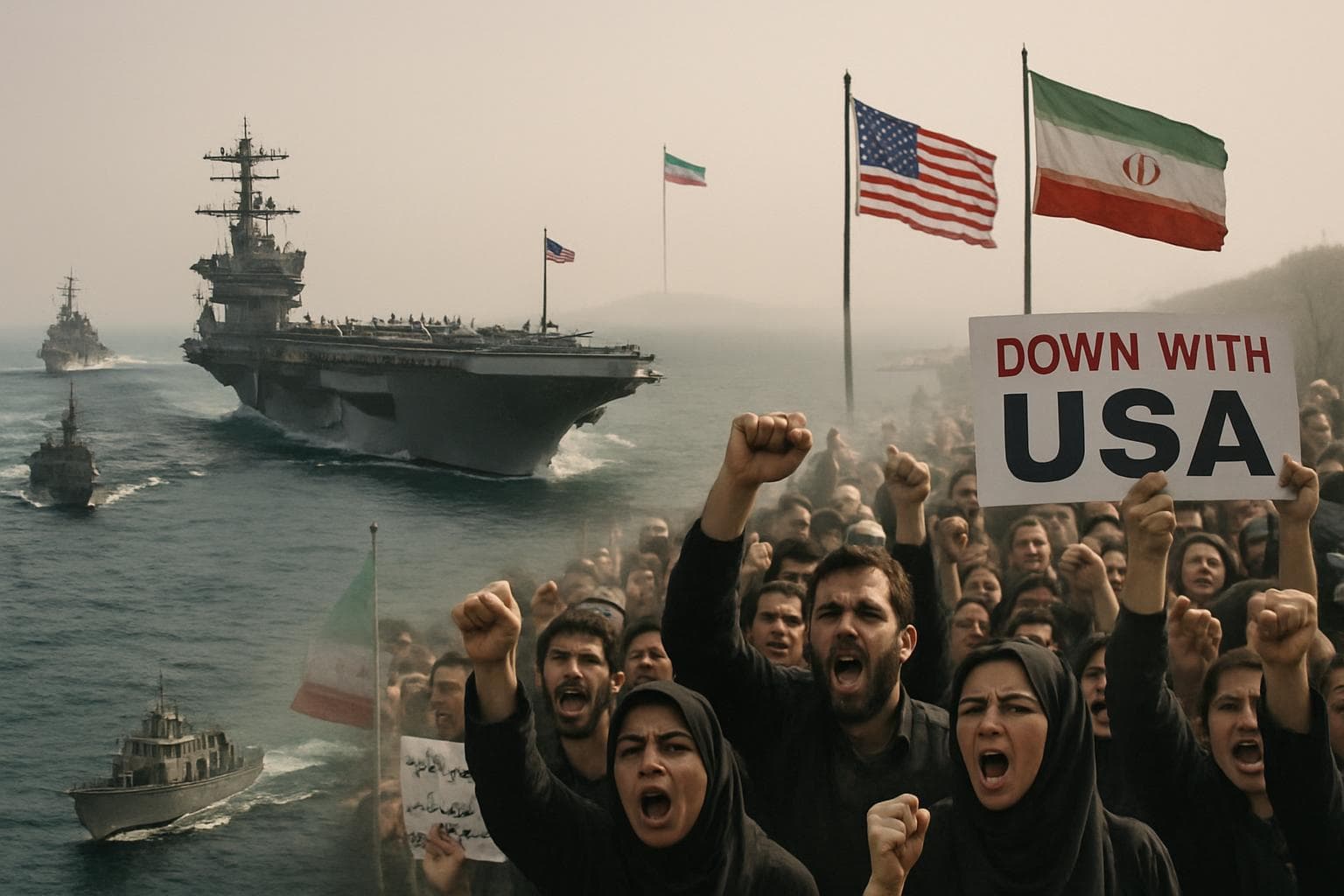
The deployment of the USS Abraham Lincoln carrier strike group to the Middle East has intensified the already fraught relations between the United States and Iran. This move comes at a time when Iran is grappling with significant domestic unrest, raising the stakes for both nations.
Rising Tensions and Strategic Deployments
The arrival of the USS Abraham Lincoln near Iranian waters underscores the potential for a broader confrontation. This deployment coincides with one of the most severe crackdowns on protests in Iran since the Islamic Republic's inception in 1979. Human rights organizations report thousands of deaths, although exact figures remain elusive due to ongoing internet blackouts.
Iran's Potential Shift in Retaliation Strategy
Historically, Iran has opted for measured responses to US military actions, such as the missile attack on the US-operated Al Udeid Air Base in Qatar following US strikes on Iranian nuclear facilities in June 2025. However, the current internal pressures and the scale of recent protests may prompt a departure from this pattern, increasing the risk of rapid escalation.
International Reactions and Diplomatic Stances
In the international arena, Keir Starmer, the UK Leader of the Opposition, has expressed support for President Trump's firm stance on Iran's nuclear ambitions. During a visit to China, Starmer emphasized the importance of preventing Iran from developing nuclear weapons and addressing the violent repression of protesters. While he refrained from commenting on potential US military strikes, his remarks align with Trump's call for Iran to negotiate and halt its nuclear program.
US Warnings and Military Preparedness
President Trump has issued stern warnings to Iran, demanding an end to its nuclear activities and the suppression of protests. He has hinted at the possibility of further military action if Iran does not engage in talks. The USS Abraham Lincoln's presence in the region is a clear signal of the US's readiness to act swiftly if necessary.
WHAT THIS MIGHT MEAN
The current situation between the US and Iran is precarious, with potential implications for regional stability. If Iran chooses to respond aggressively to US military actions, it could lead to a broader conflict involving other Middle Eastern nations. Conversely, diplomatic negotiations could de-escalate tensions, though this requires significant concessions from both sides.
The international community, particularly allies like the UK, may play a crucial role in mediating the situation. Keir Starmer's support for addressing Iran's nuclear ambitions and protest repression highlights the global consensus on these issues. However, the path forward remains uncertain, with the potential for both diplomatic breakthroughs and military confrontations.
Related Articles

UK Faces Dilemmas Amid Iran Conflict and China Spying Allegations
UK-Iran Tensions: Starmer Defends Cautious Approach Amid Trump Criticism
US and Israel Intensify Military Campaign as Iran's Capabilities Dwindle
Intensified US-Israel Strikes on Iran Spark Global Outcry
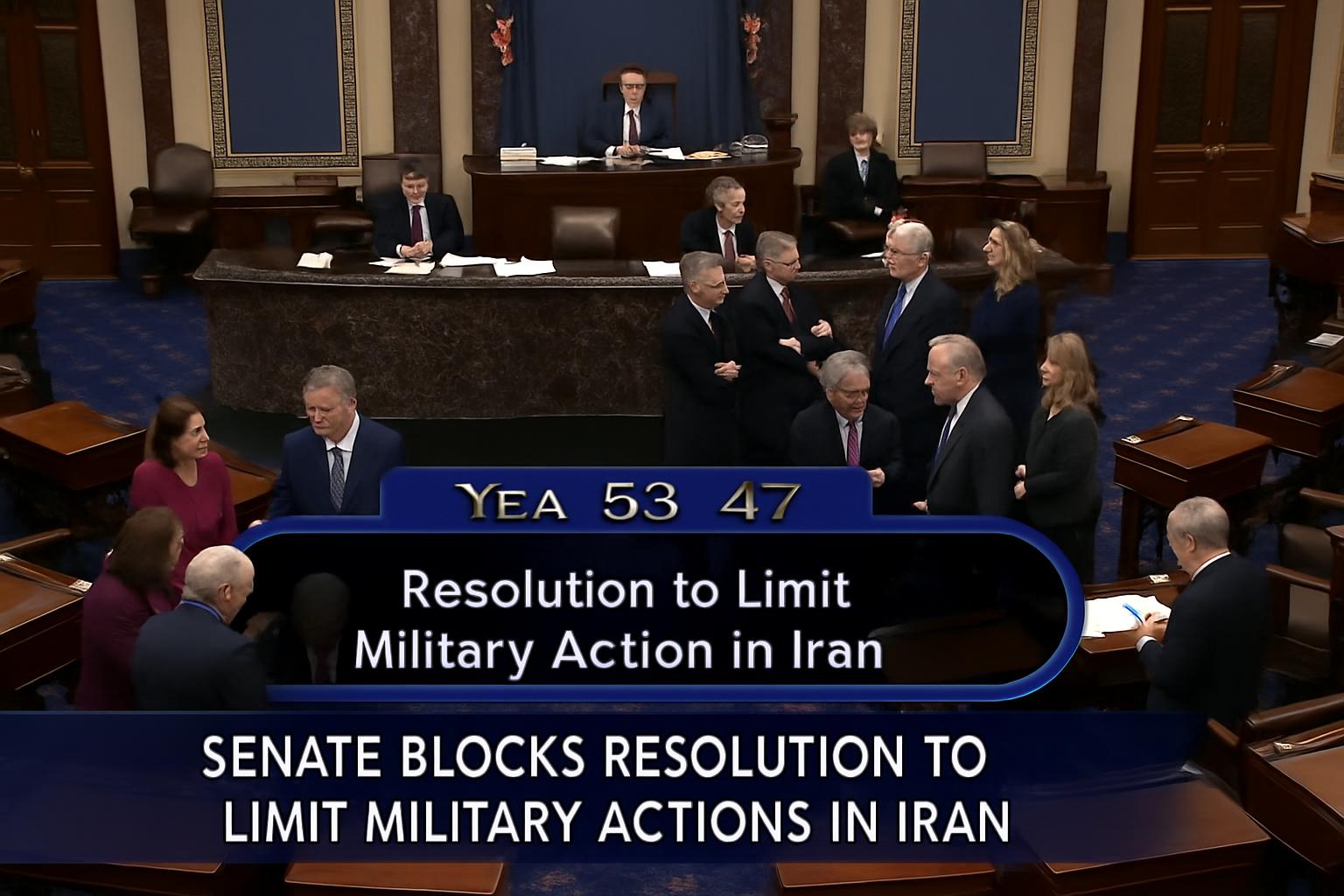
Senate Blocks Resolution to Limit Trump's Military Actions in Iran
Spain's Sánchez Stands Firm Against Trump's Trade Threat Over Iran Stance
Heightened US-Iran Tensions as USS Abraham Lincoln Deployed Amid Protests
In This Article
 Ethan Brooks| Published
 HIGHLIGHTS
- The USS Abraham Lincoln's deployment near Iranian waters signals heightened US-Iran tensions amid Iran's domestic unrest.
- Iran's response to potential US military action may deviate from past patterns due to internal pressures and recent protests.
- Keir Starmer supports Trump's stance on preventing Iran from developing nuclear weapons, emphasizing the need to address protest repression.
- President Trump has warned Iran to halt its nuclear program and violent protest suppression or face potential US military action.
- Thousands have reportedly been killed in Iran's crackdown on protests, with communication blackouts complicating verification.
The deployment of the USS Abraham Lincoln carrier strike group to the Middle East has intensified the already fraught relations between the United States and Iran. This move comes at a time when Iran is grappling with significant domestic unrest, raising the stakes for both nations.
Rising Tensions and Strategic Deployments
The arrival of the USS Abraham Lincoln near Iranian waters underscores the potential for a broader confrontation. This deployment coincides with one of the most severe crackdowns on protests in Iran since the Islamic Republic's inception in 1979. Human rights organizations report thousands of deaths, although exact figures remain elusive due to ongoing internet blackouts.
Iran's Potential Shift in Retaliation Strategy
Historically, Iran has opted for measured responses to US military actions, such as the missile attack on the US-operated Al Udeid Air Base in Qatar following US strikes on Iranian nuclear facilities in June 2025. However, the current internal pressures and the scale of recent protests may prompt a departure from this pattern, increasing the risk of rapid escalation.
International Reactions and Diplomatic Stances
In the international arena, Keir Starmer, the UK Leader of the Opposition, has expressed support for President Trump's firm stance on Iran's nuclear ambitions. During a visit to China, Starmer emphasized the importance of preventing Iran from developing nuclear weapons and addressing the violent repression of protesters. While he refrained from commenting on potential US military strikes, his remarks align with Trump's call for Iran to negotiate and halt its nuclear program.
US Warnings and Military Preparedness
President Trump has issued stern warnings to Iran, demanding an end to its nuclear activities and the suppression of protests. He has hinted at the possibility of further military action if Iran does not engage in talks. The USS Abraham Lincoln's presence in the region is a clear signal of the US's readiness to act swiftly if necessary.
WHAT THIS MIGHT MEAN
The current situation between the US and Iran is precarious, with potential implications for regional stability. If Iran chooses to respond aggressively to US military actions, it could lead to a broader conflict involving other Middle Eastern nations. Conversely, diplomatic negotiations could de-escalate tensions, though this requires significant concessions from both sides.
The international community, particularly allies like the UK, may play a crucial role in mediating the situation. Keir Starmer's support for addressing Iran's nuclear ambitions and protest repression highlights the global consensus on these issues. However, the path forward remains uncertain, with the potential for both diplomatic breakthroughs and military confrontations.
Related Articles
UK Faces Dilemmas Amid Iran Conflict and China Spying Allegations
UK-Iran Tensions: Starmer Defends Cautious Approach Amid Trump Criticism
US and Israel Intensify Military Campaign as Iran's Capabilities Dwindle
Intensified US-Israel Strikes on Iran Spark Global Outcry
Senate Blocks Resolution to Limit Trump's Military Actions in Iran
Spain's Sánchez Stands Firm Against Trump's Trade Threat Over Iran Stance