
Valencia Leader Steps Down Amid Backlash Over Flood Response
In This Article
HIGHLIGHTS
- Carlos Mazón, president of Valencia, resigned following criticism over his handling of deadly floods in October 2024.
- The floods resulted in 229 deaths in Valencia, with delayed emergency alerts contributing to the tragedy.
- Public outrage led to massive protests, with 75% of Valencians supporting Mazón's resignation.
- Mazón's resignation coincided with a judicial investigation into potential negligence during the disaster.
- Despite stepping down, Mazón retains his parliamentary seat, maintaining immunity from prosecution.
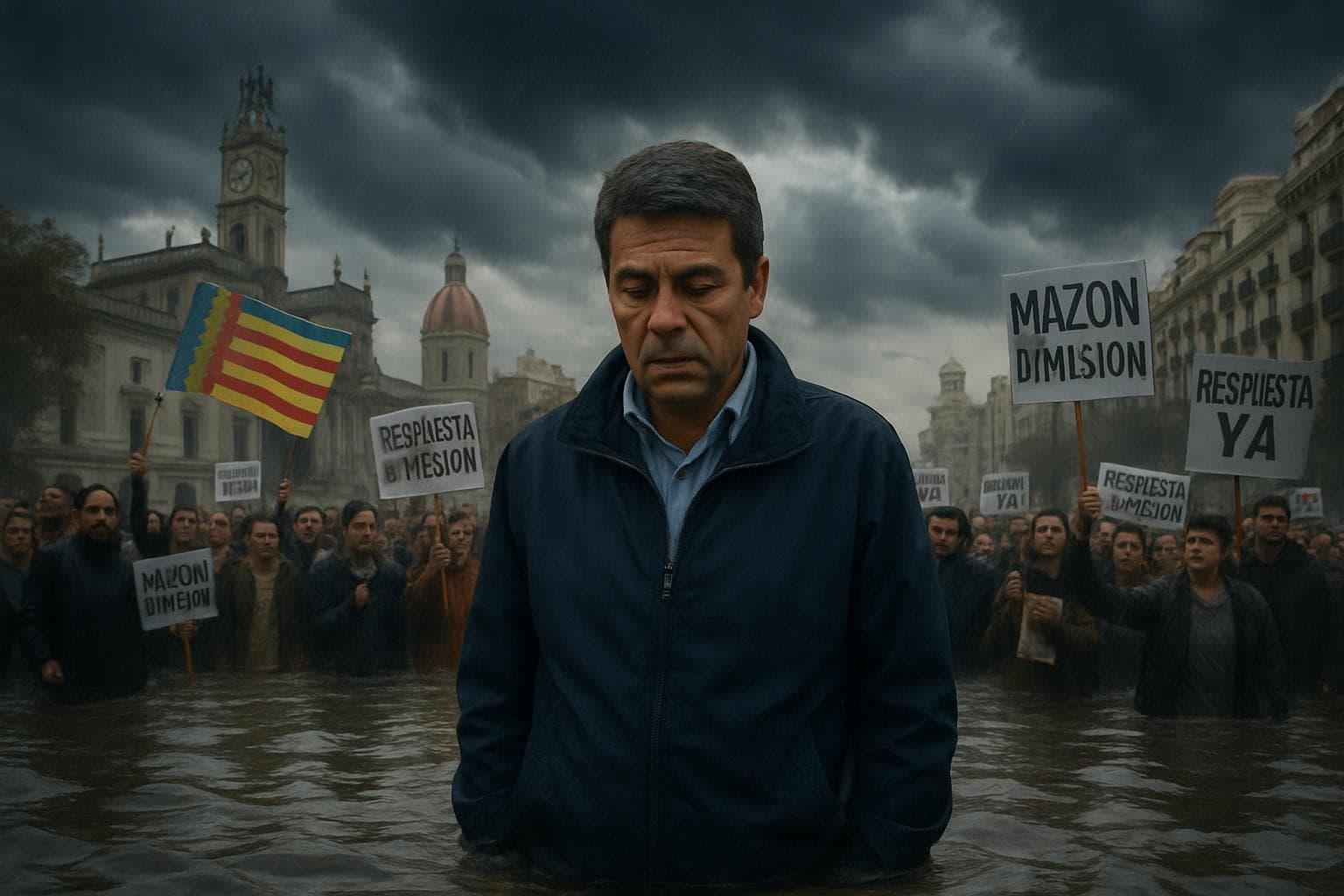
Carlos Mazón, the president of Spain's Valencia region, has resigned amid mounting public and political pressure over his administration's handling of catastrophic floods that claimed 229 lives in October 2024. The disaster, Spain's deadliest in decades, exposed significant failures in emergency response, leading to widespread criticism and calls for accountability.
Public Outcry and Political Pressure
The floods, which devastated towns across Valencia, were exacerbated by the regional government's delayed response. An emergency alert was not issued until late in the evening, by which time many lives had already been lost. Mazón, a member of the conservative People's Party (PP), faced intense scrutiny after it was revealed he spent hours at a restaurant with journalist Maribel Vilaplana during the crisis, missing crucial emergency meetings.
Public sentiment turned sharply against Mazón, with monthly protests demanding his resignation. A recent demonstration on October 25 drew an estimated 50,000 participants. Polls indicated that 75% of Valencians believed Mazón should step down, a sentiment echoed during a memorial service for the victims, where he was met with jeers and accusations.
Judicial and Political Ramifications
Mazón's resignation comes as a judicial inquiry investigates potential negligence, including possible charges of reckless homicide. Vilaplana testified that Mazón was frequently interrupted by calls during their lunch, suggesting he was aware of the unfolding disaster. Despite stepping down, Mazón retains his seat in the regional parliament, granting him immunity from prosecution.
In his resignation speech, Mazón acknowledged his mistakes, stating, "I can't go on anymore... I acknowledge it and will live with them for the rest of my life." He also criticized the national government's response, accusing it of withholding aid for political reasons.
Future Implications for the People's Party
Mazón's departure poses challenges for the PP, as his unpopularity threatened to undermine the party's electoral prospects both regionally and nationally. The process of appointing a successor is complicated by the party's reliance on parliamentary support in Valencia.
WHAT THIS MIGHT MEAN
The resignation of Carlos Mazón marks a significant turning point for the People's Party in Valencia, potentially reshaping the region's political landscape. The ongoing judicial inquiry could lead to further legal actions, especially if evidence of negligence is substantiated. Politically, the PP must navigate the fallout and appoint a leader capable of restoring public trust while addressing the systemic failures exposed by the floods. Nationally, the incident underscores the critical importance of effective disaster management and political accountability in the face of natural calamities.
Related Articles
Spain's Sánchez Stands Firm Against Trump's Trade Threat Over Iran Stance
Spain Mourns as Investigation Begins into Deadly Train Crash

Spain's Landmark Decree to Regularise Half a Million Undocumented Migrants
Tragedy Strikes as High-Speed Train Collision in Spain Claims 39 Lives

UK Faces Unrelenting Rainfall Amid Blocked Weather Patterns and Climate Crisis

Thailand's Pivotal Election: Reformists Challenge Conservative Stronghold
Valencia Leader Steps Down Amid Backlash Over Flood Response
In This Article
 Ethan Brooks| Published
 HIGHLIGHTS
- Carlos Mazón, president of Valencia, resigned following criticism over his handling of deadly floods in October 2024.
- The floods resulted in 229 deaths in Valencia, with delayed emergency alerts contributing to the tragedy.
- Public outrage led to massive protests, with 75% of Valencians supporting Mazón's resignation.
- Mazón's resignation coincided with a judicial investigation into potential negligence during the disaster.
- Despite stepping down, Mazón retains his parliamentary seat, maintaining immunity from prosecution.
Carlos Mazón, the president of Spain's Valencia region, has resigned amid mounting public and political pressure over his administration's handling of catastrophic floods that claimed 229 lives in October 2024. The disaster, Spain's deadliest in decades, exposed significant failures in emergency response, leading to widespread criticism and calls for accountability.
Public Outcry and Political Pressure
The floods, which devastated towns across Valencia, were exacerbated by the regional government's delayed response. An emergency alert was not issued until late in the evening, by which time many lives had already been lost. Mazón, a member of the conservative People's Party (PP), faced intense scrutiny after it was revealed he spent hours at a restaurant with journalist Maribel Vilaplana during the crisis, missing crucial emergency meetings.
Public sentiment turned sharply against Mazón, with monthly protests demanding his resignation. A recent demonstration on October 25 drew an estimated 50,000 participants. Polls indicated that 75% of Valencians believed Mazón should step down, a sentiment echoed during a memorial service for the victims, where he was met with jeers and accusations.
Judicial and Political Ramifications
Mazón's resignation comes as a judicial inquiry investigates potential negligence, including possible charges of reckless homicide. Vilaplana testified that Mazón was frequently interrupted by calls during their lunch, suggesting he was aware of the unfolding disaster. Despite stepping down, Mazón retains his seat in the regional parliament, granting him immunity from prosecution.
In his resignation speech, Mazón acknowledged his mistakes, stating, "I can't go on anymore... I acknowledge it and will live with them for the rest of my life." He also criticized the national government's response, accusing it of withholding aid for political reasons.
Future Implications for the People's Party
Mazón's departure poses challenges for the PP, as his unpopularity threatened to undermine the party's electoral prospects both regionally and nationally. The process of appointing a successor is complicated by the party's reliance on parliamentary support in Valencia.
WHAT THIS MIGHT MEAN
The resignation of Carlos Mazón marks a significant turning point for the People's Party in Valencia, potentially reshaping the region's political landscape. The ongoing judicial inquiry could lead to further legal actions, especially if evidence of negligence is substantiated. Politically, the PP must navigate the fallout and appoint a leader capable of restoring public trust while addressing the systemic failures exposed by the floods. Nationally, the incident underscores the critical importance of effective disaster management and political accountability in the face of natural calamities.
Related Articles
Spain's Sánchez Stands Firm Against Trump's Trade Threat Over Iran Stance
Spain Mourns as Investigation Begins into Deadly Train Crash
Spain's Landmark Decree to Regularise Half a Million Undocumented Migrants
Tragedy Strikes as High-Speed Train Collision in Spain Claims 39 Lives
UK Faces Unrelenting Rainfall Amid Blocked Weather Patterns and Climate Crisis
Thailand's Pivotal Election: Reformists Challenge Conservative Stronghold