
Venezuela Probes Alleged Torture of Citizens in El Salvador Prisons
In This Article
HIGHLIGHTS
- Venezuela has launched an investigation into alleged human rights abuses of its citizens in El Salvador's CECOT prison.
- Over 250 Venezuelans were detained in El Salvador after being deported from the US under the 1798 Alien Enemies Act.
- Venezuelan Attorney General Tarek William Saab accused El Salvador of systemic torture, including sexual abuse and beatings.
- The detainees were repatriated to Venezuela as part of a prisoner exchange deal with the US.
- El Salvador's President Nayib Bukele and other officials are under scrutiny, but El Salvador has yet to respond to the allegations.
Venezuela has initiated an investigation into claims of severe human rights abuses against its citizens detained in El Salvador's notorious CECOT prison. The move follows the repatriation of over 250 Venezuelans, who were held in El Salvador after being deported from the United States earlier this year.
Allegations of Systemic Abuse
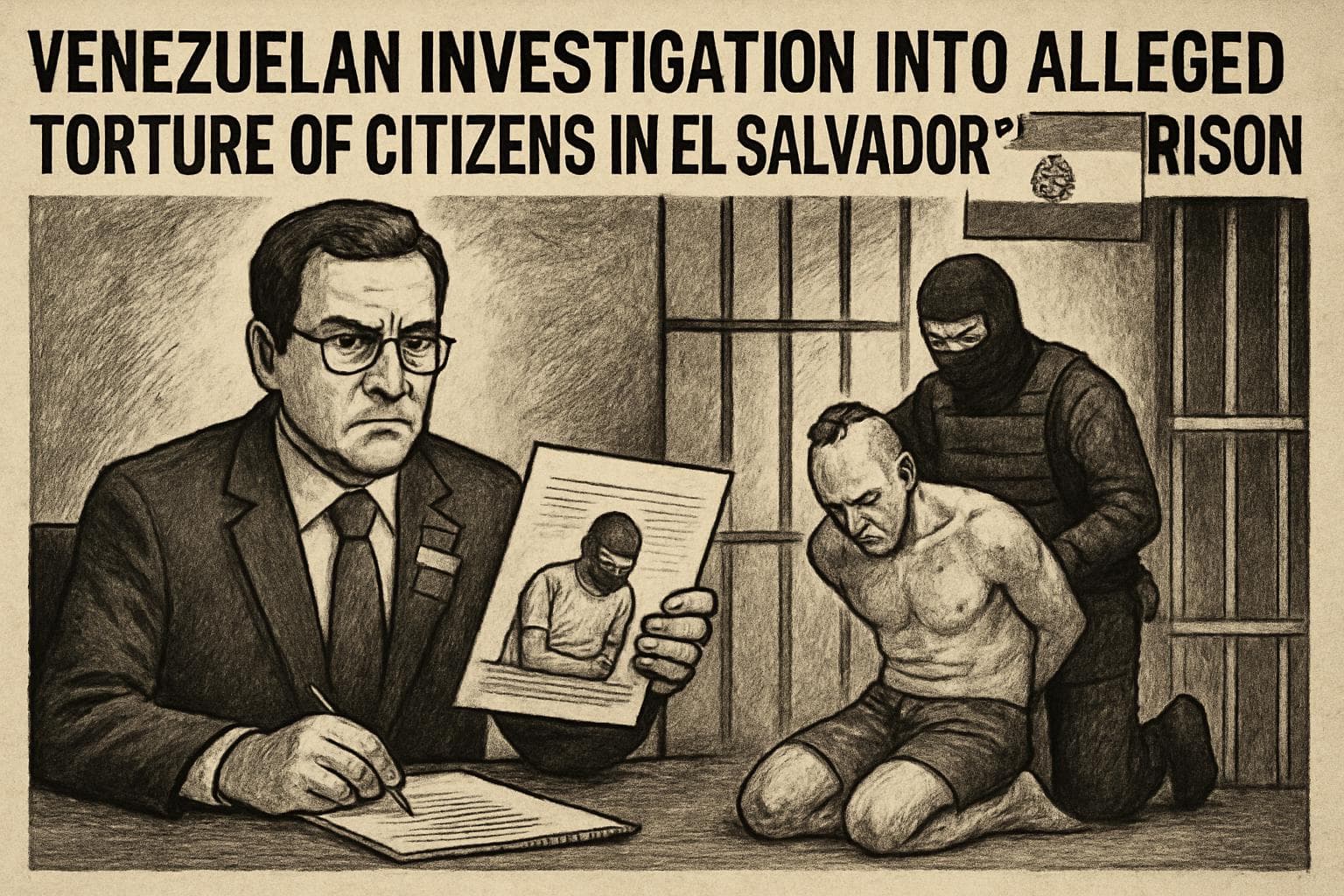
Venezuelan Attorney General Tarek William Saab announced the investigation, citing reports of systemic torture, including sexual abuse, daily beatings, and inadequate food and medical care. Saab presented testimonies and images purportedly showing injuries such as bruising and missing teeth. The Venezuelan government is calling on international bodies, including the International Criminal Court (ICC) and the UN Human Rights Council, to investigate the matter further.
Background of Detention
The detainees were sent to El Salvador in March under the 1798 Alien Enemies Act, which allows the US president to deport individuals from "enemy" nations without standard legal procedures. They were accused of being affiliated with the Tren de Aragua gang, a claim disputed by their families and legal representatives. The deportations sparked criticism from human rights organizations and led to legal challenges against the Trump administration.
Prisoner Exchange and Repatriation
The Venezuelans were released from El Salvador in mid-July as part of a prisoner exchange agreement with the United States. This deal also facilitated the release of US nationals held in Venezuela. Upon their return, the former detainees were reunited with their families near Caracas, where they are undergoing medical evaluations and interviews.
Political and Legal Repercussions
El Salvador's President Nayib Bukele, Justice Minister Gustavo Villatoro, and Head of Prisons Osiris Luna Meza are under investigation by Venezuela. However, El Salvador has not yet responded to these allegations. The situation has drawn attention to Venezuela's own human rights record, as the country faces similar accusations from the ICC regarding the treatment of prisoners.
WHAT THIS MIGHT MEAN
The investigation into El Salvador's treatment of Venezuelan detainees could have significant diplomatic and legal ramifications. If the allegations are substantiated, it may strain relations between Venezuela and El Salvador, potentially involving international human rights organizations. The scrutiny on President Nayib Bukele and other officials could lead to increased pressure on El Salvador to address prison conditions and human rights practices.
Meanwhile, Venezuela's own human rights record remains under the spotlight, with ongoing investigations by the ICC. The situation underscores the complex geopolitical dynamics in the region, where human rights issues are intertwined with political and legal challenges. As the investigation unfolds, it could influence international perceptions and policies regarding both nations.
Related Articles

Cuba Faces Widespread Blackout Amid Deepening Fuel Crisis
Venezuelan Political Prisoners Seek Amnesty Amidst Hopes for Democratic Transition

El Mencho's Death Sparks Violent Unrest Across Mexico
China Sets Lowest GDP Growth Target in Decades Amid Economic Challenges

Tech Giants Pledge to Cover AI Data Center Energy Costs Amid Rising Electricity Concerns

UK Faces Dilemmas Amid Iran Conflict and China Spying Allegations
Venezuela Probes Alleged Torture of Citizens in El Salvador Prisons
In This Article
HIGHLIGHTS
- Venezuela has launched an investigation into alleged human rights abuses of its citizens in El Salvador's CECOT prison.
- Over 250 Venezuelans were detained in El Salvador after being deported from the US under the 1798 Alien Enemies Act.
- Venezuelan Attorney General Tarek William Saab accused El Salvador of systemic torture, including sexual abuse and beatings.
- The detainees were repatriated to Venezuela as part of a prisoner exchange deal with the US.
- El Salvador's President Nayib Bukele and other officials are under scrutiny, but El Salvador has yet to respond to the allegations.
Venezuela has initiated an investigation into claims of severe human rights abuses against its citizens detained in El Salvador's notorious CECOT prison. The move follows the repatriation of over 250 Venezuelans, who were held in El Salvador after being deported from the United States earlier this year.
Allegations of Systemic Abuse
Venezuelan Attorney General Tarek William Saab announced the investigation, citing reports of systemic torture, including sexual abuse, daily beatings, and inadequate food and medical care. Saab presented testimonies and images purportedly showing injuries such as bruising and missing teeth. The Venezuelan government is calling on international bodies, including the International Criminal Court (ICC) and the UN Human Rights Council, to investigate the matter further.
Background of Detention
The detainees were sent to El Salvador in March under the 1798 Alien Enemies Act, which allows the US president to deport individuals from "enemy" nations without standard legal procedures. They were accused of being affiliated with the Tren de Aragua gang, a claim disputed by their families and legal representatives. The deportations sparked criticism from human rights organizations and led to legal challenges against the Trump administration.
Prisoner Exchange and Repatriation
The Venezuelans were released from El Salvador in mid-July as part of a prisoner exchange agreement with the United States. This deal also facilitated the release of US nationals held in Venezuela. Upon their return, the former detainees were reunited with their families near Caracas, where they are undergoing medical evaluations and interviews.
Political and Legal Repercussions
El Salvador's President Nayib Bukele, Justice Minister Gustavo Villatoro, and Head of Prisons Osiris Luna Meza are under investigation by Venezuela. However, El Salvador has not yet responded to these allegations. The situation has drawn attention to Venezuela's own human rights record, as the country faces similar accusations from the ICC regarding the treatment of prisoners.
WHAT THIS MIGHT MEAN
The investigation into El Salvador's treatment of Venezuelan detainees could have significant diplomatic and legal ramifications. If the allegations are substantiated, it may strain relations between Venezuela and El Salvador, potentially involving international human rights organizations. The scrutiny on President Nayib Bukele and other officials could lead to increased pressure on El Salvador to address prison conditions and human rights practices.
Meanwhile, Venezuela's own human rights record remains under the spotlight, with ongoing investigations by the ICC. The situation underscores the complex geopolitical dynamics in the region, where human rights issues are intertwined with political and legal challenges. As the investigation unfolds, it could influence international perceptions and policies regarding both nations.
Related Articles
Cuba Faces Widespread Blackout Amid Deepening Fuel Crisis
Venezuelan Political Prisoners Seek Amnesty Amidst Hopes for Democratic Transition
El Mencho's Death Sparks Violent Unrest Across Mexico
China Sets Lowest GDP Growth Target in Decades Amid Economic Challenges
Tech Giants Pledge to Cover AI Data Center Energy Costs Amid Rising Electricity Concerns
UK Faces Dilemmas Amid Iran Conflict and China Spying Allegations