
Vera C Rubin Observatory Unveils First Images, Promising New Cosmic Discoveries
In This Article
HIGHLIGHTS
- The Vera C Rubin observatory in Chile has released its first images, showcasing its unprecedented ability to explore the universe.
- The observatory's 10-year survey aims to map the Milky Way and potentially discover a ninth planet in our solar system.
- Equipped with the world's largest digital camera, the telescope has already identified over 2,000 previously unseen asteroids.
- The observatory will provide insights into dark matter and capture a vast array of cosmic phenomena, including supernovae and distant galaxies.
- The UK is a significant partner in the project, hosting data centers to process the extensive data collected.
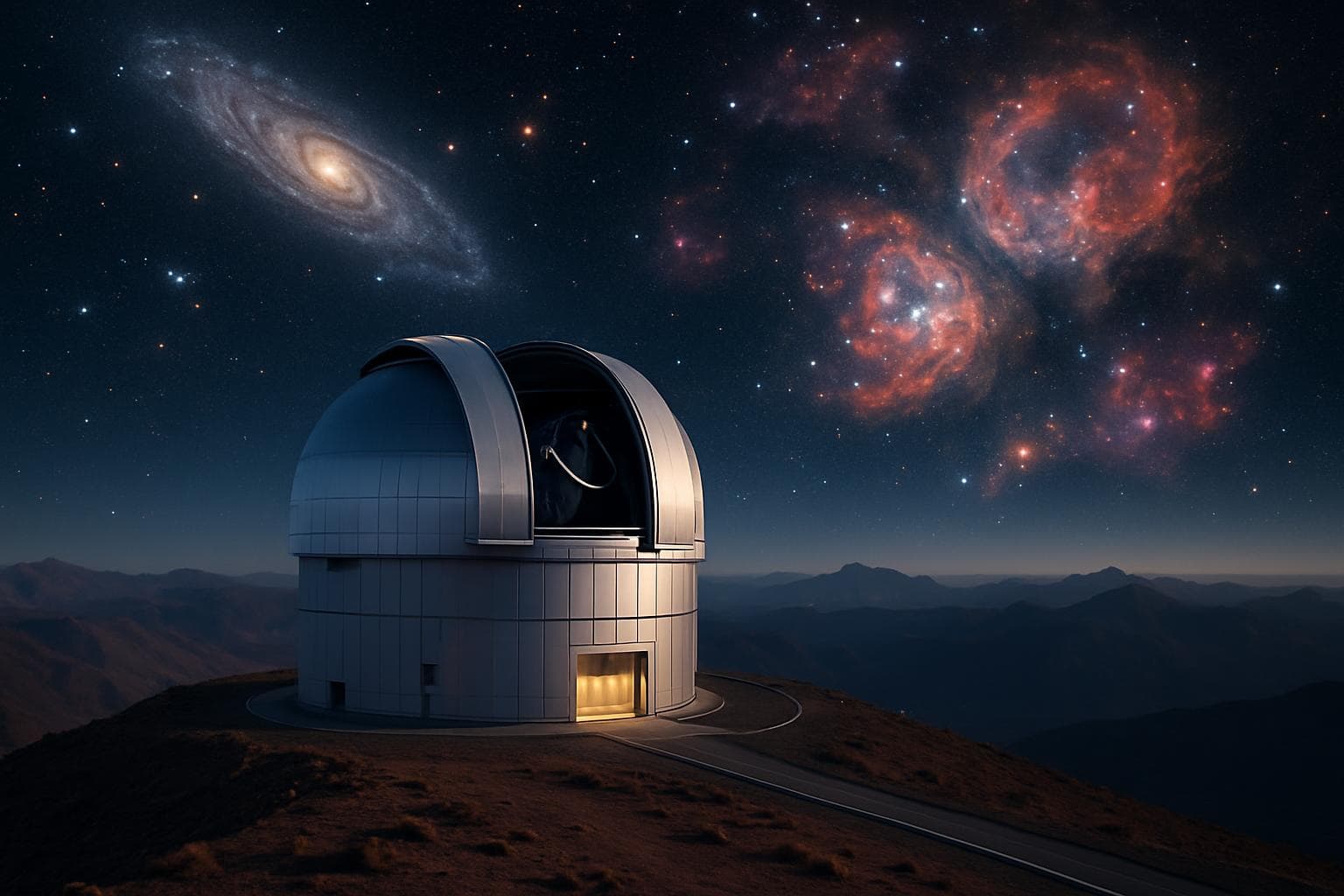
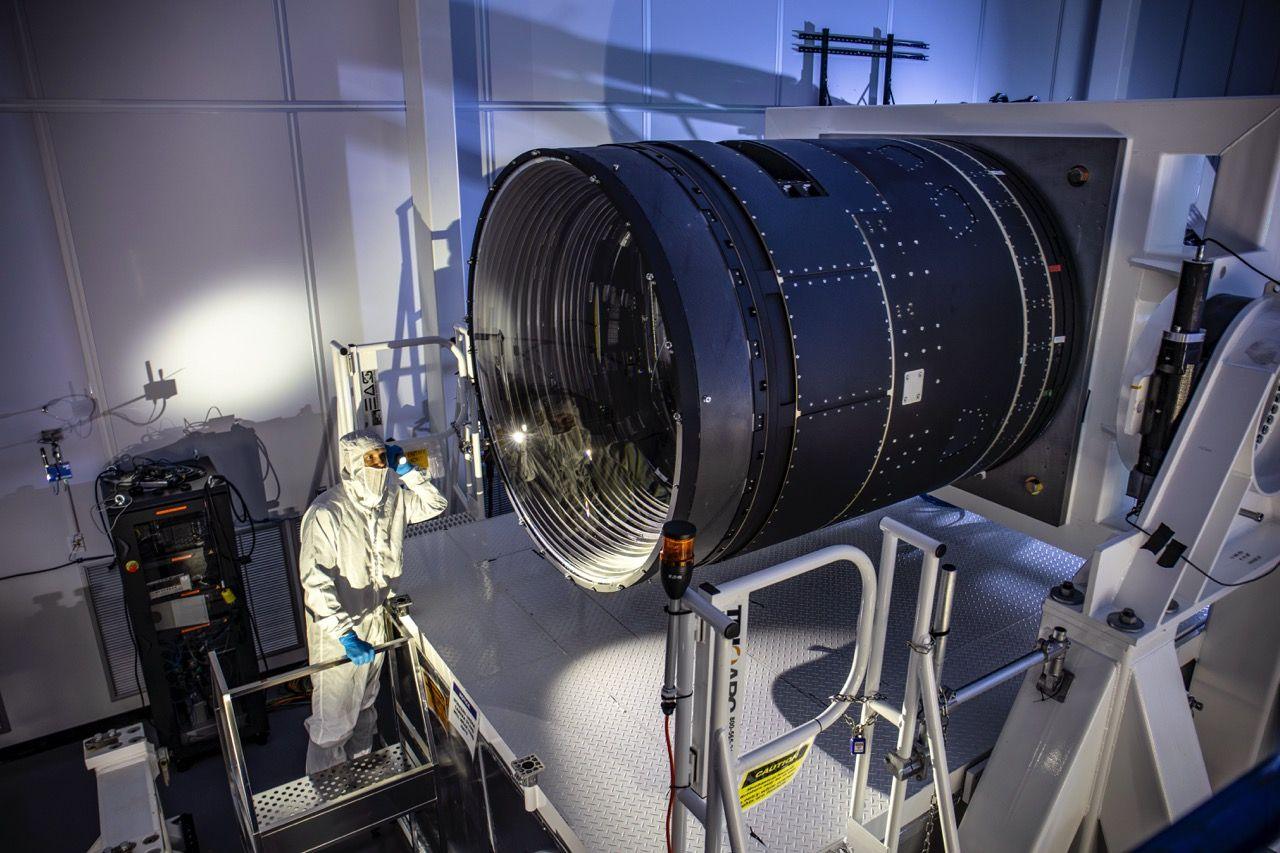
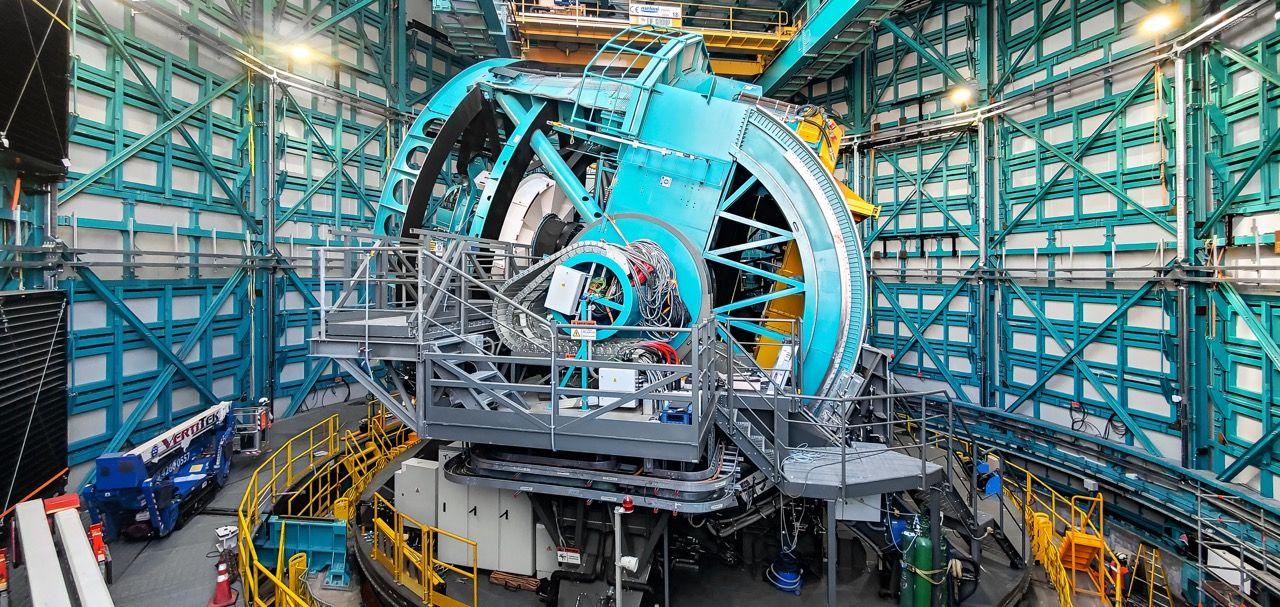
The Vera C Rubin observatory, perched high in the Chilean Andes, has released its first celestial images, marking the beginning of a groundbreaking 10-year astronomical survey. This state-of-the-art facility, equipped with the world's most powerful digital camera, is set to revolutionize our understanding of the universe.
A New Era in Astronomy
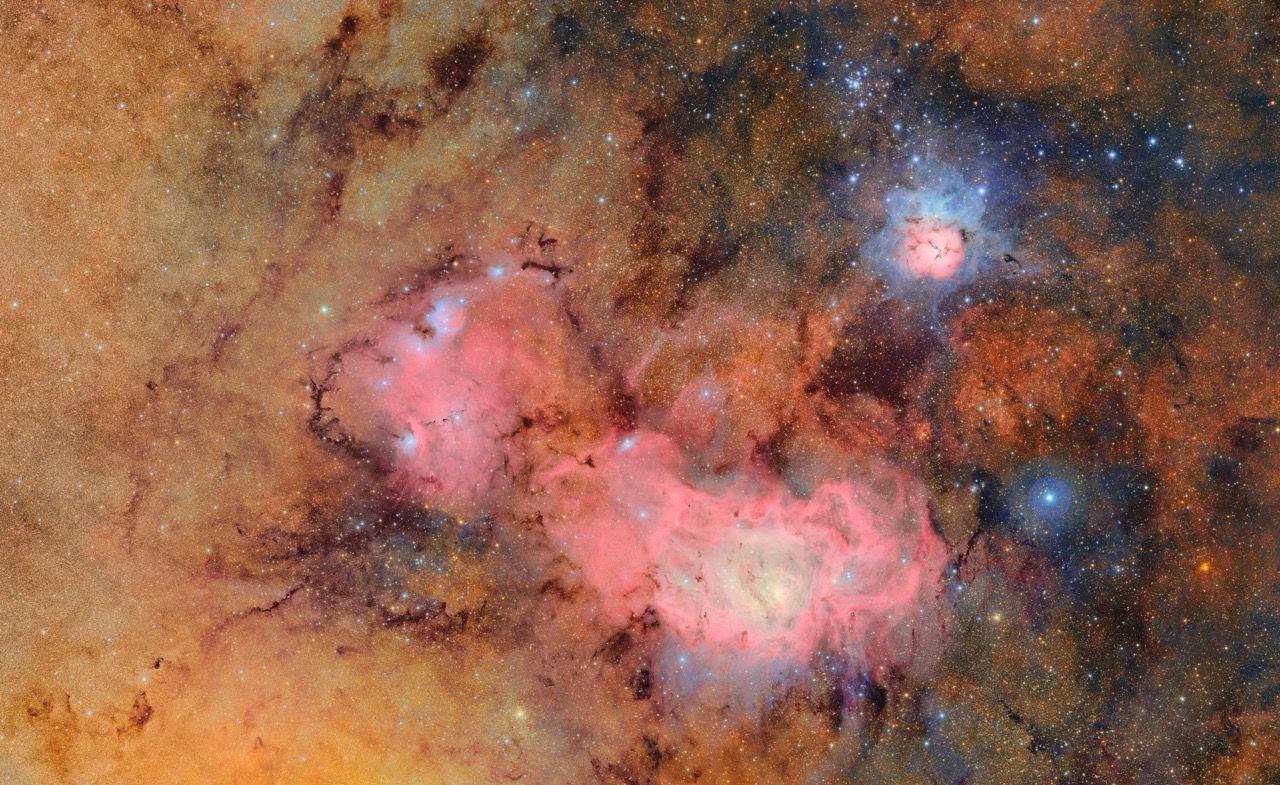
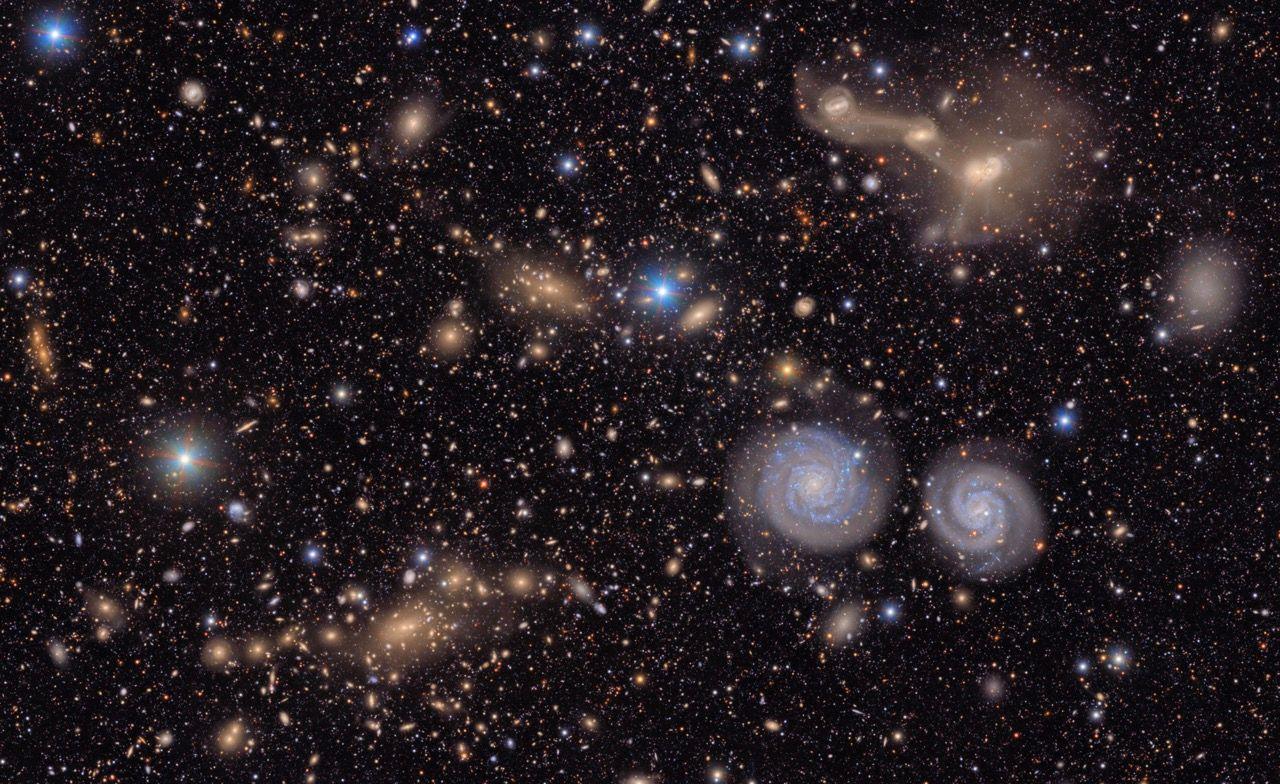
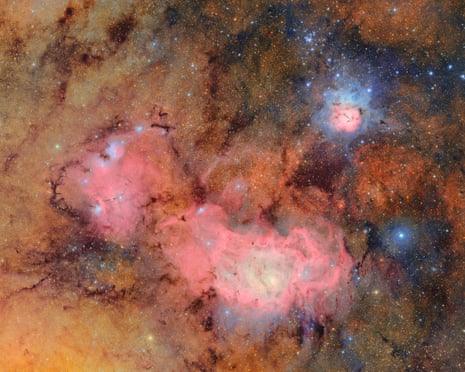
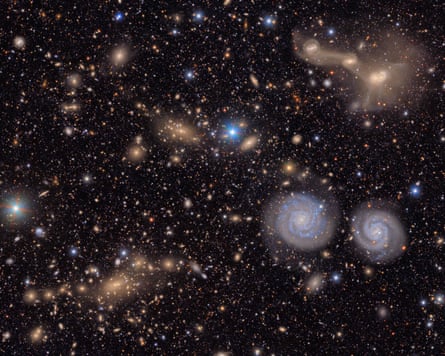
The observatory's initial images reveal stunning views of distant galaxies and swirling gas clouds, located 9,000 light years from Earth. These images are just the beginning of what astronomers anticipate will be a transformative period in cosmic exploration. Professor Catherine Heymans, Astronomer Royal for Scotland, expressed her excitement, stating, "I’m absolutely blown away. Just look, it’s teeming with gorgeous glittering galaxies!"
Unprecedented Capabilities
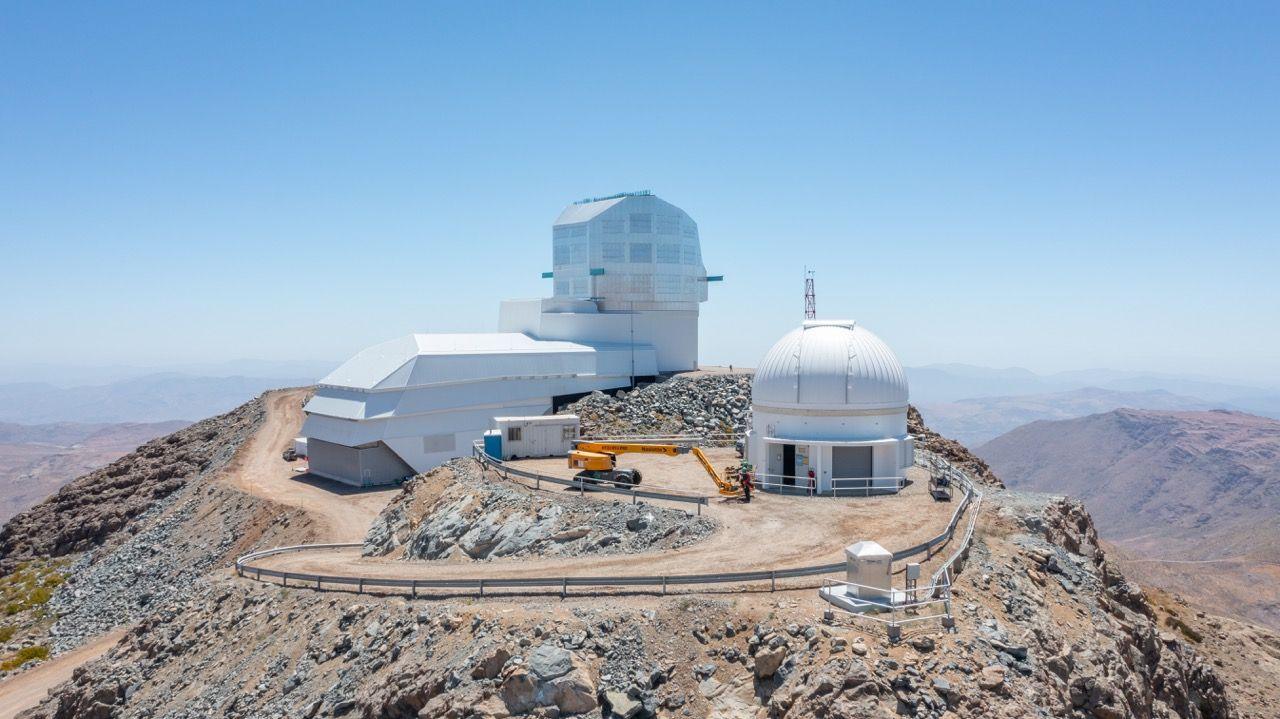
Built on Cerro Pachón, the observatory's unique three-mirror design allows it to capture exceptionally sharp images. In just 10 hours of observation, it identified 2,104 previously unspotted asteroids, including seven near-Earth objects. The telescope's ability to detect changes in the night sky will enable astronomers to respond swiftly to cosmic events.
Exploring the Unknown
One of the observatory's primary goals is to delve into the mysteries of dark matter, a substance that constitutes most of the universe. The telescope will also map the Milky Way and potentially discover new planets. "The power of this observatory is about being able to see so much of the cosmos," said Prof Aaron Roodman, deputy director for Rubin construction.
Global Collaboration
While the observatory is a US facility, the UK plays a crucial role, hosting data centers to process the vast amounts of information collected. The survey is expected to generate 500 petabytes of data, capturing everything from asteroids and comets to supernovae and interstellar objects.
WHAT THIS MIGHT MEAN
As the Vera C Rubin observatory continues its decade-long survey, the potential for groundbreaking discoveries is immense. The telescope's ability to detect faint galaxies and cosmic phenomena could lead to significant advancements in our understanding of the universe's history and structure. Moreover, the insights gained into dark matter could reshape fundamental theories in physics.
The collaboration between international partners, including the UK, underscores the global importance of this project. As data centers process the extensive information collected, the scientific community eagerly anticipates the new knowledge that will emerge, potentially altering our perception of the cosmos and our place within it.
Images from the Web
Related Articles

China Sets Lowest GDP Growth Target in Decades Amid Economic Challenges

Breakthrough Drug Offers Hope for Children with Severe Epilepsy

Cuba Faces Widespread Blackout Amid Deepening Fuel Crisis

UK Faces Dilemmas Amid Iran Conflict and China Spying Allegations

Google Faces Legal Battle Over AI Chatbot's Alleged Role in Tragic Death

Iran Postpones Khamenei Funeral Amid Escalating US-Israeli Strikes
Vera C Rubin Observatory Unveils First Images, Promising New Cosmic Discoveries
In This Article
 Himanshu Kaushik| Published
 HIGHLIGHTS
- The Vera C Rubin observatory in Chile has released its first images, showcasing its unprecedented ability to explore the universe.
- The observatory's 10-year survey aims to map the Milky Way and potentially discover a ninth planet in our solar system.
- Equipped with the world's largest digital camera, the telescope has already identified over 2,000 previously unseen asteroids.
- The observatory will provide insights into dark matter and capture a vast array of cosmic phenomena, including supernovae and distant galaxies.
- The UK is a significant partner in the project, hosting data centers to process the extensive data collected.
The Vera C Rubin observatory, perched high in the Chilean Andes, has released its first celestial images, marking the beginning of a groundbreaking 10-year astronomical survey. This state-of-the-art facility, equipped with the world's most powerful digital camera, is set to revolutionize our understanding of the universe.
A New Era in Astronomy
The observatory's initial images reveal stunning views of distant galaxies and swirling gas clouds, located 9,000 light years from Earth. These images are just the beginning of what astronomers anticipate will be a transformative period in cosmic exploration. Professor Catherine Heymans, Astronomer Royal for Scotland, expressed her excitement, stating, "I’m absolutely blown away. Just look, it’s teeming with gorgeous glittering galaxies!"
Unprecedented Capabilities
Built on Cerro Pachón, the observatory's unique three-mirror design allows it to capture exceptionally sharp images. In just 10 hours of observation, it identified 2,104 previously unspotted asteroids, including seven near-Earth objects. The telescope's ability to detect changes in the night sky will enable astronomers to respond swiftly to cosmic events.
Exploring the Unknown
One of the observatory's primary goals is to delve into the mysteries of dark matter, a substance that constitutes most of the universe. The telescope will also map the Milky Way and potentially discover new planets. "The power of this observatory is about being able to see so much of the cosmos," said Prof Aaron Roodman, deputy director for Rubin construction.
Global Collaboration
While the observatory is a US facility, the UK plays a crucial role, hosting data centers to process the vast amounts of information collected. The survey is expected to generate 500 petabytes of data, capturing everything from asteroids and comets to supernovae and interstellar objects.
WHAT THIS MIGHT MEAN
As the Vera C Rubin observatory continues its decade-long survey, the potential for groundbreaking discoveries is immense. The telescope's ability to detect faint galaxies and cosmic phenomena could lead to significant advancements in our understanding of the universe's history and structure. Moreover, the insights gained into dark matter could reshape fundamental theories in physics.
The collaboration between international partners, including the UK, underscores the global importance of this project. As data centers process the extensive information collected, the scientific community eagerly anticipates the new knowledge that will emerge, potentially altering our perception of the cosmos and our place within it.
Images from the Web
Related Articles
China Sets Lowest GDP Growth Target in Decades Amid Economic Challenges
Breakthrough Drug Offers Hope for Children with Severe Epilepsy
Cuba Faces Widespread Blackout Amid Deepening Fuel Crisis
UK Faces Dilemmas Amid Iran Conflict and China Spying Allegations
Google Faces Legal Battle Over AI Chatbot's Alleged Role in Tragic Death
Iran Postpones Khamenei Funeral Amid Escalating US-Israeli Strikes