
Wales Calls for Funding Overhaul Amidst Devolved Nations' Budget Concerns
In This Article
HIGHLIGHTS
- Wales' First Minister Eluned Morgan has called for a review of the funding system, criticizing the current reliance on Westminster.
- The UK government has pledged £445m for rail projects and £118m for coal tip restoration in Wales, but opposition parties argue the funding is still insufficient.
- Rachel Reeves has been accused of leaving devolved nations with funding gaps due to the national insurance contributions rise.
- The Barnett formula, used to calculate funding for devolved nations, is under scrutiny for not adequately addressing the needs of Wales, Scotland, and Northern Ireland.
- Welsh Finance Secretary Mark Drakeford announced a £36m annual reserve allocation to partially cover the funding shortfall.
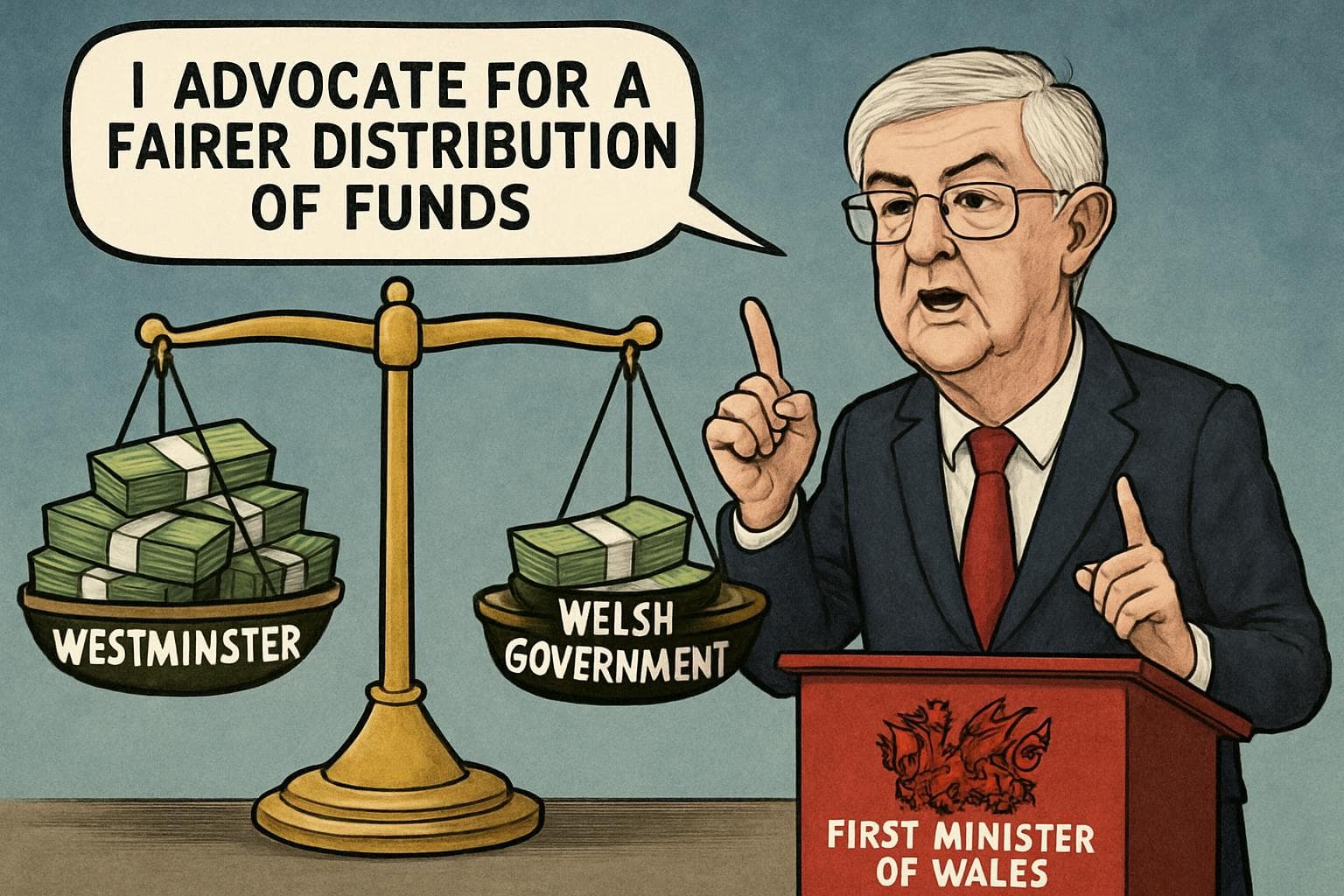
Wales' First Minister, Eluned Morgan, has urged a comprehensive review of the funding system that currently ties the Welsh government's budget to decisions made in Westminster. Morgan expressed her desire to move away from the "cap in hand" approach, advocating for a more equitable distribution of funds that would ensure Wales receives its fair share automatically.
The call for change comes as the UK government, led by Chancellor Rachel Reeves, announced a £445 million investment in Welsh rail projects and £118 million for coal tip restoration. Despite these pledges, opposition parties and Welsh Labour MPs argue that the funding remains inadequate, highlighting long-standing calls for reform of the Barnett formula. This formula, which determines the block grant for devolved administrations, is criticized for not reflecting the unique needs of Wales, Scotland, and Northern Ireland.
The controversy extends beyond Wales, with Reeves facing accusations of leaving devolved nations with significant funding gaps following a 1.2% rise in national insurance contributions. The Treasury's decision to use the Barnett formula to calculate the necessary funds has been met with criticism from finance officials in Cardiff, Edinburgh, and Belfast. They argue that the move violates the UK's statement of funding policy, which aims to prevent adverse financial implications among constituent governments.
In response, Welsh Finance Secretary Mark Drakeford announced that the Welsh government would allocate £36 million annually from its reserves to address half of the funding shortfall. However, public sector employers, including health boards and local councils, will need to cover the remaining gap, resulting in a 14% cut across various sectors.
Scotland and Northern Ireland face similar challenges, with estimated funding shortages of £700 million and £200 million, respectively. Despite additional allocations from the Treasury, the devolved administrations continue to call for a full funding of the national insurance rise to prevent adverse impacts on public services.
WHAT THIS MIGHT MEAN
The ongoing debate over the Barnett formula and funding allocations for devolved nations could lead to significant political and economic implications. If the UK government fails to address these concerns, it may fuel further calls for fiscal autonomy or even independence movements within the devolved nations. Experts suggest that a comprehensive review of the funding system could pave the way for more equitable and transparent financial arrangements, potentially easing tensions between Westminster and the devolved administrations. As the situation unfolds, the pressure on the UK government to reconsider its approach to funding devolved nations is likely to intensify.
Related Articles

Middle East Conflict Drives UK Energy Prices to New Highs

Labour MP's Husband Arrested in UK-China Espionage Probe

Saharan Dust to Illuminate UK Skies with Vivid Sunrises and Sunsets
Reform UK Aims to Reshape Welsh Politics with New Manifesto

Sisters Tragically Drown at Eryri National Park's Watkin Path

Police Federation Chief Arrested Amid Fraud Investigation
Wales Calls for Funding Overhaul Amidst Devolved Nations' Budget Concerns
In This Article
 Daniel Rivera| Published
 HIGHLIGHTS
- Wales' First Minister Eluned Morgan has called for a review of the funding system, criticizing the current reliance on Westminster.
- The UK government has pledged £445m for rail projects and £118m for coal tip restoration in Wales, but opposition parties argue the funding is still insufficient.
- Rachel Reeves has been accused of leaving devolved nations with funding gaps due to the national insurance contributions rise.
- The Barnett formula, used to calculate funding for devolved nations, is under scrutiny for not adequately addressing the needs of Wales, Scotland, and Northern Ireland.
- Welsh Finance Secretary Mark Drakeford announced a £36m annual reserve allocation to partially cover the funding shortfall.
Wales' First Minister, Eluned Morgan, has urged a comprehensive review of the funding system that currently ties the Welsh government's budget to decisions made in Westminster. Morgan expressed her desire to move away from the "cap in hand" approach, advocating for a more equitable distribution of funds that would ensure Wales receives its fair share automatically.
The call for change comes as the UK government, led by Chancellor Rachel Reeves, announced a £445 million investment in Welsh rail projects and £118 million for coal tip restoration. Despite these pledges, opposition parties and Welsh Labour MPs argue that the funding remains inadequate, highlighting long-standing calls for reform of the Barnett formula. This formula, which determines the block grant for devolved administrations, is criticized for not reflecting the unique needs of Wales, Scotland, and Northern Ireland.
The controversy extends beyond Wales, with Reeves facing accusations of leaving devolved nations with significant funding gaps following a 1.2% rise in national insurance contributions. The Treasury's decision to use the Barnett formula to calculate the necessary funds has been met with criticism from finance officials in Cardiff, Edinburgh, and Belfast. They argue that the move violates the UK's statement of funding policy, which aims to prevent adverse financial implications among constituent governments.
In response, Welsh Finance Secretary Mark Drakeford announced that the Welsh government would allocate £36 million annually from its reserves to address half of the funding shortfall. However, public sector employers, including health boards and local councils, will need to cover the remaining gap, resulting in a 14% cut across various sectors.
Scotland and Northern Ireland face similar challenges, with estimated funding shortages of £700 million and £200 million, respectively. Despite additional allocations from the Treasury, the devolved administrations continue to call for a full funding of the national insurance rise to prevent adverse impacts on public services.
WHAT THIS MIGHT MEAN
The ongoing debate over the Barnett formula and funding allocations for devolved nations could lead to significant political and economic implications. If the UK government fails to address these concerns, it may fuel further calls for fiscal autonomy or even independence movements within the devolved nations. Experts suggest that a comprehensive review of the funding system could pave the way for more equitable and transparent financial arrangements, potentially easing tensions between Westminster and the devolved administrations. As the situation unfolds, the pressure on the UK government to reconsider its approach to funding devolved nations is likely to intensify.
Related Articles
Middle East Conflict Drives UK Energy Prices to New Highs
Labour MP's Husband Arrested in UK-China Espionage Probe
Saharan Dust to Illuminate UK Skies with Vivid Sunrises and Sunsets
Reform UK Aims to Reshape Welsh Politics with New Manifesto
Sisters Tragically Drown at Eryri National Park's Watkin Path
Police Federation Chief Arrested Amid Fraud Investigation