
West Yorkshire Tram Project Faces Delay After Government Review
In This Article
HIGHLIGHTS
- The £2.5bn West Yorkshire tram project has been delayed to the late 2030s following a government review.
- The review advised separating the planning and business case processes, impacting the original timeline.
- West Yorkshire Mayor Tracy Brabin remains committed to the project, emphasizing collaboration with the government.
- The delay raises concerns about increased costs and potential jeopardy to the mass transit scheme.
- Leeds remains the largest European city without a light rail system, following past failed attempts at similar projects.
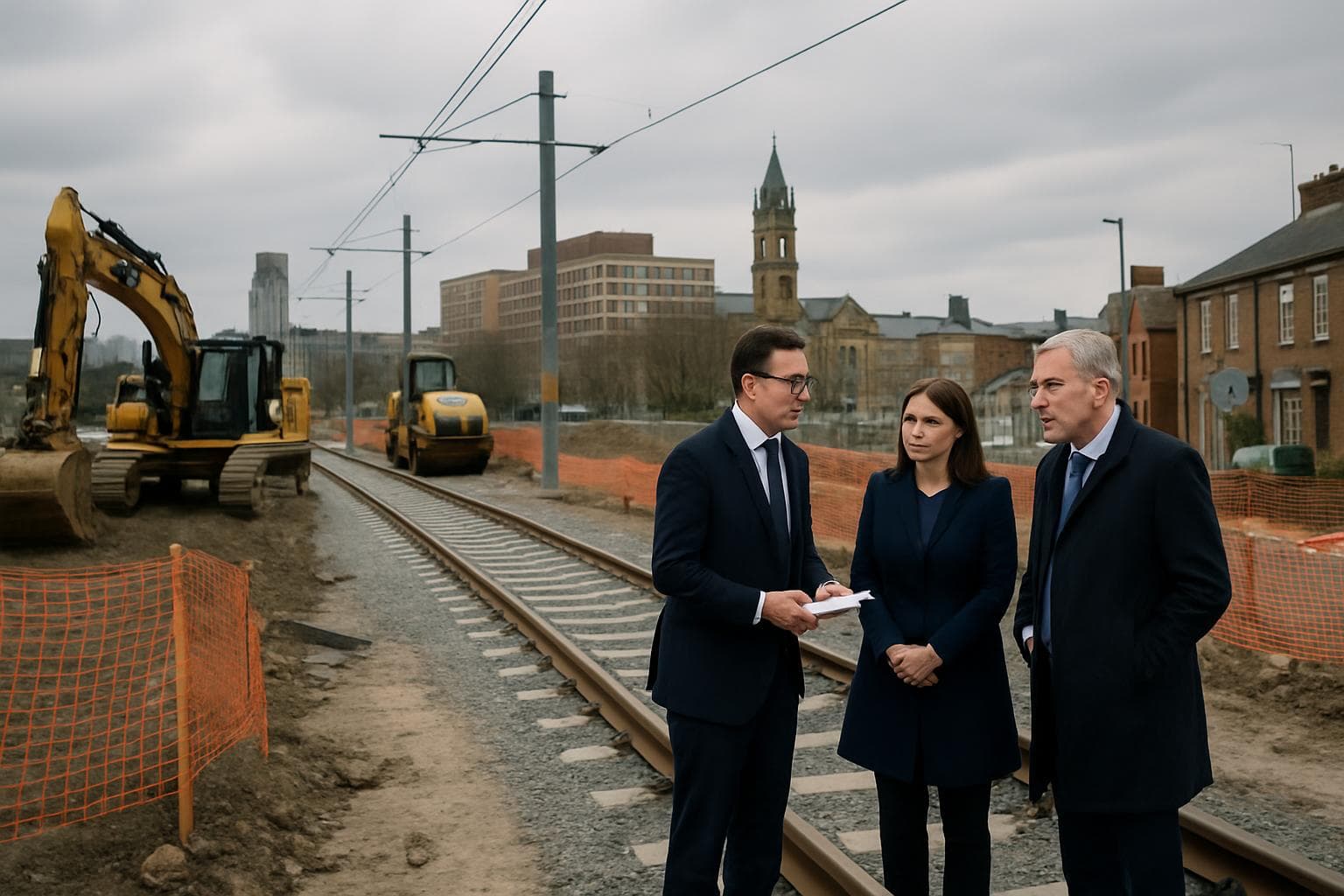
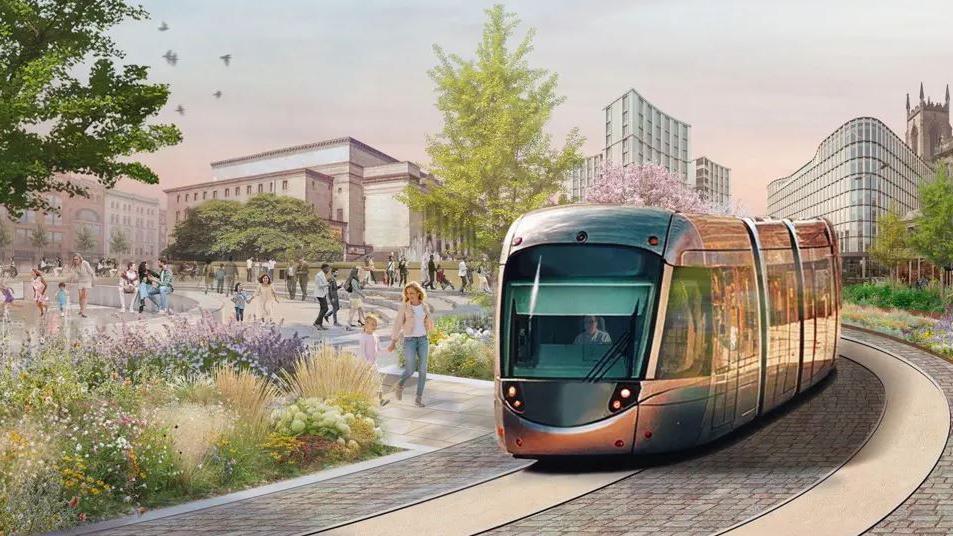
The ambitious £2.5bn tram system planned for West Yorkshire has encountered a significant delay, pushing its expected completion to the late 2030s. This setback follows a comprehensive review by the government, which has prompted a re-evaluation of the project's timeline and approach.
Government Review Alters Project Strategy
The West Yorkshire Combined Authority (WYCA) had initially aimed to have trams operational on two lines connecting Leeds and Bradford by the early 2030s. However, the government's infrastructure advisory unit, Nista, recommended a more sequential approach, requiring the submission of an initial business case before further planning. This adjustment has extended the project's timeline by at least two to three years.
Commitment Amidst Concerns
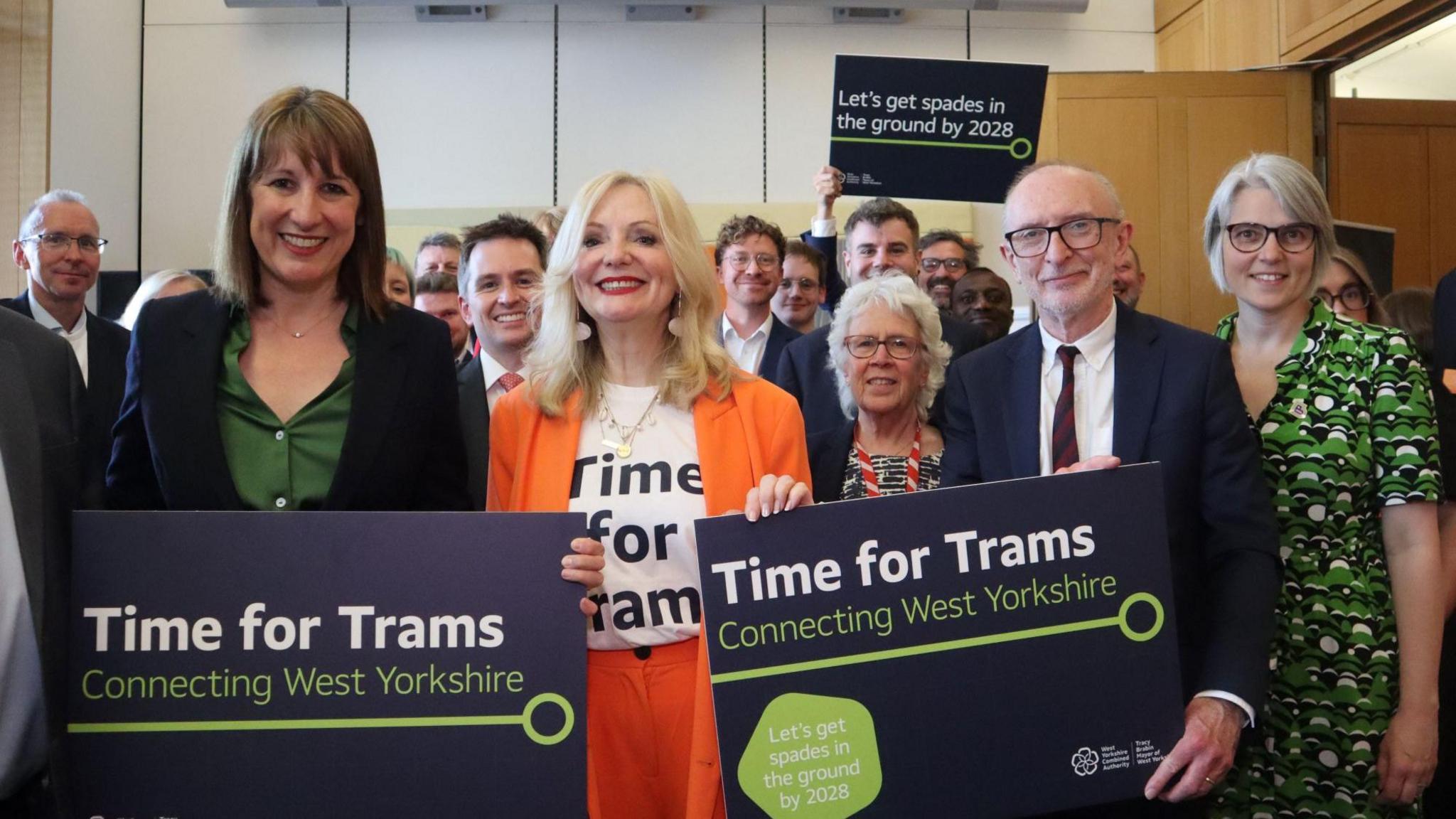
Despite the delay, West Yorkshire Mayor Tracy Brabin remains optimistic about the project's future, asserting her commitment to delivering a world-class transport system. "We wanted to try something new. That’s not the way it’s going to be. That’s fine. But we will continue to innovate throughout the process," Brabin stated. She emphasized the importance of collaboration with the government to expedite the project's delivery.
Historical Context and Local Impact
Leeds, notably the largest city in Europe without a light rail or metro system, has faced previous setbacks in establishing a mass transit network. Past initiatives, including the Supertram and a proposed trolleybus network, were shelved due to rising costs and planning challenges. The current tram project aims to improve local transport for 675,000 residents, particularly benefiting West Yorkshire's most deprived communities.
Political and Financial Implications
The delay has sparked concerns about escalating costs and the potential jeopardy of the entire scheme. Alan Lamb, Leeds City Council's Conservative group leader, expressed skepticism, likening the situation to previous failed projects. Meanwhile, Rail Minister Peter Hendy assured support for the tram system, highlighting the government's commitment to the region's transport infrastructure.
WHAT THIS MIGHT MEAN
The delay in the West Yorkshire tram project could have significant implications for the region's transport infrastructure and economic development. If costs continue to rise, securing additional funding may become a critical challenge. Politically, the delay could influence public perception and trust in local government initiatives, especially given the history of failed transport projects in Leeds.
Moving forward, the collaboration between WYCA and the government will be crucial in navigating these challenges. Successful implementation of the tram system could serve as a model for future infrastructure projects across the UK, emphasizing the importance of strategic planning and government support in delivering large-scale public transport solutions.
Images from the Web
Related Articles

Canada and Australia Forge Strategic Partnership Amid Global Uncertainty

UK Government to Reform Asylum Seeker Support and Employment Policies
Middle East Conflict Drives UK Energy Prices to New Highs

UK Faces Dilemmas Amid Iran Conflict and China Spying Allegations
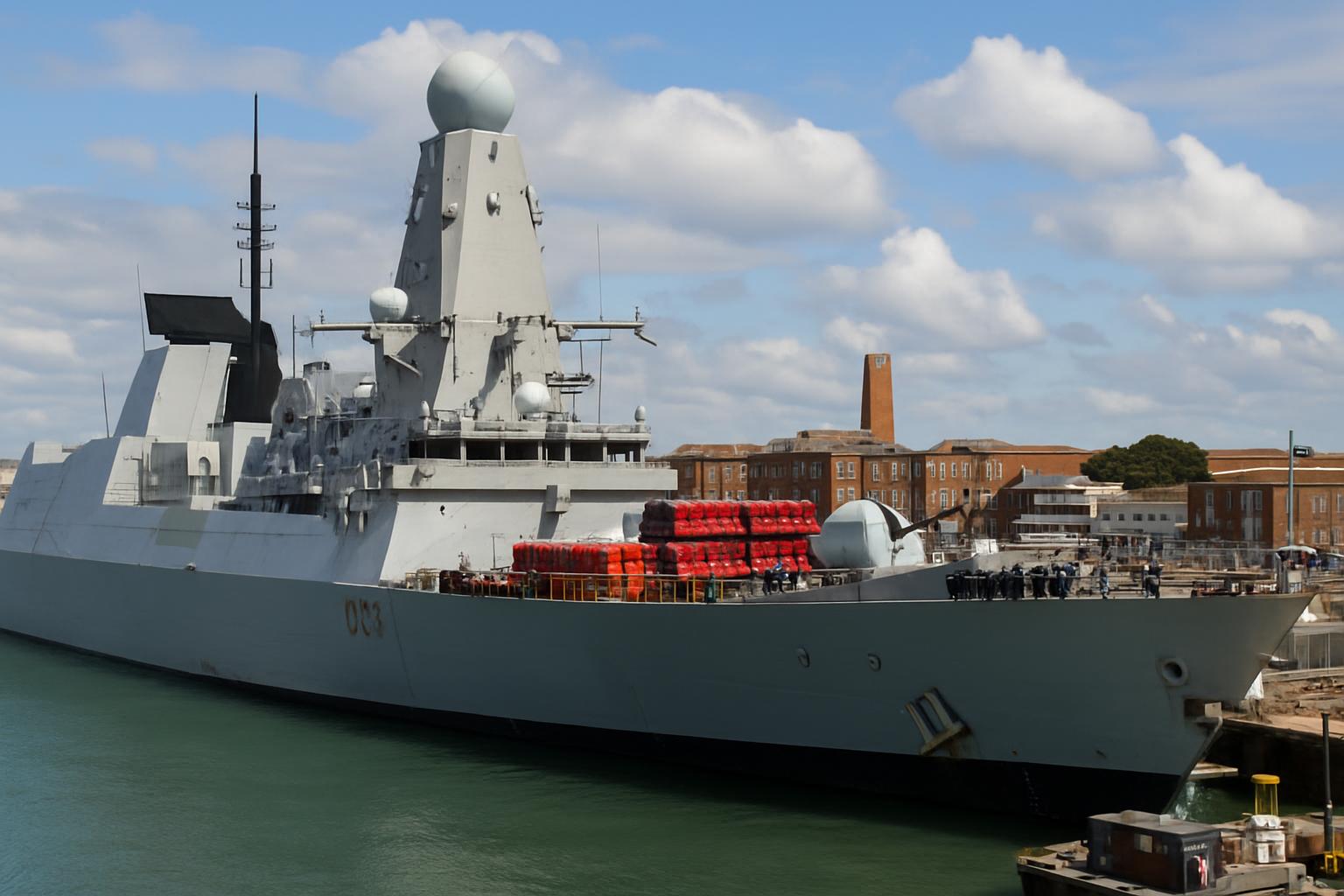
UK Reinforces Military Presence in Cyprus Amid Middle East Tensions

Police Federation Chief Arrested Amid Fraud Investigation
West Yorkshire Tram Project Faces Delay After Government Review
In This Article
 Himanshu Kaushik| Published
 HIGHLIGHTS
- The £2.5bn West Yorkshire tram project has been delayed to the late 2030s following a government review.
- The review advised separating the planning and business case processes, impacting the original timeline.
- West Yorkshire Mayor Tracy Brabin remains committed to the project, emphasizing collaboration with the government.
- The delay raises concerns about increased costs and potential jeopardy to the mass transit scheme.
- Leeds remains the largest European city without a light rail system, following past failed attempts at similar projects.
The ambitious £2.5bn tram system planned for West Yorkshire has encountered a significant delay, pushing its expected completion to the late 2030s. This setback follows a comprehensive review by the government, which has prompted a re-evaluation of the project's timeline and approach.
Government Review Alters Project Strategy
The West Yorkshire Combined Authority (WYCA) had initially aimed to have trams operational on two lines connecting Leeds and Bradford by the early 2030s. However, the government's infrastructure advisory unit, Nista, recommended a more sequential approach, requiring the submission of an initial business case before further planning. This adjustment has extended the project's timeline by at least two to three years.
Commitment Amidst Concerns
Despite the delay, West Yorkshire Mayor Tracy Brabin remains optimistic about the project's future, asserting her commitment to delivering a world-class transport system. "We wanted to try something new. That’s not the way it’s going to be. That’s fine. But we will continue to innovate throughout the process," Brabin stated. She emphasized the importance of collaboration with the government to expedite the project's delivery.
Historical Context and Local Impact
Leeds, notably the largest city in Europe without a light rail or metro system, has faced previous setbacks in establishing a mass transit network. Past initiatives, including the Supertram and a proposed trolleybus network, were shelved due to rising costs and planning challenges. The current tram project aims to improve local transport for 675,000 residents, particularly benefiting West Yorkshire's most deprived communities.
Political and Financial Implications
The delay has sparked concerns about escalating costs and the potential jeopardy of the entire scheme. Alan Lamb, Leeds City Council's Conservative group leader, expressed skepticism, likening the situation to previous failed projects. Meanwhile, Rail Minister Peter Hendy assured support for the tram system, highlighting the government's commitment to the region's transport infrastructure.
WHAT THIS MIGHT MEAN
The delay in the West Yorkshire tram project could have significant implications for the region's transport infrastructure and economic development. If costs continue to rise, securing additional funding may become a critical challenge. Politically, the delay could influence public perception and trust in local government initiatives, especially given the history of failed transport projects in Leeds.
Moving forward, the collaboration between WYCA and the government will be crucial in navigating these challenges. Successful implementation of the tram system could serve as a model for future infrastructure projects across the UK, emphasizing the importance of strategic planning and government support in delivering large-scale public transport solutions.
Images from the Web
Related Articles
Canada and Australia Forge Strategic Partnership Amid Global Uncertainty
UK Government to Reform Asylum Seeker Support and Employment Policies
Middle East Conflict Drives UK Energy Prices to New Highs
UK Faces Dilemmas Amid Iran Conflict and China Spying Allegations
UK Reinforces Military Presence in Cyprus Amid Middle East Tensions
Police Federation Chief Arrested Amid Fraud Investigation