
Surge in Whale and Dolphin Strandings in Scotland Raises Environmental Concerns
In This Article
HIGHLIGHTS
- Marine mammal strandings in Scotland have surged from about 100 to over 300 annually over 30 years, with over 5,140 incidents recorded.
- The study highlights significant increases in strandings of common dolphins and baleen whales, with human activities like noise pollution and fishing gear entanglements as potential causes.
- Deep-diving species, such as beaked and pilot whales, have also seen a rise in strandings, possibly linked to sonic disturbances.
- The Scottish Entanglement Alliance is working to mitigate entanglement risks, while researchers emphasize the need for targeted conservation efforts.
- Climate change and recovering whale populations post-whaling are contributing factors to the increased strandings.
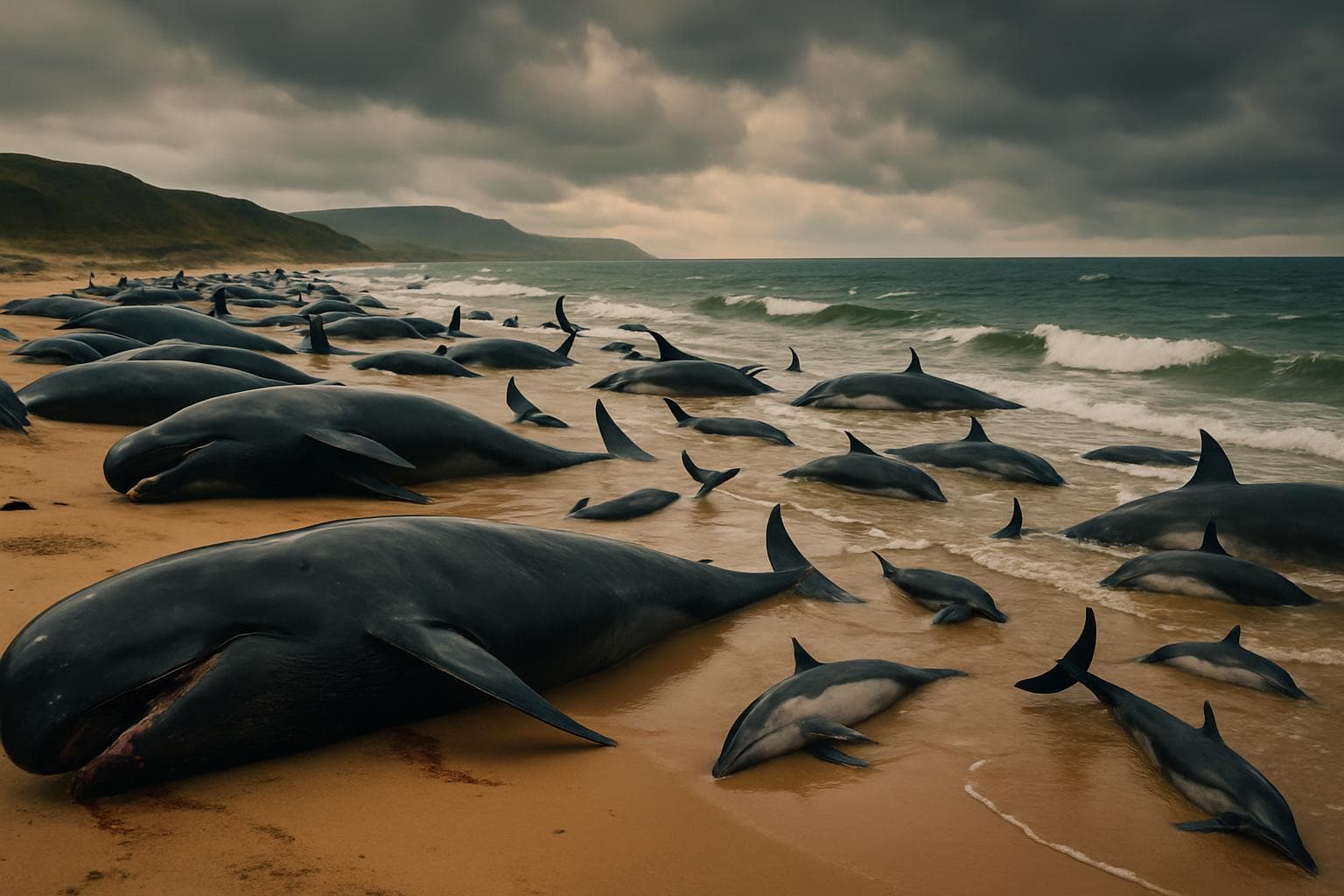
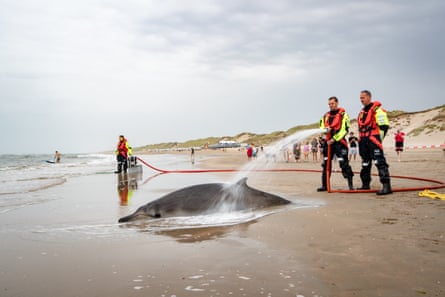
Scotland has witnessed a dramatic rise in marine mammal strandings over the past three decades, with the number of incidents escalating from around 100 annually to more than 300. A comprehensive study conducted by the University of Glasgow, published in Scientific Reports, has documented over 5,140 strandings between 1992 and 2022, highlighting the urgent need for targeted conservation efforts.
Rising Numbers and Species Affected
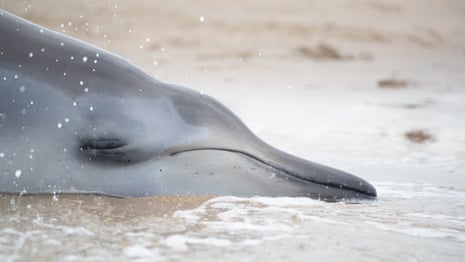
The research, utilizing data from the Scottish Marine Animal Stranding Scheme (SMASS), reveals a significant increase in strandings of common dolphins and baleen whales, including minke and humpback whales. Harbour porpoises accounted for more than half of the recorded incidents, with 2,676 strandings, followed by pelagic dolphins at 1,217. The study also noted a steady rise in strandings of deep-diving species such as sperm whales and pelagic dolphins since the 1990s.
Human Activities and Environmental Impact
Researchers point to human activities as likely contributors to this concerning trend. Noise pollution from industrial activities and accidental entanglements in fishing gear are identified as predominant threats. Rachel Lennon, lead author of the study, emphasized the critical threat posed by fisheries interactions, particularly for baleen whales. "As populations begin to recover from the impacts of historic whaling, reports of entanglement have increased," Lennon stated.
Sonic Disturbances and Climate Change
The study also draws attention to the impact of sonic disturbances on deep-diving whales. Dr. Andrew Brownlow, director of SMASS, noted that clusters of beaked whale strandings should raise suspicions of sonic interference. In 2018, a globally unprecedented number of 118 beaked whales stranded off Ireland and western Scotland were traced to a single sound source. Additionally, climate change is causing shifts in whale populations, with warming waters potentially driving more animals northward.
Conservation Efforts and Future Research
In response to the rising threat of entanglements, initiatives like the Scottish Entanglement Alliance have been established to develop best practices for prevention and response. Dr. Brownlow highlighted the importance of identifying regional threats to tailor conservation strategies effectively. "These animals act as sentinels of the ocean, and rising numbers of strandings may be an early warning that something is changing in the marine environment," he remarked.
WHAT THIS MIGHT MEAN
The surge in marine mammal strandings in Scotland underscores the urgent need for comprehensive conservation strategies. As researchers continue to investigate the causes, there is a growing consensus on the impact of human activities, such as noise pollution and fishing gear entanglements. Future efforts may focus on stricter regulations and innovative technologies to mitigate these threats.
The role of climate change in altering marine ecosystems cannot be overlooked. As waters warm, shifts in marine mammal populations may lead to increased strandings, necessitating adaptive management strategies. The findings of this study could inform global conservation policies, emphasizing the need for international cooperation to address the multifaceted challenges facing marine wildlife.
Images from the Web
Related Articles

Hopeful Signs for Scotland's Endangered Capercaillie as Conservation Efforts Show Promise
UK's PFAS Action Plan Faces Criticism Amid Environmental Concerns

Saharan Dust to Illuminate UK Skies with Vivid Sunrises and Sunsets

Avalanche Risks Surge Amidst Extreme Weather Conditions in California and Europe

Peter Murrell Faces Embezzlement Charges Amid SNP Financial Probe

Aberdeen Basks in Sunshine After Record Sunless Streak Amid UK Weather Warnings
Surge in Whale and Dolphin Strandings in Scotland Raises Environmental Concerns
In This Article
 Leila Hassan| Published
 HIGHLIGHTS
- Marine mammal strandings in Scotland have surged from about 100 to over 300 annually over 30 years, with over 5,140 incidents recorded.
- The study highlights significant increases in strandings of common dolphins and baleen whales, with human activities like noise pollution and fishing gear entanglements as potential causes.
- Deep-diving species, such as beaked and pilot whales, have also seen a rise in strandings, possibly linked to sonic disturbances.
- The Scottish Entanglement Alliance is working to mitigate entanglement risks, while researchers emphasize the need for targeted conservation efforts.
- Climate change and recovering whale populations post-whaling are contributing factors to the increased strandings.
Scotland has witnessed a dramatic rise in marine mammal strandings over the past three decades, with the number of incidents escalating from around 100 annually to more than 300. A comprehensive study conducted by the University of Glasgow, published in Scientific Reports, has documented over 5,140 strandings between 1992 and 2022, highlighting the urgent need for targeted conservation efforts.
Rising Numbers and Species Affected
The research, utilizing data from the Scottish Marine Animal Stranding Scheme (SMASS), reveals a significant increase in strandings of common dolphins and baleen whales, including minke and humpback whales. Harbour porpoises accounted for more than half of the recorded incidents, with 2,676 strandings, followed by pelagic dolphins at 1,217. The study also noted a steady rise in strandings of deep-diving species such as sperm whales and pelagic dolphins since the 1990s.
Human Activities and Environmental Impact
Researchers point to human activities as likely contributors to this concerning trend. Noise pollution from industrial activities and accidental entanglements in fishing gear are identified as predominant threats. Rachel Lennon, lead author of the study, emphasized the critical threat posed by fisheries interactions, particularly for baleen whales. "As populations begin to recover from the impacts of historic whaling, reports of entanglement have increased," Lennon stated.
Sonic Disturbances and Climate Change
The study also draws attention to the impact of sonic disturbances on deep-diving whales. Dr. Andrew Brownlow, director of SMASS, noted that clusters of beaked whale strandings should raise suspicions of sonic interference. In 2018, a globally unprecedented number of 118 beaked whales stranded off Ireland and western Scotland were traced to a single sound source. Additionally, climate change is causing shifts in whale populations, with warming waters potentially driving more animals northward.
Conservation Efforts and Future Research
In response to the rising threat of entanglements, initiatives like the Scottish Entanglement Alliance have been established to develop best practices for prevention and response. Dr. Brownlow highlighted the importance of identifying regional threats to tailor conservation strategies effectively. "These animals act as sentinels of the ocean, and rising numbers of strandings may be an early warning that something is changing in the marine environment," he remarked.
WHAT THIS MIGHT MEAN
The surge in marine mammal strandings in Scotland underscores the urgent need for comprehensive conservation strategies. As researchers continue to investigate the causes, there is a growing consensus on the impact of human activities, such as noise pollution and fishing gear entanglements. Future efforts may focus on stricter regulations and innovative technologies to mitigate these threats.
The role of climate change in altering marine ecosystems cannot be overlooked. As waters warm, shifts in marine mammal populations may lead to increased strandings, necessitating adaptive management strategies. The findings of this study could inform global conservation policies, emphasizing the need for international cooperation to address the multifaceted challenges facing marine wildlife.
Images from the Web
Related Articles
Hopeful Signs for Scotland's Endangered Capercaillie as Conservation Efforts Show Promise
UK's PFAS Action Plan Faces Criticism Amid Environmental Concerns
Saharan Dust to Illuminate UK Skies with Vivid Sunrises and Sunsets
Avalanche Risks Surge Amidst Extreme Weather Conditions in California and Europe
Peter Murrell Faces Embezzlement Charges Amid SNP Financial Probe
Aberdeen Basks in Sunshine After Record Sunless Streak Amid UK Weather Warnings