
White House to Add $200 Million Ballroom in Major Expansion

In This Article
HIGHLIGHTS
- The White House plans to construct a new $200 million ballroom, funded by President Trump and anonymous donors, with completion expected before January 2029.
- The ballroom, seating up to 650, will address the current limitation of the East Room, which accommodates only 200 guests.
- This project marks the first major structural change to the White House since the Truman Balcony in 1948.
- The ballroom will replace the need for temporary tents on the South Lawn, enhancing the venue for large-scale events.
- McCrery Architects, Clark Construction, and AECOM are leading the design and construction efforts for this expansion.
The White House is set to undergo a significant transformation with the construction of a new $200 million ballroom, fulfilling a long-standing ambition of President Donald Trump. Announced by Press Secretary Karoline Leavitt, the project will be funded by Trump and other unnamed donors, with construction slated to begin in September and completion anticipated before the end of Trump's term in January 2029.
Addressing Event Limitations
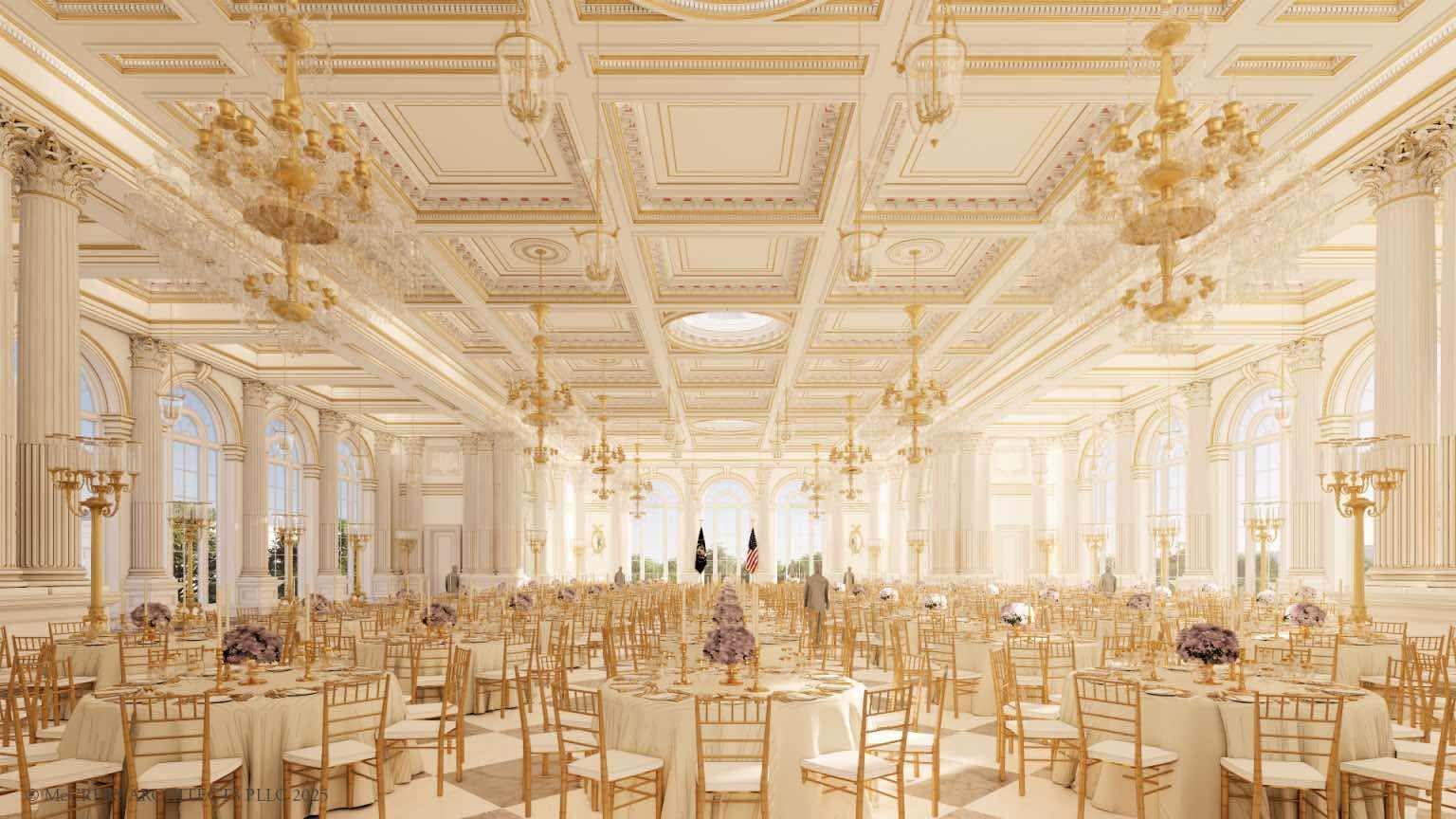
The new ballroom, spanning 90,000 square feet and accommodating up to 650 guests, aims to resolve the current limitations of the White House's East Room, which seats only 200. This expansion will eliminate the need for temporary tents on the South Lawn, often used for large events, which Trump has criticized as unsightly and impractical during inclement weather.
A Historic Addition
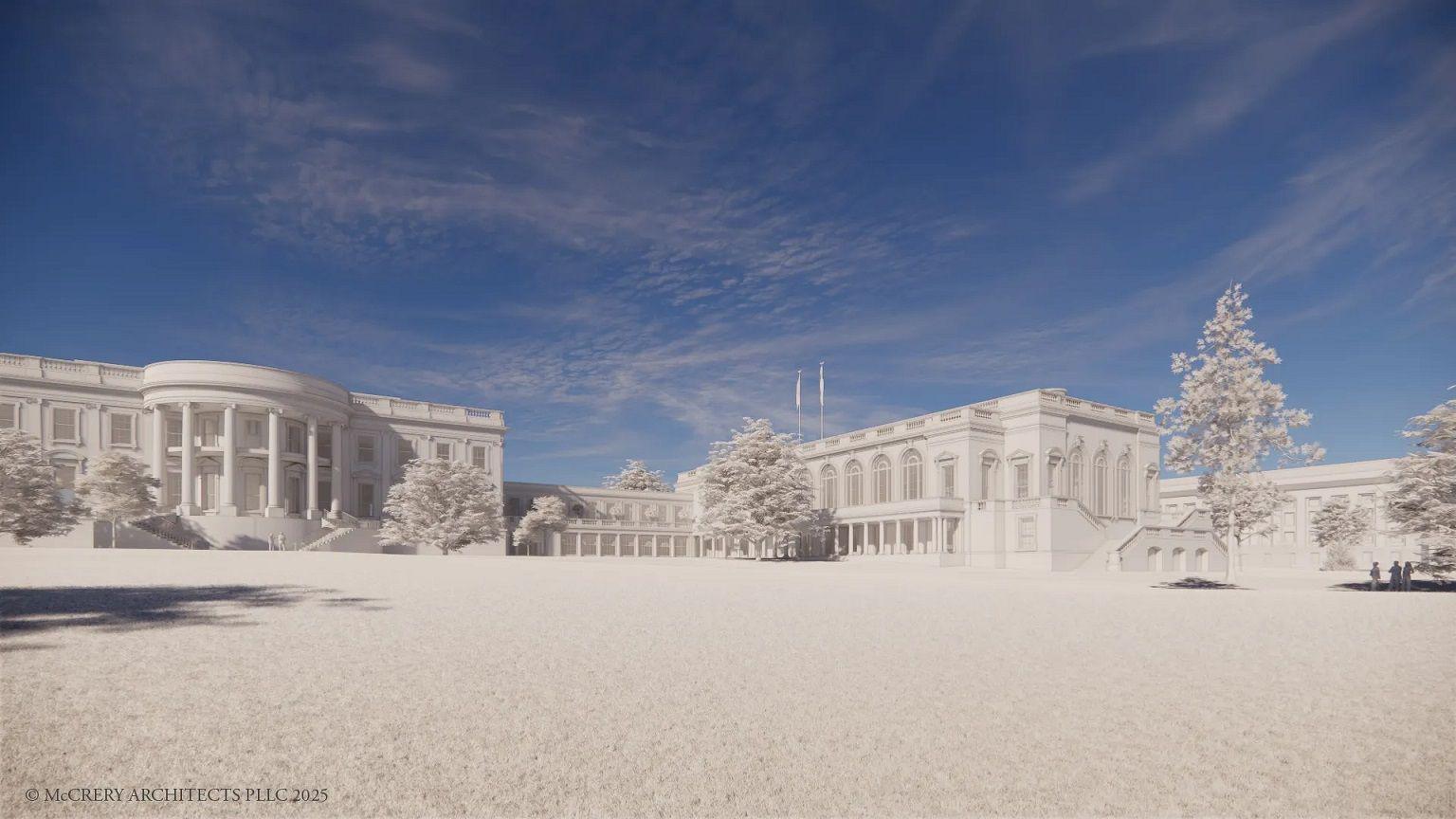
This development represents the first major structural change to the executive mansion since the Truman Balcony was added in 1948. The ballroom will be architecturally consistent with the White House's existing design, featuring lavish interiors with chandeliers and ornate columns. The project will be executed by McCrery Architects, Clark Construction, and AECOM, with the ballroom set to replace the current East Wing.
Preserving History
Chief of Staff Susie Wiles emphasized the administration's commitment to preserving the White House's historical integrity while enhancing its functionality for future generations. Leslie Greene Bowman, a member of the Committee for the Preservation of the White House, expressed hope that the expansion will honor the mansion's storied past.
A Presidential Legacy
President Trump, known for his real estate acumen, views the ballroom as a lasting contribution to the White House. "I'm good at building things," Trump remarked, highlighting the demand for such a facility over the years. The project aligns with Trump's broader efforts to update and personalize the presidential residence, which have included other renovations like the Rose Garden's redesign.
WHAT THIS MIGHT MEAN
The addition of a new ballroom to the White House could have several implications. Politically, it may be seen as a legacy project for President Trump, showcasing his influence on the presidential residence. The ballroom could enhance the White House's capacity to host international leaders and large-scale events, potentially elevating its status as a diplomatic venue.
From a historical perspective, the expansion raises questions about balancing modernization with preservation. Experts like Leslie Greene Bowman will likely continue to advocate for maintaining the White House's historical character. As construction progresses, the project will be closely watched to ensure it respects the architectural and cultural significance of the nation's most iconic residence.
Images from the Web
Related Articles

US Ambassador's Biblical Land Remarks Spark Outcry from Arab Nations

Tech Giants Pledge to Cover AI Data Center Energy Costs Amid Rising Electricity Concerns

Spain's Sánchez Stands Firm Against Trump's Trade Threat Over Iran Stance

US-Iran Tensions Escalate Amid Renewed Nuclear Talks and Protests

Congress Subpoenas Attorney General Bondi in Epstein Investigation

Cuba Faces Widespread Blackout Amid Deepening Fuel Crisis
White House to Add $200 Million Ballroom in Major Expansion
In This Article
 James Okoro| Published
 HIGHLIGHTS
- The White House plans to construct a new $200 million ballroom, funded by President Trump and anonymous donors, with completion expected before January 2029.
- The ballroom, seating up to 650, will address the current limitation of the East Room, which accommodates only 200 guests.
- This project marks the first major structural change to the White House since the Truman Balcony in 1948.
- The ballroom will replace the need for temporary tents on the South Lawn, enhancing the venue for large-scale events.
- McCrery Architects, Clark Construction, and AECOM are leading the design and construction efforts for this expansion.
The White House is set to undergo a significant transformation with the construction of a new $200 million ballroom, fulfilling a long-standing ambition of President Donald Trump. Announced by Press Secretary Karoline Leavitt, the project will be funded by Trump and other unnamed donors, with construction slated to begin in September and completion anticipated before the end of Trump's term in January 2029.
Addressing Event Limitations
The new ballroom, spanning 90,000 square feet and accommodating up to 650 guests, aims to resolve the current limitations of the White House's East Room, which seats only 200. This expansion will eliminate the need for temporary tents on the South Lawn, often used for large events, which Trump has criticized as unsightly and impractical during inclement weather.
A Historic Addition
This development represents the first major structural change to the executive mansion since the Truman Balcony was added in 1948. The ballroom will be architecturally consistent with the White House's existing design, featuring lavish interiors with chandeliers and ornate columns. The project will be executed by McCrery Architects, Clark Construction, and AECOM, with the ballroom set to replace the current East Wing.
Preserving History
Chief of Staff Susie Wiles emphasized the administration's commitment to preserving the White House's historical integrity while enhancing its functionality for future generations. Leslie Greene Bowman, a member of the Committee for the Preservation of the White House, expressed hope that the expansion will honor the mansion's storied past.
A Presidential Legacy
President Trump, known for his real estate acumen, views the ballroom as a lasting contribution to the White House. "I'm good at building things," Trump remarked, highlighting the demand for such a facility over the years. The project aligns with Trump's broader efforts to update and personalize the presidential residence, which have included other renovations like the Rose Garden's redesign.
WHAT THIS MIGHT MEAN
The addition of a new ballroom to the White House could have several implications. Politically, it may be seen as a legacy project for President Trump, showcasing his influence on the presidential residence. The ballroom could enhance the White House's capacity to host international leaders and large-scale events, potentially elevating its status as a diplomatic venue.
From a historical perspective, the expansion raises questions about balancing modernization with preservation. Experts like Leslie Greene Bowman will likely continue to advocate for maintaining the White House's historical character. As construction progresses, the project will be closely watched to ensure it respects the architectural and cultural significance of the nation's most iconic residence.
Images from the Web
Related Articles
US Ambassador's Biblical Land Remarks Spark Outcry from Arab Nations
Tech Giants Pledge to Cover AI Data Center Energy Costs Amid Rising Electricity Concerns
Spain's Sánchez Stands Firm Against Trump's Trade Threat Over Iran Stance
US-Iran Tensions Escalate Amid Renewed Nuclear Talks and Protests
Congress Subpoenas Attorney General Bondi in Epstein Investigation
Cuba Faces Widespread Blackout Amid Deepening Fuel Crisis