
White House Plaques Reflect Trump's Controversial Views on Former Presidents
In This Article
HIGHLIGHTS
- The White House has installed plaques under presidential portraits, reflecting Donald Trump's opinions on past presidents.
- Joe Biden's plaque controversially claims he took office through "the most corrupt election" in US history, echoing Trump's unsubstantiated fraud claims.
- Barack Obama and Bill Clinton are criticized, while Ronald Reagan receives praise, highlighting Trump's selective historical narrative.
- Biden's portrait is replaced by an autopen image, referencing allegations of automated signatures during his presidency.
- Trump's approval ratings have dipped to 39%, with his recent actions not resonating as strongly with his base.
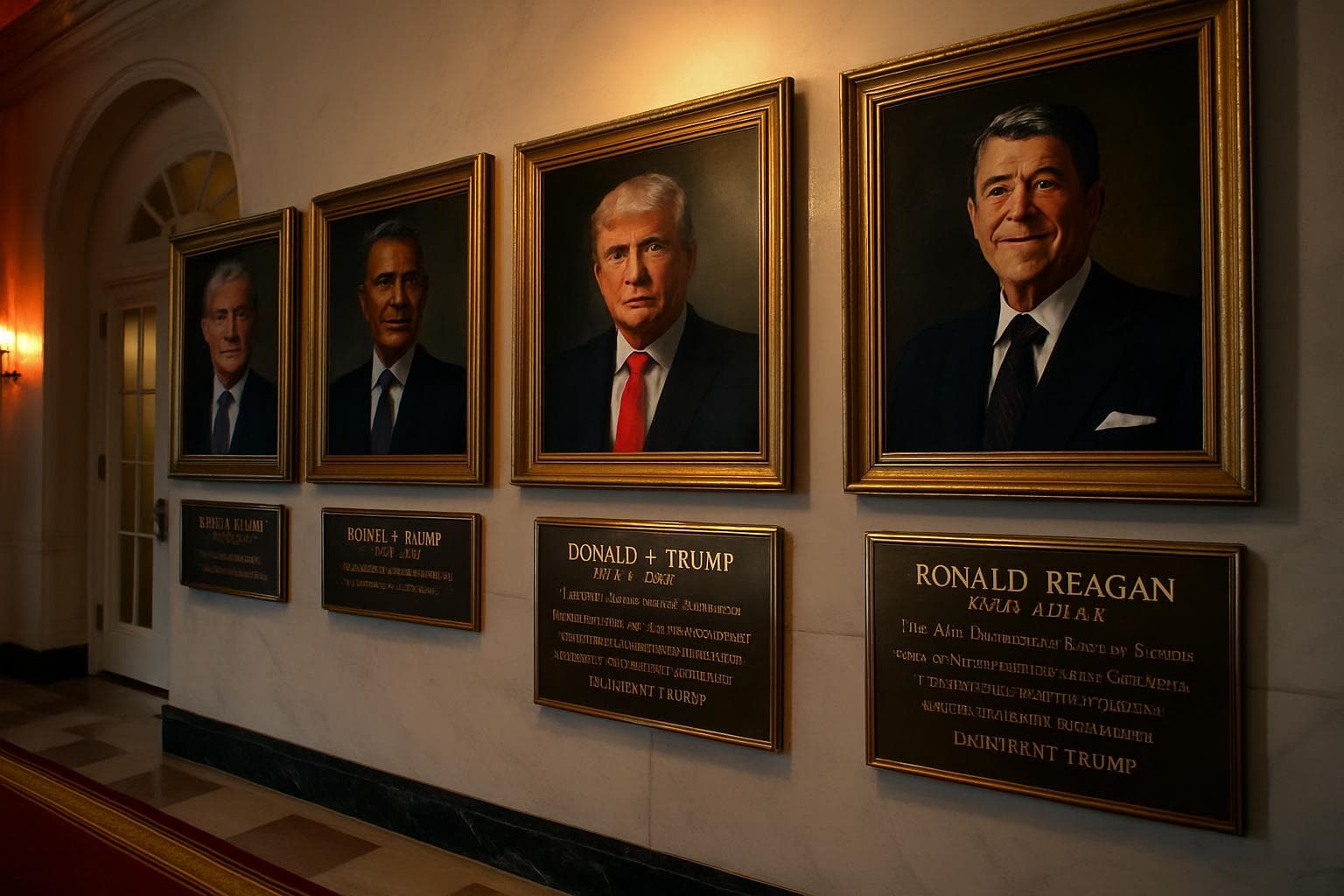
In a move that has stirred political debate, the White House has unveiled plaques beneath the portraits of former US presidents, reflecting Donald Trump's personal assessments of their legacies. These plaques, part of what is now termed the "Presidential Walk of Fame," have been installed outside the West Wing, offering a permanent record of Trump's views.
Trump's Narrative on Presidential Legacies
The plaques, which have replaced traditional historical summaries, adopt a tone reminiscent of Trump's posts on his social network, TruthSocial. Joe Biden, the current president, is notably criticized with claims that he assumed office through "the most corrupt election" in US history. This assertion echoes Trump's previous allegations of widespread voter fraud, which have been consistently debunked by fact-checkers.
Barack Obama is described as "one of the most divisive political figures," while Bill Clinton's achievements are downplayed, attributing legislative successes to Republicans in Congress. In contrast, Ronald Reagan is lauded as "The Great Communicator," with Trump noting their mutual admiration.
Biden's Portrait and Border Policy Criticism
In a symbolic gesture, Biden's portrait has been replaced by an image of an autopen, a nod to Republican claims that his aides frequently used the device for official signatures. The plaque also accuses Biden of allowing 21 million people to enter the US, a figure Trump has cited without substantiation. While migrant encounters at the US-Mexico border reached record highs under Biden, they fall short of Trump's exaggerated claims.
Public Reaction and Political Implications
The plaques have not been universally well-received, with Trump's approval ratings slipping to 39%, according to a recent Reuters/Ipsos poll. This decline suggests that his latest actions may not resonate as strongly with his base as they once did.
WHAT THIS MIGHT MEAN
The installation of these plaques could further polarize public opinion, reinforcing existing political divides. As Trump continues to shape his narrative, the potential for legal challenges or political backlash remains. Experts suggest that this move might be part of a broader strategy to influence historical perceptions ahead of future elections. However, the lack of evidence supporting some of the claims could undermine their credibility, potentially impacting Trump's political capital.
Related Articles
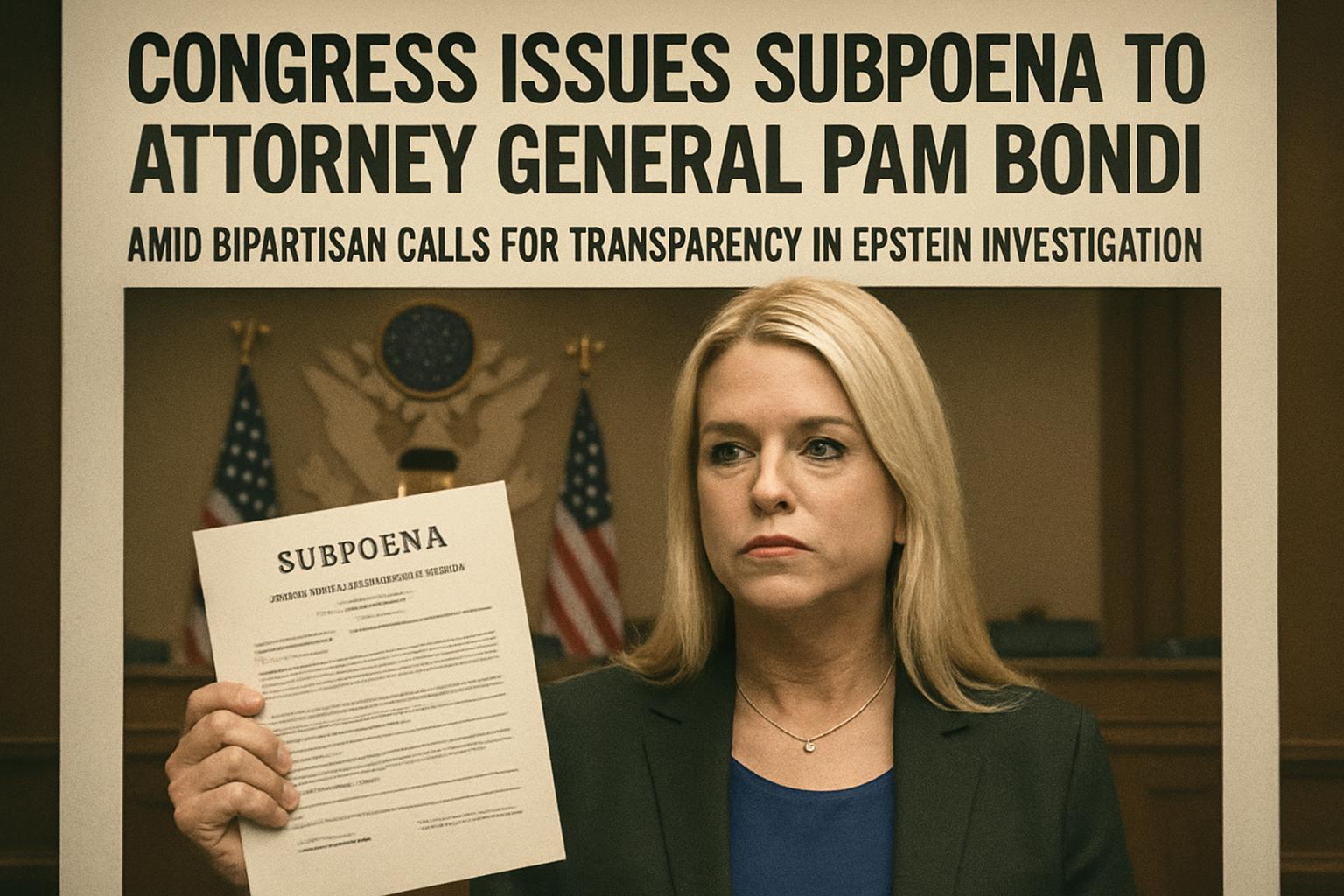
Congress Subpoenas Attorney General Bondi in Epstein Investigation

Tech Giants Pledge to Cover AI Data Center Energy Costs Amid Rising Electricity Concerns
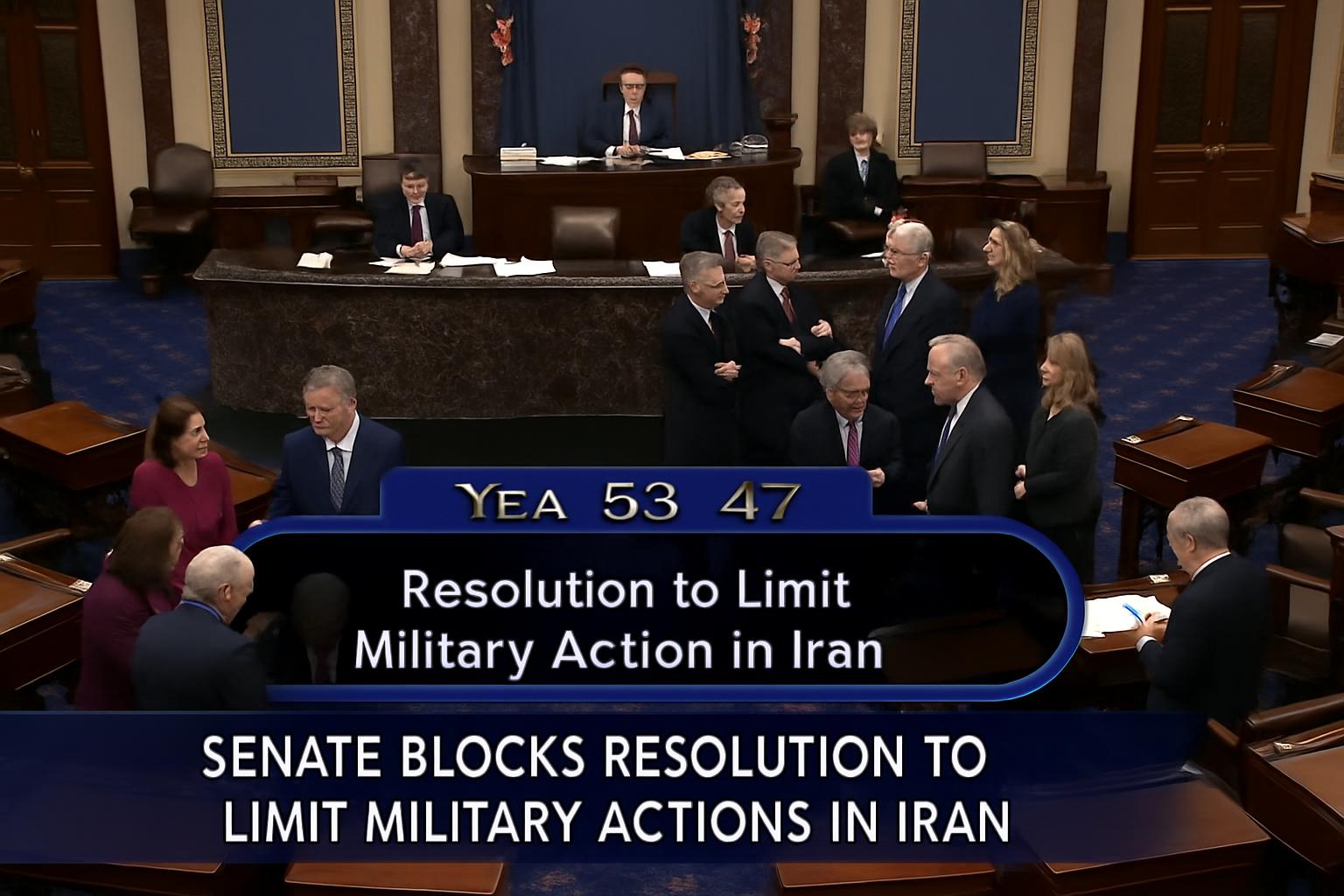
Senate Blocks Resolution to Limit Trump's Military Actions in Iran
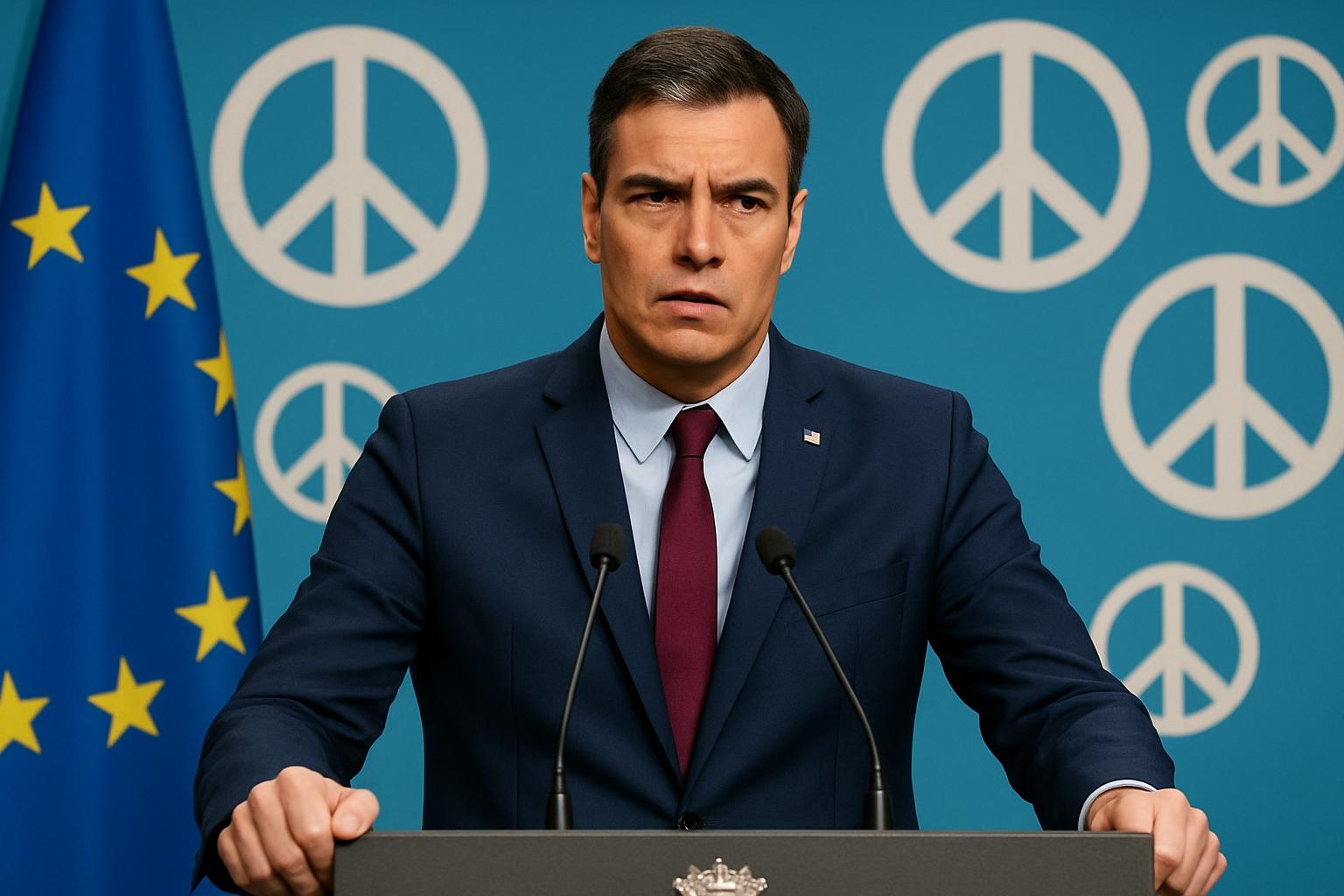
Spain's Sánchez Stands Firm Against Trump's Trade Threat Over Iran Stance
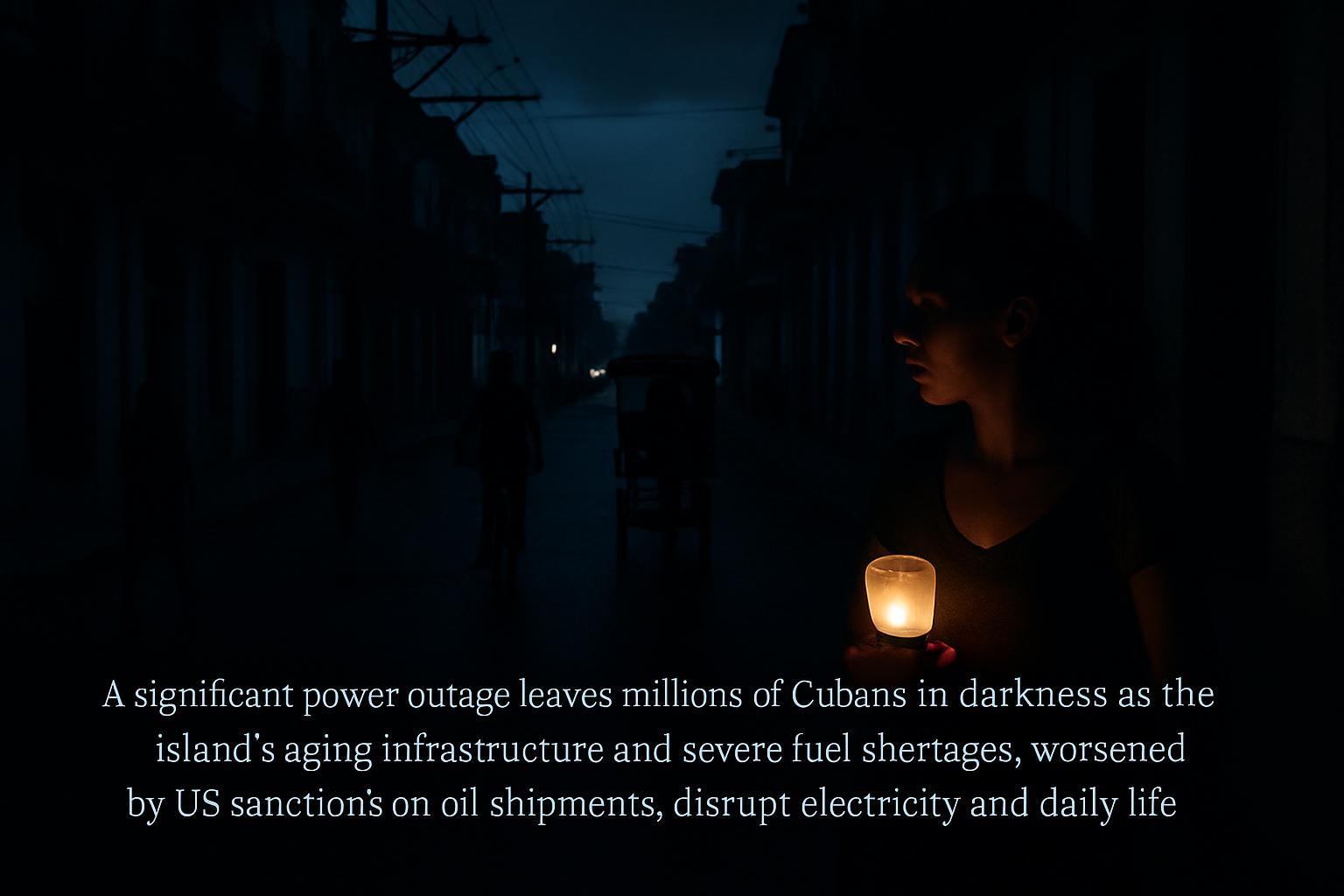
Cuba Faces Widespread Blackout Amid Deepening Fuel Crisis

UK Faces Dilemmas Amid Iran Conflict and China Spying Allegations
White House Plaques Reflect Trump's Controversial Views on Former Presidents
In This Article
 Alex Carter| Published
 HIGHLIGHTS
- The White House has installed plaques under presidential portraits, reflecting Donald Trump's opinions on past presidents.
- Joe Biden's plaque controversially claims he took office through "the most corrupt election" in US history, echoing Trump's unsubstantiated fraud claims.
- Barack Obama and Bill Clinton are criticized, while Ronald Reagan receives praise, highlighting Trump's selective historical narrative.
- Biden's portrait is replaced by an autopen image, referencing allegations of automated signatures during his presidency.
- Trump's approval ratings have dipped to 39%, with his recent actions not resonating as strongly with his base.
In a move that has stirred political debate, the White House has unveiled plaques beneath the portraits of former US presidents, reflecting Donald Trump's personal assessments of their legacies. These plaques, part of what is now termed the "Presidential Walk of Fame," have been installed outside the West Wing, offering a permanent record of Trump's views.
Trump's Narrative on Presidential Legacies
The plaques, which have replaced traditional historical summaries, adopt a tone reminiscent of Trump's posts on his social network, TruthSocial. Joe Biden, the current president, is notably criticized with claims that he assumed office through "the most corrupt election" in US history. This assertion echoes Trump's previous allegations of widespread voter fraud, which have been consistently debunked by fact-checkers.
Barack Obama is described as "one of the most divisive political figures," while Bill Clinton's achievements are downplayed, attributing legislative successes to Republicans in Congress. In contrast, Ronald Reagan is lauded as "The Great Communicator," with Trump noting their mutual admiration.
Biden's Portrait and Border Policy Criticism
In a symbolic gesture, Biden's portrait has been replaced by an image of an autopen, a nod to Republican claims that his aides frequently used the device for official signatures. The plaque also accuses Biden of allowing 21 million people to enter the US, a figure Trump has cited without substantiation. While migrant encounters at the US-Mexico border reached record highs under Biden, they fall short of Trump's exaggerated claims.
Public Reaction and Political Implications
The plaques have not been universally well-received, with Trump's approval ratings slipping to 39%, according to a recent Reuters/Ipsos poll. This decline suggests that his latest actions may not resonate as strongly with his base as they once did.
WHAT THIS MIGHT MEAN
The installation of these plaques could further polarize public opinion, reinforcing existing political divides. As Trump continues to shape his narrative, the potential for legal challenges or political backlash remains. Experts suggest that this move might be part of a broader strategy to influence historical perceptions ahead of future elections. However, the lack of evidence supporting some of the claims could undermine their credibility, potentially impacting Trump's political capital.
Related Articles
Congress Subpoenas Attorney General Bondi in Epstein Investigation
Tech Giants Pledge to Cover AI Data Center Energy Costs Amid Rising Electricity Concerns
Senate Blocks Resolution to Limit Trump's Military Actions in Iran
Spain's Sánchez Stands Firm Against Trump's Trade Threat Over Iran Stance
Cuba Faces Widespread Blackout Amid Deepening Fuel Crisis
UK Faces Dilemmas Amid Iran Conflict and China Spying Allegations