
Wildfires' Hidden Toll: New Studies Reveal Broader Health Impacts Beyond Official Death Counts
In This Article
HIGHLIGHTS
- A study estimates over 400 indirect deaths linked to Los Angeles wildfires due to factors like poor air quality and healthcare disruptions.
- The official death toll from the LA fires stands at 31, with the study suggesting a broader impact on public health.
- Research on the Maui wildfires indicates significant mental and respiratory health issues, with 22% of adults experiencing reduced lung function.
- Experts emphasize the need for comprehensive mortality surveillance during climate-related emergencies to capture both direct and indirect impacts.
- The studies underscore the broader health risks posed by wildfires, exacerbated by the ongoing climate crisis.
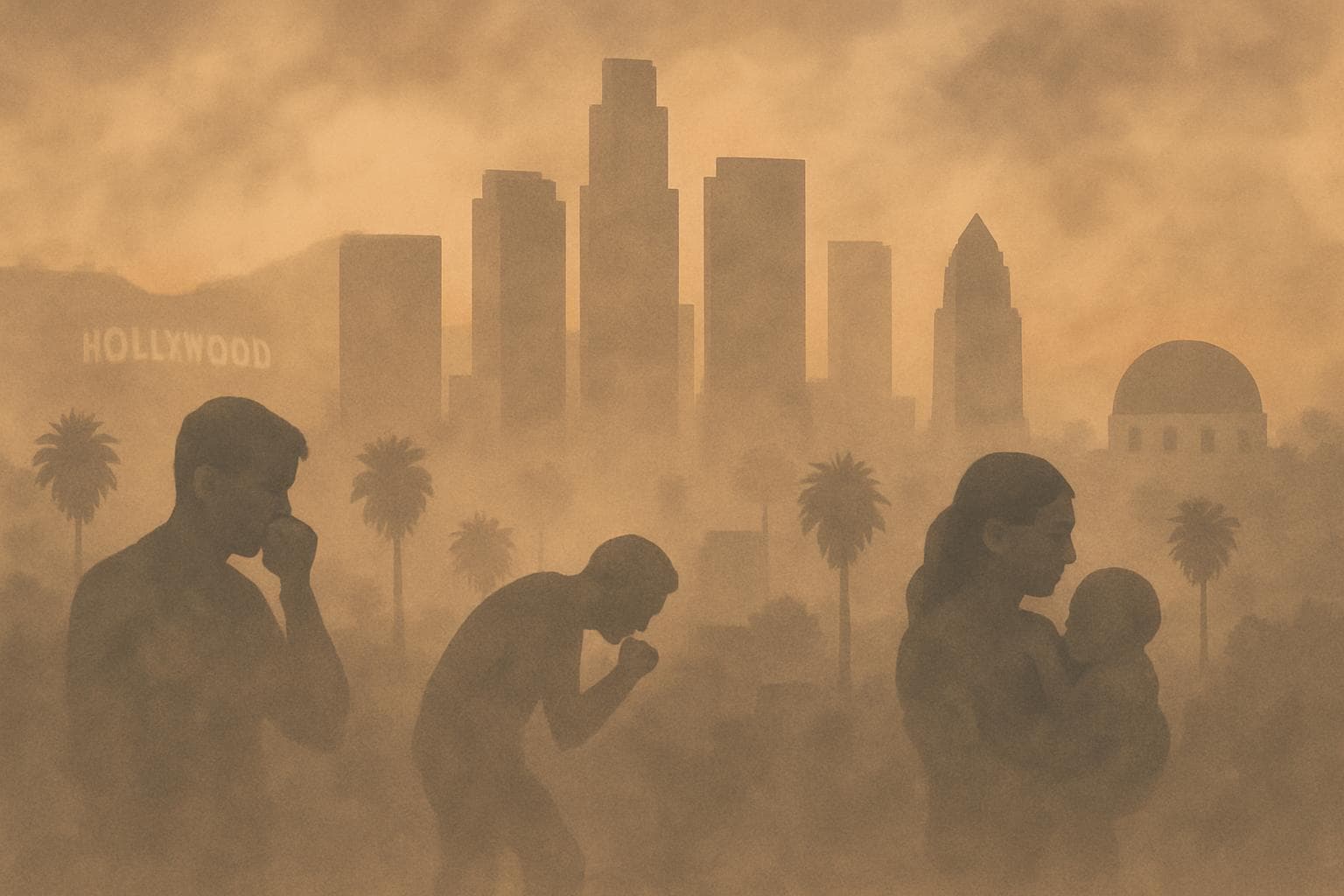
Recent studies have unveiled the extensive and often overlooked health impacts of wildfires in the United States, highlighting the need for a more comprehensive understanding of these climate-related disasters. Research published in the medical journal JAMA has estimated that over 400 additional deaths in Los Angeles earlier this year were indirectly linked to wildfires, primarily due to poor air quality and disruptions in healthcare services.
Los Angeles Wildfires: A Broader Health Crisis
The Los Angeles wildfires, which ravaged communities such as Altadena and the Pacific Palisades, officially claimed 31 lives. However, the new study suggests that the true toll is much higher when considering indirect factors. Researchers found a nearly 7% increase in deaths during the fires, attributing many to exacerbated lung and heart conditions and delayed medical treatments. The study calls for improved mortality surveillance to better quantify the full impact of such emergencies.
Maui Wildfires: Lingering Health Effects
In Hawaii, the aftermath of the August 2023 Maui wildfires continues to affect residents' health. A separate study found that 22% of adults in the region suffer from reduced lung function, and nearly half exhibit symptoms of depression. The fires, which were the deadliest in US history, destroyed the town of Lahaina and left lasting scars on the community's mental and respiratory health. Ruben Juarez, co-leader of the study, emphasized the invisible but enduring impact of wildfire smoke on respiratory health.
The Climate Crisis and Health Implications
As the climate crisis intensifies, the frequency and severity of wildfires are expected to rise, posing significant health risks. Dr. Jonathan Patz, an environmental public health researcher, noted that these studies provide crucial insights into the health risks associated with extreme climatic events. Previous research has linked wildfire smoke to premature births and significant economic costs, underscoring the urgent need for comprehensive strategies to mitigate these impacts.
WHAT THIS MIGHT MEAN
The findings from these studies could prompt policymakers to reconsider how they assess and respond to the health impacts of wildfires. By recognizing both direct and indirect fatalities, authorities can better allocate resources and implement measures to protect vulnerable populations. Additionally, the ongoing climate crisis may lead to more frequent and severe wildfires, necessitating enhanced public health strategies and infrastructure to cope with future challenges. As research continues to shed light on the far-reaching effects of wildfires, it becomes increasingly clear that addressing these issues is critical to safeguarding public health in an era of climate uncertainty.
Related Articles

China Sets Lowest GDP Growth Target in Decades Amid Economic Challenges
Cuba Faces Widespread Blackout Amid Deepening Fuel Crisis

UK Faces Dilemmas Amid Iran Conflict and China Spying Allegations

Google Faces Legal Battle Over AI Chatbot's Alleged Role in Tragic Death
Iran Postpones Khamenei Funeral Amid Escalating US-Israeli Strikes

Canada Calls for De-escalation Amid US-Israel Strikes on Iran
Wildfires' Hidden Toll: New Studies Reveal Broader Health Impacts Beyond Official Death Counts
In This Article
 Maya Singh| Published
 HIGHLIGHTS
- A study estimates over 400 indirect deaths linked to Los Angeles wildfires due to factors like poor air quality and healthcare disruptions.
- The official death toll from the LA fires stands at 31, with the study suggesting a broader impact on public health.
- Research on the Maui wildfires indicates significant mental and respiratory health issues, with 22% of adults experiencing reduced lung function.
- Experts emphasize the need for comprehensive mortality surveillance during climate-related emergencies to capture both direct and indirect impacts.
- The studies underscore the broader health risks posed by wildfires, exacerbated by the ongoing climate crisis.
Recent studies have unveiled the extensive and often overlooked health impacts of wildfires in the United States, highlighting the need for a more comprehensive understanding of these climate-related disasters. Research published in the medical journal JAMA has estimated that over 400 additional deaths in Los Angeles earlier this year were indirectly linked to wildfires, primarily due to poor air quality and disruptions in healthcare services.
Los Angeles Wildfires: A Broader Health Crisis
The Los Angeles wildfires, which ravaged communities such as Altadena and the Pacific Palisades, officially claimed 31 lives. However, the new study suggests that the true toll is much higher when considering indirect factors. Researchers found a nearly 7% increase in deaths during the fires, attributing many to exacerbated lung and heart conditions and delayed medical treatments. The study calls for improved mortality surveillance to better quantify the full impact of such emergencies.
Maui Wildfires: Lingering Health Effects
In Hawaii, the aftermath of the August 2023 Maui wildfires continues to affect residents' health. A separate study found that 22% of adults in the region suffer from reduced lung function, and nearly half exhibit symptoms of depression. The fires, which were the deadliest in US history, destroyed the town of Lahaina and left lasting scars on the community's mental and respiratory health. Ruben Juarez, co-leader of the study, emphasized the invisible but enduring impact of wildfire smoke on respiratory health.
The Climate Crisis and Health Implications
As the climate crisis intensifies, the frequency and severity of wildfires are expected to rise, posing significant health risks. Dr. Jonathan Patz, an environmental public health researcher, noted that these studies provide crucial insights into the health risks associated with extreme climatic events. Previous research has linked wildfire smoke to premature births and significant economic costs, underscoring the urgent need for comprehensive strategies to mitigate these impacts.
WHAT THIS MIGHT MEAN
The findings from these studies could prompt policymakers to reconsider how they assess and respond to the health impacts of wildfires. By recognizing both direct and indirect fatalities, authorities can better allocate resources and implement measures to protect vulnerable populations. Additionally, the ongoing climate crisis may lead to more frequent and severe wildfires, necessitating enhanced public health strategies and infrastructure to cope with future challenges. As research continues to shed light on the far-reaching effects of wildfires, it becomes increasingly clear that addressing these issues is critical to safeguarding public health in an era of climate uncertainty.
Related Articles
China Sets Lowest GDP Growth Target in Decades Amid Economic Challenges
Cuba Faces Widespread Blackout Amid Deepening Fuel Crisis
UK Faces Dilemmas Amid Iran Conflict and China Spying Allegations
Google Faces Legal Battle Over AI Chatbot's Alleged Role in Tragic Death
Iran Postpones Khamenei Funeral Amid Escalating US-Israeli Strikes
Canada Calls for De-escalation Amid US-Israel Strikes on Iran