
Ancient Hand Stencil in Indonesian Cave Redefines Human Creativity Timeline
In This Article
HIGHLIGHTS
- A hand stencil found in a Sulawesi cave is now the world's oldest known cave painting, dated to at least 67,800 years ago.
- The discovery challenges the Eurocentric view of human creativity, suggesting symbolic imagination was present in Homo sapiens much earlier.
- The artwork, found on Muna Island, may indicate early human migration patterns to Australia, supporting settlement theories dating back 65,000 years.
- Researchers from Griffith University highlighted the symbolic complexity of the painting, which features claw-like fingers.
- The find adds to a series of significant archaeological discoveries in Sulawesi, pushing back the timeline of sophisticated image-making.
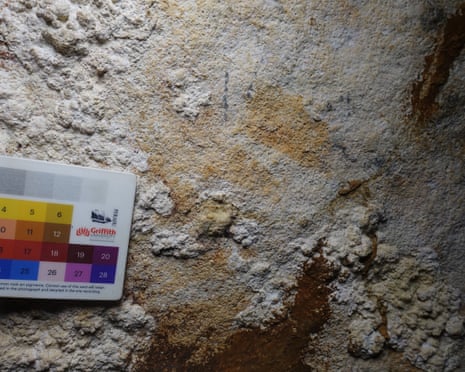
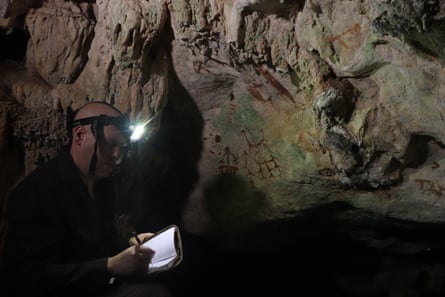
A groundbreaking discovery on the Indonesian island of Sulawesi has unveiled what is now considered the world's oldest known cave painting. The hand stencil, found in a limestone cave on Muna Island, has been dated to at least 67,800 years ago, surpassing previous records by over a millennium. This finding not only challenges the long-held Eurocentric view of human creativity but also provides new insights into early human migration patterns.
A Leap in Symbolic Imagination
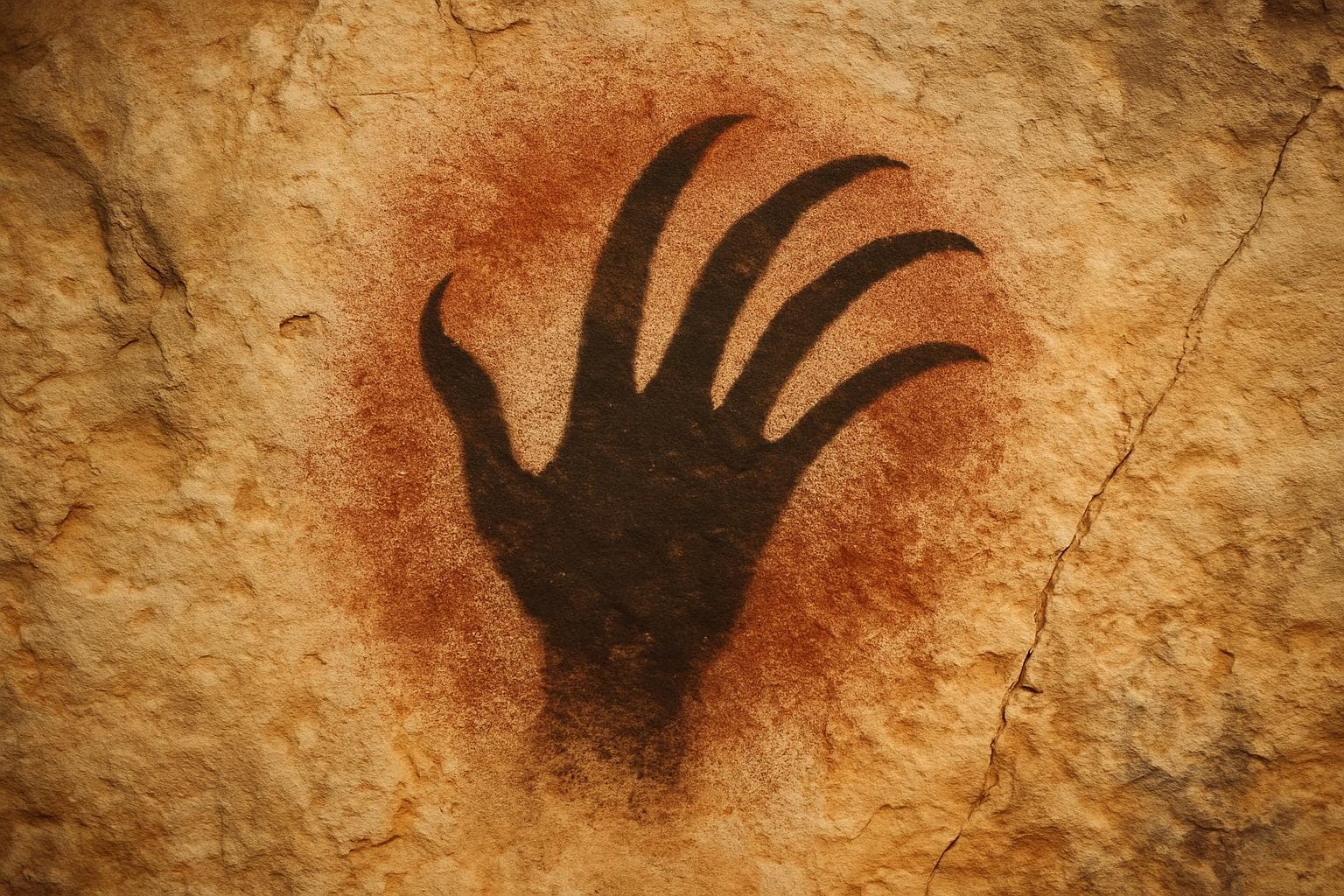
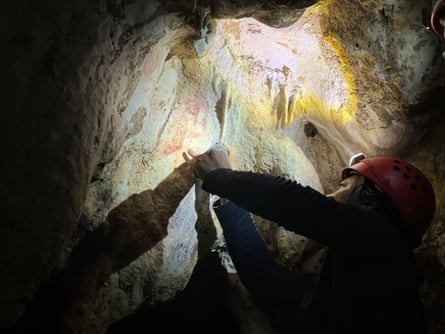
The ancient artwork, a red outline of a hand with claw-like fingers, was discovered by a team led by Professors Adam Brumm and Maxime Aubert from Griffith University. The researchers suggest that this stencil represents an early leap in symbolic imagination, a trait that underpins language, religion, and science. "This discovery adds to the emerging view that creativity was innate to our species," Brumm told BBC News.
Implications for Human Migration
The hand stencil's age supports theories that Homo sapiens reached the Sahul landmass, which includes Australia and New Guinea, much earlier than previously thought. The artwork suggests a northern migration route across Sulawesi, facilitated by lower sea levels and land bridges. This aligns with evidence that northern Australia was settled at least 65,000 years ago.
A Rich History of Sulawesi Cave Art
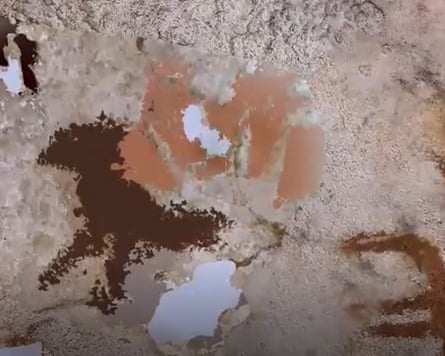
Sulawesi has become a focal point for archaeological discoveries, with previous finds including a 51,200-year-old narrative scene depicting human-like figures and a wild pig. The latest hand stencil, partially obscured by more recent motifs, was dated using calcite deposits formed over it. The intentional modification of the stencil's fingers adds a layer of complexity, hinting at symbolic meanings yet to be fully understood.
WHAT THIS MIGHT MEAN
The discovery of the Sulawesi hand stencil could prompt a reevaluation of the timeline and geographical spread of human creativity. As researchers continue to explore the region, further findings may provide additional evidence of early human migration patterns and cultural development. This could lead to a broader understanding of how symbolic thought and artistic expression evolved in different parts of the world. The implications for the study of human history are profound, potentially reshaping narratives about the origins of creativity and cultural complexity in our species.
Images from the Web
Related Articles

Canada and Australia Forge Strategic Partnership Amid Global Uncertainty

Canada Calls for De-escalation Amid US-Israel Strikes on Iran

US Supreme Court Ruling Sparks Trade Uncertainty in Asia and Beyond

Trump's New Tariff Strategy Sparks Global Trade Uncertainty

Trump Raises Import Tariffs to 15% After Supreme Court Setback

Anna Murdoch-Mann: Influential Figure in Media and Philanthropy Dies at 81
Ancient Hand Stencil in Indonesian Cave Redefines Human Creativity Timeline
In This Article
 Himanshu Kaushik| Published
 HIGHLIGHTS
- A hand stencil found in a Sulawesi cave is now the world's oldest known cave painting, dated to at least 67,800 years ago.
- The discovery challenges the Eurocentric view of human creativity, suggesting symbolic imagination was present in Homo sapiens much earlier.
- The artwork, found on Muna Island, may indicate early human migration patterns to Australia, supporting settlement theories dating back 65,000 years.
- Researchers from Griffith University highlighted the symbolic complexity of the painting, which features claw-like fingers.
- The find adds to a series of significant archaeological discoveries in Sulawesi, pushing back the timeline of sophisticated image-making.
A groundbreaking discovery on the Indonesian island of Sulawesi has unveiled what is now considered the world's oldest known cave painting. The hand stencil, found in a limestone cave on Muna Island, has been dated to at least 67,800 years ago, surpassing previous records by over a millennium. This finding not only challenges the long-held Eurocentric view of human creativity but also provides new insights into early human migration patterns.
A Leap in Symbolic Imagination
The ancient artwork, a red outline of a hand with claw-like fingers, was discovered by a team led by Professors Adam Brumm and Maxime Aubert from Griffith University. The researchers suggest that this stencil represents an early leap in symbolic imagination, a trait that underpins language, religion, and science. "This discovery adds to the emerging view that creativity was innate to our species," Brumm told BBC News.
Implications for Human Migration
The hand stencil's age supports theories that Homo sapiens reached the Sahul landmass, which includes Australia and New Guinea, much earlier than previously thought. The artwork suggests a northern migration route across Sulawesi, facilitated by lower sea levels and land bridges. This aligns with evidence that northern Australia was settled at least 65,000 years ago.
A Rich History of Sulawesi Cave Art
Sulawesi has become a focal point for archaeological discoveries, with previous finds including a 51,200-year-old narrative scene depicting human-like figures and a wild pig. The latest hand stencil, partially obscured by more recent motifs, was dated using calcite deposits formed over it. The intentional modification of the stencil's fingers adds a layer of complexity, hinting at symbolic meanings yet to be fully understood.
WHAT THIS MIGHT MEAN
The discovery of the Sulawesi hand stencil could prompt a reevaluation of the timeline and geographical spread of human creativity. As researchers continue to explore the region, further findings may provide additional evidence of early human migration patterns and cultural development. This could lead to a broader understanding of how symbolic thought and artistic expression evolved in different parts of the world. The implications for the study of human history are profound, potentially reshaping narratives about the origins of creativity and cultural complexity in our species.
Images from the Web
Related Articles
Canada and Australia Forge Strategic Partnership Amid Global Uncertainty
Canada Calls for De-escalation Amid US-Israel Strikes on Iran
US Supreme Court Ruling Sparks Trade Uncertainty in Asia and Beyond
Trump's New Tariff Strategy Sparks Global Trade Uncertainty
Trump Raises Import Tariffs to 15% After Supreme Court Setback
Anna Murdoch-Mann: Influential Figure in Media and Philanthropy Dies at 81