
Young Atlantic Salmon Return to English Rivers, Signaling Environmental Recovery
In This Article
HIGHLIGHTS
- Young Atlantic salmon have been found in the Mersey, Bollin, and Goyt rivers in north-west England for the first time since 2015.
- The species was declared critically endangered in Britain in 2023, with a 30-50% decline in populations since 2006.
- Environmental recovery efforts have led to thriving river ecosystems, though blockages like weirs and locks still hinder salmon migration.
- The Environment Agency plans a new salmon distribution study in 2026 using eDNA sampling to assess recovery progress.
- Key pressures on salmon include climate change, pollution, and invasive species, highlighting the need for continued conservation efforts.
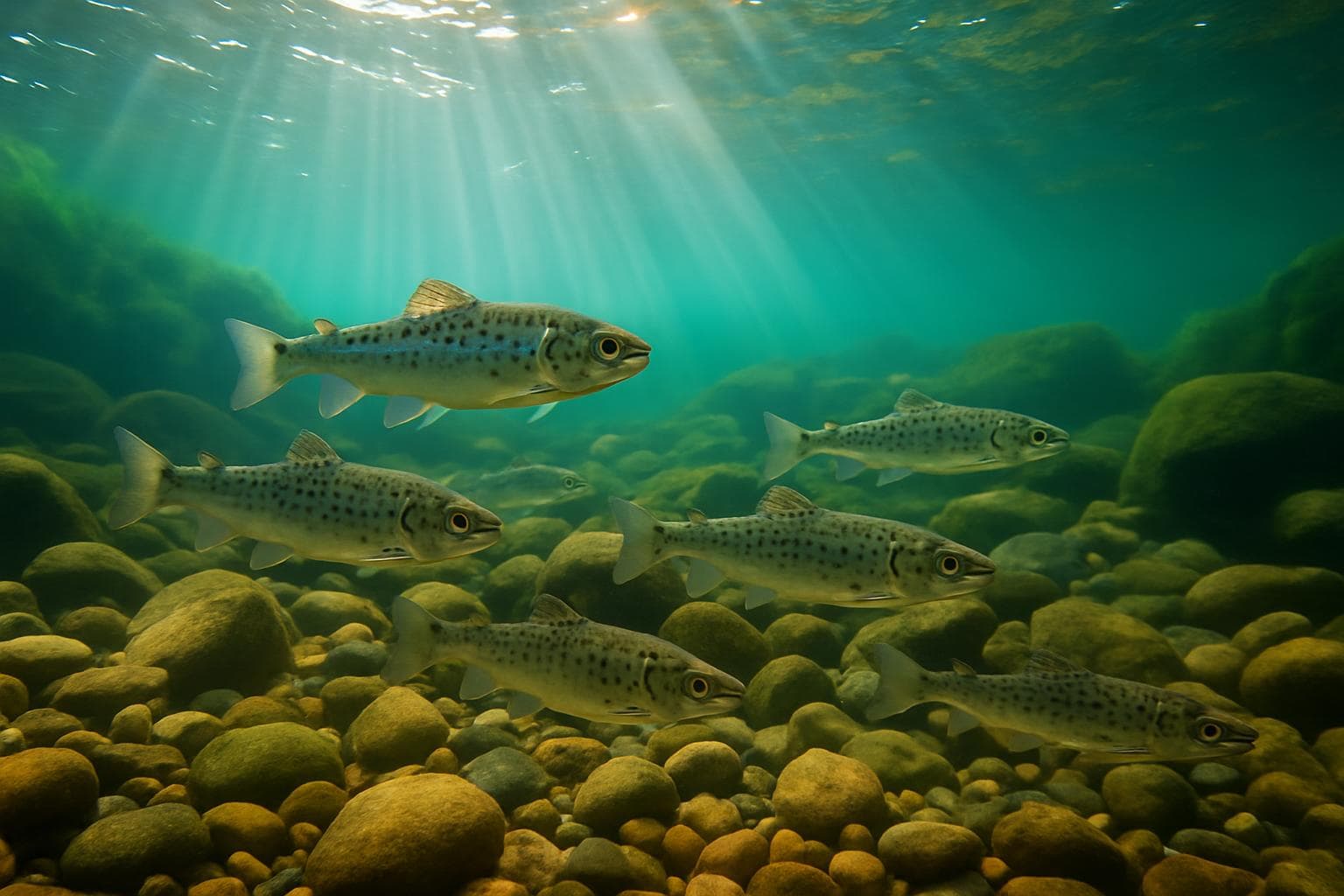
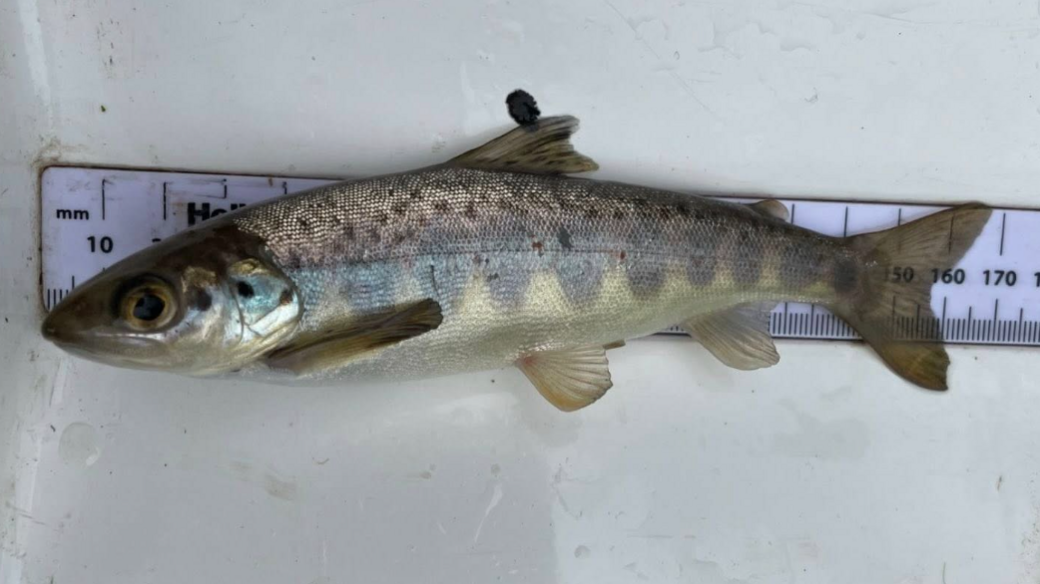
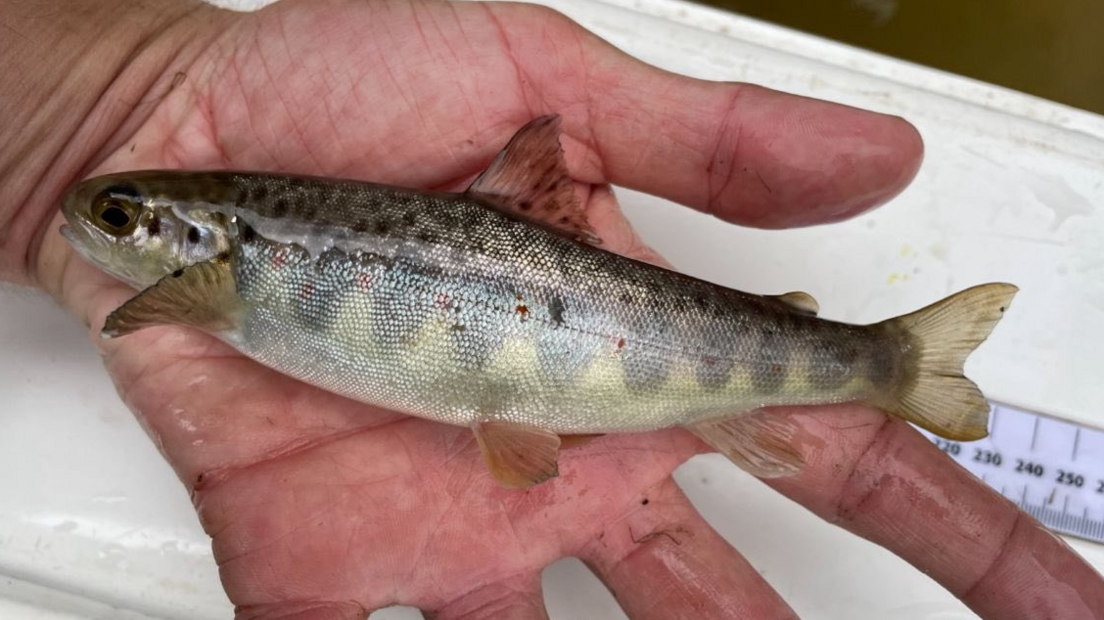
In a promising sign of environmental recovery, young Atlantic salmon have been discovered in three rivers in north-west England for the first time in a decade. The Mersey, Bollin, and Goyt rivers have become the latest sites where these critically endangered fish have successfully spawned, marking a significant milestone in conservation efforts.
Environmental Turnaround
The Atlantic salmon, declared critically endangered in Britain in 2023, has seen a population decline of 30-50% since 2006. However, recent sightings in these rivers indicate a positive shift. Mark Sewell, a wastewater catchment manager at United Utilities, noted the transformation from biologically dead rivers in the 1980s to thriving ecosystems today. "Those species are recovering thanks to a significant environmental turnaround," he stated.
Challenges to Salmon Migration
Despite these gains, salmon face numerous challenges. River blockages, such as weirs on the River Tame and the Mode Wheel Locks at Salford Quays, impede their migration. Mike Duddy from the Salford Friendly Anglers Society emphasized the importance of building fish passes to facilitate salmon return to other rivers like the Roch and Irk. "If we wanted to do something for our future generations, now is the time," Duddy urged.
Future Conservation Efforts
The Environment Agency plans to conduct a new salmon distribution study in 2026 using eDNA sampling. This study aims to provide a clearer picture of the salmon's spawning range and assess the extent of their recovery. An agency spokesperson expressed excitement over the recent findings, considering the species' critically endangered status.
Ongoing Threats
Atlantic salmon continue to face threats from climate change, pollution, and invasive non-native species. These factors underscore the need for ongoing conservation efforts to ensure the species' survival and the health of river ecosystems.
WHAT THIS MIGHT MEAN
The recent discovery of young Atlantic salmon in English rivers offers hope for the species' recovery, yet significant challenges remain. If conservation efforts continue and barriers to migration are addressed, the salmon population could stabilize or even increase. The planned 2026 study will be crucial in evaluating the effectiveness of current strategies and guiding future actions.
However, without addressing broader environmental issues like climate change and pollution, the long-term survival of Atlantic salmon remains uncertain. Experts suggest that collaborative efforts between government agencies, environmental groups, and local communities will be essential to sustain the momentum of this environmental recovery.
Images from the Web
Related Articles
Flood Risk and Housing Development: A Growing Concern in England
New Swimming Sites Proposed to Boost Water Quality Across England
Massive Illegal Waste Dumps in Merseyside and Wigan Spark Environmental Concerns
Storm Chandra Causes Widespread Flooding Across Southwest England
Widespread Water Supply Disruptions Hit UK Towns Amid Infrastructure Concerns
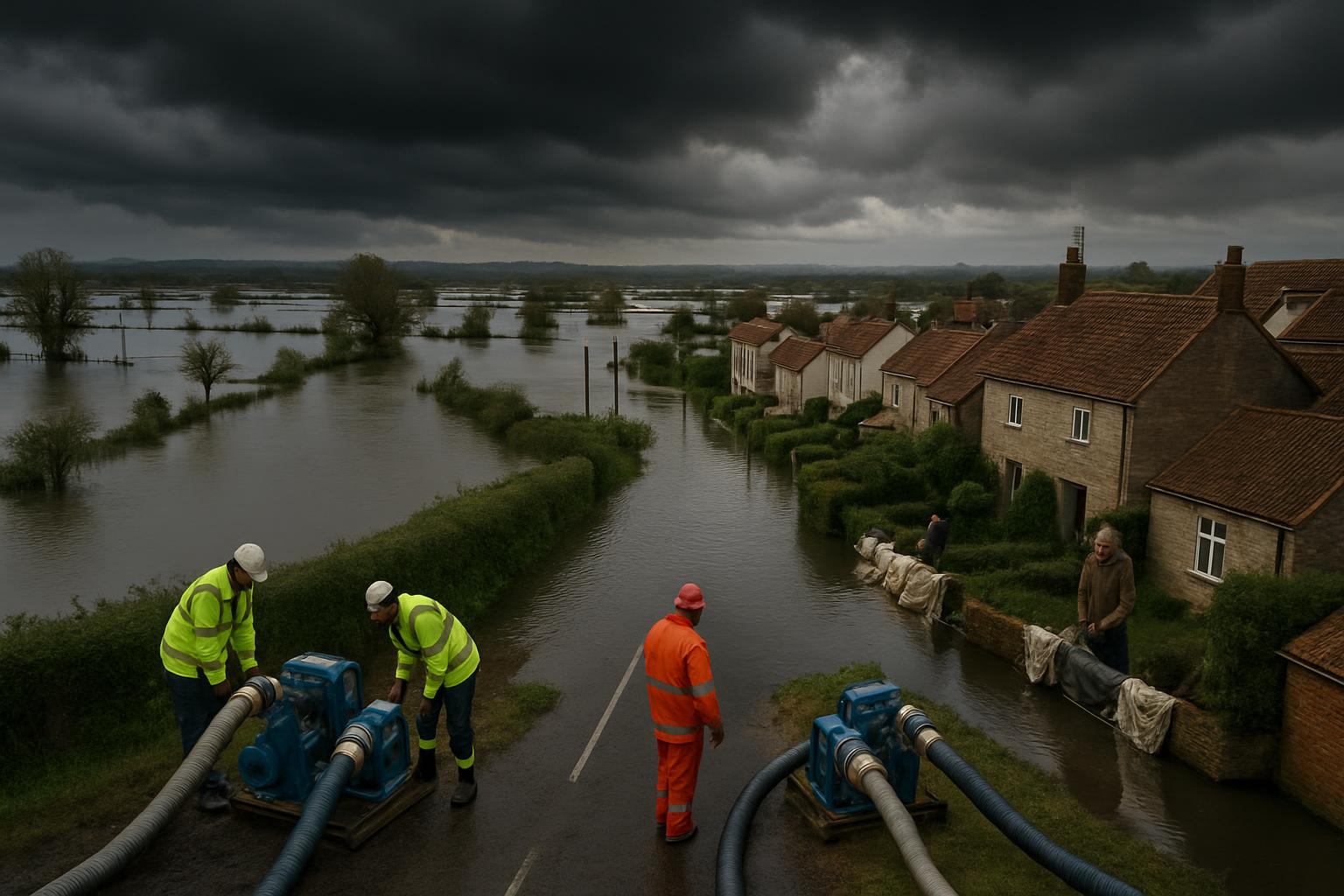
Rising Waters in Somerset Prompt Major Incident Declaration Amidst Climate Concerns
Young Atlantic Salmon Return to English Rivers, Signaling Environmental Recovery
In This Article
 Leila Hassan| Published
 HIGHLIGHTS
- Young Atlantic salmon have been found in the Mersey, Bollin, and Goyt rivers in north-west England for the first time since 2015.
- The species was declared critically endangered in Britain in 2023, with a 30-50% decline in populations since 2006.
- Environmental recovery efforts have led to thriving river ecosystems, though blockages like weirs and locks still hinder salmon migration.
- The Environment Agency plans a new salmon distribution study in 2026 using eDNA sampling to assess recovery progress.
- Key pressures on salmon include climate change, pollution, and invasive species, highlighting the need for continued conservation efforts.
In a promising sign of environmental recovery, young Atlantic salmon have been discovered in three rivers in north-west England for the first time in a decade. The Mersey, Bollin, and Goyt rivers have become the latest sites where these critically endangered fish have successfully spawned, marking a significant milestone in conservation efforts.
Environmental Turnaround
The Atlantic salmon, declared critically endangered in Britain in 2023, has seen a population decline of 30-50% since 2006. However, recent sightings in these rivers indicate a positive shift. Mark Sewell, a wastewater catchment manager at United Utilities, noted the transformation from biologically dead rivers in the 1980s to thriving ecosystems today. "Those species are recovering thanks to a significant environmental turnaround," he stated.
Challenges to Salmon Migration
Despite these gains, salmon face numerous challenges. River blockages, such as weirs on the River Tame and the Mode Wheel Locks at Salford Quays, impede their migration. Mike Duddy from the Salford Friendly Anglers Society emphasized the importance of building fish passes to facilitate salmon return to other rivers like the Roch and Irk. "If we wanted to do something for our future generations, now is the time," Duddy urged.
Future Conservation Efforts
The Environment Agency plans to conduct a new salmon distribution study in 2026 using eDNA sampling. This study aims to provide a clearer picture of the salmon's spawning range and assess the extent of their recovery. An agency spokesperson expressed excitement over the recent findings, considering the species' critically endangered status.
Ongoing Threats
Atlantic salmon continue to face threats from climate change, pollution, and invasive non-native species. These factors underscore the need for ongoing conservation efforts to ensure the species' survival and the health of river ecosystems.
WHAT THIS MIGHT MEAN
The recent discovery of young Atlantic salmon in English rivers offers hope for the species' recovery, yet significant challenges remain. If conservation efforts continue and barriers to migration are addressed, the salmon population could stabilize or even increase. The planned 2026 study will be crucial in evaluating the effectiveness of current strategies and guiding future actions.
However, without addressing broader environmental issues like climate change and pollution, the long-term survival of Atlantic salmon remains uncertain. Experts suggest that collaborative efforts between government agencies, environmental groups, and local communities will be essential to sustain the momentum of this environmental recovery.
Images from the Web
Related Articles
Flood Risk and Housing Development: A Growing Concern in England
New Swimming Sites Proposed to Boost Water Quality Across England
Massive Illegal Waste Dumps in Merseyside and Wigan Spark Environmental Concerns
Storm Chandra Causes Widespread Flooding Across Southwest England
Widespread Water Supply Disruptions Hit UK Towns Amid Infrastructure Concerns
Rising Waters in Somerset Prompt Major Incident Declaration Amidst Climate Concerns