
Youth Crime Cases Highlight Legal Challenges and Reforms
In This Article
HIGHLIGHTS
- A 17-year-old from Bristol denied multiple charges related to a shooting incident in Cardiff, including possessing a firearm with intent to endanger life.
- The alleged offences occurred on 7 June, with the trial set for 8 December; the co-defendant, Ashley Corbin, will appear in court on 1 August.
- In a separate case, a 16-year-old pleaded guilty to the murder of Vyleen White in Queensland, prompting youth justice reforms under the "adult crime, adult time" laws.
- The Queensland case has led to juveniles facing adult sentences for over 30 offences, reflecting a shift in youth justice policies.
- Both cases highlight ongoing debates around youth crime and the legal system's response to juvenile offenders.
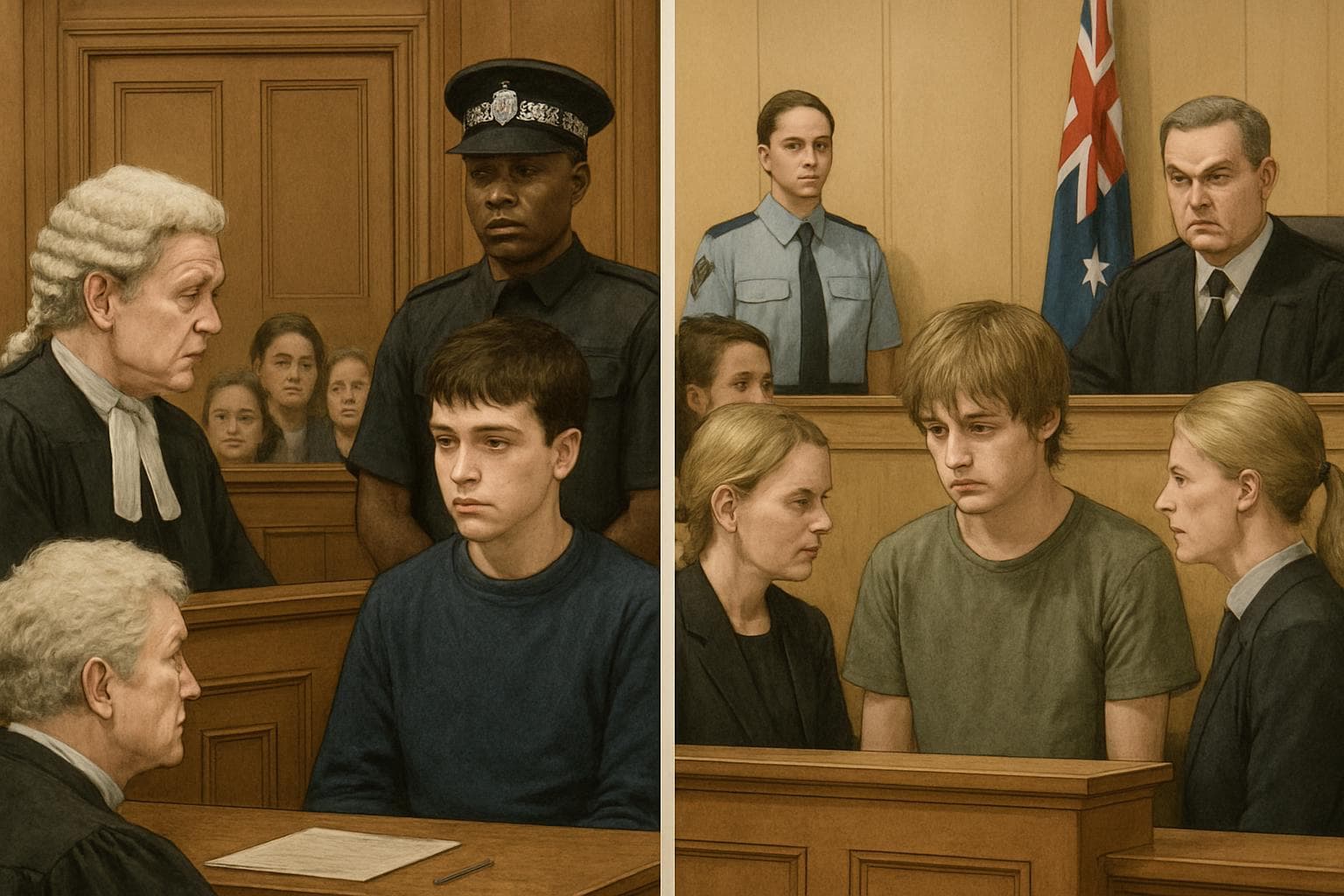
Two high-profile youth crime cases have recently underscored the complexities of juvenile justice systems in the UK and Australia. In Cardiff, a 17-year-old boy from Bristol appeared in court facing serious charges following a shooting incident that left a 15-year-old injured. The teenager, who cannot be named due to his age, denied charges including wounding with intent to cause grievous bodily harm and possessing a firearm with intent to endanger life. The alleged offences took place on 7 June in Clos Y Fynnon, Pontprennau, Cardiff. The boy has been remanded in youth detention, with his trial scheduled for 8 December. His co-defendant, Ashley Corbin, 20, will next appear in court on 1 August.
Meanwhile, in Queensland, Australia, a 16-year-old has pleaded guilty to the murder of 70-year-old Vyleen Joan White, a case that has sparked significant legal reforms. The teenager was charged following White's fatal stabbing during a suspected carjacking in February 2024. This incident led to the introduction of the "adult crime, adult time" laws by Queensland's Liberal National government, which mandate adult sentences for juveniles convicted of over 30 offences. The youth, who also faced charges of unlawful use of a motor vehicle and stealing, appeared in Brisbane Supreme Court, where a pre-sentence report was requested for 3 November, with sentencing set for 12 November.
Both cases have drawn attention to the challenges of addressing youth crime, with legal systems grappling with how to balance rehabilitation and accountability for young offenders.
WHAT THIS MIGHT MEAN
The Cardiff case could set a precedent for how firearms offences involving juveniles are prosecuted in the UK, potentially influencing future legal strategies and youth detention policies. As the trial approaches, legal experts will be watching closely to see how the court navigates the complexities of intent and culpability in youth crime.
In Queensland, the introduction of the "adult crime, adult time" laws represents a significant shift in youth justice policy, reflecting a tougher stance on juvenile offenders. This approach may face legal challenges and public debate, particularly concerning its impact on rehabilitation efforts and the long-term outcomes for young offenders. As these cases unfold, they will likely contribute to ongoing discussions about the effectiveness and fairness of youth justice systems globally.
Related Articles

Police Federation Chief Arrested Amid Fraud Investigation

Canada and Australia Forge Strategic Partnership Amid Global Uncertainty

Trump's New Tariff Strategy Sparks Global Trade Uncertainty

UK Government to Reform Asylum Seeker Support and Employment Policies

Middle East Conflict Drives UK Energy Prices to New Highs

UK Faces Dilemmas Amid Iran Conflict and China Spying Allegations
Youth Crime Cases Highlight Legal Challenges and Reforms
In This Article
 Sofia Romano| Published
 HIGHLIGHTS
- A 17-year-old from Bristol denied multiple charges related to a shooting incident in Cardiff, including possessing a firearm with intent to endanger life.
- The alleged offences occurred on 7 June, with the trial set for 8 December; the co-defendant, Ashley Corbin, will appear in court on 1 August.
- In a separate case, a 16-year-old pleaded guilty to the murder of Vyleen White in Queensland, prompting youth justice reforms under the "adult crime, adult time" laws.
- The Queensland case has led to juveniles facing adult sentences for over 30 offences, reflecting a shift in youth justice policies.
- Both cases highlight ongoing debates around youth crime and the legal system's response to juvenile offenders.
Two high-profile youth crime cases have recently underscored the complexities of juvenile justice systems in the UK and Australia. In Cardiff, a 17-year-old boy from Bristol appeared in court facing serious charges following a shooting incident that left a 15-year-old injured. The teenager, who cannot be named due to his age, denied charges including wounding with intent to cause grievous bodily harm and possessing a firearm with intent to endanger life. The alleged offences took place on 7 June in Clos Y Fynnon, Pontprennau, Cardiff. The boy has been remanded in youth detention, with his trial scheduled for 8 December. His co-defendant, Ashley Corbin, 20, will next appear in court on 1 August.
Meanwhile, in Queensland, Australia, a 16-year-old has pleaded guilty to the murder of 70-year-old Vyleen Joan White, a case that has sparked significant legal reforms. The teenager was charged following White's fatal stabbing during a suspected carjacking in February 2024. This incident led to the introduction of the "adult crime, adult time" laws by Queensland's Liberal National government, which mandate adult sentences for juveniles convicted of over 30 offences. The youth, who also faced charges of unlawful use of a motor vehicle and stealing, appeared in Brisbane Supreme Court, where a pre-sentence report was requested for 3 November, with sentencing set for 12 November.
Both cases have drawn attention to the challenges of addressing youth crime, with legal systems grappling with how to balance rehabilitation and accountability for young offenders.
WHAT THIS MIGHT MEAN
The Cardiff case could set a precedent for how firearms offences involving juveniles are prosecuted in the UK, potentially influencing future legal strategies and youth detention policies. As the trial approaches, legal experts will be watching closely to see how the court navigates the complexities of intent and culpability in youth crime.
In Queensland, the introduction of the "adult crime, adult time" laws represents a significant shift in youth justice policy, reflecting a tougher stance on juvenile offenders. This approach may face legal challenges and public debate, particularly concerning its impact on rehabilitation efforts and the long-term outcomes for young offenders. As these cases unfold, they will likely contribute to ongoing discussions about the effectiveness and fairness of youth justice systems globally.
Related Articles
Police Federation Chief Arrested Amid Fraud Investigation
Canada and Australia Forge Strategic Partnership Amid Global Uncertainty
Trump's New Tariff Strategy Sparks Global Trade Uncertainty
UK Government to Reform Asylum Seeker Support and Employment Policies
Middle East Conflict Drives UK Energy Prices to New Highs
UK Faces Dilemmas Amid Iran Conflict and China Spying Allegations