
Afghan Earthquake Leaves Hundreds Dead as Villagers Struggle with Devastation
In This Article
HIGHLIGHTS
- A 6.0 magnitude earthquake struck eastern Afghanistan, resulting in at least 800 deaths and over 2,500 injuries.
- The quake's epicenter was in Kunar province, with significant damage also reported in Nangarhar.
- Rescue efforts are hampered by blocked roads and challenging terrain, with helicopters being used to reach remote areas.
- Many homes, made of mud, collapsed, leaving survivors without shelter and in need of humanitarian aid.
- Criticism has been directed at the Taliban's rescue operations, which are seen as under-resourced and inadequate.
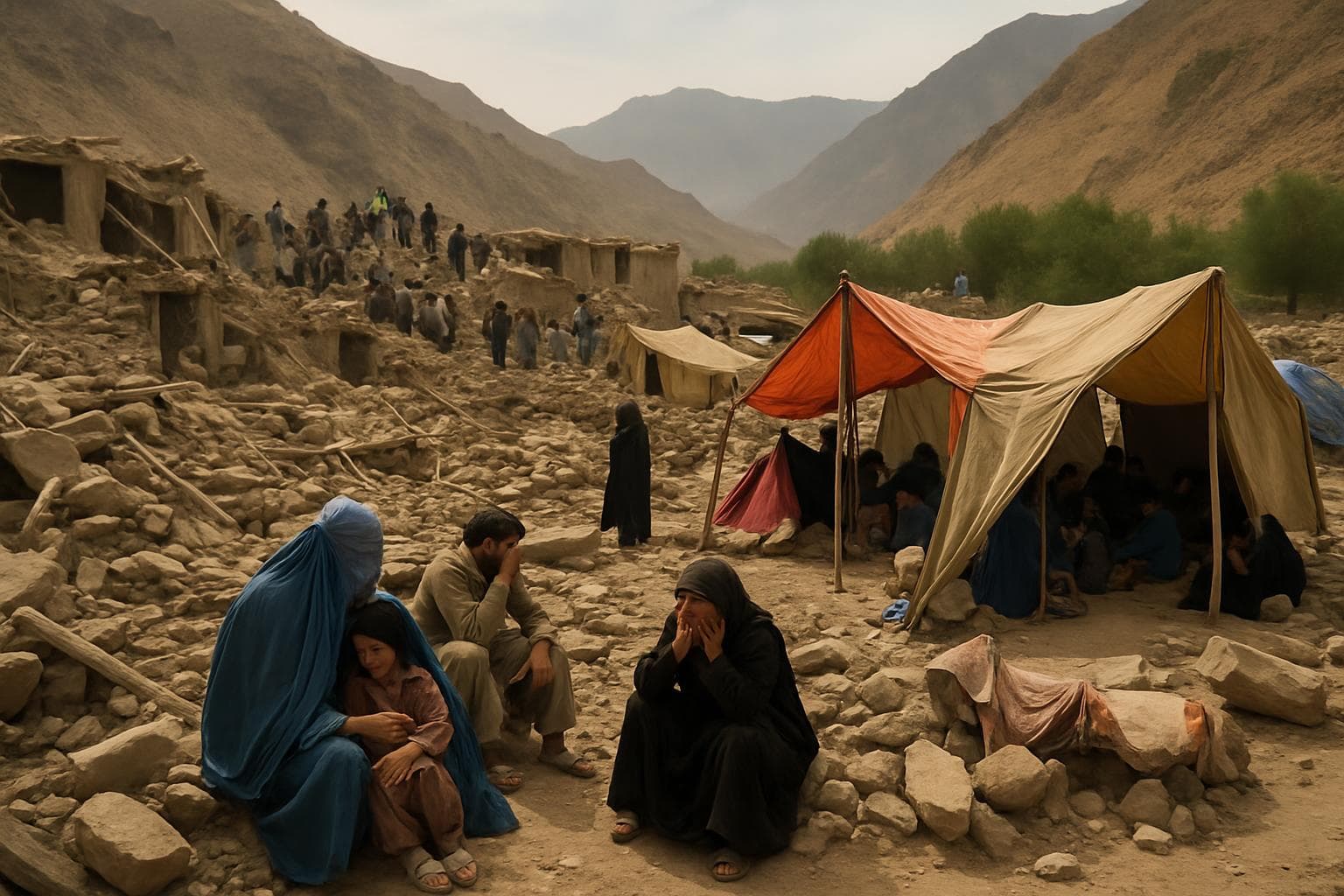
In the dead of night, a powerful 6.0 magnitude earthquake shook eastern Afghanistan, leaving a trail of destruction and despair in its wake. The tremors, which struck just before midnight on Sunday, have claimed the lives of at least 800 people, with more than 2,500 injured, according to the United Nations. The epicenter was located in the remote Kunar province, but the quake's impact was felt as far as Kabul and Islamabad, Pakistan.
Villagers Caught in Chaos
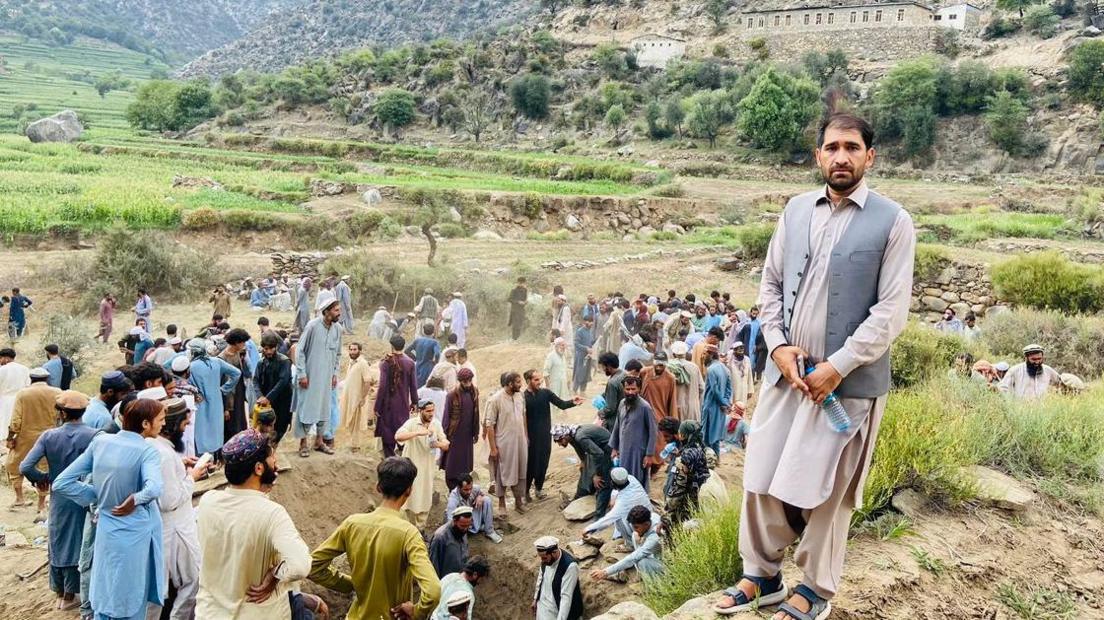
In the village of Asadabad, Matiullah Shahab, a freelance journalist, and his family were jolted awake by the tremors. "We were all afraid," he recounted, as they spent the night in their garden, fearing the collapse of their home. Matiullah's journey to the worst-hit areas revealed scenes of devastation, with entire villages reduced to rubble. In Andarlachak, he witnessed young children being treated for injuries, and the grim task of digging graves for the deceased.
Hameed Jan, another resident of Kunar, narrowly escaped death as his home collapsed around him. "It felt as if the entire mountain was collapsing on us," he said. Tragically, his wife, two sons, and two brothers perished in the disaster.
Rescue Efforts and Challenges
The Taliban, who have governed Afghanistan for over four years, face criticism for their handling of the crisis. With roads blocked and terrain challenging, helicopters are the primary means of reaching isolated communities. However, many areas remain inaccessible, and reports have emerged of people dying under the rubble while awaiting rescue.
Abdul Rahim, a cleric in Kunar, described the grim reality of overflowing graveyards and mass funerals. "Everywhere people are crying and embracing one another," he said, highlighting the overwhelming loss faced by the community.
Humanitarian Needs
The earthquake has left many survivors without shelter, as mud-built homes crumbled under the quake's force. Residents are now sleeping in the open, exposed to the elements, and in dire need of tents and other humanitarian aid. The mobile network's collapse has further isolated communities, complicating efforts to coordinate relief.
WHAT THIS MIGHT MEAN
As rescue operations continue, the death toll is expected to rise, with many still unaccounted for in the affected regions. The Taliban's limited resources and infrastructure pose significant challenges to effective disaster response, raising concerns about the long-term recovery process. International aid organizations may need to step in to provide much-needed support and resources to the devastated communities.
The earthquake highlights the vulnerability of Afghanistan's rural areas to natural disasters, exacerbated by the lack of robust infrastructure and emergency preparedness. Moving forward, there may be increased pressure on the Taliban to improve disaster response capabilities and seek international assistance to rebuild and support affected populations.
Images from the Web
Related Articles
Pakistan's Airstrikes on Afghanistan Escalate Cross-Border Tensions
Indonesia Prepares Historic Troop Deployment to Gaza Under US Peace Plan

Israel's New West Bank Measures Spark Global Outcry
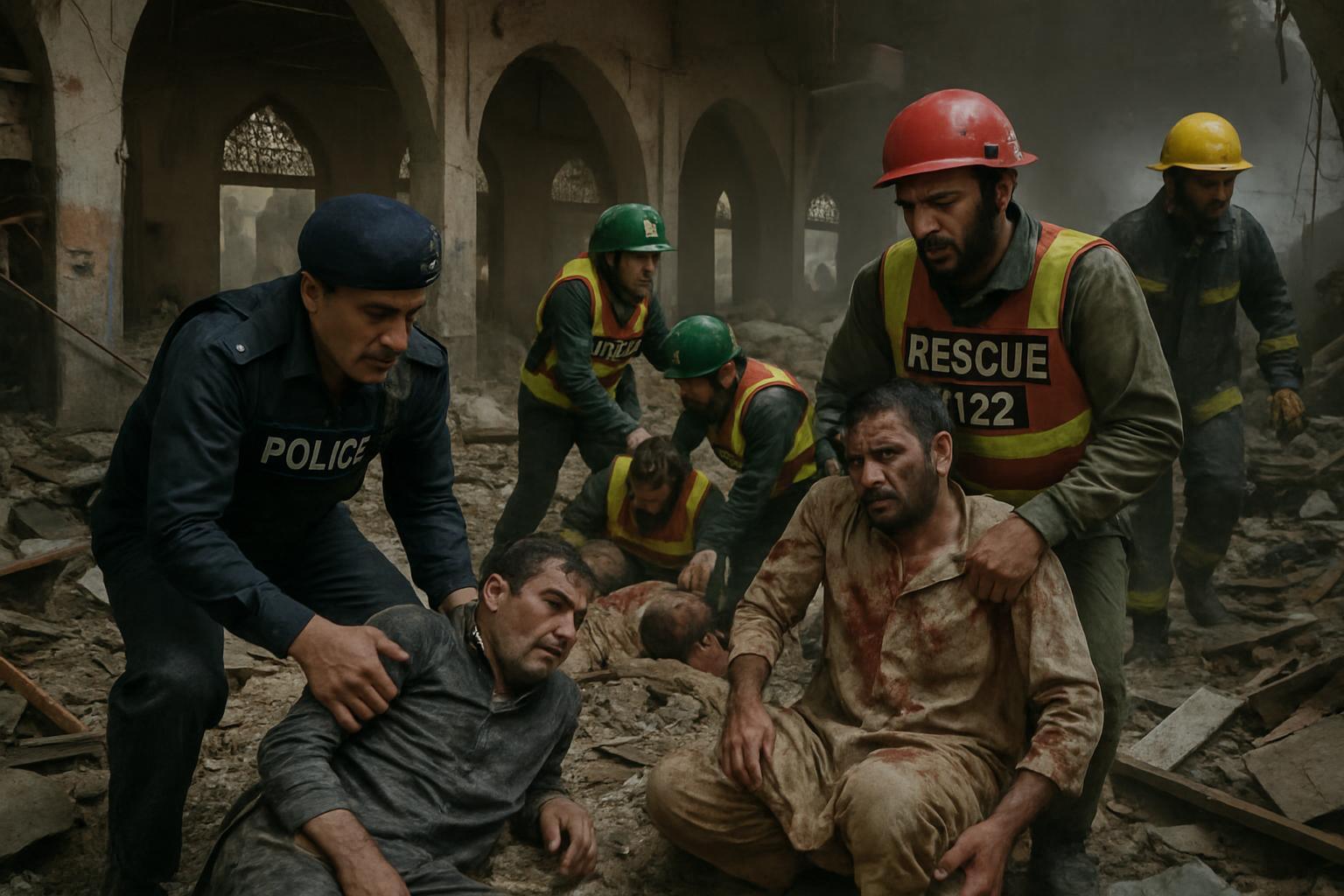
Deadly Suicide Bombing at Islamabad Mosque Claims Over 30 Lives

Palestinian-American Teen Killed by Israeli Settlers in West Bank Sparks Calls for Accountability

US-Iran Tensions Escalate Amid Military Buildup and Diplomatic Deadlock
Afghan Earthquake Leaves Hundreds Dead as Villagers Struggle with Devastation
In This Article
 James Okoro| Published
 HIGHLIGHTS
- A 6.0 magnitude earthquake struck eastern Afghanistan, resulting in at least 800 deaths and over 2,500 injuries.
- The quake's epicenter was in Kunar province, with significant damage also reported in Nangarhar.
- Rescue efforts are hampered by blocked roads and challenging terrain, with helicopters being used to reach remote areas.
- Many homes, made of mud, collapsed, leaving survivors without shelter and in need of humanitarian aid.
- Criticism has been directed at the Taliban's rescue operations, which are seen as under-resourced and inadequate.
In the dead of night, a powerful 6.0 magnitude earthquake shook eastern Afghanistan, leaving a trail of destruction and despair in its wake. The tremors, which struck just before midnight on Sunday, have claimed the lives of at least 800 people, with more than 2,500 injured, according to the United Nations. The epicenter was located in the remote Kunar province, but the quake's impact was felt as far as Kabul and Islamabad, Pakistan.
Villagers Caught in Chaos
In the village of Asadabad, Matiullah Shahab, a freelance journalist, and his family were jolted awake by the tremors. "We were all afraid," he recounted, as they spent the night in their garden, fearing the collapse of their home. Matiullah's journey to the worst-hit areas revealed scenes of devastation, with entire villages reduced to rubble. In Andarlachak, he witnessed young children being treated for injuries, and the grim task of digging graves for the deceased.
Hameed Jan, another resident of Kunar, narrowly escaped death as his home collapsed around him. "It felt as if the entire mountain was collapsing on us," he said. Tragically, his wife, two sons, and two brothers perished in the disaster.
Rescue Efforts and Challenges
The Taliban, who have governed Afghanistan for over four years, face criticism for their handling of the crisis. With roads blocked and terrain challenging, helicopters are the primary means of reaching isolated communities. However, many areas remain inaccessible, and reports have emerged of people dying under the rubble while awaiting rescue.
Abdul Rahim, a cleric in Kunar, described the grim reality of overflowing graveyards and mass funerals. "Everywhere people are crying and embracing one another," he said, highlighting the overwhelming loss faced by the community.
Humanitarian Needs
The earthquake has left many survivors without shelter, as mud-built homes crumbled under the quake's force. Residents are now sleeping in the open, exposed to the elements, and in dire need of tents and other humanitarian aid. The mobile network's collapse has further isolated communities, complicating efforts to coordinate relief.
WHAT THIS MIGHT MEAN
As rescue operations continue, the death toll is expected to rise, with many still unaccounted for in the affected regions. The Taliban's limited resources and infrastructure pose significant challenges to effective disaster response, raising concerns about the long-term recovery process. International aid organizations may need to step in to provide much-needed support and resources to the devastated communities.
The earthquake highlights the vulnerability of Afghanistan's rural areas to natural disasters, exacerbated by the lack of robust infrastructure and emergency preparedness. Moving forward, there may be increased pressure on the Taliban to improve disaster response capabilities and seek international assistance to rebuild and support affected populations.
Images from the Web
Related Articles
Pakistan's Airstrikes on Afghanistan Escalate Cross-Border Tensions
Indonesia Prepares Historic Troop Deployment to Gaza Under US Peace Plan
Israel's New West Bank Measures Spark Global Outcry
Deadly Suicide Bombing at Islamabad Mosque Claims Over 30 Lives
Palestinian-American Teen Killed by Israeli Settlers in West Bank Sparks Calls for Accountability
US-Iran Tensions Escalate Amid Military Buildup and Diplomatic Deadlock