
Afghanistan Earthquake: Over 900 Dead as Taliban Seek International Aid
In This Article
HIGHLIGHTS
- A 6.0-magnitude earthquake struck eastern Afghanistan, killing over 900 people and injuring thousands, with Kunar province being the hardest hit.
- The Taliban have appealed for international aid as rescue efforts are hampered by rough terrain and inclement weather.
- Entire villages have been destroyed, and many people remain trapped under rubble, with rescue operations ongoing.
- Afghanistan's existing economic crisis and aid cuts exacerbate the challenges in responding to the disaster.
- The earthquake adds to the humanitarian crisis in Afghanistan, already strained by drought and food shortages.
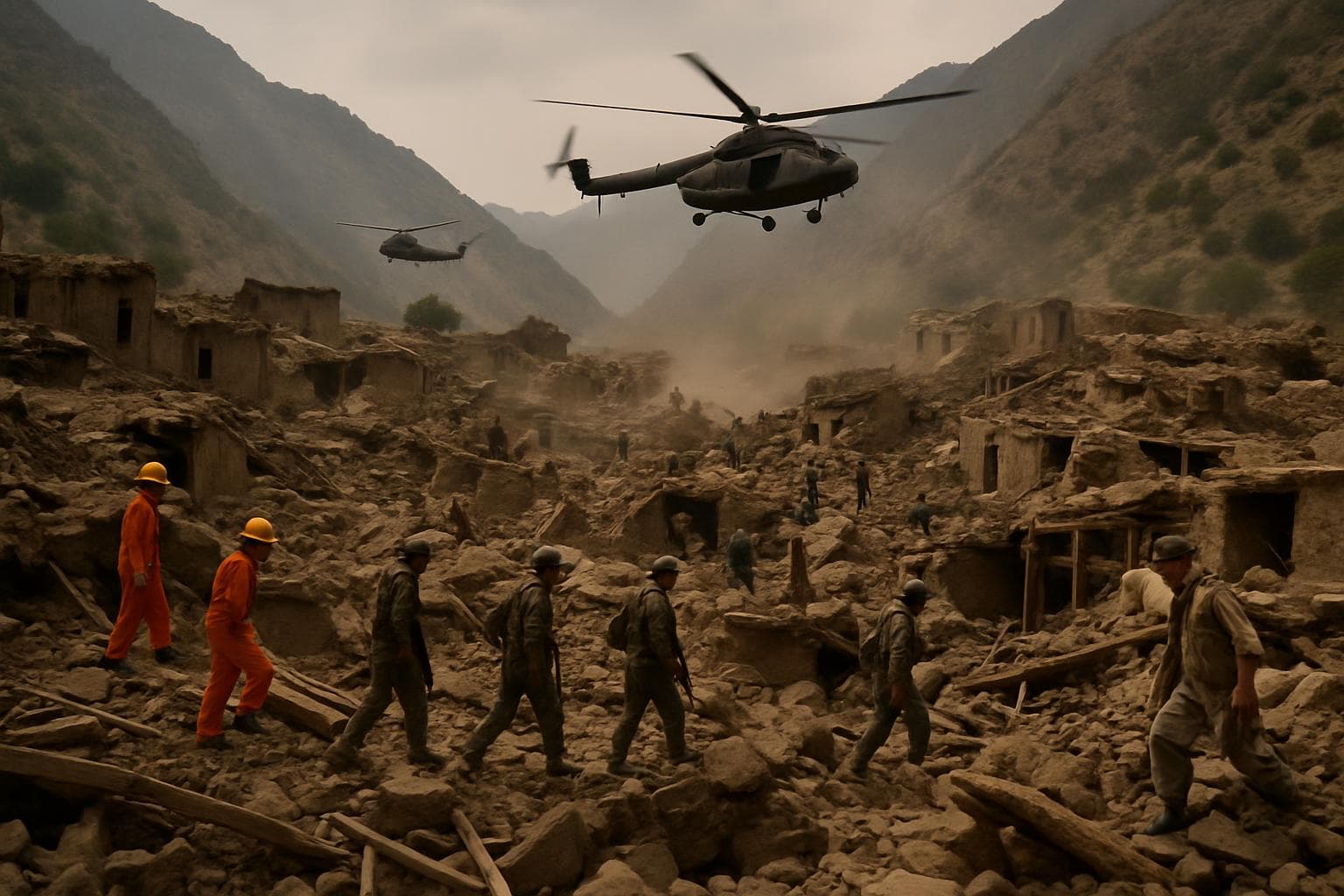
A devastating earthquake has struck eastern Afghanistan, leaving more than 900 people dead and thousands injured. The 6.0-magnitude quake hit late Sunday night, with the epicenter located in the mountainous Kunar province, near the border with Pakistan. The disaster has flattened entire villages, leaving many residents trapped under the rubble of their mud and stone homes.
Impact and Immediate Response
The earthquake, occurring just six miles beneath the earth's surface, has had a particularly destructive impact on the region. Rescue efforts have been underway since the quake struck, but the rugged terrain and adverse weather conditions have severely hampered access to remote areas. Helicopters have been deployed to reach isolated communities, while local villagers have been working tirelessly to rescue the injured and recover the dead.
Taliban's Call for Aid
The Taliban administration has issued an urgent appeal for international aid, as Afghanistan grapples with the aftermath of the earthquake. Sharafat Zaman, a spokesperson for the health ministry, emphasized the dire need for assistance, stating, "We need it because here lots of people lost their lives and houses." The disaster further strains a nation already facing a severe economic crisis and a significant reduction in international aid following the Taliban's takeover in 2021.
Humanitarian Crisis Deepens
The earthquake compounds Afghanistan's existing humanitarian challenges, including a severe drought and widespread food shortages. The World Food Programme has described the situation as an unprecedented hunger crisis. The Taliban's hardline policies, such as restrictions on female education and employment, have led to a sharp decline in international support, exacerbating the country's vulnerability to natural disasters.
Rescue Efforts and Challenges
Rescue operations continue as authorities work to reach more isolated locations, with expectations that the death toll may rise further. In Kunar, villagers have been burying the dead, while helicopters transport the injured to hospitals. Syed Raheem, involved in the rescue efforts, expressed concerns that many remain trapped, stating, "Some people sent us messages that there are houses that are destroyed, and some people are still under the rocks."
WHAT THIS MIGHT MEAN
The immediate focus remains on rescue operations and providing aid to the affected regions. However, the earthquake highlights the broader challenges facing Afghanistan, particularly in terms of international relations and humanitarian support. The Taliban's appeal for aid may prompt a reassessment of international engagement with Afghanistan, balancing humanitarian needs with political considerations. As the country struggles to recover, the international community's response could significantly impact Afghanistan's ability to address both immediate and long-term challenges.
Related Articles
Pakistan's Airstrikes on Afghanistan Escalate Cross-Border Tensions
Indonesia Prepares Historic Troop Deployment to Gaza Under US Peace Plan

Deadly Attacks in Balochistan Highlight Ongoing Insurgency
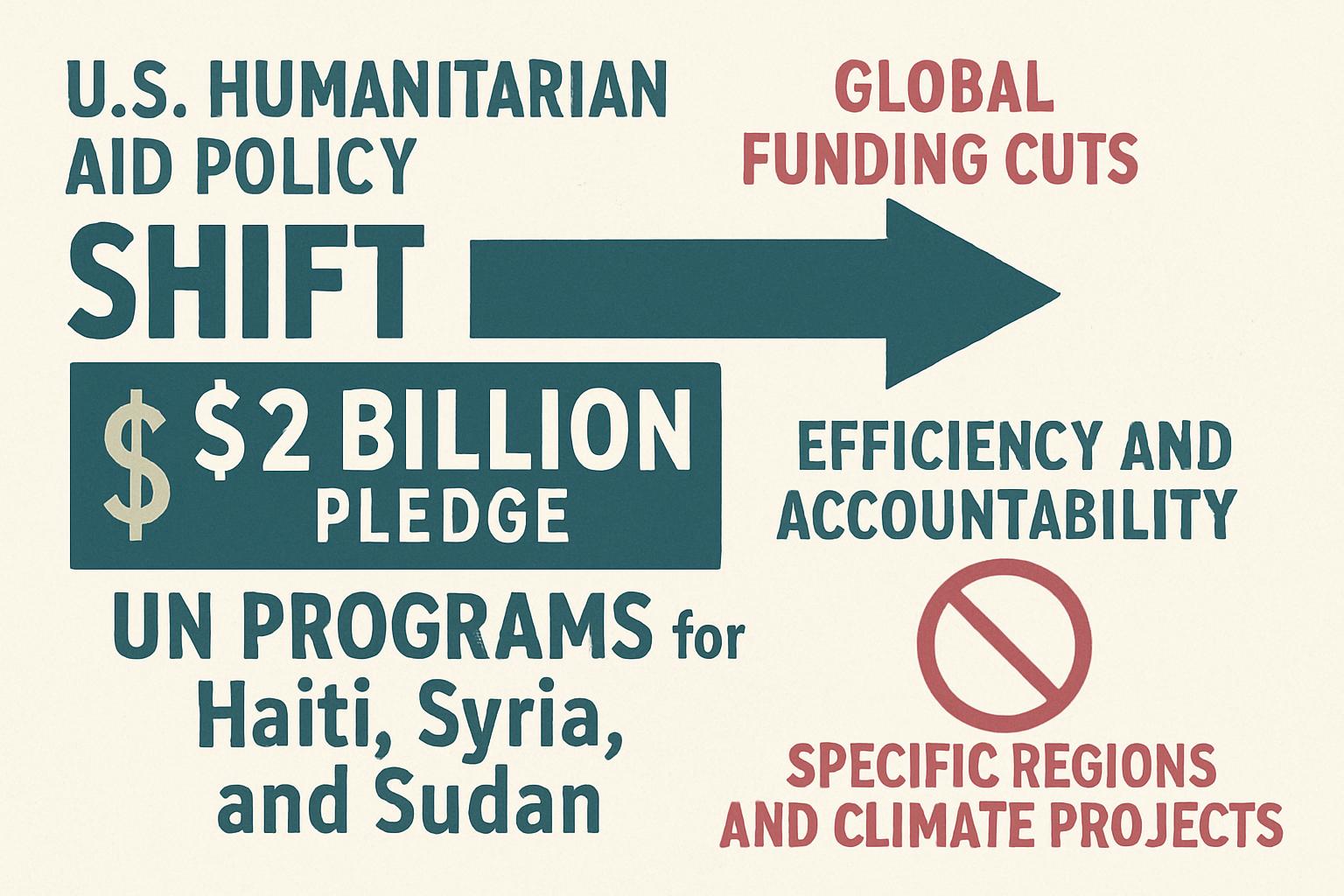
US Pledges $2 Billion in Humanitarian Aid Amidst Funding Cuts

Deadly Suicide Bombing at Islamabad Mosque Claims Over 30 Lives

Iran Signals Openness to US Talks Amid Rising Tensions
Afghanistan Earthquake: Over 900 Dead as Taliban Seek International Aid
In This Article
 James Okoro| Published
 HIGHLIGHTS
- A 6.0-magnitude earthquake struck eastern Afghanistan, killing over 900 people and injuring thousands, with Kunar province being the hardest hit.
- The Taliban have appealed for international aid as rescue efforts are hampered by rough terrain and inclement weather.
- Entire villages have been destroyed, and many people remain trapped under rubble, with rescue operations ongoing.
- Afghanistan's existing economic crisis and aid cuts exacerbate the challenges in responding to the disaster.
- The earthquake adds to the humanitarian crisis in Afghanistan, already strained by drought and food shortages.
A devastating earthquake has struck eastern Afghanistan, leaving more than 900 people dead and thousands injured. The 6.0-magnitude quake hit late Sunday night, with the epicenter located in the mountainous Kunar province, near the border with Pakistan. The disaster has flattened entire villages, leaving many residents trapped under the rubble of their mud and stone homes.
Impact and Immediate Response
The earthquake, occurring just six miles beneath the earth's surface, has had a particularly destructive impact on the region. Rescue efforts have been underway since the quake struck, but the rugged terrain and adverse weather conditions have severely hampered access to remote areas. Helicopters have been deployed to reach isolated communities, while local villagers have been working tirelessly to rescue the injured and recover the dead.
Taliban's Call for Aid
The Taliban administration has issued an urgent appeal for international aid, as Afghanistan grapples with the aftermath of the earthquake. Sharafat Zaman, a spokesperson for the health ministry, emphasized the dire need for assistance, stating, "We need it because here lots of people lost their lives and houses." The disaster further strains a nation already facing a severe economic crisis and a significant reduction in international aid following the Taliban's takeover in 2021.
Humanitarian Crisis Deepens
The earthquake compounds Afghanistan's existing humanitarian challenges, including a severe drought and widespread food shortages. The World Food Programme has described the situation as an unprecedented hunger crisis. The Taliban's hardline policies, such as restrictions on female education and employment, have led to a sharp decline in international support, exacerbating the country's vulnerability to natural disasters.
Rescue Efforts and Challenges
Rescue operations continue as authorities work to reach more isolated locations, with expectations that the death toll may rise further. In Kunar, villagers have been burying the dead, while helicopters transport the injured to hospitals. Syed Raheem, involved in the rescue efforts, expressed concerns that many remain trapped, stating, "Some people sent us messages that there are houses that are destroyed, and some people are still under the rocks."
WHAT THIS MIGHT MEAN
The immediate focus remains on rescue operations and providing aid to the affected regions. However, the earthquake highlights the broader challenges facing Afghanistan, particularly in terms of international relations and humanitarian support. The Taliban's appeal for aid may prompt a reassessment of international engagement with Afghanistan, balancing humanitarian needs with political considerations. As the country struggles to recover, the international community's response could significantly impact Afghanistan's ability to address both immediate and long-term challenges.
Related Articles
Pakistan's Airstrikes on Afghanistan Escalate Cross-Border Tensions
Indonesia Prepares Historic Troop Deployment to Gaza Under US Peace Plan
Deadly Attacks in Balochistan Highlight Ongoing Insurgency
US Pledges $2 Billion in Humanitarian Aid Amidst Funding Cuts
Deadly Suicide Bombing at Islamabad Mosque Claims Over 30 Lives
Iran Signals Openness to US Talks Amid Rising Tensions