
Afghanistan Earthquake: Over 900 Dead as Taliban Urges International Aid

In This Article
HIGHLIGHTS
- Over 900 people have died and thousands are injured following a 6.0 magnitude earthquake in eastern Afghanistan, primarily affecting Kunar province.
- The Taliban has called for international aid as rescue efforts are hampered by rough terrain and inclement weather.
- Entire villages have been destroyed, with many survivors spending nights outdoors due to fear of aftershocks.
- The disaster exacerbates Afghanistan's existing economic crisis and humanitarian challenges, including a severe drought and aid cuts.
- Rescue operations are ongoing, with helicopters deployed to reach inaccessible areas and survivors assisting each other in recovery efforts.
In the wake of a devastating 6.0 magnitude earthquake that struck eastern Afghanistan, the death toll has risen to over 900, with thousands more injured. The quake, which hit late Sunday night, has left a trail of destruction across the mountainous Kunar province, where entire villages have been flattened. The Taliban, grappling with the aftermath, has urgently appealed for international aid to support rescue and recovery efforts.
Devastation in Kunar Province
The epicenter of the earthquake was located near the city of Jalalabad, but the most severe damage occurred in Kunar province. The region's rugged terrain and mudbrick homes have compounded the disaster's impact, leaving many areas inaccessible. Survivors have described a harrowing scene, with homes reduced to rubble and families trapped beneath the debris. "The entire village has been destroyed," a resident of Mazar Dara in Nurgal district reported, emphasizing the urgent need for medical assistance and rescue operations.
Challenges in Rescue Efforts
Rescue teams have faced significant challenges in reaching remote areas due to blocked roads and adverse weather conditions. Helicopters have been deployed to transport the injured to hospitals, while local villagers have taken it upon themselves to search for survivors. "Some people are still under the rocks," Syed Raheem, a rescue volunteer, noted, highlighting the ongoing struggle to save lives amidst the chaos.
A Nation in Crisis
The earthquake has struck Afghanistan at a time of profound crisis. The country is already reeling from a severe economic downturn, exacerbated by the withdrawal of international aid following the Taliban's takeover in 2021. Hardline policies, including restrictions on female education and employment, have further strained relations with the international community. The World Food Programme has warned of an unprecedented hunger crisis, and the recent disaster only adds to the nation's woes.
International Response and Aid Appeal
In response to the catastrophe, the Taliban has called for urgent international assistance. "We need it because here lots of people lost their lives and houses," Sharafat Zaman, a health ministry spokesperson, stated. Several countries have pledged aid, but the scale of the disaster requires a coordinated global effort to address the immediate needs of survivors and support long-term recovery.
WHAT THIS MIGHT MEAN
The aftermath of the earthquake presents significant challenges for Afghanistan's Taliban-led government, which must navigate both the immediate humanitarian crisis and the broader economic implications. The call for international aid could test the Taliban's diplomatic relations, potentially influencing future humanitarian support and political engagement. Experts suggest that the disaster may prompt a reevaluation of aid policies, as the international community balances humanitarian needs with political considerations. As rescue operations continue, the focus will likely shift to rebuilding efforts and addressing the systemic vulnerabilities that have exacerbated the disaster's impact.
Related Articles
Pakistan's Airstrikes on Afghanistan Escalate Cross-Border Tensions
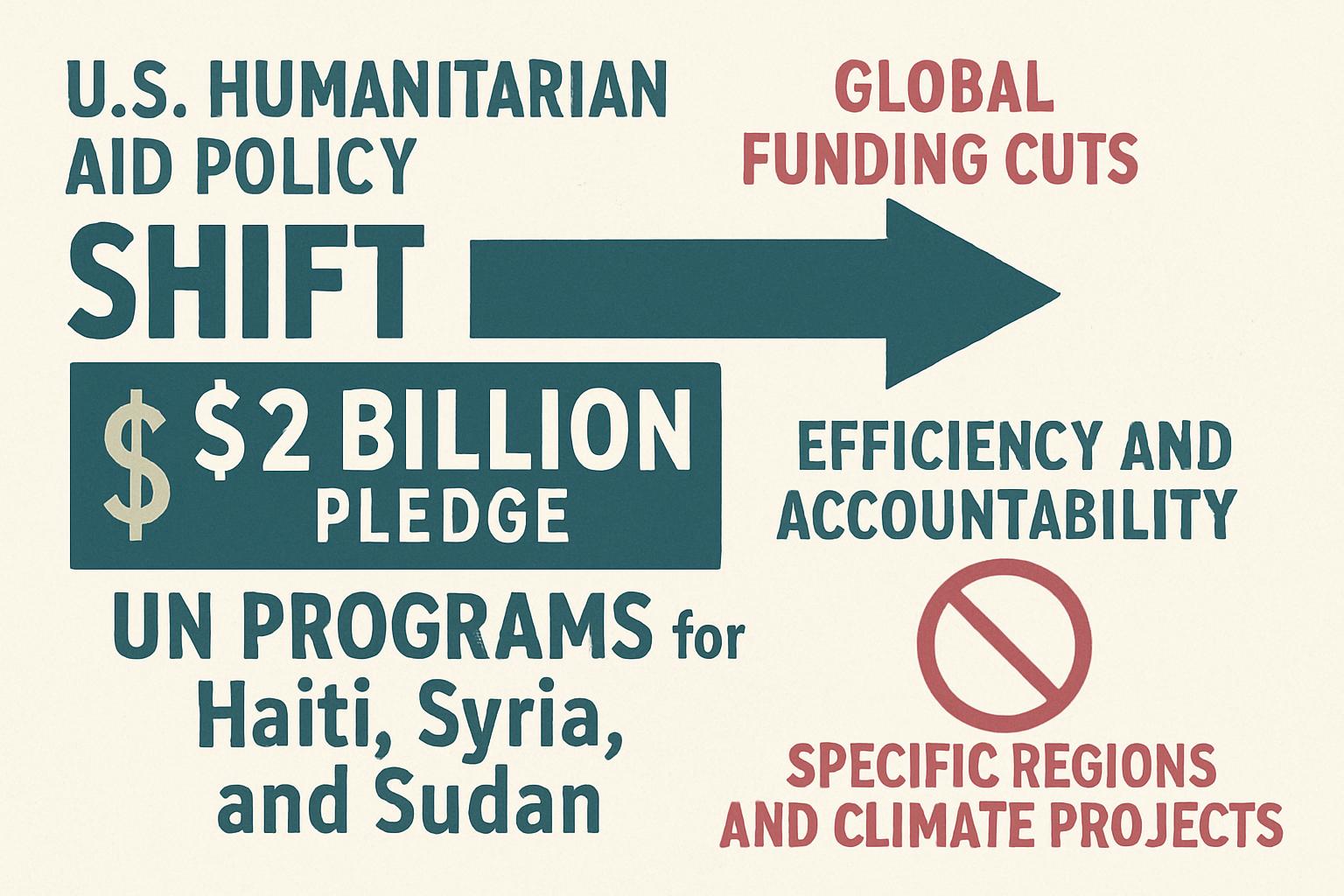
US Pledges $2 Billion in Humanitarian Aid Amidst Funding Cuts

US Immigration Policy Tightens Amid National Security Concerns

Prince Andrew Under Scrutiny for Alleged Breach of Confidentiality in Epstein Scandal

Deadly Suicide Bombing at Islamabad Mosque Claims Over 30 Lives

Trump's NATO Comments Ignite Backlash from Veterans and Allies
Afghanistan Earthquake: Over 900 Dead as Taliban Urges International Aid
In This Article
 James Okoro| Published
 HIGHLIGHTS
- Over 900 people have died and thousands are injured following a 6.0 magnitude earthquake in eastern Afghanistan, primarily affecting Kunar province.
- The Taliban has called for international aid as rescue efforts are hampered by rough terrain and inclement weather.
- Entire villages have been destroyed, with many survivors spending nights outdoors due to fear of aftershocks.
- The disaster exacerbates Afghanistan's existing economic crisis and humanitarian challenges, including a severe drought and aid cuts.
- Rescue operations are ongoing, with helicopters deployed to reach inaccessible areas and survivors assisting each other in recovery efforts.
In the wake of a devastating 6.0 magnitude earthquake that struck eastern Afghanistan, the death toll has risen to over 900, with thousands more injured. The quake, which hit late Sunday night, has left a trail of destruction across the mountainous Kunar province, where entire villages have been flattened. The Taliban, grappling with the aftermath, has urgently appealed for international aid to support rescue and recovery efforts.
Devastation in Kunar Province
The epicenter of the earthquake was located near the city of Jalalabad, but the most severe damage occurred in Kunar province. The region's rugged terrain and mudbrick homes have compounded the disaster's impact, leaving many areas inaccessible. Survivors have described a harrowing scene, with homes reduced to rubble and families trapped beneath the debris. "The entire village has been destroyed," a resident of Mazar Dara in Nurgal district reported, emphasizing the urgent need for medical assistance and rescue operations.
Challenges in Rescue Efforts
Rescue teams have faced significant challenges in reaching remote areas due to blocked roads and adverse weather conditions. Helicopters have been deployed to transport the injured to hospitals, while local villagers have taken it upon themselves to search for survivors. "Some people are still under the rocks," Syed Raheem, a rescue volunteer, noted, highlighting the ongoing struggle to save lives amidst the chaos.
A Nation in Crisis
The earthquake has struck Afghanistan at a time of profound crisis. The country is already reeling from a severe economic downturn, exacerbated by the withdrawal of international aid following the Taliban's takeover in 2021. Hardline policies, including restrictions on female education and employment, have further strained relations with the international community. The World Food Programme has warned of an unprecedented hunger crisis, and the recent disaster only adds to the nation's woes.
International Response and Aid Appeal
In response to the catastrophe, the Taliban has called for urgent international assistance. "We need it because here lots of people lost their lives and houses," Sharafat Zaman, a health ministry spokesperson, stated. Several countries have pledged aid, but the scale of the disaster requires a coordinated global effort to address the immediate needs of survivors and support long-term recovery.
WHAT THIS MIGHT MEAN
The aftermath of the earthquake presents significant challenges for Afghanistan's Taliban-led government, which must navigate both the immediate humanitarian crisis and the broader economic implications. The call for international aid could test the Taliban's diplomatic relations, potentially influencing future humanitarian support and political engagement. Experts suggest that the disaster may prompt a reevaluation of aid policies, as the international community balances humanitarian needs with political considerations. As rescue operations continue, the focus will likely shift to rebuilding efforts and addressing the systemic vulnerabilities that have exacerbated the disaster's impact.
Related Articles
Pakistan's Airstrikes on Afghanistan Escalate Cross-Border Tensions
US Pledges $2 Billion in Humanitarian Aid Amidst Funding Cuts
US Immigration Policy Tightens Amid National Security Concerns
Prince Andrew Under Scrutiny for Alleged Breach of Confidentiality in Epstein Scandal
Deadly Suicide Bombing at Islamabad Mosque Claims Over 30 Lives
Trump's NATO Comments Ignite Backlash from Veterans and Allies