
Albanese's China Visit: Balancing Trade Ambitions with Geopolitical Challenges
In This Article
HIGHLIGHTS
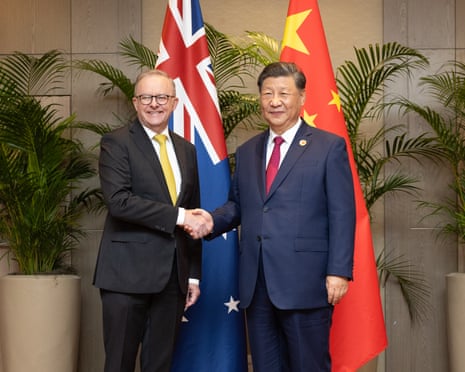
- Australian Prime Minister Anthony Albanese is visiting China to enhance trade and diplomatic ties, meeting President Xi Jinping during his six-day trip.
- The visit aims to stabilize Australia-China relations amid geopolitical tensions, with a focus on economic cooperation and regional security.
- The Aukus submarine deal and China's military expansion remain contentious issues, but both countries seek to maintain a constructive relationship.
- Albanese's delegation includes business leaders aiming to boost trade, with a focus on green metals, clean energy, and education.
- Human rights concerns, including the case of detained Australian novelist Yang Hengjun, are expected to be discussed, though not a primary focus of the trip.
Australian Prime Minister Anthony Albanese embarks on a pivotal six-day visit to China, aiming to fortify economic ties with the nation's largest trading partner while navigating complex geopolitical dynamics. The trip, which includes stops in Beijing, Shanghai, and Chengdu, marks Albanese's second official visit to China since his re-election in May, underscoring the importance of the Australia-China relationship.
Strengthening Economic Ties
Albanese's visit is primarily focused on enhancing trade relations, with China accounting for nearly a third of Australia's total trade. The prime minister's delegation includes executives from major Australian companies such as ANZ, Rio Tinto, and BHP, who are eager to explore new opportunities in green metals, clean energy, and education. "The relationship in China means jobs in Australia. It's as simple as that," Albanese emphasized, highlighting the economic stakes of the visit.
Navigating Geopolitical Tensions
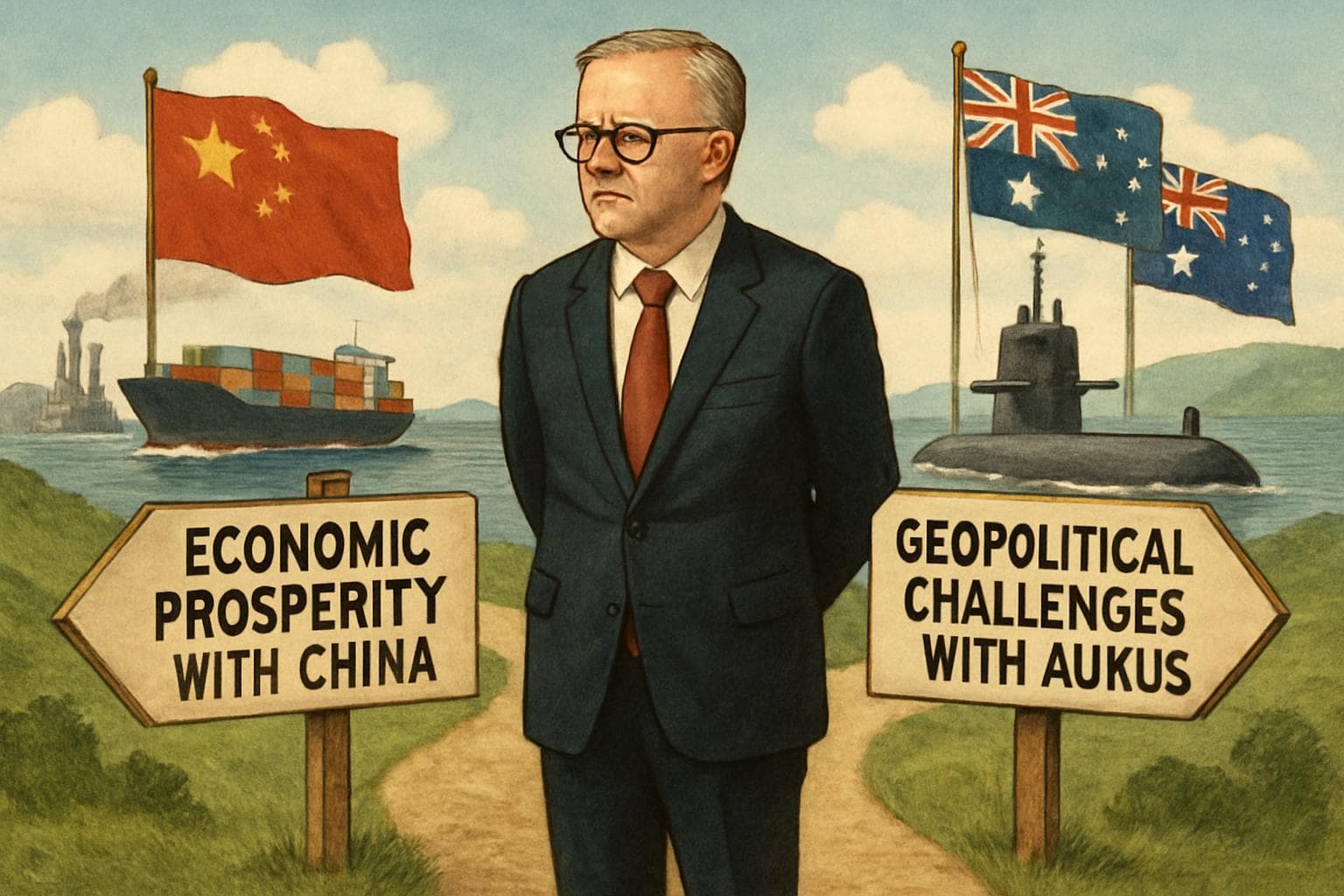
While trade is at the forefront, regional security issues loom large. The Aukus submarine deal, involving the US and UK, remains a point of contention, with China critical of Australia's involvement. Despite these challenges, both nations are committed to maintaining a stable and constructive relationship. "Both sides recognize their differences... [and] agree those differences should not define the relationship," noted James Laurenceson, director of the Australia-China Relations Institute.
Addressing Human Rights Concerns
Human rights issues, including the detention of Australian novelist Yang Hengjun, are expected to be addressed during the visit. Human Rights Watch has urged Albanese to raise concerns about abuses in Hong Kong, Xinjiang, and Tibet. However, these topics are not the primary focus of the trip, which is centered on advancing Australia's economic and security interests.
WHAT THIS MIGHT MEAN
Albanese's visit to China could signal a new chapter in Australia-China relations, characterized by pragmatic engagement and economic cooperation. However, the geopolitical landscape remains fraught with challenges, particularly concerning the Aukus deal and regional security dynamics. Experts suggest that while economic diplomacy may yield immediate benefits, long-term stability will depend on how both countries manage their strategic differences. As Australia seeks to balance its alliances with the US and its economic ties with China, the outcomes of this visit could have significant implications for regional security and global trade dynamics.
Images from the Web
Related Articles
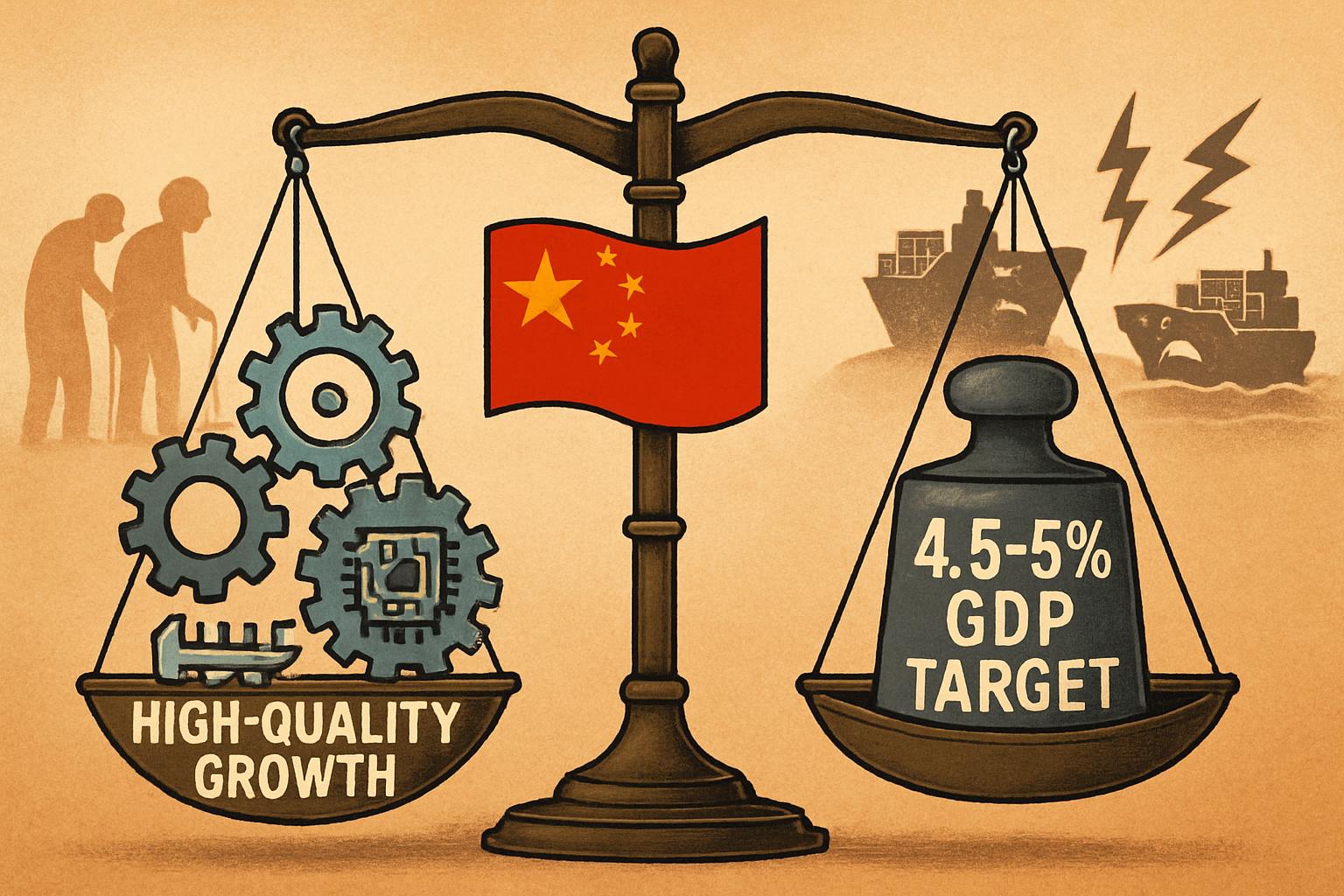
China Sets Lowest GDP Growth Target in Decades Amid Economic Challenges

Trump's New Tariff Strategy Sparks Global Trade Uncertainty

UK Faces Dilemmas Amid Iran Conflict and China Spying Allegations

Canada Calls for De-escalation Amid US-Israel Strikes on Iran

Canada and Australia Forge Strategic Partnership Amid Global Uncertainty

Breakthrough Drug Offers Hope for Children with Severe Epilepsy
Albanese's China Visit: Balancing Trade Ambitions with Geopolitical Challenges
In This Article
 Daniel Rivera| Published
 HIGHLIGHTS
- Australian Prime Minister Anthony Albanese is visiting China to enhance trade and diplomatic ties, meeting President Xi Jinping during his six-day trip.
- The visit aims to stabilize Australia-China relations amid geopolitical tensions, with a focus on economic cooperation and regional security.
- The Aukus submarine deal and China's military expansion remain contentious issues, but both countries seek to maintain a constructive relationship.
- Albanese's delegation includes business leaders aiming to boost trade, with a focus on green metals, clean energy, and education.
- Human rights concerns, including the case of detained Australian novelist Yang Hengjun, are expected to be discussed, though not a primary focus of the trip.
Australian Prime Minister Anthony Albanese embarks on a pivotal six-day visit to China, aiming to fortify economic ties with the nation's largest trading partner while navigating complex geopolitical dynamics. The trip, which includes stops in Beijing, Shanghai, and Chengdu, marks Albanese's second official visit to China since his re-election in May, underscoring the importance of the Australia-China relationship.
Strengthening Economic Ties
Albanese's visit is primarily focused on enhancing trade relations, with China accounting for nearly a third of Australia's total trade. The prime minister's delegation includes executives from major Australian companies such as ANZ, Rio Tinto, and BHP, who are eager to explore new opportunities in green metals, clean energy, and education. "The relationship in China means jobs in Australia. It's as simple as that," Albanese emphasized, highlighting the economic stakes of the visit.
Navigating Geopolitical Tensions
While trade is at the forefront, regional security issues loom large. The Aukus submarine deal, involving the US and UK, remains a point of contention, with China critical of Australia's involvement. Despite these challenges, both nations are committed to maintaining a stable and constructive relationship. "Both sides recognize their differences... [and] agree those differences should not define the relationship," noted James Laurenceson, director of the Australia-China Relations Institute.
Addressing Human Rights Concerns
Human rights issues, including the detention of Australian novelist Yang Hengjun, are expected to be addressed during the visit. Human Rights Watch has urged Albanese to raise concerns about abuses in Hong Kong, Xinjiang, and Tibet. However, these topics are not the primary focus of the trip, which is centered on advancing Australia's economic and security interests.
WHAT THIS MIGHT MEAN
Albanese's visit to China could signal a new chapter in Australia-China relations, characterized by pragmatic engagement and economic cooperation. However, the geopolitical landscape remains fraught with challenges, particularly concerning the Aukus deal and regional security dynamics. Experts suggest that while economic diplomacy may yield immediate benefits, long-term stability will depend on how both countries manage their strategic differences. As Australia seeks to balance its alliances with the US and its economic ties with China, the outcomes of this visit could have significant implications for regional security and global trade dynamics.
Images from the Web
Related Articles
China Sets Lowest GDP Growth Target in Decades Amid Economic Challenges
Trump's New Tariff Strategy Sparks Global Trade Uncertainty
UK Faces Dilemmas Amid Iran Conflict and China Spying Allegations
Canada Calls for De-escalation Amid US-Israel Strikes on Iran
Canada and Australia Forge Strategic Partnership Amid Global Uncertainty
Breakthrough Drug Offers Hope for Children with Severe Epilepsy