
Álvaro Uribe Sentenced to 12 Years House Arrest in Landmark Colombian Case
In This Article
HIGHLIGHTS
- Former Colombian President Álvaro Uribe has been sentenced to 12 years of house arrest for witness tampering and procedural fraud.
- Uribe, aged 73, is the first former president in Colombia's history to be convicted of a crime, and he plans to appeal the ruling.
- The case involves allegations of Uribe's connections with right-wing paramilitary groups and attempts to influence witness testimonies.
- U.S. Secretary of State Marco Rubio criticized the conviction, claiming it represents a politicized judiciary in Colombia.
- Uribe remains a significant figure in Colombian politics, maintaining influence over conservative factions despite his legal troubles.
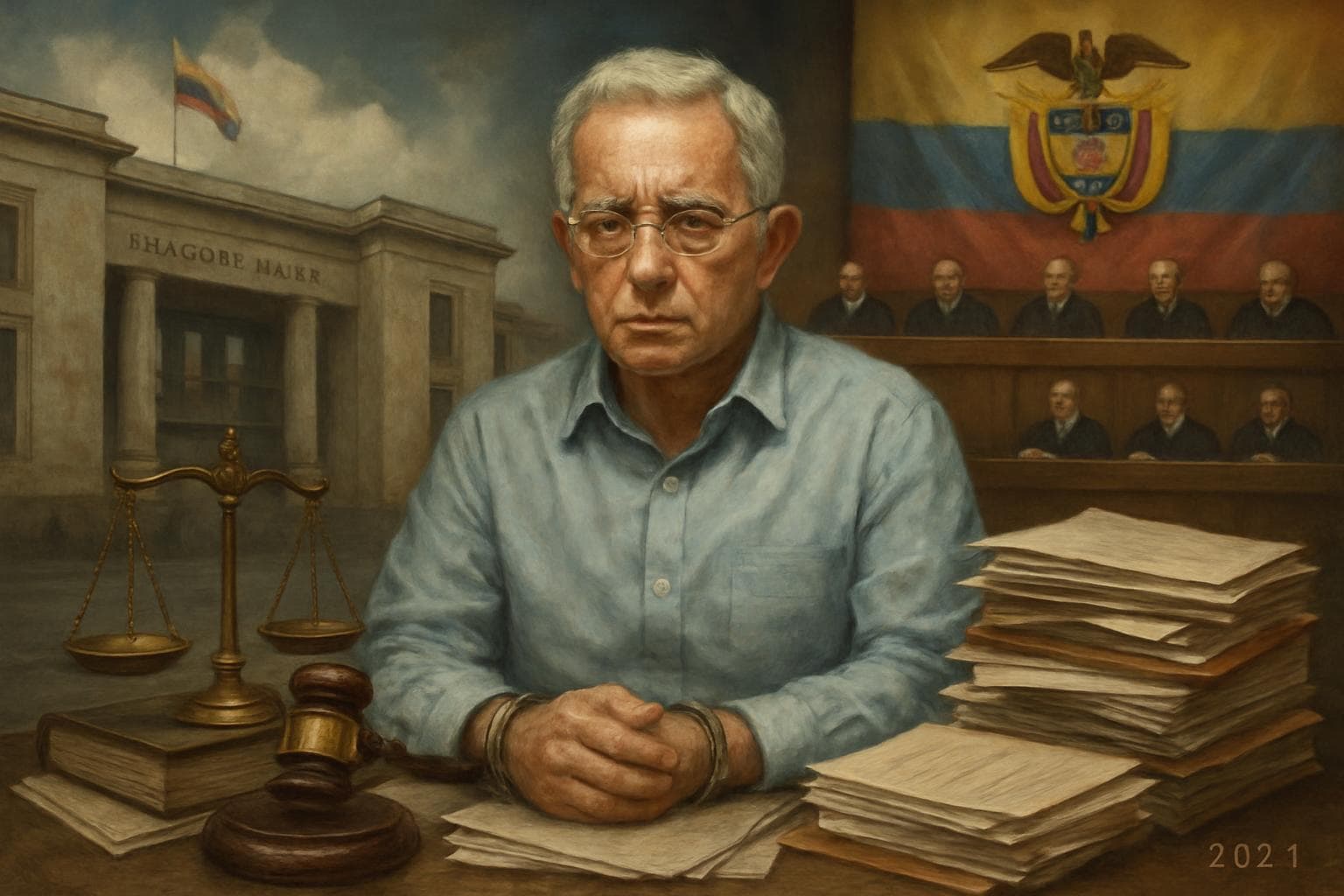
Former Colombian President Álvaro Uribe has been sentenced to 12 years of house arrest following his conviction for witness tampering and procedural fraud. This historic ruling marks the first time a former president in Colombia has been convicted of a crime. Uribe, who served as president from 2002 to 2010, remains a polarizing figure in Colombian politics, known for his hard-line stance against leftist guerrilla groups like the Farc rebels.
Historic Conviction and Appeal
The 73-year-old Uribe received the maximum sentence for his involvement in a case that has spanned over a decade. He was found guilty of attempting to influence witness testimonies, with allegations that his former lawyer, Diego Cadena, offered bribes to ex-paramilitaries to testify in Uribe's favor. Despite the conviction, Uribe maintains his innocence and has announced plans to appeal, describing the case as a politically motivated attack against him.
Political Reactions and International Criticism
The conviction has sparked significant political discourse both domestically and internationally. U.S. Secretary of State Marco Rubio condemned the ruling, suggesting that Colombia's judiciary has been weaponized by radical elements. Rubio's comments reflect the ongoing debate over the impartiality of Colombia's legal system, especially given Uribe's longstanding ties with the American right and his reputation as a staunch ally of the United States.
Continued Influence in Colombian Politics
Despite his legal challenges, Uribe continues to wield considerable influence in Colombian politics. He remains a key figure in conservative circles, often playing a pivotal role in the selection of party leaders. His popularity endures among many Colombians, as evidenced by protests in his support when he was first indicted in 2019. The case against Uribe has seen numerous developments, with over 90 witnesses testifying since the trial began in May 2024.
Broader Implications and Ongoing Investigations
Uribe's legal troubles extend beyond the current conviction. He is also under investigation for his alleged involvement in a 1997 paramilitary massacre and a separate complaint in Argentina concerning human rights abuses during his presidency. These ongoing investigations underscore the complex legacy of Uribe's tenure, characterized by both his aggressive anti-guerrilla campaigns and allegations of human rights violations.
WHAT THIS MIGHT MEAN
The conviction of Álvaro Uribe could have far-reaching implications for Colombian politics, potentially reshaping the landscape of conservative power in the country. As Uribe appeals the ruling, the case may continue to polarize public opinion and test the resilience of Colombia's judicial system. Should the appeal fail, it could embolden Uribe's critics and diminish his influence, while a successful appeal might reinforce his standing among supporters. Internationally, the case highlights the delicate balance between judicial independence and political influence, a theme likely to resonate in future diplomatic discussions involving Colombia.
Related Articles
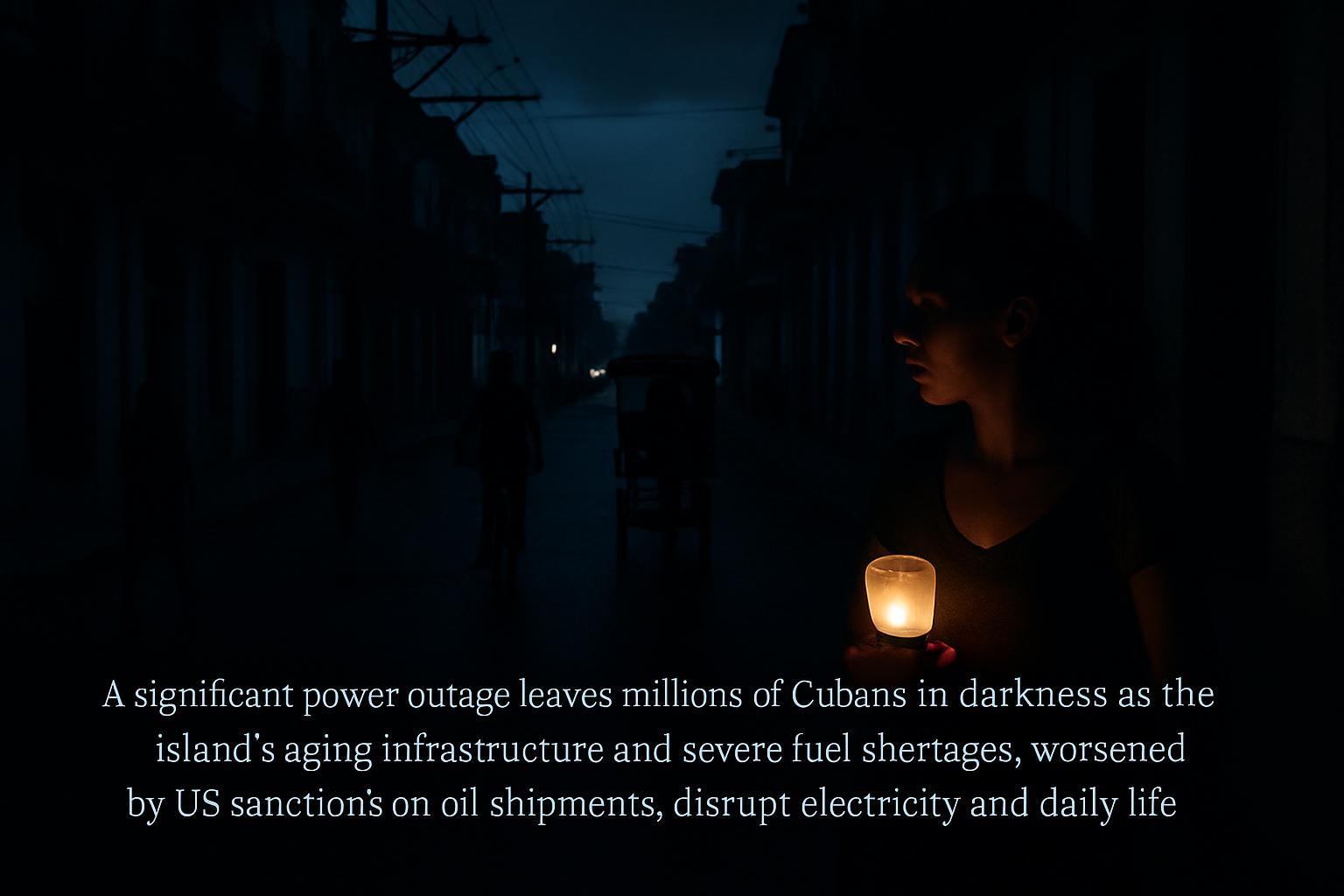
Cuba Faces Widespread Blackout Amid Deepening Fuel Crisis
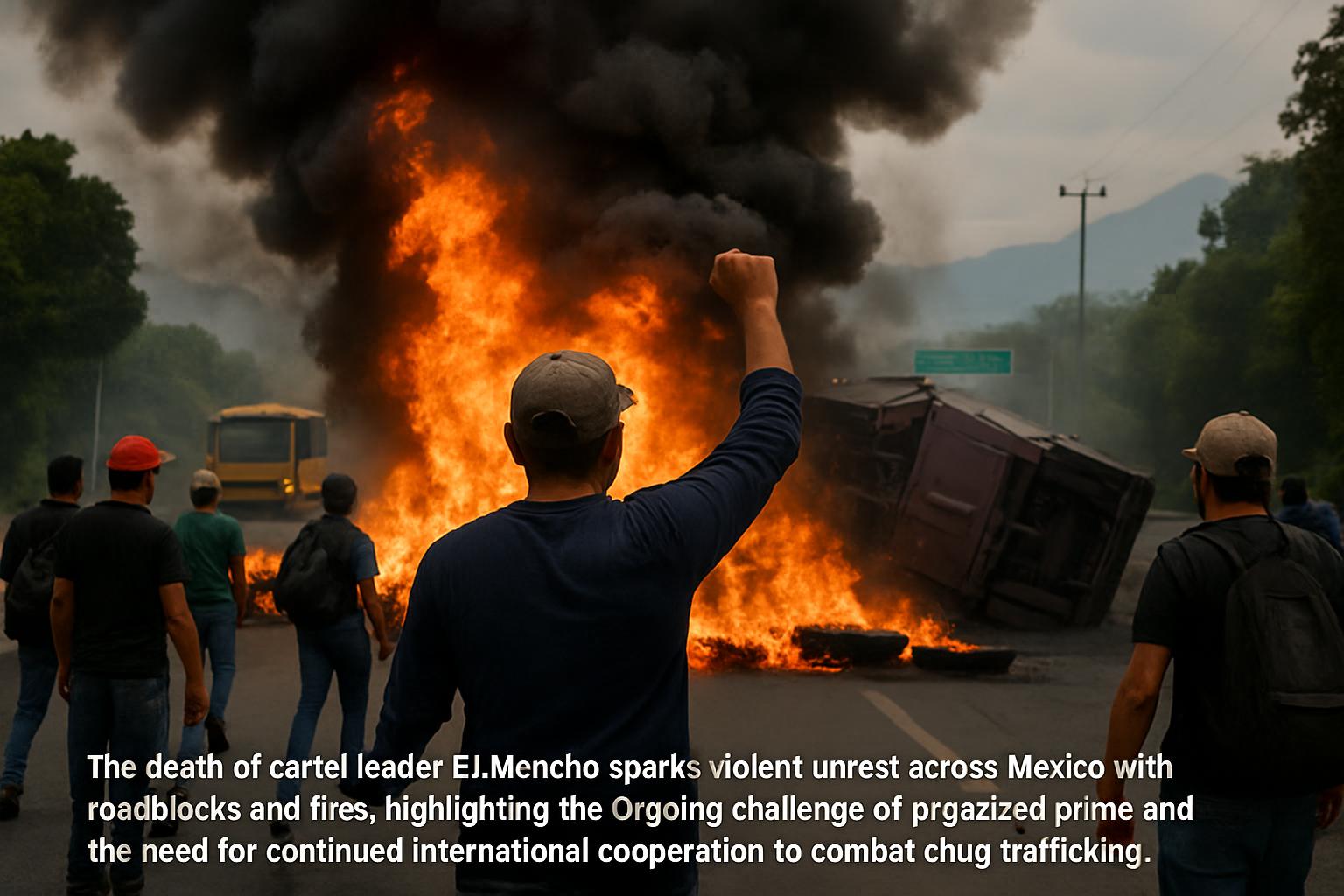
El Mencho's Death Sparks Violent Unrest Across Mexico
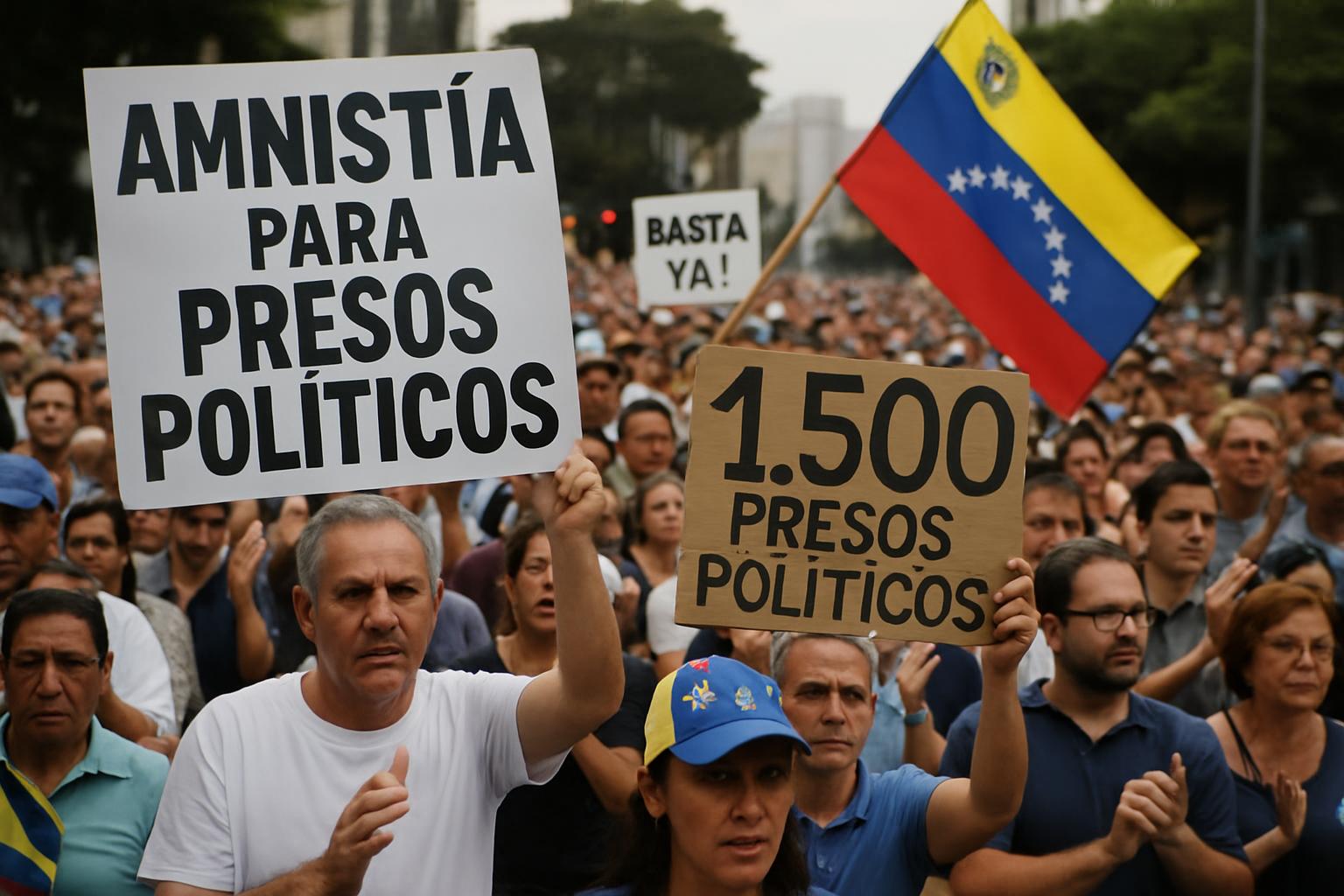
Venezuelan Political Prisoners Seek Amnesty Amidst Hopes for Democratic Transition
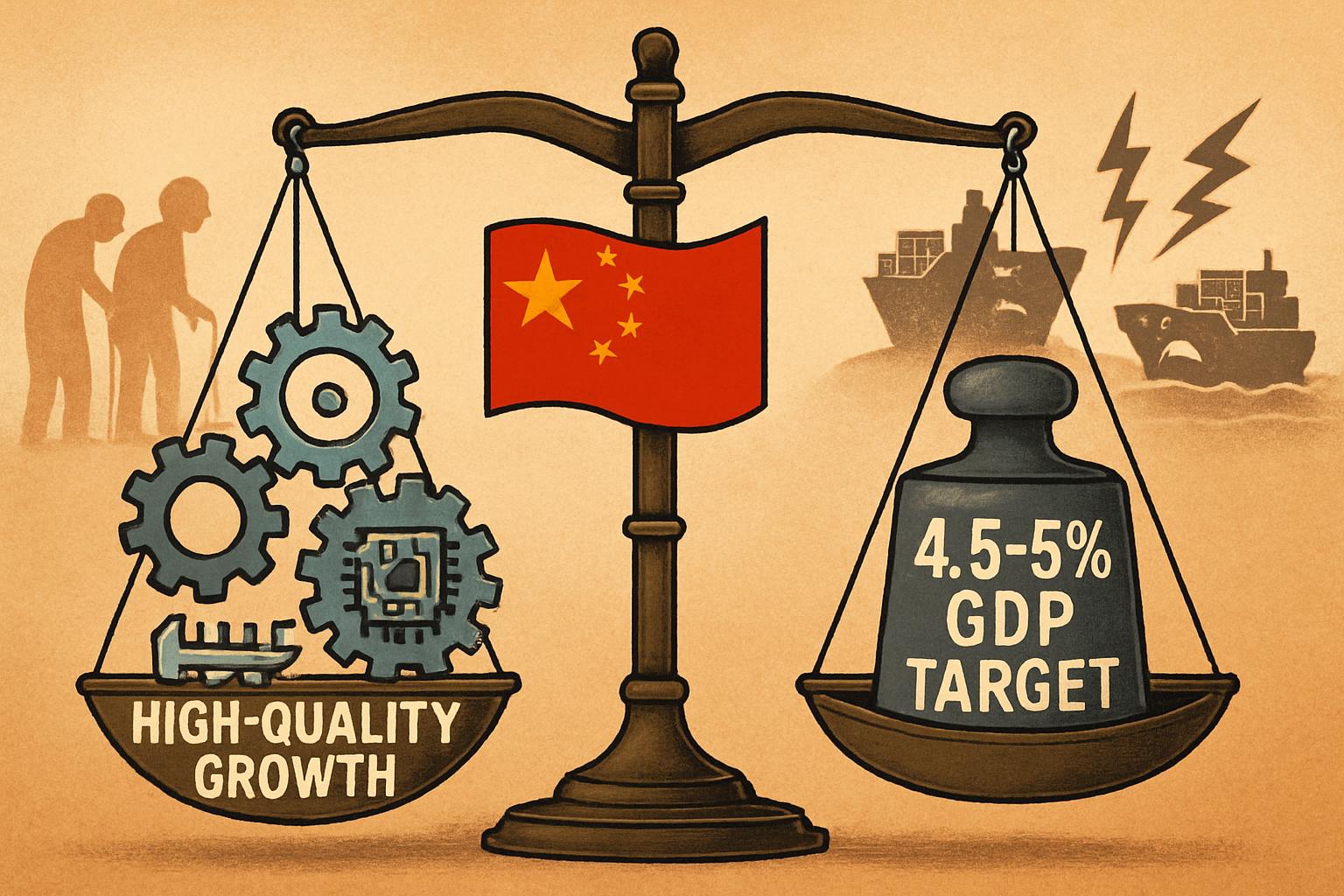
China Sets Lowest GDP Growth Target in Decades Amid Economic Challenges

UK Faces Dilemmas Amid Iran Conflict and China Spying Allegations

Google Faces Legal Battle Over AI Chatbot's Alleged Role in Tragic Death
Álvaro Uribe Sentenced to 12 Years House Arrest in Landmark Colombian Case
In This Article
HIGHLIGHTS
- Former Colombian President Álvaro Uribe has been sentenced to 12 years of house arrest for witness tampering and procedural fraud.
- Uribe, aged 73, is the first former president in Colombia's history to be convicted of a crime, and he plans to appeal the ruling.
- The case involves allegations of Uribe's connections with right-wing paramilitary groups and attempts to influence witness testimonies.
- U.S. Secretary of State Marco Rubio criticized the conviction, claiming it represents a politicized judiciary in Colombia.
- Uribe remains a significant figure in Colombian politics, maintaining influence over conservative factions despite his legal troubles.
Former Colombian President Álvaro Uribe has been sentenced to 12 years of house arrest following his conviction for witness tampering and procedural fraud. This historic ruling marks the first time a former president in Colombia has been convicted of a crime. Uribe, who served as president from 2002 to 2010, remains a polarizing figure in Colombian politics, known for his hard-line stance against leftist guerrilla groups like the Farc rebels.
Historic Conviction and Appeal
The 73-year-old Uribe received the maximum sentence for his involvement in a case that has spanned over a decade. He was found guilty of attempting to influence witness testimonies, with allegations that his former lawyer, Diego Cadena, offered bribes to ex-paramilitaries to testify in Uribe's favor. Despite the conviction, Uribe maintains his innocence and has announced plans to appeal, describing the case as a politically motivated attack against him.
Political Reactions and International Criticism
The conviction has sparked significant political discourse both domestically and internationally. U.S. Secretary of State Marco Rubio condemned the ruling, suggesting that Colombia's judiciary has been weaponized by radical elements. Rubio's comments reflect the ongoing debate over the impartiality of Colombia's legal system, especially given Uribe's longstanding ties with the American right and his reputation as a staunch ally of the United States.
Continued Influence in Colombian Politics
Despite his legal challenges, Uribe continues to wield considerable influence in Colombian politics. He remains a key figure in conservative circles, often playing a pivotal role in the selection of party leaders. His popularity endures among many Colombians, as evidenced by protests in his support when he was first indicted in 2019. The case against Uribe has seen numerous developments, with over 90 witnesses testifying since the trial began in May 2024.
Broader Implications and Ongoing Investigations
Uribe's legal troubles extend beyond the current conviction. He is also under investigation for his alleged involvement in a 1997 paramilitary massacre and a separate complaint in Argentina concerning human rights abuses during his presidency. These ongoing investigations underscore the complex legacy of Uribe's tenure, characterized by both his aggressive anti-guerrilla campaigns and allegations of human rights violations.
WHAT THIS MIGHT MEAN
The conviction of Álvaro Uribe could have far-reaching implications for Colombian politics, potentially reshaping the landscape of conservative power in the country. As Uribe appeals the ruling, the case may continue to polarize public opinion and test the resilience of Colombia's judicial system. Should the appeal fail, it could embolden Uribe's critics and diminish his influence, while a successful appeal might reinforce his standing among supporters. Internationally, the case highlights the delicate balance between judicial independence and political influence, a theme likely to resonate in future diplomatic discussions involving Colombia.
Related Articles
Cuba Faces Widespread Blackout Amid Deepening Fuel Crisis
El Mencho's Death Sparks Violent Unrest Across Mexico
Venezuelan Political Prisoners Seek Amnesty Amidst Hopes for Democratic Transition
China Sets Lowest GDP Growth Target in Decades Amid Economic Challenges
UK Faces Dilemmas Amid Iran Conflict and China Spying Allegations
Google Faces Legal Battle Over AI Chatbot's Alleged Role in Tragic Death