
Andreas Whittam Smith: A Pioneering Force in British Journalism Passes Away at 88
In This Article
HIGHLIGHTS
- Andreas Whittam Smith, co-founder of The Independent newspaper, passed away at 88 on November 29, 2025, surrounded by family.
- Whittam Smith launched The Independent in 1986, marking a significant shift in British journalism with its non-partisan stance.
- He served as the first Church Estates Commissioner from 2002 to 2017 and was knighted in 2015 for his public service.
- As President of the British Board of Film Classification, he played a key role in film censorship, including approving controversial releases.
- Whittam Smith's legacy includes transforming British journalism and establishing a global brand free from entrenched political interests.
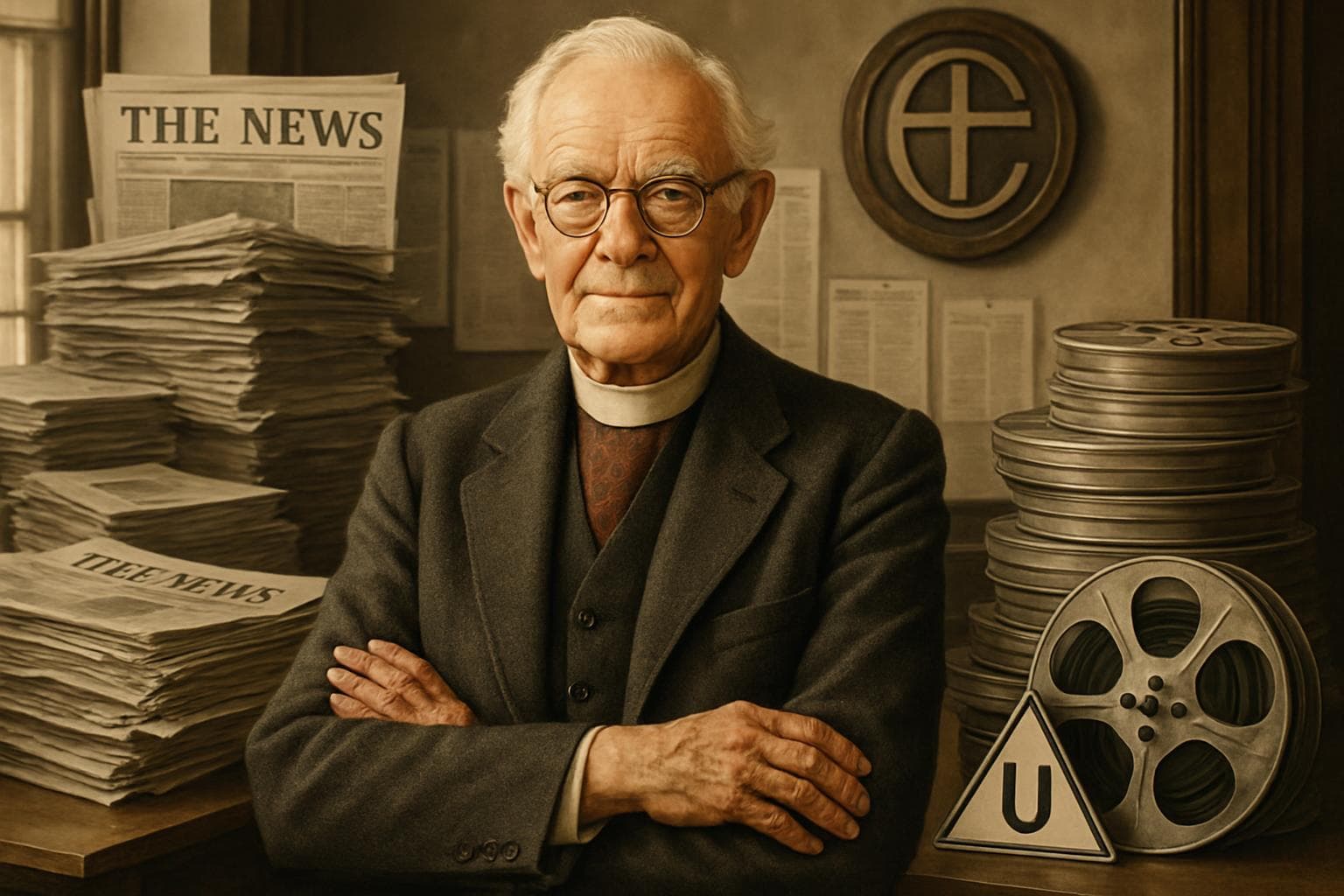
Andreas Whittam Smith, a transformative figure in British journalism and co-founder of The Independent newspaper, has died at the age of 88. His family announced that he passed away on November 29, 2025, surrounded by loved ones. Whittam Smith's legacy is marked by his radical approach to journalism and his significant contributions to the Church of England and film classification.
A Revolutionary in Journalism
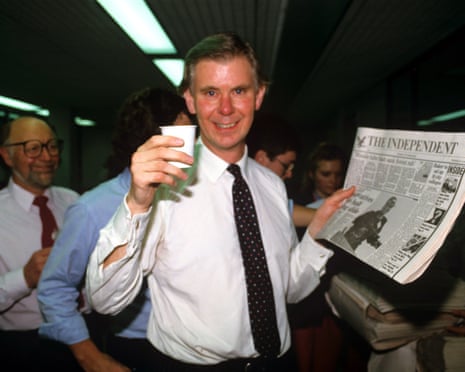
In 1986, Whittam Smith, alongside colleagues Stephen Glover and Matthew Symonds, launched The Independent, a publication that broke away from traditional political affiliations. This move was hailed as a "thrilling moment in the history of Fleet Street," according to BBC journalist Amol Rajan. The newspaper's slogan, "It Is. Are You?", encapsulated its ethos of journalistic independence and innovation, appealing to the liberal middle classes.
Whittam Smith's career in journalism was extensive, with roles at prestigious publications such as the Financial Times, The Guardian, and The Daily Telegraph. His financial acumen and editorial vision were instrumental in establishing The Independent as a serious and stylish product, admired for its fine journalism and innovative design.
Contributions Beyond Journalism
Beyond his journalistic achievements, Whittam Smith served as the first Church Estates Commissioner from 2002 to 2017, overseeing the Church of England's investment portfolio. His commitment to public service was recognized with a knighthood in 2015.
In 1998, he became President of the British Board of Film Classification, where he oversaw the release of controversial films like "A Clockwork Orange" and "The Exorcist" on home video. His tenure was marked by a forward-thinking approach to film censorship, suggesting that traditional classifications might one day become obsolete.
A Lasting Legacy
Whittam Smith's impact on British journalism is profound. Geordie Greig, editor-in-chief of The Independent, noted that his zeal for journalism established a global brand that continues to fight for independence from political and economic interests. Amol Rajan described him as a "radical" and "pioneer," whose influence will be felt for generations.
WHAT THIS MIGHT MEAN
The passing of Andreas Whittam Smith marks the end of an era in British journalism. His pioneering spirit and commitment to journalistic independence set a standard that continues to influence media today. The Independent, now an online publication, remains a testament to his vision.
Looking forward, Whittam Smith's legacy may inspire future media ventures to prioritize editorial independence and innovation. His work with the Church of England and the British Board of Film Classification also highlights the potential for media figures to impact broader cultural and societal issues.
As the media landscape evolves, Whittam Smith's contributions serve as a reminder of the importance of maintaining journalistic integrity and independence in an increasingly complex world.
Images from the Web
Related Articles

UK Government to Reform Asylum Seeker Support and Employment Policies

UK Faces Dilemmas Amid Iran Conflict and China Spying Allegations
Prince Andrew's Ties to Epstein Under Scrutiny Amid Calls for Inquiry
New Archbishop of Westminster Calls for Church Accountability and Social Justice
BBC Faces Major Budget Cuts Amid Declining Licence Fee Income
Noel Clarke Arrested Over 2007 Attempted Rape Allegation
Andreas Whittam Smith: A Pioneering Force in British Journalism Passes Away at 88
In This Article
 Ethan Brooks| Published
 HIGHLIGHTS
- Andreas Whittam Smith, co-founder of The Independent newspaper, passed away at 88 on November 29, 2025, surrounded by family.
- Whittam Smith launched The Independent in 1986, marking a significant shift in British journalism with its non-partisan stance.
- He served as the first Church Estates Commissioner from 2002 to 2017 and was knighted in 2015 for his public service.
- As President of the British Board of Film Classification, he played a key role in film censorship, including approving controversial releases.
- Whittam Smith's legacy includes transforming British journalism and establishing a global brand free from entrenched political interests.
Andreas Whittam Smith, a transformative figure in British journalism and co-founder of The Independent newspaper, has died at the age of 88. His family announced that he passed away on November 29, 2025, surrounded by loved ones. Whittam Smith's legacy is marked by his radical approach to journalism and his significant contributions to the Church of England and film classification.
A Revolutionary in Journalism
In 1986, Whittam Smith, alongside colleagues Stephen Glover and Matthew Symonds, launched The Independent, a publication that broke away from traditional political affiliations. This move was hailed as a "thrilling moment in the history of Fleet Street," according to BBC journalist Amol Rajan. The newspaper's slogan, "It Is. Are You?", encapsulated its ethos of journalistic independence and innovation, appealing to the liberal middle classes.
Whittam Smith's career in journalism was extensive, with roles at prestigious publications such as the Financial Times, The Guardian, and The Daily Telegraph. His financial acumen and editorial vision were instrumental in establishing The Independent as a serious and stylish product, admired for its fine journalism and innovative design.
Contributions Beyond Journalism
Beyond his journalistic achievements, Whittam Smith served as the first Church Estates Commissioner from 2002 to 2017, overseeing the Church of England's investment portfolio. His commitment to public service was recognized with a knighthood in 2015.
In 1998, he became President of the British Board of Film Classification, where he oversaw the release of controversial films like "A Clockwork Orange" and "The Exorcist" on home video. His tenure was marked by a forward-thinking approach to film censorship, suggesting that traditional classifications might one day become obsolete.
A Lasting Legacy
Whittam Smith's impact on British journalism is profound. Geordie Greig, editor-in-chief of The Independent, noted that his zeal for journalism established a global brand that continues to fight for independence from political and economic interests. Amol Rajan described him as a "radical" and "pioneer," whose influence will be felt for generations.
WHAT THIS MIGHT MEAN
The passing of Andreas Whittam Smith marks the end of an era in British journalism. His pioneering spirit and commitment to journalistic independence set a standard that continues to influence media today. The Independent, now an online publication, remains a testament to his vision.
Looking forward, Whittam Smith's legacy may inspire future media ventures to prioritize editorial independence and innovation. His work with the Church of England and the British Board of Film Classification also highlights the potential for media figures to impact broader cultural and societal issues.
As the media landscape evolves, Whittam Smith's contributions serve as a reminder of the importance of maintaining journalistic integrity and independence in an increasingly complex world.
Images from the Web
Related Articles
UK Government to Reform Asylum Seeker Support and Employment Policies
UK Faces Dilemmas Amid Iran Conflict and China Spying Allegations
Prince Andrew's Ties to Epstein Under Scrutiny Amid Calls for Inquiry
New Archbishop of Westminster Calls for Church Accountability and Social Justice
BBC Faces Major Budget Cuts Amid Declining Licence Fee Income
Noel Clarke Arrested Over 2007 Attempted Rape Allegation