
Anglian Water Faces £62.8 Million Penalty Over Sewage Management Failures
In This Article
HIGHLIGHTS
- Anglian Water has been ordered to pay £62.8 million after Ofwat found serious breaches in its sewage management.
- The company will invest £57 million to improve wastewater flows and create a £5.8 million community fund for local projects.
- Anglian Water faces criticism for excessive pollution and inadequate oversight, impacting rivers and coastal waters.
- Concerns over water supply have led Anglian Water to oppose a new data centre in North Lincolnshire.
- Anglian Water aims to halve sewage spills by 2030, with a £1 billion investment plan.
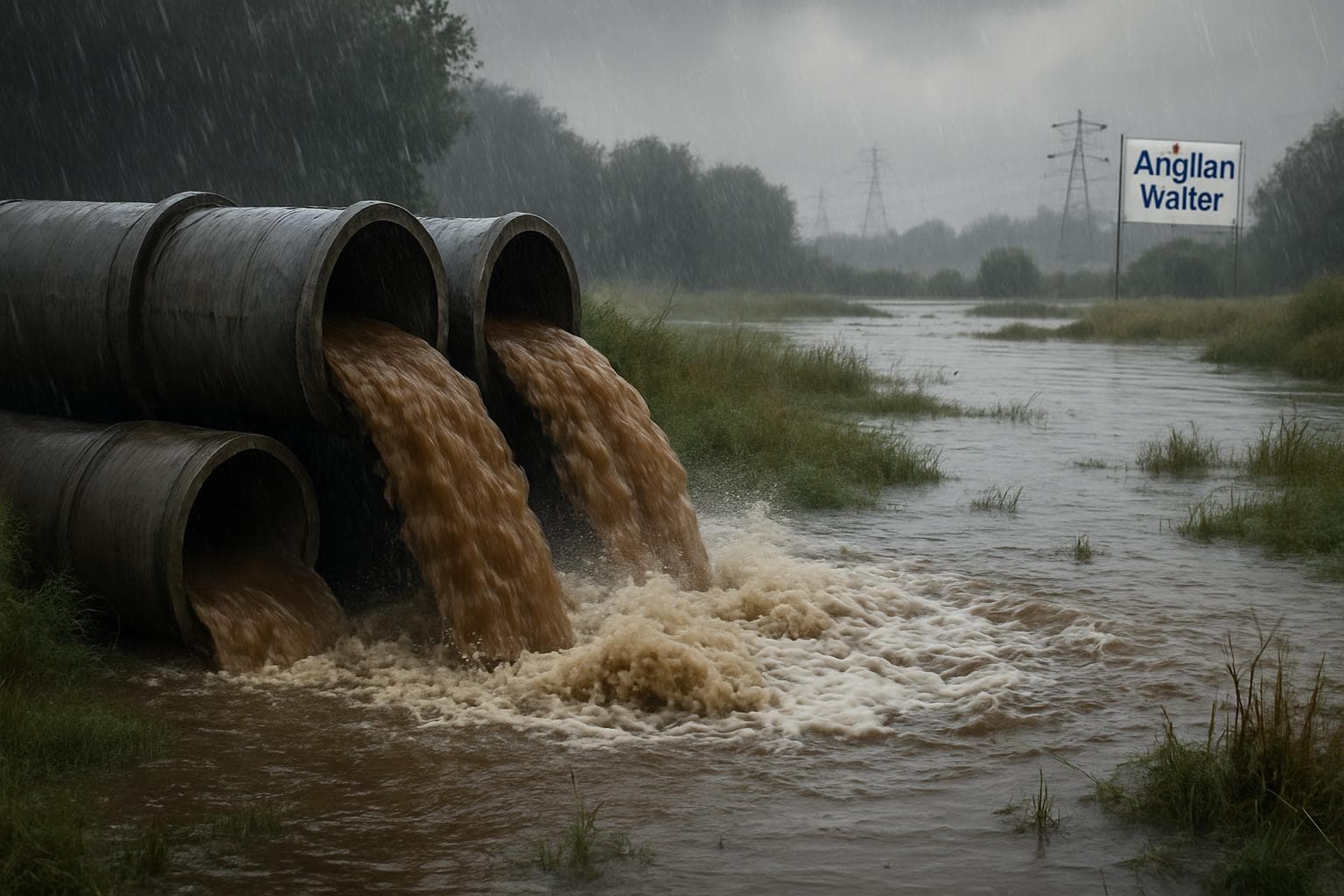
Anglian Water has been ordered to pay £62.8 million following an investigation by the water regulator Ofwat, which uncovered significant failures in the company's management of its sewage infrastructure. This enforcement action comes amid growing public concern over environmental pollution and the handling of wastewater treatment.
Regulatory Findings and Financial Penalty
Ofwat's investigation revealed that Anglian Water failed to adequately operate, maintain, and upgrade its wastewater assets, leading to excessive spills from storm overflows. The regulator's senior director for enforcement, Lynn Parker, described the breaches as "serious" and "unacceptable." In response, Anglian Water has agreed to invest £57 million to enhance wastewater flows and establish a £5.8 million community fund to support local environmental and social projects.
Public and Political Reactions
The decision has sparked criticism from local politicians and environmental advocates. Pippa Heylings, Liberal Democrat MP for South Cambridgeshire, condemned the company's lack of oversight, stating that it has "let down its customers, our environment, and the communities it is supposed to serve." Anne Miller from the Cam Valley Forum emphasized the need for stricter penalties and improvements in sewage infrastructure to protect local rivers and wildlife.
Water Supply Concerns and Infrastructure Challenges
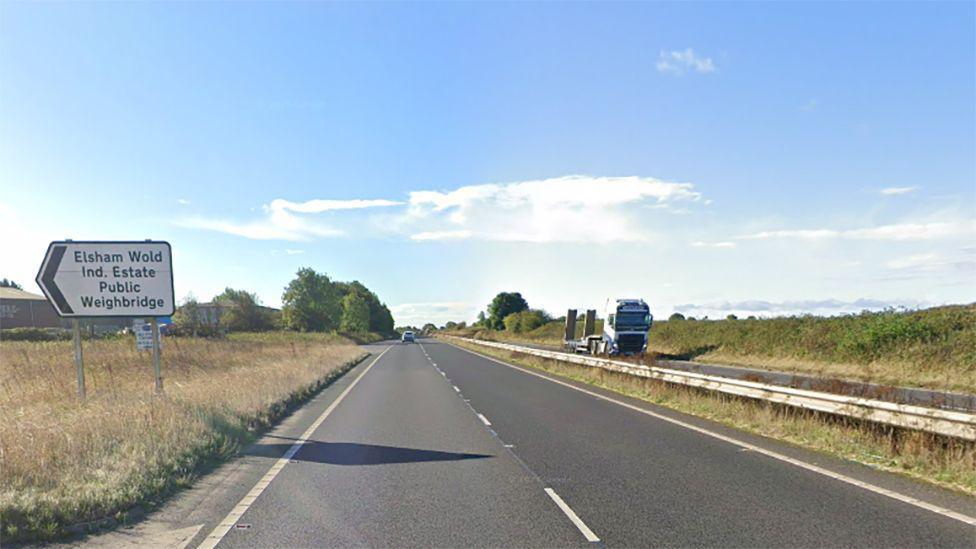
In a related development, Anglian Water has raised objections to a proposed artificial intelligence data centre in North Lincolnshire, citing concerns over water supply and potential flooding risks. The company highlighted the importance of using treated sewage effluent instead of clean drinking water for industrial purposes, especially in the region known as the "driest part of the country."
Future Plans and Investments
Anglian Water's chief executive, Mark Thurston, acknowledged the need to rebuild trust with customers and improve performance. The company has committed £1 billion to reduce sewage spills by 2030, aiming to halve the number of incidents. Despite these efforts, the average annual household water and waste bill for Anglian customers is expected to rise to £631 by 2030, up from £491 last year.
WHAT THIS MIGHT MEAN
The enforcement action against Anglian Water highlights the increasing scrutiny on water companies to manage environmental impacts effectively. As public pressure mounts, there may be further regulatory measures to ensure compliance and protect natural resources. The company's substantial investment plan could lead to significant improvements in infrastructure and environmental outcomes, but it will require careful execution and ongoing oversight. Additionally, the opposition to the data centre underscores the complex balance between industrial growth and sustainable water resource management, a challenge that will likely persist as the UK advances its technological ambitions.
Images from the Web
Related Articles

MPs Challenge Rising Costs of Thames Water's Reservoir Amid Regulatory Overhaul Plans
UK Government Unveils Major Reforms to Water Industry Amidst Pollution Concerns

Government Unveils Ambitious Plan to Halve Attainment Gap in England's Schools

Government U-turn Forces Local Elections in Lancashire and Essex Amid Reorganisation Plans

Government U-turn on Election Delays Sparks Local Council Turmoil

Labour's Push for Closer EU Ties Sparks Debate
Anglian Water Faces £62.8 Million Penalty Over Sewage Management Failures
In This Article
 Leila Hassan| Published
 HIGHLIGHTS
- Anglian Water has been ordered to pay £62.8 million after Ofwat found serious breaches in its sewage management.
- The company will invest £57 million to improve wastewater flows and create a £5.8 million community fund for local projects.
- Anglian Water faces criticism for excessive pollution and inadequate oversight, impacting rivers and coastal waters.
- Concerns over water supply have led Anglian Water to oppose a new data centre in North Lincolnshire.
- Anglian Water aims to halve sewage spills by 2030, with a £1 billion investment plan.
Anglian Water has been ordered to pay £62.8 million following an investigation by the water regulator Ofwat, which uncovered significant failures in the company's management of its sewage infrastructure. This enforcement action comes amid growing public concern over environmental pollution and the handling of wastewater treatment.
Regulatory Findings and Financial Penalty
Ofwat's investigation revealed that Anglian Water failed to adequately operate, maintain, and upgrade its wastewater assets, leading to excessive spills from storm overflows. The regulator's senior director for enforcement, Lynn Parker, described the breaches as "serious" and "unacceptable." In response, Anglian Water has agreed to invest £57 million to enhance wastewater flows and establish a £5.8 million community fund to support local environmental and social projects.
Public and Political Reactions
The decision has sparked criticism from local politicians and environmental advocates. Pippa Heylings, Liberal Democrat MP for South Cambridgeshire, condemned the company's lack of oversight, stating that it has "let down its customers, our environment, and the communities it is supposed to serve." Anne Miller from the Cam Valley Forum emphasized the need for stricter penalties and improvements in sewage infrastructure to protect local rivers and wildlife.
Water Supply Concerns and Infrastructure Challenges
In a related development, Anglian Water has raised objections to a proposed artificial intelligence data centre in North Lincolnshire, citing concerns over water supply and potential flooding risks. The company highlighted the importance of using treated sewage effluent instead of clean drinking water for industrial purposes, especially in the region known as the "driest part of the country."
Future Plans and Investments
Anglian Water's chief executive, Mark Thurston, acknowledged the need to rebuild trust with customers and improve performance. The company has committed £1 billion to reduce sewage spills by 2030, aiming to halve the number of incidents. Despite these efforts, the average annual household water and waste bill for Anglian customers is expected to rise to £631 by 2030, up from £491 last year.
WHAT THIS MIGHT MEAN
The enforcement action against Anglian Water highlights the increasing scrutiny on water companies to manage environmental impacts effectively. As public pressure mounts, there may be further regulatory measures to ensure compliance and protect natural resources. The company's substantial investment plan could lead to significant improvements in infrastructure and environmental outcomes, but it will require careful execution and ongoing oversight. Additionally, the opposition to the data centre underscores the complex balance between industrial growth and sustainable water resource management, a challenge that will likely persist as the UK advances its technological ambitions.
Images from the Web
Related Articles
MPs Challenge Rising Costs of Thames Water's Reservoir Amid Regulatory Overhaul Plans
UK Government Unveils Major Reforms to Water Industry Amidst Pollution Concerns
Government Unveils Ambitious Plan to Halve Attainment Gap in England's Schools
Government U-turn Forces Local Elections in Lancashire and Essex Amid Reorganisation Plans
Government U-turn on Election Delays Sparks Local Council Turmoil
Labour's Push for Closer EU Ties Sparks Debate