
Apple's $100 Billion US Investment: A Strategic Move Amid Tariff Threats
In This Article
HIGHLIGHTS
- Apple announced a $100 billion investment in US manufacturing, responding to pressure from President Trump to shift production domestically.
- The investment aims to avoid Trump's proposed 100% tariffs on foreign-made chips and semiconductors, which could raise electronics costs.
- Apple CEO Tim Cook confirmed the investment would enhance the US supply chain, but final assembly of iPhones will remain overseas for now.
- Trump's tariff threats are part of a broader strategy to encourage companies to manufacture in the US, contrasting with Biden's incentive-based approach.
- The announcement led to a 5% surge in Apple shares, reflecting investor optimism about the company's strategic adjustments.
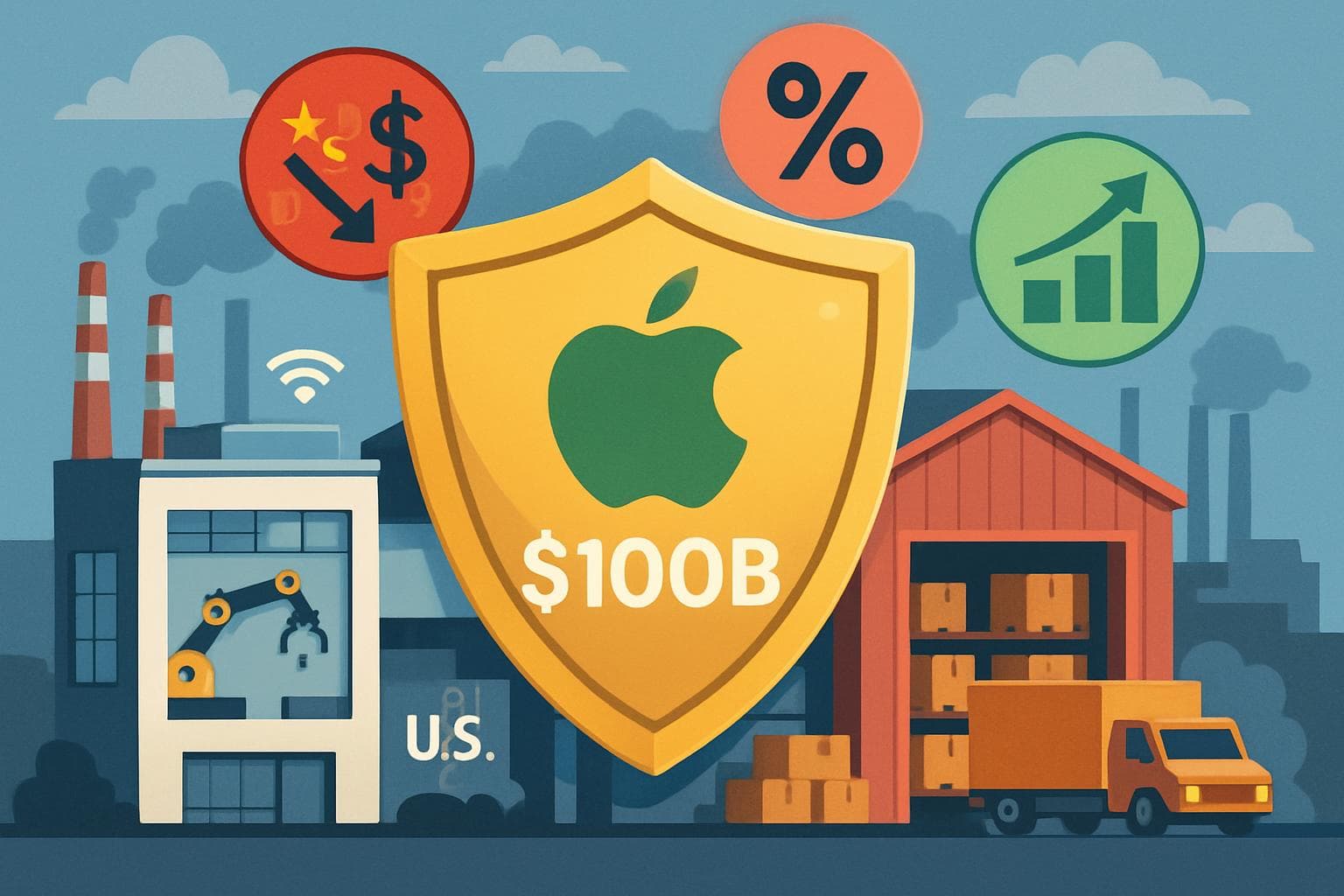
Apple has announced a significant $100 billion investment in US manufacturing, a move seen as a strategic response to President Donald Trump's pressure to relocate production domestically. This decision comes as the tech giant seeks to circumvent potential 100% tariffs on foreign-made chips and semiconductors, which could significantly increase the cost of electronics.
Investment Details and Strategic Goals
During a formal announcement at the White House, President Trump praised Apple's commitment, highlighting it as a victory for US manufacturing. The investment will focus on enhancing Apple's domestic supply chain, including the creation of new data centers and a smart glass production line in Kentucky. Apple CEO Tim Cook emphasized that while many components of iPhones are already made in the US, the final assembly will continue overseas for the foreseeable future.
Navigating Trade Wars and Tariff Threats
The announcement comes amid escalating trade tensions, with Trump threatening tariffs on countries like China and India, where Apple has significant manufacturing operations. The president's approach contrasts with the previous administration's incentive-based strategy, opting instead for tariffs to encourage domestic production. This policy shift has prompted Apple to adjust its supply chain, increasing shipments from India and Vietnam to mitigate tariff impacts.
Market Reaction and Future Implications
Following the announcement, Apple's shares surged by over 5%, indicating investor confidence in the company's ability to navigate the complex trade landscape. Analysts suggest that while the investment may help Apple avoid immediate tariff impacts, significant changes to its supply chain will take time. The company's pledge to hire 20,000 US workers over the next four years further underscores its commitment to bolstering domestic operations.
WHAT THIS MIGHT MEAN
Apple's $100 billion investment marks a pivotal moment in its strategy to balance global production with domestic pressures. If successful, this move could set a precedent for other tech companies facing similar tariff threats. However, the long-term impact on Apple's supply chain and product pricing remains uncertain. Experts suggest that while the investment may shield Apple from immediate tariff repercussions, the broader implications of Trump's trade policies could reshape the tech industry's manufacturing landscape. As the situation evolves, companies will need to weigh the costs of domestic production against the benefits of international supply chains.
Related Articles
Trump's New Tariff Strategy Sparks Global Trade Uncertainty
China Sets Lowest GDP Growth Target in Decades Amid Economic Challenges
Tech Giants Pledge to Cover AI Data Center Energy Costs Amid Rising Electricity Concerns
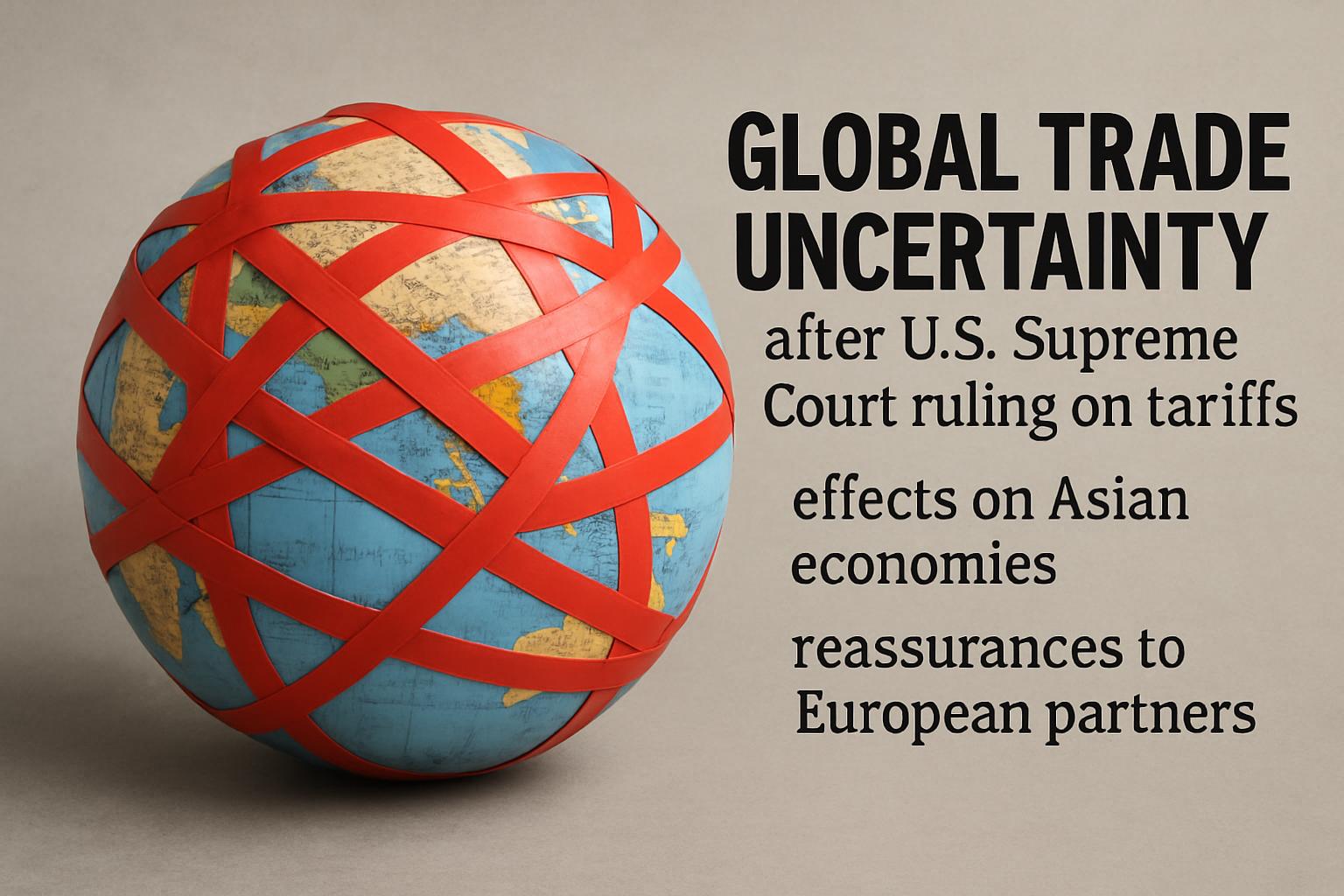
US Supreme Court Ruling Sparks Trade Uncertainty in Asia and Beyond

UK Faces Dilemmas Amid Iran Conflict and China Spying Allegations
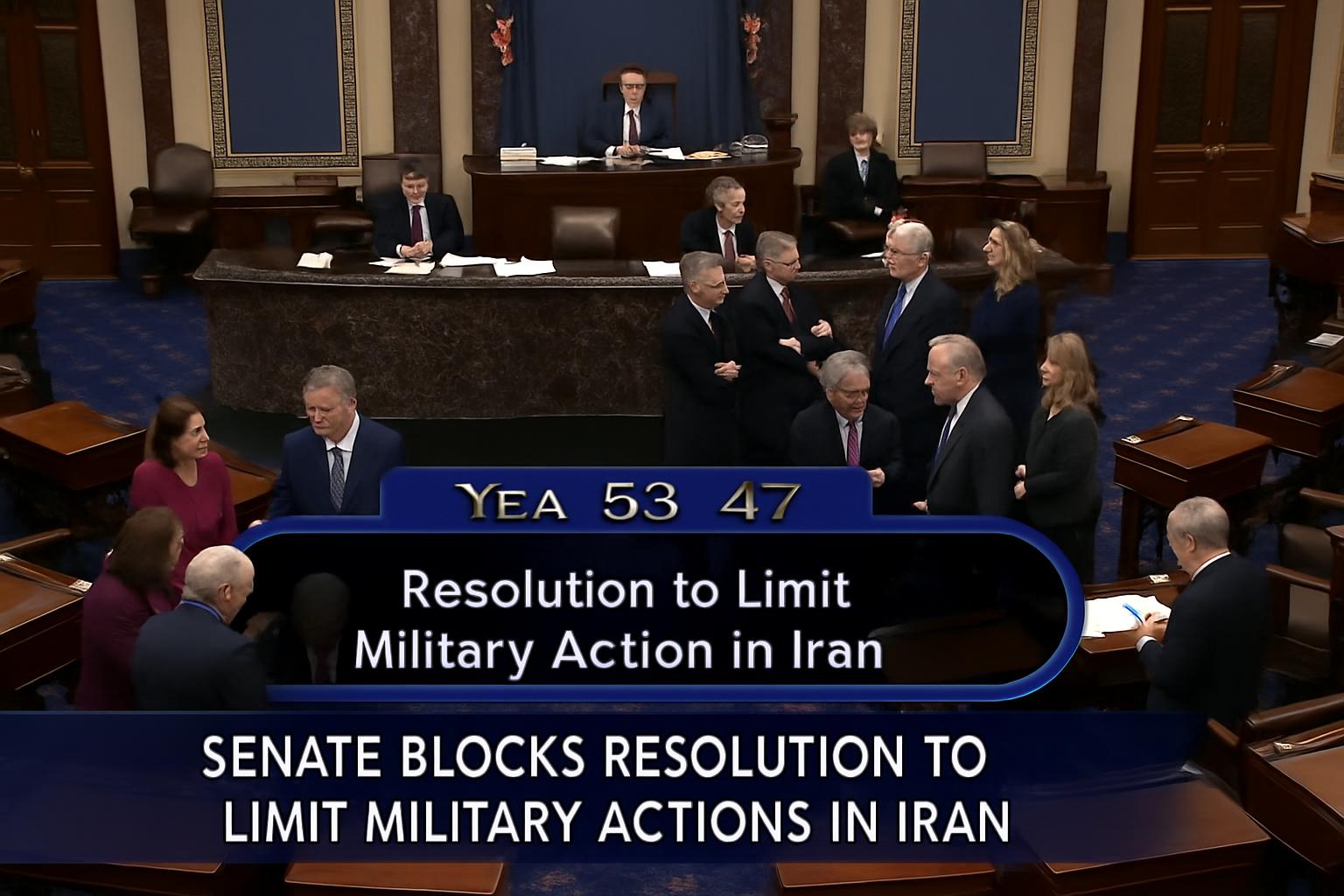
Senate Blocks Resolution to Limit Trump's Military Actions in Iran
Apple's $100 Billion US Investment: A Strategic Move Amid Tariff Threats
In This Article
 Daniel Rivera| Published
 HIGHLIGHTS
- Apple announced a $100 billion investment in US manufacturing, responding to pressure from President Trump to shift production domestically.
- The investment aims to avoid Trump's proposed 100% tariffs on foreign-made chips and semiconductors, which could raise electronics costs.
- Apple CEO Tim Cook confirmed the investment would enhance the US supply chain, but final assembly of iPhones will remain overseas for now.
- Trump's tariff threats are part of a broader strategy to encourage companies to manufacture in the US, contrasting with Biden's incentive-based approach.
- The announcement led to a 5% surge in Apple shares, reflecting investor optimism about the company's strategic adjustments.
Apple has announced a significant $100 billion investment in US manufacturing, a move seen as a strategic response to President Donald Trump's pressure to relocate production domestically. This decision comes as the tech giant seeks to circumvent potential 100% tariffs on foreign-made chips and semiconductors, which could significantly increase the cost of electronics.
Investment Details and Strategic Goals
During a formal announcement at the White House, President Trump praised Apple's commitment, highlighting it as a victory for US manufacturing. The investment will focus on enhancing Apple's domestic supply chain, including the creation of new data centers and a smart glass production line in Kentucky. Apple CEO Tim Cook emphasized that while many components of iPhones are already made in the US, the final assembly will continue overseas for the foreseeable future.
Navigating Trade Wars and Tariff Threats
The announcement comes amid escalating trade tensions, with Trump threatening tariffs on countries like China and India, where Apple has significant manufacturing operations. The president's approach contrasts with the previous administration's incentive-based strategy, opting instead for tariffs to encourage domestic production. This policy shift has prompted Apple to adjust its supply chain, increasing shipments from India and Vietnam to mitigate tariff impacts.
Market Reaction and Future Implications
Following the announcement, Apple's shares surged by over 5%, indicating investor confidence in the company's ability to navigate the complex trade landscape. Analysts suggest that while the investment may help Apple avoid immediate tariff impacts, significant changes to its supply chain will take time. The company's pledge to hire 20,000 US workers over the next four years further underscores its commitment to bolstering domestic operations.
WHAT THIS MIGHT MEAN
Apple's $100 billion investment marks a pivotal moment in its strategy to balance global production with domestic pressures. If successful, this move could set a precedent for other tech companies facing similar tariff threats. However, the long-term impact on Apple's supply chain and product pricing remains uncertain. Experts suggest that while the investment may shield Apple from immediate tariff repercussions, the broader implications of Trump's trade policies could reshape the tech industry's manufacturing landscape. As the situation evolves, companies will need to weigh the costs of domestic production against the benefits of international supply chains.
Related Articles
Trump's New Tariff Strategy Sparks Global Trade Uncertainty
China Sets Lowest GDP Growth Target in Decades Amid Economic Challenges
Tech Giants Pledge to Cover AI Data Center Energy Costs Amid Rising Electricity Concerns
US Supreme Court Ruling Sparks Trade Uncertainty in Asia and Beyond
UK Faces Dilemmas Amid Iran Conflict and China Spying Allegations
Senate Blocks Resolution to Limit Trump's Military Actions in Iran