
Black Friday Deals: Are They Really Worth the Hype?
In This Article
HIGHLIGHTS
- Research by Which? indicates that 80% of Black Friday deals are not the cheapest prices of the year.
- UK consumers are expected to spend £9.52bn over the Black Friday weekend, with a significant portion online.
- Price comparison tools like PriceRunner can help verify the authenticity of discounts.
- Retailers may increase prices before Black Friday, only to lower them during the sale, creating misleading discounts.
- Cyber Monday is anticipated to see the highest sales, with spending projected at £3.38bn.
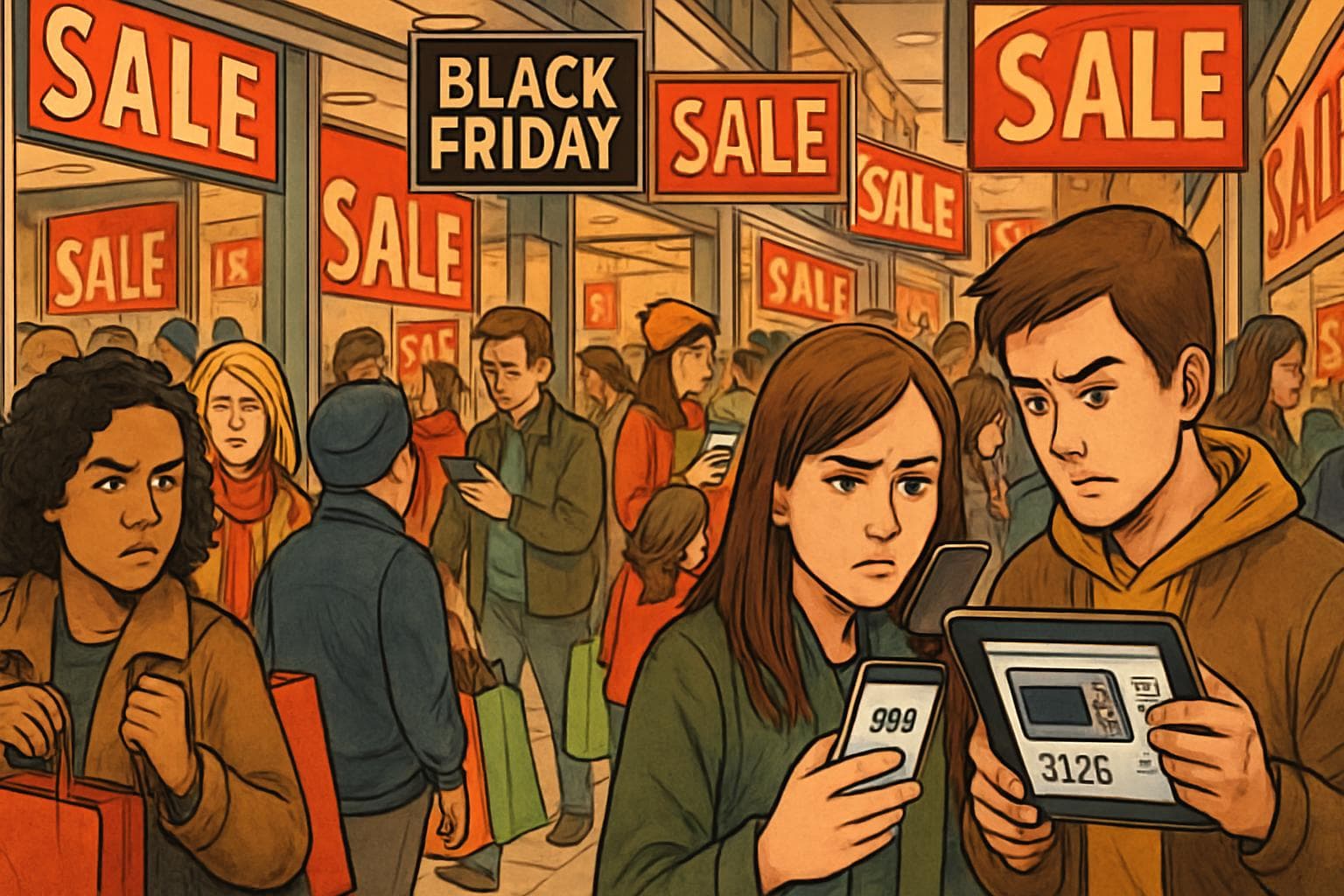
As the holiday shopping season approaches, consumers are inundated with Black Friday deals promising significant savings. However, recent research by consumer group Which? suggests that these deals may not always offer the best prices of the year. Analyzing 175 products across major UK retailers, the study found that none of the items were at their lowest price during the Black Friday period.
Understanding the Black Friday Phenomenon
Originating in the United States, Black Friday has become a staple in the UK retail calendar, extending beyond a single day to encompass weeks of promotions. Despite the hype, Which? found that 80% of deals were either cheaper or the same price outside the Black Friday window. This revelation challenges the perception that Black Friday offers unparalleled discounts.
The Role of Price Comparison Tools
To navigate the complex landscape of holiday shopping, consumers can turn to price comparison websites like PriceRunner and CamelCamelCamel. These platforms allow shoppers to track price histories and determine whether a discount is genuine. For instance, an Apple iPad's price fluctuated from £309 to £391.99 before returning to its original price during the Black Friday sales, illustrating a common tactic used by retailers.
Spending Trends and Consumer Behavior
Despite the findings, UK shoppers are expected to spend £9.52bn over the Black Friday weekend, with online sales accounting for 54% of this expenditure. Cyber Monday, following closely on December 1, is projected to generate £3.38bn in sales, driven by the arrival of payday for many consumers. Categories like electronics, clothing, and cosmetics are anticipated to see significant spending increases.
Retailer Strategies and Consumer Advice
Retailers often create the illusion of discounts by manipulating prices in the lead-up to Black Friday. Consumer champion Rebecca Wilcox advises shoppers to be cautious and verify deals before purchasing. Additionally, some retailers offer price guarantees, allowing customers to claim refunds if prices drop further within a specified period.
WHAT THIS MIGHT MEAN
Looking ahead, the findings from Which? could prompt consumers to be more discerning about Black Friday deals, potentially influencing retail strategies. Retailers might need to offer more transparent pricing and genuine discounts to maintain consumer trust. As the holiday shopping season progresses, the emphasis on online sales could continue to grow, driven by convenience and the ongoing impact of digital retail trends. Experts suggest that consumers should focus on planning and research to maximize savings and avoid buyer's remorse.
Related Articles
China Sets Lowest GDP Growth Target in Decades Amid Economic Challenges

UK Faces Dilemmas Amid Iran Conflict and China Spying Allegations

Canada and Australia Forge Strategic Partnership Amid Global Uncertainty

UK Government to Reform Asylum Seeker Support and Employment Policies

Cuba Faces Widespread Blackout Amid Deepening Fuel Crisis
Middle East Conflict Drives UK Energy Prices to New Highs
Black Friday Deals: Are They Really Worth the Hype?
In This Article
 Daniel Rivera| Published
 HIGHLIGHTS
- Research by Which? indicates that 80% of Black Friday deals are not the cheapest prices of the year.
- UK consumers are expected to spend £9.52bn over the Black Friday weekend, with a significant portion online.
- Price comparison tools like PriceRunner can help verify the authenticity of discounts.
- Retailers may increase prices before Black Friday, only to lower them during the sale, creating misleading discounts.
- Cyber Monday is anticipated to see the highest sales, with spending projected at £3.38bn.
As the holiday shopping season approaches, consumers are inundated with Black Friday deals promising significant savings. However, recent research by consumer group Which? suggests that these deals may not always offer the best prices of the year. Analyzing 175 products across major UK retailers, the study found that none of the items were at their lowest price during the Black Friday period.
Understanding the Black Friday Phenomenon
Originating in the United States, Black Friday has become a staple in the UK retail calendar, extending beyond a single day to encompass weeks of promotions. Despite the hype, Which? found that 80% of deals were either cheaper or the same price outside the Black Friday window. This revelation challenges the perception that Black Friday offers unparalleled discounts.
The Role of Price Comparison Tools
To navigate the complex landscape of holiday shopping, consumers can turn to price comparison websites like PriceRunner and CamelCamelCamel. These platforms allow shoppers to track price histories and determine whether a discount is genuine. For instance, an Apple iPad's price fluctuated from £309 to £391.99 before returning to its original price during the Black Friday sales, illustrating a common tactic used by retailers.
Spending Trends and Consumer Behavior
Despite the findings, UK shoppers are expected to spend £9.52bn over the Black Friday weekend, with online sales accounting for 54% of this expenditure. Cyber Monday, following closely on December 1, is projected to generate £3.38bn in sales, driven by the arrival of payday for many consumers. Categories like electronics, clothing, and cosmetics are anticipated to see significant spending increases.
Retailer Strategies and Consumer Advice
Retailers often create the illusion of discounts by manipulating prices in the lead-up to Black Friday. Consumer champion Rebecca Wilcox advises shoppers to be cautious and verify deals before purchasing. Additionally, some retailers offer price guarantees, allowing customers to claim refunds if prices drop further within a specified period.
WHAT THIS MIGHT MEAN
Looking ahead, the findings from Which? could prompt consumers to be more discerning about Black Friday deals, potentially influencing retail strategies. Retailers might need to offer more transparent pricing and genuine discounts to maintain consumer trust. As the holiday shopping season progresses, the emphasis on online sales could continue to grow, driven by convenience and the ongoing impact of digital retail trends. Experts suggest that consumers should focus on planning and research to maximize savings and avoid buyer's remorse.
Related Articles
China Sets Lowest GDP Growth Target in Decades Amid Economic Challenges
UK Faces Dilemmas Amid Iran Conflict and China Spying Allegations
Canada and Australia Forge Strategic Partnership Amid Global Uncertainty
UK Government to Reform Asylum Seeker Support and Employment Policies
Cuba Faces Widespread Blackout Amid Deepening Fuel Crisis
Middle East Conflict Drives UK Energy Prices to New Highs