
Armed National Guard Deployment in DC Sparks Controversy Amid Crime Crackdown
In This Article
HIGHLIGHTS
- US Defense Secretary Pete Hegseth has ordered National Guard troops in Washington DC to be armed amid a federal crime crackdown.
- President Trump has threatened to extend the federal intervention to Chicago and New York, citing high crime rates.
- The deployment, involving approximately 2,000 troops, has been controversial and unpopular among DC residents.
- Trump has suggested the possibility of declaring a national emergency to extend the deployment beyond its 30-day deadline.
- The operation has resulted in over 700 arrests, with local leaders expressing concerns about the federal approach.
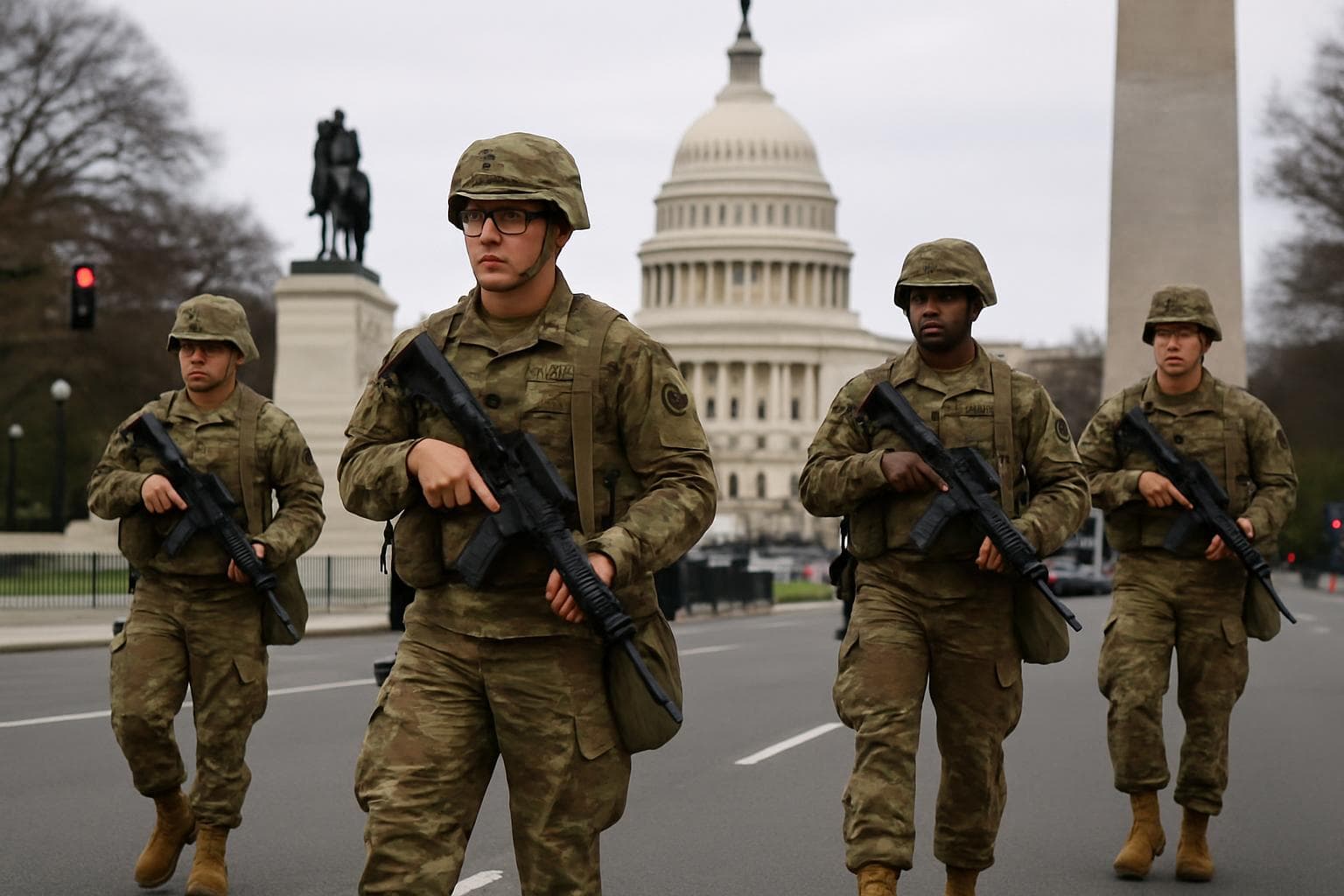
In a significant escalation of federal intervention in Washington DC, US Defense Secretary Pete Hegseth has ordered National Guard troops stationed in the capital to be armed. This move is part of the Trump administration's ongoing efforts to tackle what it describes as rampant crime in the city. The decision comes after President Trump deployed approximately 2,000 troops to Washington earlier in August, taking control of the city's police force to address what he labeled as "out of control" crime.
The Pentagon confirmed that the National Guard personnel will soon be equipped with service-issued weapons, aligning with their mission and training. However, it remains unclear if this change will alter their current role, which has so far been limited to patrolling key landmarks like the National Mall and Union Station, rather than engaging in direct law enforcement activities.
Federal Expansion Plans
President Trump has indicated that the federal crackdown could extend to other major cities, including Chicago and New York, both of which have Democratic leadership. "Chicago is a mess," Trump stated, suggesting that similar measures could be implemented there. Chicago Mayor Brandon Johnson has expressed grave concerns over the potential deployment, warning that it could exacerbate tensions between residents and law enforcement.
Local and National Reactions
The deployment has been met with resistance from local leaders and residents in Washington DC, a predominantly Democratic city. Despite the administration's claims of success, polls indicate widespread disapproval of the federal presence. Trump has also hinted at declaring a national emergency to prolong the deployment beyond its initial 30-day period, a move that could further inflame local opposition.
Legal and Political Implications
The operation has so far resulted in over 700 arrests, with Attorney General Pam Bondi highlighting the crackdown's effectiveness. However, the aggressive federal approach has raised legal and political questions, particularly regarding the balance of power between federal and local authorities. The administration's actions have drawn criticism for potentially undermining local governance and escalating tensions in already strained communities.
WHAT THIS MIGHT MEAN
The decision to arm National Guard troops in Washington DC marks a significant shift in the federal government's approach to crime in the capital. If President Trump follows through on his threats to extend similar measures to Chicago and New York, it could set a precedent for federal intervention in local law enforcement, raising constitutional questions about states' rights and federal overreach.
Legal experts suggest that declaring a national emergency to maintain troop presence could face significant challenges, both in the courts and from local governments. The move could also impact the political landscape, potentially influencing voter sentiment in upcoming elections.
As the situation unfolds, the administration's actions will likely continue to be scrutinized, with implications for federal-state relations and the broader debate over crime and policing in America.
Related Articles

US and Israel Intensify Military Campaign as Iran's Capabilities Dwindle
Intensified US-Israel Strikes on Iran Spark Global Outcry
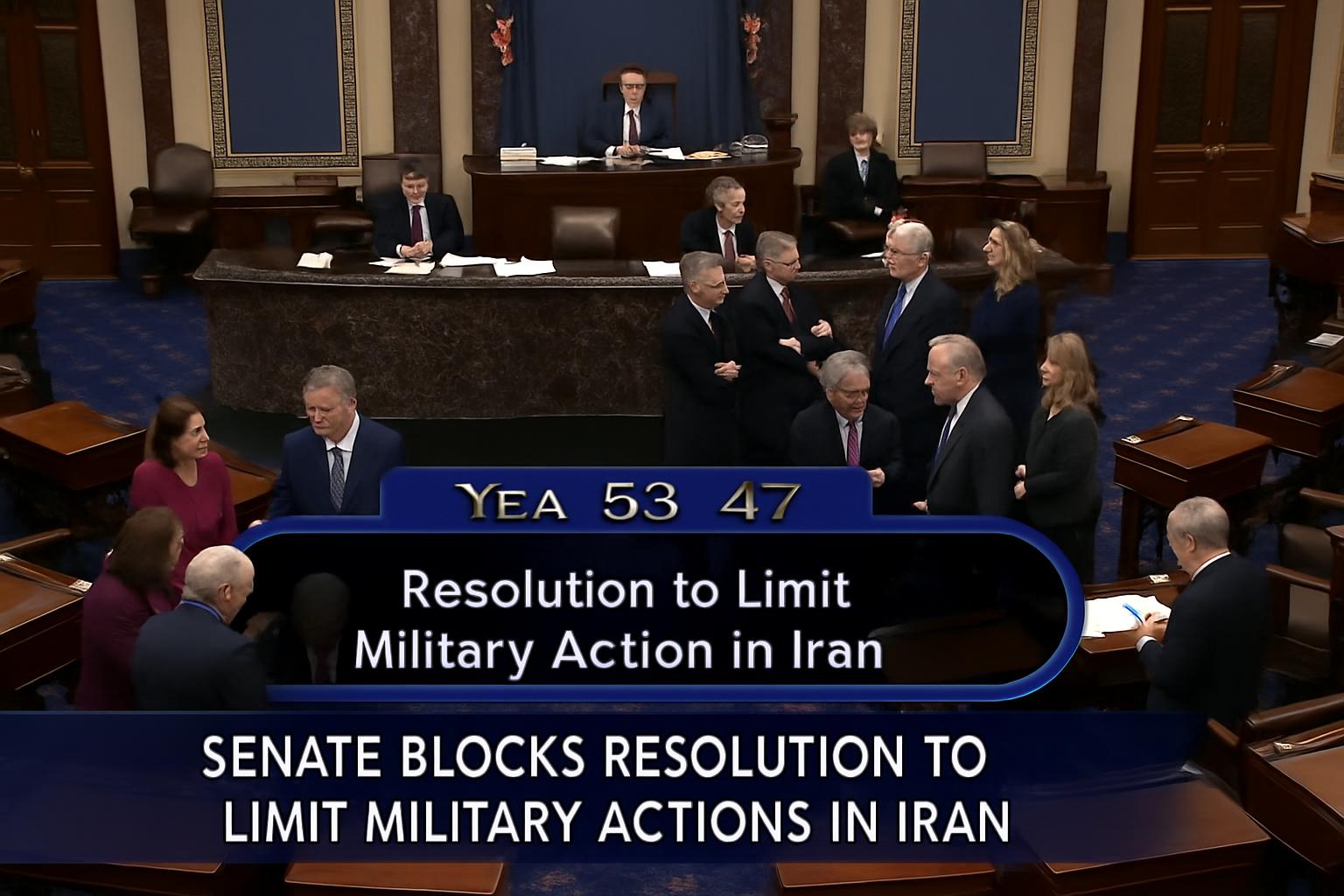
Senate Blocks Resolution to Limit Trump's Military Actions in Iran
Spain's Sánchez Stands Firm Against Trump's Trade Threat Over Iran Stance
Iran Postpones Khamenei Funeral Amid Escalating US-Israeli Strikes
US-Iran Tensions Escalate Amid Renewed Nuclear Talks and Protests
Armed National Guard Deployment in DC Sparks Controversy Amid Crime Crackdown
In This Article
 Ethan Brooks| Published
 HIGHLIGHTS
- US Defense Secretary Pete Hegseth has ordered National Guard troops in Washington DC to be armed amid a federal crime crackdown.
- President Trump has threatened to extend the federal intervention to Chicago and New York, citing high crime rates.
- The deployment, involving approximately 2,000 troops, has been controversial and unpopular among DC residents.
- Trump has suggested the possibility of declaring a national emergency to extend the deployment beyond its 30-day deadline.
- The operation has resulted in over 700 arrests, with local leaders expressing concerns about the federal approach.
In a significant escalation of federal intervention in Washington DC, US Defense Secretary Pete Hegseth has ordered National Guard troops stationed in the capital to be armed. This move is part of the Trump administration's ongoing efforts to tackle what it describes as rampant crime in the city. The decision comes after President Trump deployed approximately 2,000 troops to Washington earlier in August, taking control of the city's police force to address what he labeled as "out of control" crime.
The Pentagon confirmed that the National Guard personnel will soon be equipped with service-issued weapons, aligning with their mission and training. However, it remains unclear if this change will alter their current role, which has so far been limited to patrolling key landmarks like the National Mall and Union Station, rather than engaging in direct law enforcement activities.
Federal Expansion Plans
President Trump has indicated that the federal crackdown could extend to other major cities, including Chicago and New York, both of which have Democratic leadership. "Chicago is a mess," Trump stated, suggesting that similar measures could be implemented there. Chicago Mayor Brandon Johnson has expressed grave concerns over the potential deployment, warning that it could exacerbate tensions between residents and law enforcement.
Local and National Reactions
The deployment has been met with resistance from local leaders and residents in Washington DC, a predominantly Democratic city. Despite the administration's claims of success, polls indicate widespread disapproval of the federal presence. Trump has also hinted at declaring a national emergency to prolong the deployment beyond its initial 30-day period, a move that could further inflame local opposition.
Legal and Political Implications
The operation has so far resulted in over 700 arrests, with Attorney General Pam Bondi highlighting the crackdown's effectiveness. However, the aggressive federal approach has raised legal and political questions, particularly regarding the balance of power between federal and local authorities. The administration's actions have drawn criticism for potentially undermining local governance and escalating tensions in already strained communities.
WHAT THIS MIGHT MEAN
The decision to arm National Guard troops in Washington DC marks a significant shift in the federal government's approach to crime in the capital. If President Trump follows through on his threats to extend similar measures to Chicago and New York, it could set a precedent for federal intervention in local law enforcement, raising constitutional questions about states' rights and federal overreach.
Legal experts suggest that declaring a national emergency to maintain troop presence could face significant challenges, both in the courts and from local governments. The move could also impact the political landscape, potentially influencing voter sentiment in upcoming elections.
As the situation unfolds, the administration's actions will likely continue to be scrutinized, with implications for federal-state relations and the broader debate over crime and policing in America.
Related Articles
US and Israel Intensify Military Campaign as Iran's Capabilities Dwindle
Intensified US-Israel Strikes on Iran Spark Global Outcry
Senate Blocks Resolution to Limit Trump's Military Actions in Iran
Spain's Sánchez Stands Firm Against Trump's Trade Threat Over Iran Stance
Iran Postpones Khamenei Funeral Amid Escalating US-Israeli Strikes
US-Iran Tensions Escalate Amid Renewed Nuclear Talks and Protests