
Arrest Made in Politically Charged Shooting of Minnesota Lawmakers
In This Article
HIGHLIGHTS
- Vance Boelter, 57, was arrested and charged with two counts of murder and two of attempted murder after a manhunt in Sibley County.
- Boelter allegedly impersonated a police officer to gain access to the homes of Minnesota lawmakers Melissa Hortman and John Hoffman.
- The attack resulted in the deaths of Melissa Hortman and her husband, Mark, while John Hoffman and his wife, Yvette, were seriously injured.
- Authorities discovered a target list with names of state Democratic politicians, indicating a politically motivated attack.
- The FBI has added Boelter to their most wanted list, offering a $50,000 reward for information leading to his capture.
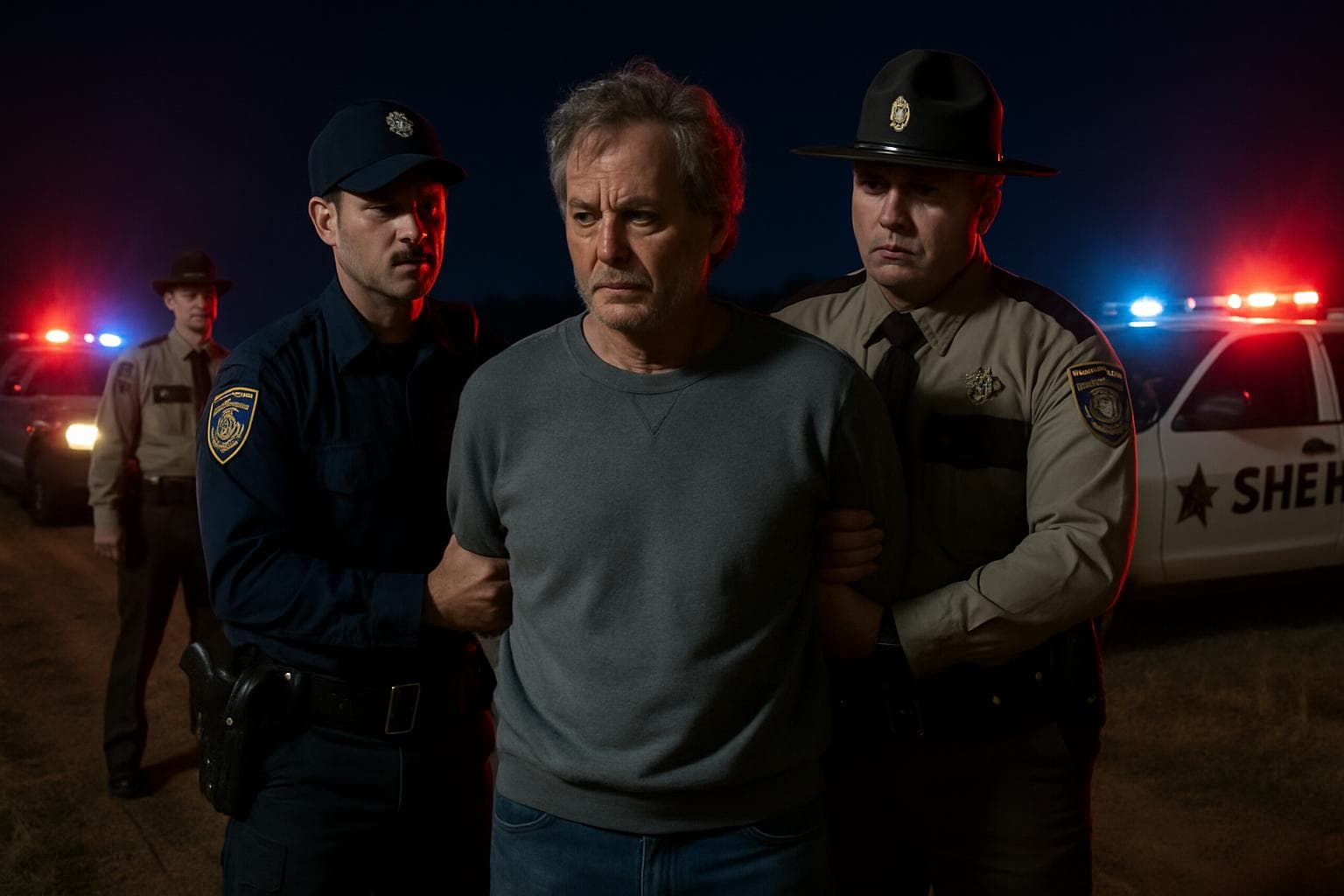
In a dramatic turn of events, Vance Boelter, 57, has been apprehended and charged with the murder of Minnesota state representative Melissa Hortman and her husband, Mark, as well as the attempted murder of state senator John Hoffman and his wife, Yvette. The arrest follows a tense manhunt that concluded late Sunday night in a rural area of Sibley County, southwest of Minneapolis.
Impersonation and Attack
Authorities allege that Boelter, disguised as a police officer, gained access to the homes of the lawmakers in the early hours of Saturday. The attack left the Hortmans dead and the Hoffmans seriously injured. Boelter reportedly used a vehicle resembling a police SUV to carry out the shootings, which have sent shockwaves through the state's political landscape.
Manhunt and Arrest
After exchanging gunfire with police at the scene, Boelter managed to flee, sparking a widespread manhunt. His car was discovered in Sibley County, prompting local authorities to issue warnings to residents. The suspect was eventually captured in the same area, bringing relief to a community on edge.
Political Motivations
The attack appears to be politically motivated, as investigators found a list of Democratic politicians targeted by Boelter. Minnesota Governor Tim Walz and other prominent figures, including congresswoman Ilhan Omar and senators Amy Klobuchar and Tina Smith, were reportedly on the list. "Clearly, this is politically motivated," Klobuchar stated, emphasizing the gravity of the situation.
Community and National Response
The incident has drawn national attention, with President Donald Trump condemning the attack as "a terrible thing." The FBI has placed Boelter on their most wanted list, offering a $50,000 reward for information. Meanwhile, the Hoffmans are recovering from surgery and are expected to release a statement soon.
WHAT THIS MIGHT MEAN
The arrest of Vance Boelter may bring some closure to the immediate threat, but it raises significant concerns about political violence in the United States. The discovery of a target list suggests a broader intent that could have escalated further. Experts warn that this incident could heighten tensions and lead to increased security measures for public officials.
Politically, the attack may prompt legislative discussions on enhancing protections for lawmakers and addressing the root causes of such violence. The involvement of high-profile figures like Governor Walz and Senator Klobuchar indicates that this case will likely remain in the public eye, potentially influencing upcoming elections and policy debates.
As the legal proceedings unfold, the focus will be on understanding Boelter's motivations and preventing similar incidents in the future. This case serves as a stark reminder of the vulnerabilities faced by public servants and the need for vigilance in safeguarding democratic institutions.
Images from the Web


Related Articles

Cuba Faces Widespread Blackout Amid Deepening Fuel Crisis

UK Faces Dilemmas Amid Iran Conflict and China Spying Allegations

China Sets Lowest GDP Growth Target in Decades Amid Economic Challenges

Tech Giants Pledge to Cover AI Data Center Energy Costs Amid Rising Electricity Concerns
Congress Subpoenas Attorney General Bondi in Epstein Investigation

Google Faces Legal Battle Over AI Chatbot's Alleged Role in Tragic Death
Arrest Made in Politically Charged Shooting of Minnesota Lawmakers
In This Article
 Sofia Romano| Published
 HIGHLIGHTS
- Vance Boelter, 57, was arrested and charged with two counts of murder and two of attempted murder after a manhunt in Sibley County.
- Boelter allegedly impersonated a police officer to gain access to the homes of Minnesota lawmakers Melissa Hortman and John Hoffman.
- The attack resulted in the deaths of Melissa Hortman and her husband, Mark, while John Hoffman and his wife, Yvette, were seriously injured.
- Authorities discovered a target list with names of state Democratic politicians, indicating a politically motivated attack.
- The FBI has added Boelter to their most wanted list, offering a $50,000 reward for information leading to his capture.
In a dramatic turn of events, Vance Boelter, 57, has been apprehended and charged with the murder of Minnesota state representative Melissa Hortman and her husband, Mark, as well as the attempted murder of state senator John Hoffman and his wife, Yvette. The arrest follows a tense manhunt that concluded late Sunday night in a rural area of Sibley County, southwest of Minneapolis.
Impersonation and Attack
Authorities allege that Boelter, disguised as a police officer, gained access to the homes of the lawmakers in the early hours of Saturday. The attack left the Hortmans dead and the Hoffmans seriously injured. Boelter reportedly used a vehicle resembling a police SUV to carry out the shootings, which have sent shockwaves through the state's political landscape.
Manhunt and Arrest
After exchanging gunfire with police at the scene, Boelter managed to flee, sparking a widespread manhunt. His car was discovered in Sibley County, prompting local authorities to issue warnings to residents. The suspect was eventually captured in the same area, bringing relief to a community on edge.
Political Motivations
The attack appears to be politically motivated, as investigators found a list of Democratic politicians targeted by Boelter. Minnesota Governor Tim Walz and other prominent figures, including congresswoman Ilhan Omar and senators Amy Klobuchar and Tina Smith, were reportedly on the list. "Clearly, this is politically motivated," Klobuchar stated, emphasizing the gravity of the situation.
Community and National Response
The incident has drawn national attention, with President Donald Trump condemning the attack as "a terrible thing." The FBI has placed Boelter on their most wanted list, offering a $50,000 reward for information. Meanwhile, the Hoffmans are recovering from surgery and are expected to release a statement soon.
WHAT THIS MIGHT MEAN
The arrest of Vance Boelter may bring some closure to the immediate threat, but it raises significant concerns about political violence in the United States. The discovery of a target list suggests a broader intent that could have escalated further. Experts warn that this incident could heighten tensions and lead to increased security measures for public officials.
Politically, the attack may prompt legislative discussions on enhancing protections for lawmakers and addressing the root causes of such violence. The involvement of high-profile figures like Governor Walz and Senator Klobuchar indicates that this case will likely remain in the public eye, potentially influencing upcoming elections and policy debates.
As the legal proceedings unfold, the focus will be on understanding Boelter's motivations and preventing similar incidents in the future. This case serves as a stark reminder of the vulnerabilities faced by public servants and the need for vigilance in safeguarding democratic institutions.
Images from the Web
Related Articles
Cuba Faces Widespread Blackout Amid Deepening Fuel Crisis
UK Faces Dilemmas Amid Iran Conflict and China Spying Allegations
China Sets Lowest GDP Growth Target in Decades Amid Economic Challenges
Tech Giants Pledge to Cover AI Data Center Energy Costs Amid Rising Electricity Concerns
Congress Subpoenas Attorney General Bondi in Epstein Investigation
Google Faces Legal Battle Over AI Chatbot's Alleged Role in Tragic Death