
Assisted Dying Bill Faces Financial and Ethical Scrutiny as It Moves to House of Lords
In This Article
HIGHLIGHTS
- Health Secretary Wes Streeting expressed concerns over the affordability of establishing an NHS-assisted dying service, citing budget constraints.
- The assisted dying bill passed the House of Commons with a narrow majority and now awaits scrutiny in the House of Lords.
- Streeting, once a supporter, now opposes the bill, emphasizing the need for improved end-of-life care before implementing such a service.
- The bill's financial impact assessment suggests potential NHS savings but also highlights significant setup and operational costs.
- Critics, including Kemi Badenoch, argue the bill has been rushed and lacks necessary safeguards, raising ethical concerns.
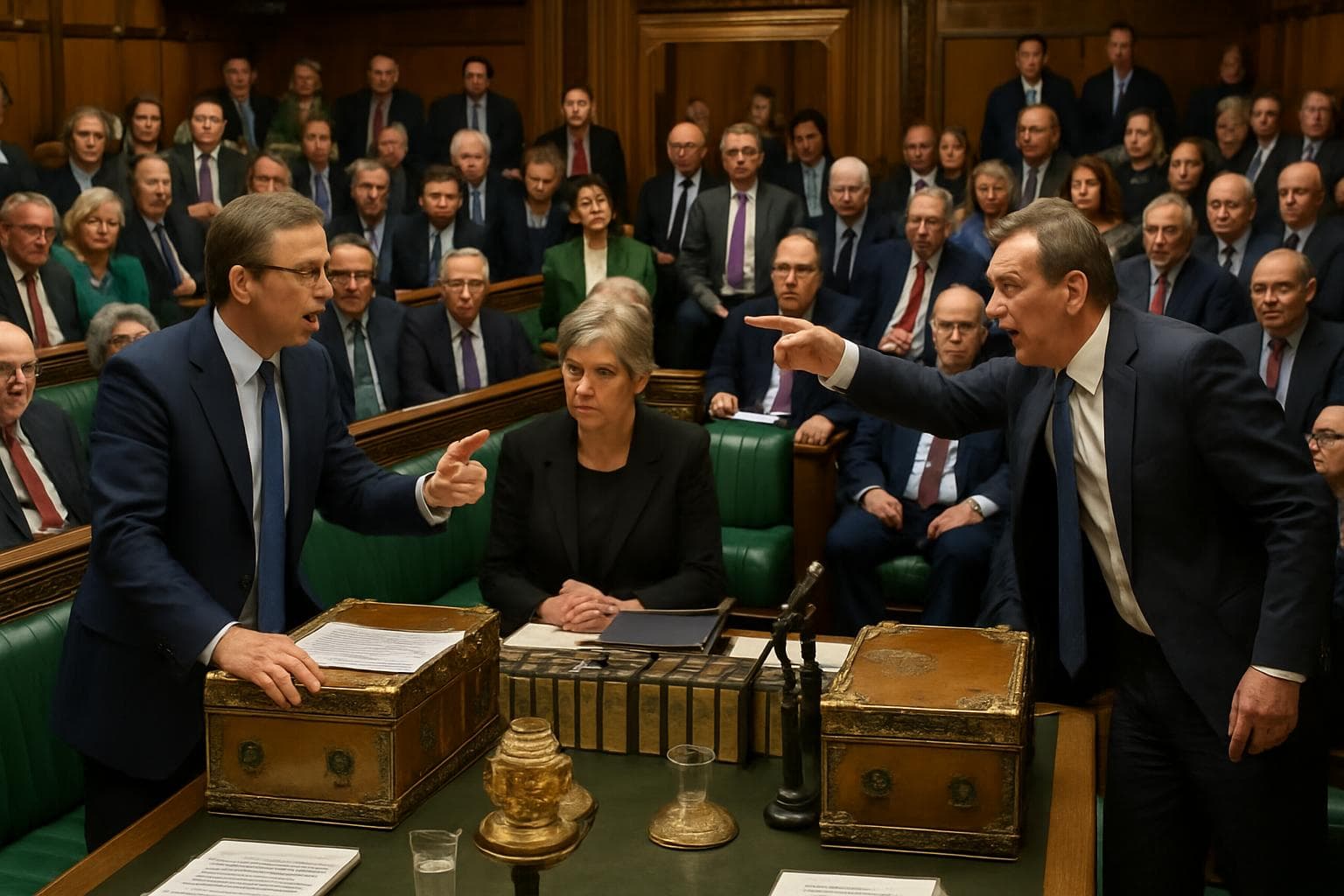
The UK Parliament is currently embroiled in a heated debate over the proposed assisted dying legislation, which recently passed the House of Commons by a narrow margin. Health Secretary Wes Streeting has voiced significant concerns regarding the financial feasibility of implementing an assisted dying service within the NHS, given the current budget constraints and the need for improved end-of-life care.
Financial Concerns and Ethical Debates
Streeting, who represents Ilford North, has been vocal about the lack of budget allocation for the proposed service. In a detailed Facebook post, he explained his opposition to the bill, highlighting the NHS's existing financial pressures and the need for prioritizing resources. "Politics is about prioritizing," Streeting wrote, emphasizing that establishing the service would require time and money that are currently in short supply.
The bill, which allows terminally ill adults with less than six months to live to seek medical assistance to end their lives, has sparked a broader ethical debate. While proponents argue it offers a dignified choice for those facing terminal illness, critics warn of potential coercion and the ethical implications of such a service.
Legislative Journey and Impact Assessment
Having cleared the Commons, the bill now moves to the House of Lords, where it is expected to face further scrutiny. An impact assessment conducted by the government outlined potential NHS savings ranging from £919,000 to £10.3 million in the first six months, but also noted significant setup costs, including over £11 million for initial training.
Streeting's concerns are echoed by other political figures, including Kemi Badenoch, who criticized the bill's rapid progression through Parliament and the perceived lack of safeguards. "There is too much thoughtlessness in our legislative procedure," Badenoch remarked, questioning the motivations behind the bill's drafting.
Broader Implications and Future Steps
As the debate continues, the government remains neutral, with Care Minister Stephen Kinnock poised to oversee the bill's implementation should it pass the Lords. Streeting has pledged to work constructively on the bill's technical aspects, despite his reservations.
WHAT THIS MIGHT MEAN
The assisted dying bill's progression to the House of Lords marks a critical juncture in its legislative journey. Should the Lords approve the bill, it will require careful implementation to address the financial and ethical concerns raised. Experts suggest that robust safeguards and comprehensive training will be essential to ensure the service operates ethically and sustainably.
Politically, the bill's passage could set a precedent for future healthcare legislation, highlighting the need for balanced resource allocation within the NHS. As the debate unfolds, the government may face increased pressure to enhance palliative care services, ensuring that all patients have access to high-quality end-of-life care.
Related Articles
Conservatives Propose Interest Rate Cap on Student Loans Amid Growing Debt Concerns
UK Achieves Record Budget Surplus Amid Calls for Fiscal Policy Reform

England Proposes Vaping Ban in Cars with Children to Protect Public Health
NHS Staff Pay Rise Sparks Union Outrage Amid Inflation Concerns

UK Government to Reform Asylum Seeker Support and Employment Policies

UK-Iran Tensions: Starmer Defends Cautious Approach Amid Trump Criticism
Assisted Dying Bill Faces Financial and Ethical Scrutiny as It Moves to House of Lords
In This Article
 Daniel Rivera| Published
 HIGHLIGHTS
- Health Secretary Wes Streeting expressed concerns over the affordability of establishing an NHS-assisted dying service, citing budget constraints.
- The assisted dying bill passed the House of Commons with a narrow majority and now awaits scrutiny in the House of Lords.
- Streeting, once a supporter, now opposes the bill, emphasizing the need for improved end-of-life care before implementing such a service.
- The bill's financial impact assessment suggests potential NHS savings but also highlights significant setup and operational costs.
- Critics, including Kemi Badenoch, argue the bill has been rushed and lacks necessary safeguards, raising ethical concerns.
The UK Parliament is currently embroiled in a heated debate over the proposed assisted dying legislation, which recently passed the House of Commons by a narrow margin. Health Secretary Wes Streeting has voiced significant concerns regarding the financial feasibility of implementing an assisted dying service within the NHS, given the current budget constraints and the need for improved end-of-life care.
Financial Concerns and Ethical Debates
Streeting, who represents Ilford North, has been vocal about the lack of budget allocation for the proposed service. In a detailed Facebook post, he explained his opposition to the bill, highlighting the NHS's existing financial pressures and the need for prioritizing resources. "Politics is about prioritizing," Streeting wrote, emphasizing that establishing the service would require time and money that are currently in short supply.
The bill, which allows terminally ill adults with less than six months to live to seek medical assistance to end their lives, has sparked a broader ethical debate. While proponents argue it offers a dignified choice for those facing terminal illness, critics warn of potential coercion and the ethical implications of such a service.
Legislative Journey and Impact Assessment
Having cleared the Commons, the bill now moves to the House of Lords, where it is expected to face further scrutiny. An impact assessment conducted by the government outlined potential NHS savings ranging from £919,000 to £10.3 million in the first six months, but also noted significant setup costs, including over £11 million for initial training.
Streeting's concerns are echoed by other political figures, including Kemi Badenoch, who criticized the bill's rapid progression through Parliament and the perceived lack of safeguards. "There is too much thoughtlessness in our legislative procedure," Badenoch remarked, questioning the motivations behind the bill's drafting.
Broader Implications and Future Steps
As the debate continues, the government remains neutral, with Care Minister Stephen Kinnock poised to oversee the bill's implementation should it pass the Lords. Streeting has pledged to work constructively on the bill's technical aspects, despite his reservations.
WHAT THIS MIGHT MEAN
The assisted dying bill's progression to the House of Lords marks a critical juncture in its legislative journey. Should the Lords approve the bill, it will require careful implementation to address the financial and ethical concerns raised. Experts suggest that robust safeguards and comprehensive training will be essential to ensure the service operates ethically and sustainably.
Politically, the bill's passage could set a precedent for future healthcare legislation, highlighting the need for balanced resource allocation within the NHS. As the debate unfolds, the government may face increased pressure to enhance palliative care services, ensuring that all patients have access to high-quality end-of-life care.
Related Articles
Conservatives Propose Interest Rate Cap on Student Loans Amid Growing Debt Concerns
UK Achieves Record Budget Surplus Amid Calls for Fiscal Policy Reform
England Proposes Vaping Ban in Cars with Children to Protect Public Health
NHS Staff Pay Rise Sparks Union Outrage Amid Inflation Concerns
UK Government to Reform Asylum Seeker Support and Employment Policies
UK-Iran Tensions: Starmer Defends Cautious Approach Amid Trump Criticism