
Australia to Recognize Palestinian State Amidst Rising Tensions in the Middle East
In This Article
HIGHLIGHTS
- Australia will recognize a Palestinian state at the UN General Assembly in September, aligning with recent moves by the UK, France, and Canada.
- Prime Minister Anthony Albanese cited commitments from the Palestinian Authority, including demilitarization and elections, as key to the decision.
- Israel's Prime Minister Benjamin Netanyahu criticized the recognition, calling it a "reward for terrorism" amid ongoing conflict in Gaza.
- The humanitarian crisis in Gaza continues, with over 61,000 deaths reported since October 2023, according to local health authorities.
- The US remains opposed to recognizing Palestinian statehood, citing governance concerns and potential implications for regional security.
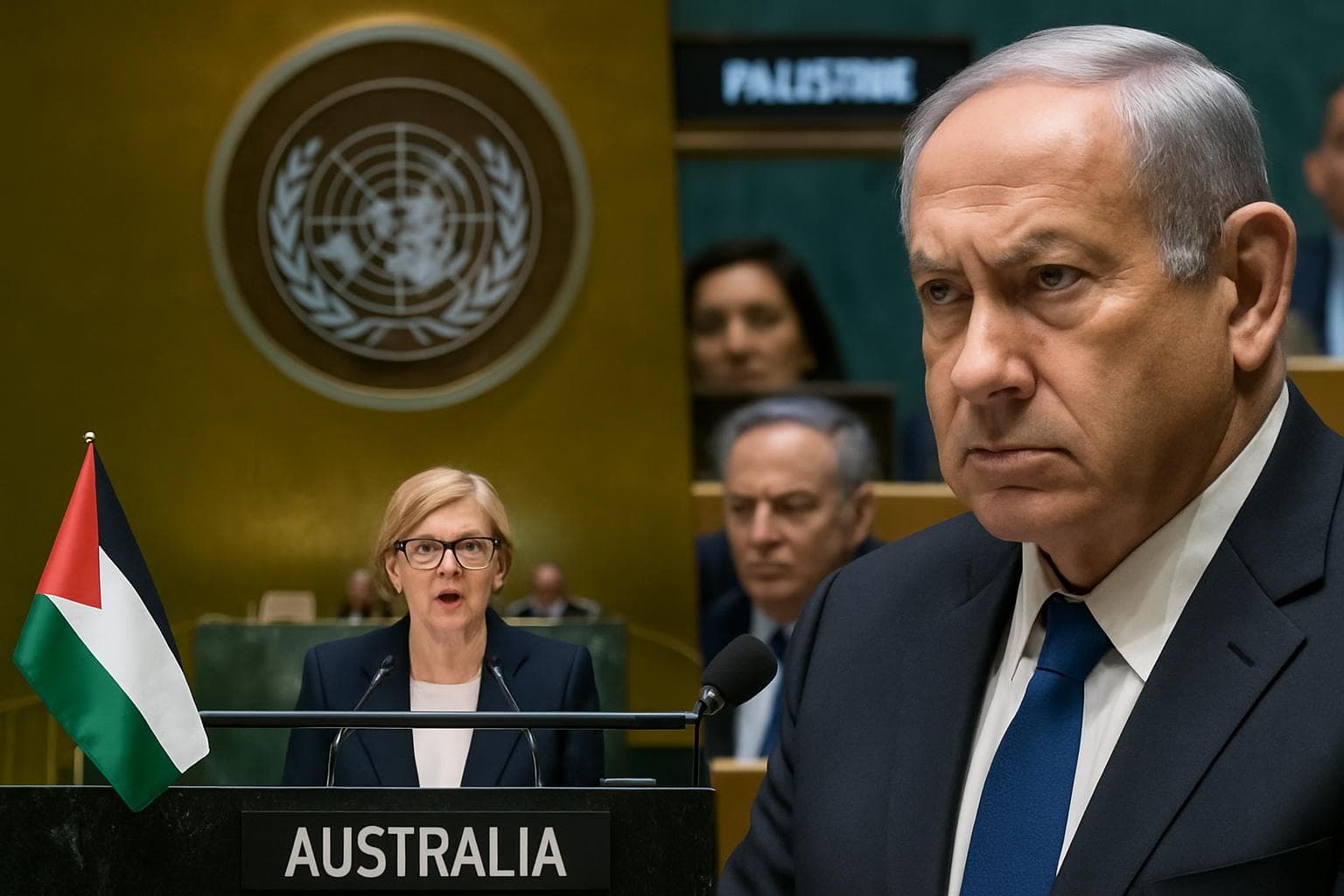
Australia is set to recognize a Palestinian state at the upcoming United Nations General Assembly in September, a move that aligns with recent decisions by the UK, France, and Canada. Prime Minister Anthony Albanese announced the decision, emphasizing the importance of a two-state solution as "humanity's best hope" to end the cycle of violence in the Middle East and alleviate the humanitarian crisis in Gaza.
Diplomatic Commitments and International Support
Albanese stated that the decision follows commitments from the Palestinian Authority, including demilitarization, holding general elections, and continued recognition of Israel's right to exist. "There is a moment of opportunity here, and Australia will work with the international community to seize it," he remarked, highlighting conversations with leaders from the UK, France, New Zealand, and Japan.
Foreign Minister Penny Wong echoed these sentiments, stressing the need for international efforts to support the Arab League's initiatives to isolate Hamas. "We can't keep waiting for the end of a peace process that has ground to a halt," Wong stated.
Israeli Criticism and Humanitarian Concerns
The decision has drawn sharp criticism from Israeli Prime Minister Benjamin Netanyahu, who labeled the move "shameful" and a "reward for terrorism." Netanyahu's comments come amid increasing international condemnation of Israel's military campaign in Gaza, which has resulted in over 61,000 deaths since October 2023, according to Gaza's health ministry.
The humanitarian situation in Gaza remains dire, with the UN warning of "starvation, pure and simple" as child deaths mount. Only a fraction of the aid needed has reached the region, exacerbating the crisis.
US Position and Regional Implications
Despite growing international momentum for Palestinian state recognition, the United States has reiterated its opposition. US Vice-President JD Vance stated that recognizing Palestinian statehood would reward Hamas, citing a lack of functional governance as a primary concern.
The Executive Council of Australian Jewry has expressed disappointment in Australia's decision, calling it a "betrayal." Meanwhile, public pressure within Australia has intensified, with large-scale pro-Palestinian protests taking place across the country.
WHAT THIS MIGHT MEAN
The recognition of a Palestinian state by Australia and other nations could potentially shift the dynamics of the Israeli-Palestinian conflict, encouraging further diplomatic efforts towards a two-state solution. However, the move risks straining relations with Israel and complicating Australia's ties with the United States, which remains firmly opposed to such recognition.
Experts suggest that the international community's support for Palestinian statehood could lead to renewed peace negotiations, though the path forward remains fraught with challenges. The humanitarian crisis in Gaza continues to demand urgent attention, and any diplomatic progress will need to address the immediate needs of the affected population.
As the situation evolves, the global response will likely play a crucial role in shaping the future of the Middle East, with potential implications for regional stability and international relations.
Related Articles
Canada and Australia Forge Strategic Partnership Amid Global Uncertainty

UK Faces Dilemmas Amid Iran Conflict and China Spying Allegations

Middle East Conflict Drives UK Energy Prices to New Highs
Iran Postpones Khamenei Funeral Amid Escalating US-Israeli Strikes
China Sets Lowest GDP Growth Target in Decades Amid Economic Challenges

UK Government to Reform Asylum Seeker Support and Employment Policies
Australia to Recognize Palestinian State Amidst Rising Tensions in the Middle East
In This Article
HIGHLIGHTS
- Australia will recognize a Palestinian state at the UN General Assembly in September, aligning with recent moves by the UK, France, and Canada.
- Prime Minister Anthony Albanese cited commitments from the Palestinian Authority, including demilitarization and elections, as key to the decision.
- Israel's Prime Minister Benjamin Netanyahu criticized the recognition, calling it a "reward for terrorism" amid ongoing conflict in Gaza.
- The humanitarian crisis in Gaza continues, with over 61,000 deaths reported since October 2023, according to local health authorities.
- The US remains opposed to recognizing Palestinian statehood, citing governance concerns and potential implications for regional security.
Australia is set to recognize a Palestinian state at the upcoming United Nations General Assembly in September, a move that aligns with recent decisions by the UK, France, and Canada. Prime Minister Anthony Albanese announced the decision, emphasizing the importance of a two-state solution as "humanity's best hope" to end the cycle of violence in the Middle East and alleviate the humanitarian crisis in Gaza.
Diplomatic Commitments and International Support
Albanese stated that the decision follows commitments from the Palestinian Authority, including demilitarization, holding general elections, and continued recognition of Israel's right to exist. "There is a moment of opportunity here, and Australia will work with the international community to seize it," he remarked, highlighting conversations with leaders from the UK, France, New Zealand, and Japan.
Foreign Minister Penny Wong echoed these sentiments, stressing the need for international efforts to support the Arab League's initiatives to isolate Hamas. "We can't keep waiting for the end of a peace process that has ground to a halt," Wong stated.
Israeli Criticism and Humanitarian Concerns
The decision has drawn sharp criticism from Israeli Prime Minister Benjamin Netanyahu, who labeled the move "shameful" and a "reward for terrorism." Netanyahu's comments come amid increasing international condemnation of Israel's military campaign in Gaza, which has resulted in over 61,000 deaths since October 2023, according to Gaza's health ministry.
The humanitarian situation in Gaza remains dire, with the UN warning of "starvation, pure and simple" as child deaths mount. Only a fraction of the aid needed has reached the region, exacerbating the crisis.
US Position and Regional Implications
Despite growing international momentum for Palestinian state recognition, the United States has reiterated its opposition. US Vice-President JD Vance stated that recognizing Palestinian statehood would reward Hamas, citing a lack of functional governance as a primary concern.
The Executive Council of Australian Jewry has expressed disappointment in Australia's decision, calling it a "betrayal." Meanwhile, public pressure within Australia has intensified, with large-scale pro-Palestinian protests taking place across the country.
WHAT THIS MIGHT MEAN
The recognition of a Palestinian state by Australia and other nations could potentially shift the dynamics of the Israeli-Palestinian conflict, encouraging further diplomatic efforts towards a two-state solution. However, the move risks straining relations with Israel and complicating Australia's ties with the United States, which remains firmly opposed to such recognition.
Experts suggest that the international community's support for Palestinian statehood could lead to renewed peace negotiations, though the path forward remains fraught with challenges. The humanitarian crisis in Gaza continues to demand urgent attention, and any diplomatic progress will need to address the immediate needs of the affected population.
As the situation evolves, the global response will likely play a crucial role in shaping the future of the Middle East, with potential implications for regional stability and international relations.
Related Articles
Canada and Australia Forge Strategic Partnership Amid Global Uncertainty
UK Faces Dilemmas Amid Iran Conflict and China Spying Allegations
Middle East Conflict Drives UK Energy Prices to New Highs
Iran Postpones Khamenei Funeral Amid Escalating US-Israeli Strikes
China Sets Lowest GDP Growth Target in Decades Amid Economic Challenges
UK Government to Reform Asylum Seeker Support and Employment Policies