
Australia's Social Media Ban for Under-16s Sparks Debate and Concerns
In This Article
HIGHLIGHTS
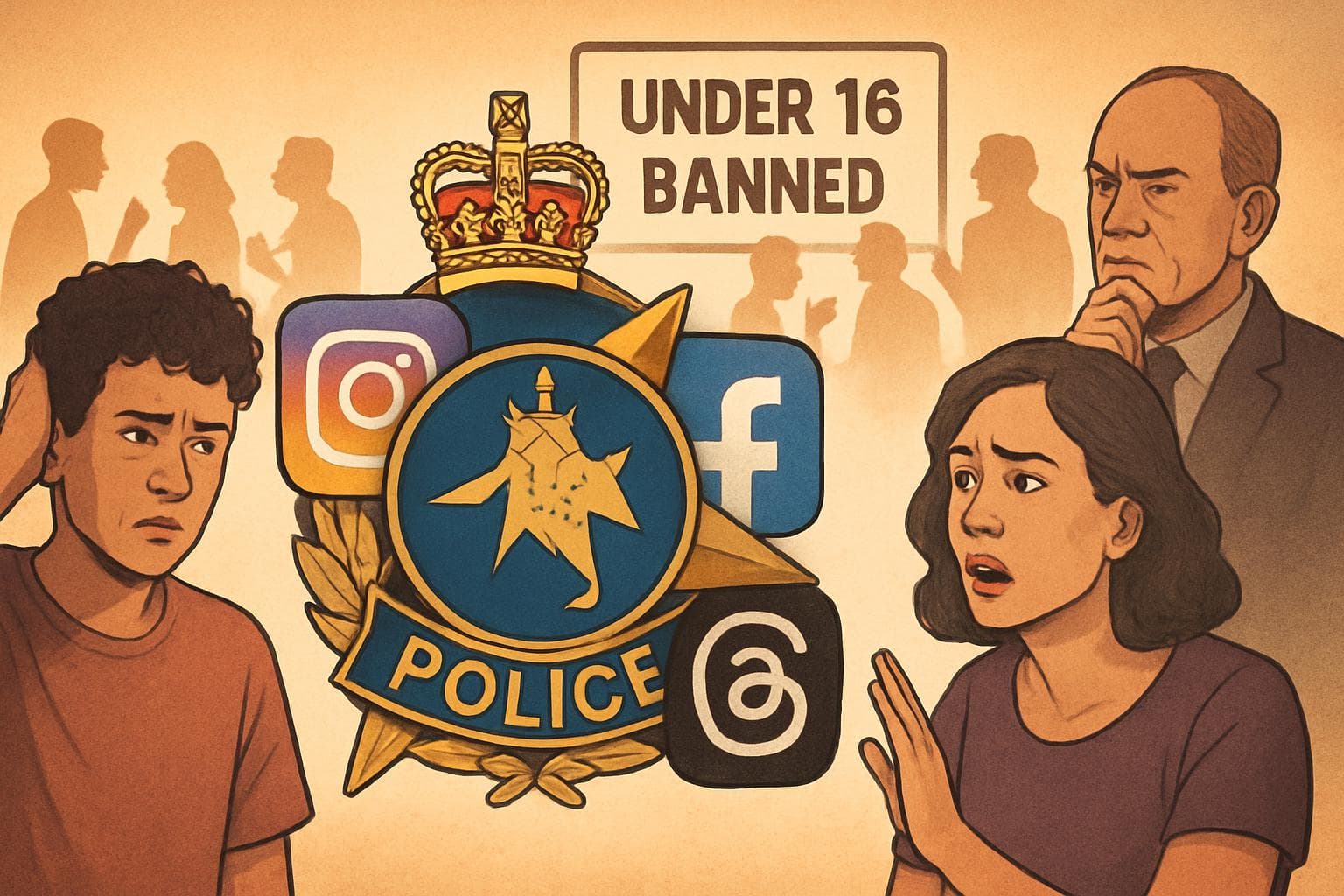
- Meta has begun removing accounts of Australian users under 16 from Instagram, Facebook, and Threads ahead of a new social media ban starting December 10.
- The ban aims to protect children from online harms, with platforms facing fines up to A$49.5m for non-compliance.
- Critics argue the ban could isolate regional youth and worsen mental health issues, pushing them to less-regulated platforms.
- The Telecommunications Industry Ombudsman has received numerous complaints about wrongful account closures but lacks authority to intervene.
- The Young Nationals oppose the ban, suggesting it will drive youth to riskier online environments and calling for a classification system instead.
As Australia prepares to enforce a groundbreaking social media ban for users under 16, Meta has commenced the removal of accounts from its platforms, including Instagram, Facebook, and Threads. The ban, effective December 10, is part of a government initiative to shield children from potential online dangers. Meta, which began notifying affected users last month, estimates that around 500,000 accounts will be impacted.
Compliance and Challenges
The new regulation mandates that social media companies take "reasonable steps" to prevent under-16s from accessing their platforms, with non-compliance resulting in fines up to A$49.5 million. Meta has expressed its commitment to adhering to the law but suggests a more standardized approach, such as requiring app stores to verify users' ages, could be more effective.
Criticism and Concerns
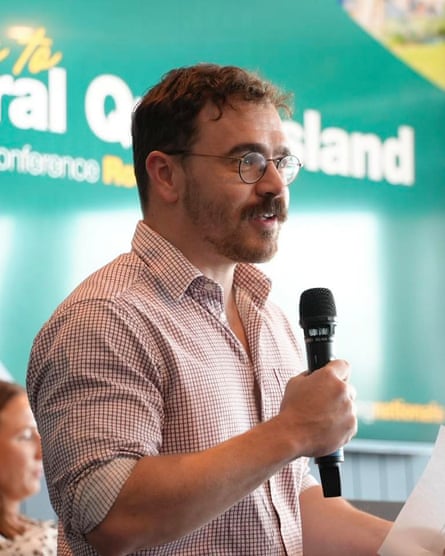
Despite the government's intentions, the ban has faced criticism from various quarters. The Young Nationals, a youth branch of the Coalition, argue that the ban could exacerbate mental health issues by isolating regional youth who rely on social media for connection. They propose a classification system akin to film ratings, allowing parents to set appropriate boundaries.
Complaints and Appeals
The Telecommunications Industry Ombudsman (TIO) has reported a surge in complaints related to wrongful account closures, highlighting the challenges of implementing the ban. Although the TIO has no jurisdiction over digital platforms, it has called for an expansion of its remit to address such issues. Meta has assured users wrongly identified as under 16 that they can appeal the decision through a video selfie or government ID verification.
Government's Stance
Communications Minister Anika Wells defends the ban, emphasizing its role in combating online addiction and bullying. While acknowledging potential initial challenges, she insists the measure is a necessary step in protecting Generation Alpha from the adverse effects of social media.
WHAT THIS MIGHT MEAN
As the December 10 deadline approaches, the effectiveness of Australia's social media ban will be closely scrutinized. The government's ability to enforce the regulation and manage appeals will be critical in determining its success. Critics warn that without careful implementation, the ban could inadvertently drive young users to unregulated platforms, potentially increasing their exposure to online risks.
The debate surrounding the ban highlights broader questions about balancing online safety with accessibility. The outcome may influence future regulatory approaches both in Australia and internationally, as governments grapple with the complexities of digital platform governance and youth protection.
Images from the Web
Related Articles
Zuckerberg Defends Meta in Landmark Social Media Addiction Trial
Instagram CEO Defends Platform Amidst Addiction Allegations in Landmark Trial
Canada and Australia Forge Strategic Partnership Amid Global Uncertainty
Tech Giants Pledge to Cover AI Data Center Energy Costs Amid Rising Electricity Concerns

Canada Calls for De-escalation Amid US-Israel Strikes on Iran
Trump's New Tariff Strategy Sparks Global Trade Uncertainty
Australia's Social Media Ban for Under-16s Sparks Debate and Concerns
In This Article
 Marcus Blake| Published
 HIGHLIGHTS
- Meta has begun removing accounts of Australian users under 16 from Instagram, Facebook, and Threads ahead of a new social media ban starting December 10.
- The ban aims to protect children from online harms, with platforms facing fines up to A$49.5m for non-compliance.
- Critics argue the ban could isolate regional youth and worsen mental health issues, pushing them to less-regulated platforms.
- The Telecommunications Industry Ombudsman has received numerous complaints about wrongful account closures but lacks authority to intervene.
- The Young Nationals oppose the ban, suggesting it will drive youth to riskier online environments and calling for a classification system instead.
As Australia prepares to enforce a groundbreaking social media ban for users under 16, Meta has commenced the removal of accounts from its platforms, including Instagram, Facebook, and Threads. The ban, effective December 10, is part of a government initiative to shield children from potential online dangers. Meta, which began notifying affected users last month, estimates that around 500,000 accounts will be impacted.
Compliance and Challenges
The new regulation mandates that social media companies take "reasonable steps" to prevent under-16s from accessing their platforms, with non-compliance resulting in fines up to A$49.5 million. Meta has expressed its commitment to adhering to the law but suggests a more standardized approach, such as requiring app stores to verify users' ages, could be more effective.
Criticism and Concerns
Despite the government's intentions, the ban has faced criticism from various quarters. The Young Nationals, a youth branch of the Coalition, argue that the ban could exacerbate mental health issues by isolating regional youth who rely on social media for connection. They propose a classification system akin to film ratings, allowing parents to set appropriate boundaries.
Complaints and Appeals
The Telecommunications Industry Ombudsman (TIO) has reported a surge in complaints related to wrongful account closures, highlighting the challenges of implementing the ban. Although the TIO has no jurisdiction over digital platforms, it has called for an expansion of its remit to address such issues. Meta has assured users wrongly identified as under 16 that they can appeal the decision through a video selfie or government ID verification.
Government's Stance
Communications Minister Anika Wells defends the ban, emphasizing its role in combating online addiction and bullying. While acknowledging potential initial challenges, she insists the measure is a necessary step in protecting Generation Alpha from the adverse effects of social media.
WHAT THIS MIGHT MEAN
As the December 10 deadline approaches, the effectiveness of Australia's social media ban will be closely scrutinized. The government's ability to enforce the regulation and manage appeals will be critical in determining its success. Critics warn that without careful implementation, the ban could inadvertently drive young users to unregulated platforms, potentially increasing their exposure to online risks.
The debate surrounding the ban highlights broader questions about balancing online safety with accessibility. The outcome may influence future regulatory approaches both in Australia and internationally, as governments grapple with the complexities of digital platform governance and youth protection.
Images from the Web
Related Articles
Zuckerberg Defends Meta in Landmark Social Media Addiction Trial
Instagram CEO Defends Platform Amidst Addiction Allegations in Landmark Trial
Canada and Australia Forge Strategic Partnership Amid Global Uncertainty
Tech Giants Pledge to Cover AI Data Center Energy Costs Amid Rising Electricity Concerns
Canada Calls for De-escalation Amid US-Israel Strikes on Iran
Trump's New Tariff Strategy Sparks Global Trade Uncertainty