
Australia Sees Decline in Youth Vaping Following Stringent Laws
In This Article
HIGHLIGHTS
- Vaping rates among Australian teenagers aged 14-17 dropped from 17.5% to 14.6% between January and April 2023.
- New laws banning disposable vapes and restricting sales to pharmacies with a prescription were introduced in July 2024.
- Over 10 million illegal vapes have been seized by Australian authorities since January 2024, highlighting a thriving black market.
- More than 85% of young Australians have never vaped, and curiosity about vaping is declining.
- Health Minister Mark Butler claims that vaping rates have "turned the corner" due to education and prevention campaigns.
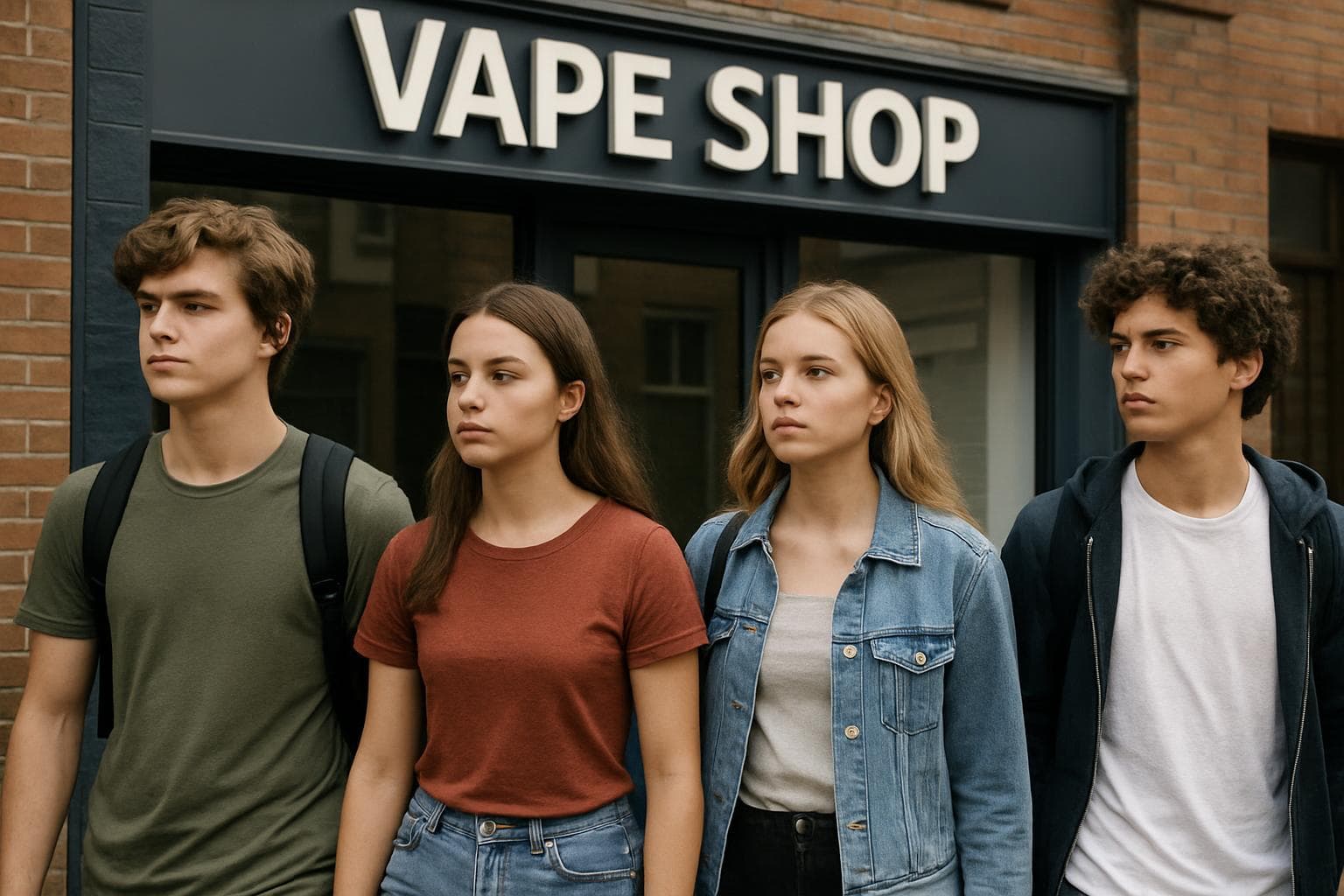
Australia is witnessing a significant decline in vaping rates among school-age children, a year after implementing strict regulations on disposable vapes. According to the latest data from Cancer Council Australia's Generation Vape study, vaping among teenagers aged 14 to 17 has decreased from 17.5% at the beginning of 2023 to 14.6% by April. This trend is mirrored in the broader population, with rates for individuals over 15 years old reducing by more than a third.
Impact of New Vaping Laws
The Australian government introduced comprehensive vaping reforms in July 2024, aimed at curbing youth access and reducing the social acceptability of vaping. These laws prohibit the manufacture, import, advertisement, and supply of single-use vapes, allowing nicotine vapes to be legally purchased only with a prescription from pharmacies. Despite these measures, a black market for nicotine vapes persists, with over 10 million illicit vapes seized by authorities since January 2024.
Changing Attitudes Among Youth
The Generation Vape survey reveals a shift in attitudes towards vaping among young Australians. More than 85% of teenagers have never vaped, and less than a third express any interest in trying it. Interviews conducted as part of the study indicate that many current or former young vapers feel a sense of shame or embarrassment about their habit. Health Minister Mark Butler expressed optimism, stating, "Vaping rates for young Australians have now turned the corner," attributing the decline to effective education and prevention campaigns.
Challenges and Enforcement
While the new laws have shown promising results, enforcement remains a challenge. Under-the-counter sales are common, and experts warn that restrictions on legal cigarettes and vapes have fueled black market activities. Nonetheless, the government remains committed to enforcing the rules and educating the public about the health risks associated with vaping.
WHAT THIS MIGHT MEAN
The decline in youth vaping rates in Australia marks a positive step towards better public health outcomes. However, the persistence of a black market poses ongoing challenges for authorities. Future efforts may focus on strengthening enforcement and closing loopholes that allow illegal sales. Additionally, continued public education campaigns will be crucial in maintaining and furthering the progress made. Experts suggest that Australia's approach could serve as a model for other countries grappling with similar issues, potentially influencing global tobacco control policies.
Related Articles

Australia Bars IS-Linked Citizen from Returning Amidst Repatriation Debate
Controversy Surrounds Queen Elizabeth II Commemorative Coins in Australia

Canada and Australia Forge Strategic Partnership Amid Global Uncertainty

Israeli President Herzog's Visit to Australia Sparks Controversy Amid Calls for Unity

Canada Calls for De-escalation Amid US-Israel Strikes on Iran
Trump's New Tariff Strategy Sparks Global Trade Uncertainty
Australia Sees Decline in Youth Vaping Following Stringent Laws
In This Article
HIGHLIGHTS
- Vaping rates among Australian teenagers aged 14-17 dropped from 17.5% to 14.6% between January and April 2023.
- New laws banning disposable vapes and restricting sales to pharmacies with a prescription were introduced in July 2024.
- Over 10 million illegal vapes have been seized by Australian authorities since January 2024, highlighting a thriving black market.
- More than 85% of young Australians have never vaped, and curiosity about vaping is declining.
- Health Minister Mark Butler claims that vaping rates have "turned the corner" due to education and prevention campaigns.
Australia is witnessing a significant decline in vaping rates among school-age children, a year after implementing strict regulations on disposable vapes. According to the latest data from Cancer Council Australia's Generation Vape study, vaping among teenagers aged 14 to 17 has decreased from 17.5% at the beginning of 2023 to 14.6% by April. This trend is mirrored in the broader population, with rates for individuals over 15 years old reducing by more than a third.
Impact of New Vaping Laws
The Australian government introduced comprehensive vaping reforms in July 2024, aimed at curbing youth access and reducing the social acceptability of vaping. These laws prohibit the manufacture, import, advertisement, and supply of single-use vapes, allowing nicotine vapes to be legally purchased only with a prescription from pharmacies. Despite these measures, a black market for nicotine vapes persists, with over 10 million illicit vapes seized by authorities since January 2024.
Changing Attitudes Among Youth
The Generation Vape survey reveals a shift in attitudes towards vaping among young Australians. More than 85% of teenagers have never vaped, and less than a third express any interest in trying it. Interviews conducted as part of the study indicate that many current or former young vapers feel a sense of shame or embarrassment about their habit. Health Minister Mark Butler expressed optimism, stating, "Vaping rates for young Australians have now turned the corner," attributing the decline to effective education and prevention campaigns.
Challenges and Enforcement
While the new laws have shown promising results, enforcement remains a challenge. Under-the-counter sales are common, and experts warn that restrictions on legal cigarettes and vapes have fueled black market activities. Nonetheless, the government remains committed to enforcing the rules and educating the public about the health risks associated with vaping.
WHAT THIS MIGHT MEAN
The decline in youth vaping rates in Australia marks a positive step towards better public health outcomes. However, the persistence of a black market poses ongoing challenges for authorities. Future efforts may focus on strengthening enforcement and closing loopholes that allow illegal sales. Additionally, continued public education campaigns will be crucial in maintaining and furthering the progress made. Experts suggest that Australia's approach could serve as a model for other countries grappling with similar issues, potentially influencing global tobacco control policies.
Related Articles
Australia Bars IS-Linked Citizen from Returning Amidst Repatriation Debate
Controversy Surrounds Queen Elizabeth II Commemorative Coins in Australia
Canada and Australia Forge Strategic Partnership Amid Global Uncertainty
Israeli President Herzog's Visit to Australia Sparks Controversy Amid Calls for Unity
Canada Calls for De-escalation Amid US-Israel Strikes on Iran
Trump's New Tariff Strategy Sparks Global Trade Uncertainty