
Bank of England's Rate Cut Sparks Debate Amid Inflation Concerns
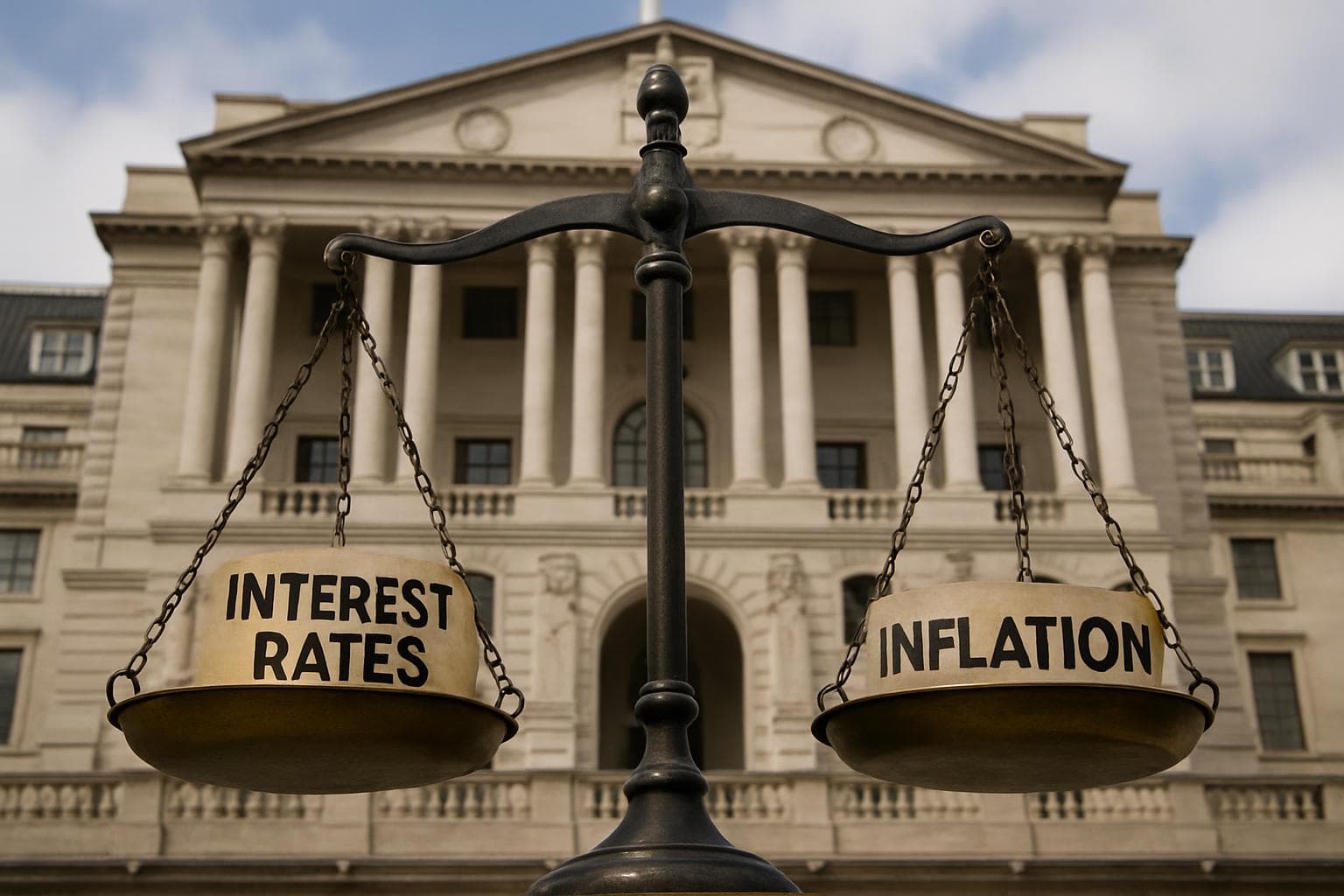
In This Article
HIGHLIGHTS
- The Bank of England cut its base interest rate by 0.25% to 4%, marking the fifth reduction in a year amid inflation concerns.
- The decision by the Monetary Policy Committee was narrowly passed with a 5-4 vote, highlighting internal divisions.
- Rising food prices could push UK inflation to 4% by September, with food price inflation potentially reaching 5.5% by year-end.
- Governor Andrew Bailey emphasized the need for gradual future rate cuts due to economic uncertainties and inflation risks.
- Chancellor Rachel Reeves welcomed the rate cut but faces criticism over tax policies contributing to inflation and unemployment.
The Bank of England has reduced its base interest rate by 0.25 percentage points to 4%, a move that underscores the central bank's ongoing struggle with inflation and economic growth. This marks the fifth rate cut within a year, reflecting the Monetary Policy Committee's (MPC) cautious approach amid rising inflationary pressures.
A Divided Decision
The decision was one of the closest in the Bank's history, with the MPC voting 5-4 in favor of the cut. Governor Andrew Bailey acknowledged the finely balanced nature of the decision, stating, "Interest rates are still on a downward path, but any future rate cuts will need to be made gradually and carefully." The split vote indicates a growing concern within the committee about the pace and impact of rate adjustments.
Inflationary Pressures Mount
The Bank has warned that inflation could reach 4% by September, driven largely by soaring food prices. The MPC's forecast suggests food price inflation could hit 5.5% by the end of the year, exacerbated by global factors such as extreme weather affecting agricultural yields. Domestic factors, including rising employment costs and new recycling charges, are also contributing to the inflationary trend.
Economic Growth and Government Policy
Despite the rate cut, the Bank's outlook for economic growth remains modest, with predictions of a 0.3% increase in the third quarter. Chancellor Rachel Reeves welcomed the cut, citing it as a relief for borrowers. However, she faces criticism over her tax policies, which some argue are adding to inflation and unemployment pressures. The Bank has highlighted these tax rises as factors contributing to the country's weak growth prospects.
Future Implications
The rate cut has implications for borrowers and savers, with borrowing costs now at their lowest since March 2023. However, the path forward remains uncertain, with the Bank signaling that any further cuts will be approached with caution due to the ongoing inflation risks.
WHAT THIS MIGHT MEAN
The Bank of England's decision to cut rates amid inflation concerns presents a complex scenario for the UK economy. If inflation continues to rise, the Bank may be forced to halt further rate cuts, impacting economic recovery efforts. Chancellor Rachel Reeves' upcoming autumn budget will be closely watched for measures to address inflation and stimulate growth. Experts suggest that the government's handling of tax policies and public sector wage negotiations will be critical in shaping the economic landscape. As the UK navigates these challenges, the balance between fostering growth and controlling inflation will remain a central focus for policymakers.
Related Articles
UK Inflation Drops to 3% in January, Sparking Interest Rate Cut Speculation
Trump Raises Import Tariffs to 15% After Supreme Court Setback
UK Achieves Record Budget Surplus Amid Calls for Fiscal Policy Reform
UK Faces Rising Youth Unemployment Amid Minimum Wage and Interest Rate Debates

Breakthrough Drug Offers Hope for Children with Severe Epilepsy
Middle East Conflict Drives UK Energy Prices to New Highs
Bank of England's Rate Cut Sparks Debate Amid Inflation Concerns
In This Article
 Daniel Rivera| Published
 HIGHLIGHTS
- The Bank of England cut its base interest rate by 0.25% to 4%, marking the fifth reduction in a year amid inflation concerns.
- The decision by the Monetary Policy Committee was narrowly passed with a 5-4 vote, highlighting internal divisions.
- Rising food prices could push UK inflation to 4% by September, with food price inflation potentially reaching 5.5% by year-end.
- Governor Andrew Bailey emphasized the need for gradual future rate cuts due to economic uncertainties and inflation risks.
- Chancellor Rachel Reeves welcomed the rate cut but faces criticism over tax policies contributing to inflation and unemployment.
The Bank of England has reduced its base interest rate by 0.25 percentage points to 4%, a move that underscores the central bank's ongoing struggle with inflation and economic growth. This marks the fifth rate cut within a year, reflecting the Monetary Policy Committee's (MPC) cautious approach amid rising inflationary pressures.
A Divided Decision
The decision was one of the closest in the Bank's history, with the MPC voting 5-4 in favor of the cut. Governor Andrew Bailey acknowledged the finely balanced nature of the decision, stating, "Interest rates are still on a downward path, but any future rate cuts will need to be made gradually and carefully." The split vote indicates a growing concern within the committee about the pace and impact of rate adjustments.
Inflationary Pressures Mount
The Bank has warned that inflation could reach 4% by September, driven largely by soaring food prices. The MPC's forecast suggests food price inflation could hit 5.5% by the end of the year, exacerbated by global factors such as extreme weather affecting agricultural yields. Domestic factors, including rising employment costs and new recycling charges, are also contributing to the inflationary trend.
Economic Growth and Government Policy
Despite the rate cut, the Bank's outlook for economic growth remains modest, with predictions of a 0.3% increase in the third quarter. Chancellor Rachel Reeves welcomed the cut, citing it as a relief for borrowers. However, she faces criticism over her tax policies, which some argue are adding to inflation and unemployment pressures. The Bank has highlighted these tax rises as factors contributing to the country's weak growth prospects.
Future Implications
The rate cut has implications for borrowers and savers, with borrowing costs now at their lowest since March 2023. However, the path forward remains uncertain, with the Bank signaling that any further cuts will be approached with caution due to the ongoing inflation risks.
WHAT THIS MIGHT MEAN
The Bank of England's decision to cut rates amid inflation concerns presents a complex scenario for the UK economy. If inflation continues to rise, the Bank may be forced to halt further rate cuts, impacting economic recovery efforts. Chancellor Rachel Reeves' upcoming autumn budget will be closely watched for measures to address inflation and stimulate growth. Experts suggest that the government's handling of tax policies and public sector wage negotiations will be critical in shaping the economic landscape. As the UK navigates these challenges, the balance between fostering growth and controlling inflation will remain a central focus for policymakers.
Related Articles
UK Inflation Drops to 3% in January, Sparking Interest Rate Cut Speculation
Trump Raises Import Tariffs to 15% After Supreme Court Setback
UK Achieves Record Budget Surplus Amid Calls for Fiscal Policy Reform
UK Faces Rising Youth Unemployment Amid Minimum Wage and Interest Rate Debates
Breakthrough Drug Offers Hope for Children with Severe Epilepsy
Middle East Conflict Drives UK Energy Prices to New Highs