
BBC Apologizes After Xenophobia Accusation Against Robert Jenrick
In This Article
HIGHLIGHTS
- The BBC issued an apology after Dr. Krish Kandiah accused Robert Jenrick of xenophobia during a Radio 4 segment.
- Jenrick's comments in the Mail on Sunday about asylum seekers sparked controversy and were labeled as xenophobic by Kandiah.
- The BBC edited the segment post-broadcast, removing language deemed inappropriate for the faith-based programme.
- Jenrick defended his remarks, arguing that concerns about illegal migrants do not equate to racism.
- Over 27,000 migrants have crossed the English Channel this year, highlighting ongoing tensions around immigration.
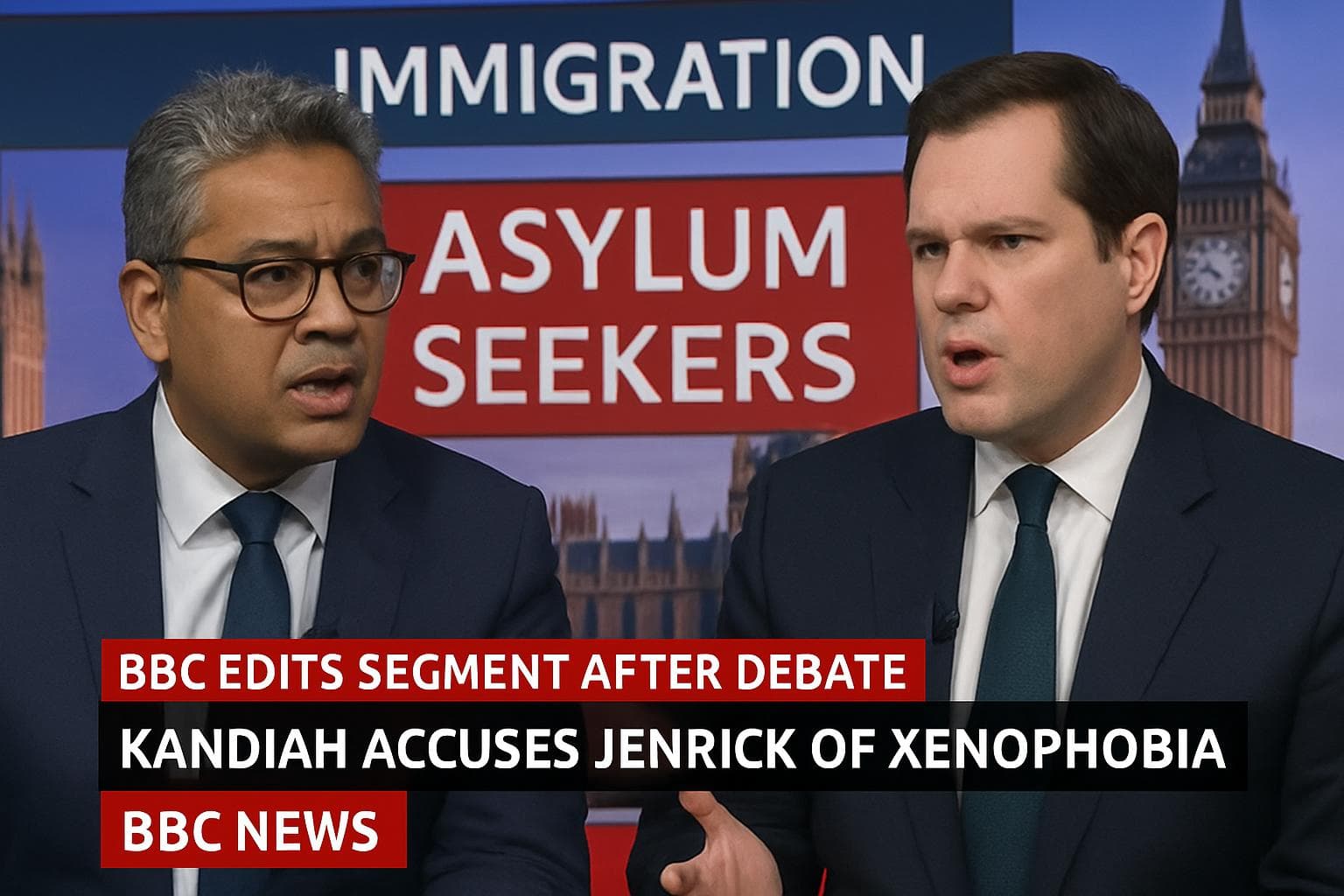
The BBC has found itself at the center of a controversy after apologizing for a segment on Radio 4's Thought for the Day, where theologian Dr. Krish Kandiah accused shadow justice secretary Robert Jenrick of xenophobia. The accusation stemmed from Jenrick's recent article in the Mail on Sunday, where he expressed concerns about asylum seekers arriving in the UK.
Controversial Remarks and BBC's Response
Dr. Kandiah, who leads the Sanctuary Foundation, referenced Jenrick's article during the broadcast, quoting his reluctance to have his children live near "men from backward countries who broke into Britain illegally." Kandiah argued that such fears are irrational and labeled them as xenophobia, a term that sparked a swift response from Jenrick. The BBC later edited the segment, removing certain language and issuing an apology for its inclusion, stating that it was inappropriate for the programme's context.
Jenrick's Defense and Public Reaction
In defense of his comments, Jenrick took to social media, asserting that being concerned about illegal migrants does not make one racist but rather a responsible parent. His article had highlighted crimes allegedly committed by migrants, fueling his apprehensions about their presence in local communities. The debate has drawn mixed reactions, with some, like Labour peer Alf Dubs, agreeing with Kandiah's characterization of Jenrick's remarks as xenophobic.
Ongoing Immigration Challenges
The incident comes amid a backdrop of increasing migrant crossings in the English Channel, with over 27,000 arrivals this year alone. Jenrick described the situation as a "national security emergency," reflecting broader societal tensions regarding immigration. The BBC's decision to edit the segment underscores the delicate balance media organizations must maintain when addressing such sensitive topics.
WHAT THIS MIGHT MEAN
The BBC's apology and subsequent editing of the segment highlight the challenges media outlets face in navigating discussions on immigration and xenophobia. Moving forward, this incident may prompt the BBC to reassess its editorial guidelines for faith-based programmes to prevent similar controversies. Politically, Jenrick's comments could influence public discourse on immigration policy, potentially impacting future legislative measures. As the UK continues to grapple with migrant arrivals, the debate over community cohesion and national security is likely to intensify, with policymakers and the public seeking solutions that balance humanitarian concerns with safety and integration.
Related Articles

UK Government to Reform Asylum Seeker Support and Employment Policies

UK Faces Dilemmas Amid Iran Conflict and China Spying Allegations

UK Reinforces Military Presence in Cyprus Amid Middle East Tensions
UK-Iran Tensions: Starmer Defends Cautious Approach Amid Trump Criticism
Persistent Safety Concerns in Nottingham Maternity Services Amidst Calls for Systemic Reform
Diplomatic Tensions Rise as Trump Criticizes Starmer's Iran Policy
BBC Apologizes After Xenophobia Accusation Against Robert Jenrick
In This Article
 Ethan Brooks| Published
 HIGHLIGHTS
- The BBC issued an apology after Dr. Krish Kandiah accused Robert Jenrick of xenophobia during a Radio 4 segment.
- Jenrick's comments in the Mail on Sunday about asylum seekers sparked controversy and were labeled as xenophobic by Kandiah.
- The BBC edited the segment post-broadcast, removing language deemed inappropriate for the faith-based programme.
- Jenrick defended his remarks, arguing that concerns about illegal migrants do not equate to racism.
- Over 27,000 migrants have crossed the English Channel this year, highlighting ongoing tensions around immigration.
The BBC has found itself at the center of a controversy after apologizing for a segment on Radio 4's Thought for the Day, where theologian Dr. Krish Kandiah accused shadow justice secretary Robert Jenrick of xenophobia. The accusation stemmed from Jenrick's recent article in the Mail on Sunday, where he expressed concerns about asylum seekers arriving in the UK.
Controversial Remarks and BBC's Response
Dr. Kandiah, who leads the Sanctuary Foundation, referenced Jenrick's article during the broadcast, quoting his reluctance to have his children live near "men from backward countries who broke into Britain illegally." Kandiah argued that such fears are irrational and labeled them as xenophobia, a term that sparked a swift response from Jenrick. The BBC later edited the segment, removing certain language and issuing an apology for its inclusion, stating that it was inappropriate for the programme's context.
Jenrick's Defense and Public Reaction
In defense of his comments, Jenrick took to social media, asserting that being concerned about illegal migrants does not make one racist but rather a responsible parent. His article had highlighted crimes allegedly committed by migrants, fueling his apprehensions about their presence in local communities. The debate has drawn mixed reactions, with some, like Labour peer Alf Dubs, agreeing with Kandiah's characterization of Jenrick's remarks as xenophobic.
Ongoing Immigration Challenges
The incident comes amid a backdrop of increasing migrant crossings in the English Channel, with over 27,000 arrivals this year alone. Jenrick described the situation as a "national security emergency," reflecting broader societal tensions regarding immigration. The BBC's decision to edit the segment underscores the delicate balance media organizations must maintain when addressing such sensitive topics.
WHAT THIS MIGHT MEAN
The BBC's apology and subsequent editing of the segment highlight the challenges media outlets face in navigating discussions on immigration and xenophobia. Moving forward, this incident may prompt the BBC to reassess its editorial guidelines for faith-based programmes to prevent similar controversies. Politically, Jenrick's comments could influence public discourse on immigration policy, potentially impacting future legislative measures. As the UK continues to grapple with migrant arrivals, the debate over community cohesion and national security is likely to intensify, with policymakers and the public seeking solutions that balance humanitarian concerns with safety and integration.
Related Articles
UK Government to Reform Asylum Seeker Support and Employment Policies
UK Faces Dilemmas Amid Iran Conflict and China Spying Allegations
UK Reinforces Military Presence in Cyprus Amid Middle East Tensions
UK-Iran Tensions: Starmer Defends Cautious Approach Amid Trump Criticism
Persistent Safety Concerns in Nottingham Maternity Services Amidst Calls for Systemic Reform
Diplomatic Tensions Rise as Trump Criticizes Starmer's Iran Policy