
BBC Faces Scrutiny Over Gaza Documentary Breach
In This Article
HIGHLIGHTS
- A BBC documentary about Gaza breached editorial guidelines by not disclosing the narrator's connection to a Hamas official.
- The review found that the independent production company, Hoyo Films, bore most responsibility, but the BBC also shared some accountability.
- No evidence suggested the narrator's family influenced the documentary's content, but the use of a child narrator was deemed inappropriate.
- Ofcom has launched an investigation to determine if the documentary misled the audience.
- The BBC is implementing new measures to prevent similar breaches, including a new leadership role and stricter editorial checks.
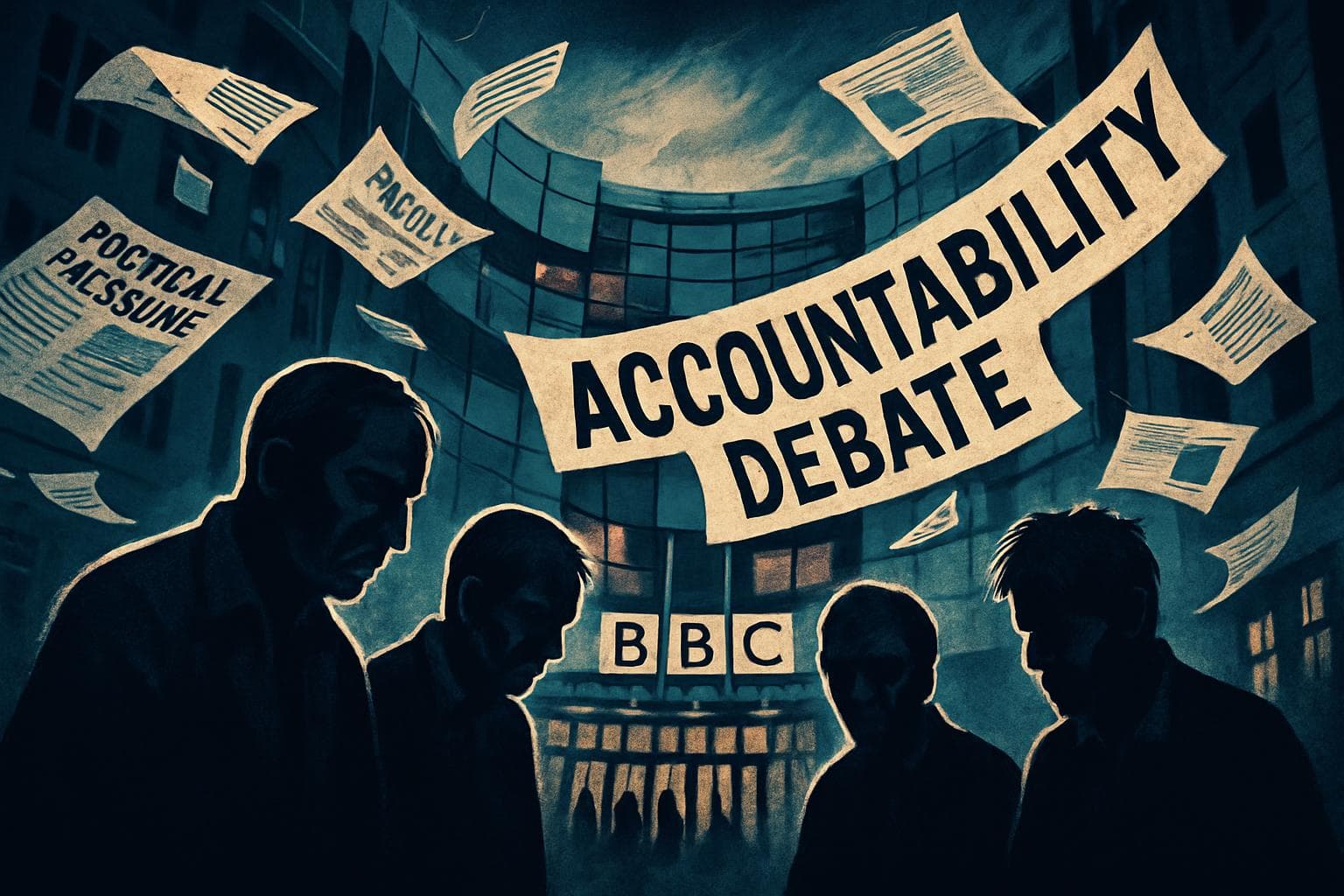
The BBC is under intense scrutiny following a review that found its documentary, "Gaza: How to Survive a Warzone," breached editorial guidelines. The documentary failed to disclose that its child narrator was the son of a Hamas official, a significant oversight that has prompted both internal and external investigations.
Review Findings and Accountability
Commissioned by BBC Director General Tim Davie, the review concluded that the independent production company, Hoyo Films, was primarily responsible for the breach. However, the BBC was also criticized for its lack of proactive editorial checks and oversight. The review, led by Peter Johnston, BBC's director of editorial complaints and reviews, emphasized that the father's status was "critical information" that should have been disclosed to viewers.
Despite the breach, the review found no evidence that the narrator's family influenced the documentary's content or that anyone involved was subject to financial sanctions. The BBC has acknowledged its shortcomings, with CEO Deborah Turness stating, "We are owning where we have made mistakes... and we've said we're sorry."
Ofcom Investigation and BBC's Response
Media watchdog Ofcom has announced an investigation to assess whether the documentary misled its audience. An Ofcom spokesperson noted the importance of factual programmes not materially misleading viewers. In response, the BBC is taking steps to prevent future breaches, including creating a new leadership role in news documentaries and implementing stricter editorial guidelines.
Future Measures and Industry Implications
The BBC plans to introduce a "first gate" process, ensuring all high-risk programmes undergo thorough compliance checks before commissioning. Additionally, new editorial guidance will require careful consideration of narrator roles in contested current affairs programmes.
WHAT THIS MIGHT MEAN
The BBC's response to the documentary breach highlights the challenges media organizations face in maintaining editorial integrity. As Ofcom's investigation unfolds, the BBC may face increased pressure to demonstrate accountability and transparency. The introduction of new leadership roles and processes could set a precedent for how media outlets handle similar issues in the future. Industry experts suggest that these developments may lead to more rigorous oversight and compliance measures across the media landscape, reinforcing the importance of accuracy and impartiality in journalism.
Related Articles
BBC Faces Major Budget Cuts Amid Declining Licence Fee Income
High Court Ruling Delays Trial of Pro-Palestine Activists
Government Orders Investigation into Telegraph Sale Over Media Plurality Concerns
Surge in Antisemitic Incidents in UK Following Manchester Synagogue Attack
Hamas Leadership Vote Amidst Critical Crossroads for the Movement
Trump's Board of Peace Pledges $7 Billion for Gaza Amidst International Skepticism
BBC Faces Scrutiny Over Gaza Documentary Breach
In This Article
 Ethan Brooks| Published
 HIGHLIGHTS
- A BBC documentary about Gaza breached editorial guidelines by not disclosing the narrator's connection to a Hamas official.
- The review found that the independent production company, Hoyo Films, bore most responsibility, but the BBC also shared some accountability.
- No evidence suggested the narrator's family influenced the documentary's content, but the use of a child narrator was deemed inappropriate.
- Ofcom has launched an investigation to determine if the documentary misled the audience.
- The BBC is implementing new measures to prevent similar breaches, including a new leadership role and stricter editorial checks.
The BBC is under intense scrutiny following a review that found its documentary, "Gaza: How to Survive a Warzone," breached editorial guidelines. The documentary failed to disclose that its child narrator was the son of a Hamas official, a significant oversight that has prompted both internal and external investigations.
Review Findings and Accountability
Commissioned by BBC Director General Tim Davie, the review concluded that the independent production company, Hoyo Films, was primarily responsible for the breach. However, the BBC was also criticized for its lack of proactive editorial checks and oversight. The review, led by Peter Johnston, BBC's director of editorial complaints and reviews, emphasized that the father's status was "critical information" that should have been disclosed to viewers.
Despite the breach, the review found no evidence that the narrator's family influenced the documentary's content or that anyone involved was subject to financial sanctions. The BBC has acknowledged its shortcomings, with CEO Deborah Turness stating, "We are owning where we have made mistakes... and we've said we're sorry."
Ofcom Investigation and BBC's Response
Media watchdog Ofcom has announced an investigation to assess whether the documentary misled its audience. An Ofcom spokesperson noted the importance of factual programmes not materially misleading viewers. In response, the BBC is taking steps to prevent future breaches, including creating a new leadership role in news documentaries and implementing stricter editorial guidelines.
Future Measures and Industry Implications
The BBC plans to introduce a "first gate" process, ensuring all high-risk programmes undergo thorough compliance checks before commissioning. Additionally, new editorial guidance will require careful consideration of narrator roles in contested current affairs programmes.
WHAT THIS MIGHT MEAN
The BBC's response to the documentary breach highlights the challenges media organizations face in maintaining editorial integrity. As Ofcom's investigation unfolds, the BBC may face increased pressure to demonstrate accountability and transparency. The introduction of new leadership roles and processes could set a precedent for how media outlets handle similar issues in the future. Industry experts suggest that these developments may lead to more rigorous oversight and compliance measures across the media landscape, reinforcing the importance of accuracy and impartiality in journalism.
Related Articles
BBC Faces Major Budget Cuts Amid Declining Licence Fee Income
High Court Ruling Delays Trial of Pro-Palestine Activists
Government Orders Investigation into Telegraph Sale Over Media Plurality Concerns
Surge in Antisemitic Incidents in UK Following Manchester Synagogue Attack
Hamas Leadership Vote Amidst Critical Crossroads for the Movement
Trump's Board of Peace Pledges $7 Billion for Gaza Amidst International Skepticism