
Calls for BBC Independence Amid Political Interference Concerns

In This Article
HIGHLIGHTS
- Former BBC news director James Harding warns against political interference, urging protection of the BBC's independence.
- Harding highlights concerns over potential threats from a Nigel Farage-led government, drawing parallels to US media challenges under Trump.
- Calls for reform include removing political influence over the BBC's charter renewal and funding decisions.
- The BBC's current charter, set to expire in 2027, places the broadcaster on a precarious 10-year contract.
- Harding advocates for an independent commission to oversee the BBC's funding and governance, ensuring media freedom.
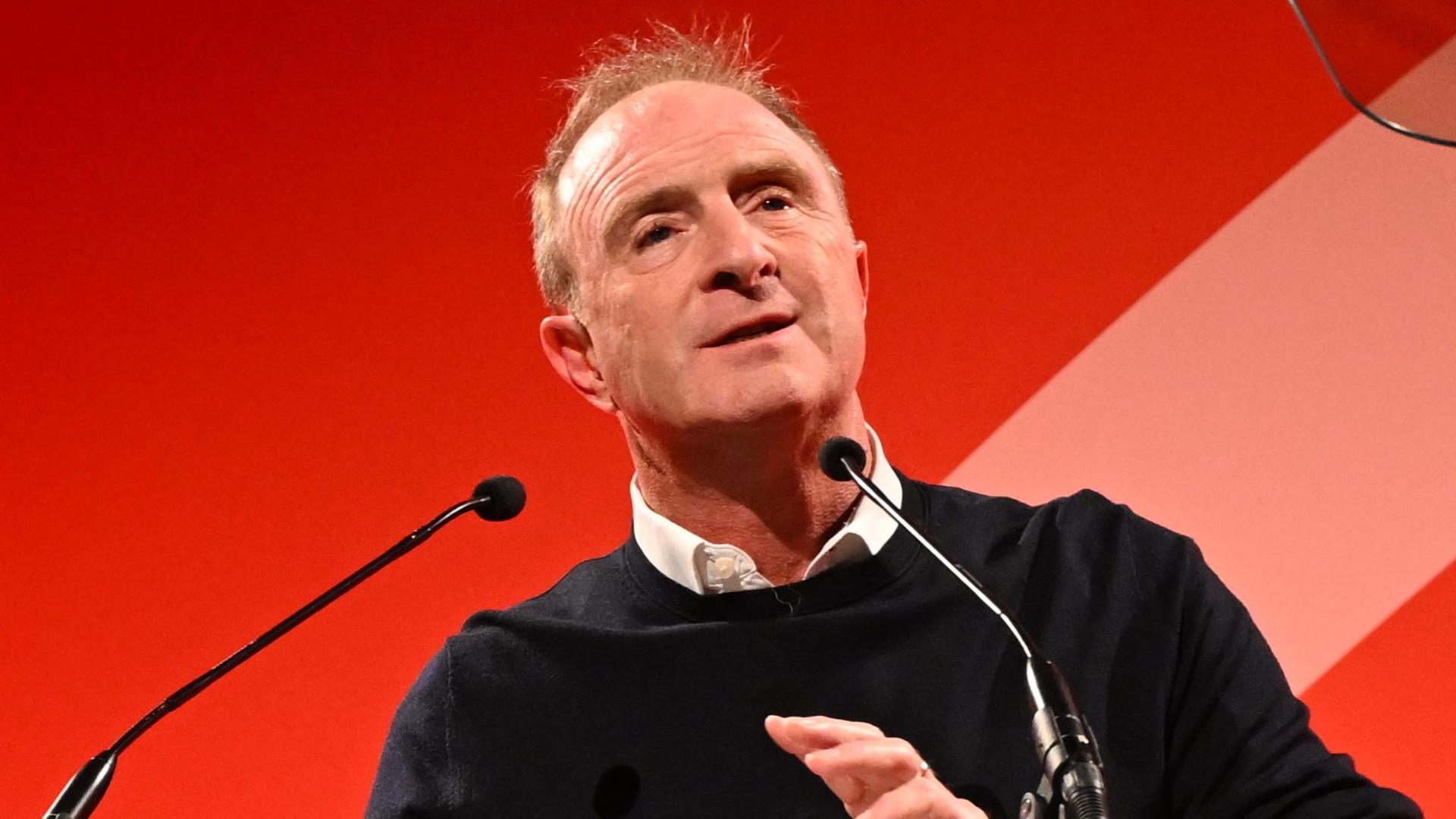
In a fervent plea for the BBC's independence, former news director James Harding has called for urgent reforms to shield the broadcaster from political interference. Speaking at the Edinburgh TV Festival, Harding emphasized the need to protect the BBC, particularly in light of potential threats from a Nigel Farage-led government. Drawing comparisons to former US President Donald Trump's attempts to defund public media, Harding warned against complacency, stating that similar challenges could arise in the UK.
Harding's comments come amid ongoing debates about the BBC's future, with its current charter set to expire in 2027. He criticized the broadcaster's 10-year rolling contract, which he argues leaves it vulnerable to political whims. "It's extraordinary," Harding remarked, "that if parliament chooses not to renew the royal charter, the BBC will cease to exist."
The former director also proposed significant changes to the BBC's governance structure. He suggested that the power to appoint the corporation's chair and board should be removed from the prime minister, advocating instead for a system where the board selects its chair with Ofcom's approval. This, he believes, would place the BBC beyond the reach of political influence.
Harding further called for an independent commission to oversee the BBC's funding, arguing that decisions should not be made "behind closed doors" by government officials. He stressed the importance of providing the BBC with the necessary resources, noting that nearly 2.5 million households have stopped paying the licence fee over the past five years. "If we believe in the universality of the BBC," Harding asserted, "we need to return to the principle that every household pays."
The debate over the BBC's independence has intensified following controversial incidents, such as the broadcast of Bob Vylan's Glastonbury set, which led to calls for accountability from government officials. Harding criticized the perception of political interference, stating, "An overbearing government minister doesn't help anyone."
WHAT THIS MIGHT MEAN
The future of the BBC's independence remains uncertain as political dynamics evolve. If Nigel Farage's Reform party gains influence, the broadcaster could face significant challenges akin to those experienced by US public media under Trump. Legal and political reforms, such as those proposed by Harding, could safeguard the BBC's editorial independence and financial stability. However, achieving consensus on these changes may prove difficult, given the complex interplay of political interests. As the 2027 charter renewal approaches, the BBC's ability to maintain its role as a cornerstone of public broadcasting will be closely scrutinized.
Images from the Web
Related Articles

UK Faces Dilemmas Amid Iran Conflict and China Spying Allegations

UK-Iran Tensions: Starmer Defends Cautious Approach Amid Trump Criticism
Diplomatic Tensions Rise as Trump Criticizes Starmer's Iran Policy
Reform UK Aims to Reshape Welsh Politics with New Manifesto

Tech Giants Pledge to Cover AI Data Center Energy Costs Amid Rising Electricity Concerns
Congress Subpoenas Attorney General Bondi in Epstein Investigation
Calls for BBC Independence Amid Political Interference Concerns
In This Article
 Ethan Brooks| Published
 HIGHLIGHTS
- Former BBC news director James Harding warns against political interference, urging protection of the BBC's independence.
- Harding highlights concerns over potential threats from a Nigel Farage-led government, drawing parallels to US media challenges under Trump.
- Calls for reform include removing political influence over the BBC's charter renewal and funding decisions.
- The BBC's current charter, set to expire in 2027, places the broadcaster on a precarious 10-year contract.
- Harding advocates for an independent commission to oversee the BBC's funding and governance, ensuring media freedom.
In a fervent plea for the BBC's independence, former news director James Harding has called for urgent reforms to shield the broadcaster from political interference. Speaking at the Edinburgh TV Festival, Harding emphasized the need to protect the BBC, particularly in light of potential threats from a Nigel Farage-led government. Drawing comparisons to former US President Donald Trump's attempts to defund public media, Harding warned against complacency, stating that similar challenges could arise in the UK.
Harding's comments come amid ongoing debates about the BBC's future, with its current charter set to expire in 2027. He criticized the broadcaster's 10-year rolling contract, which he argues leaves it vulnerable to political whims. "It's extraordinary," Harding remarked, "that if parliament chooses not to renew the royal charter, the BBC will cease to exist."
The former director also proposed significant changes to the BBC's governance structure. He suggested that the power to appoint the corporation's chair and board should be removed from the prime minister, advocating instead for a system where the board selects its chair with Ofcom's approval. This, he believes, would place the BBC beyond the reach of political influence.
Harding further called for an independent commission to oversee the BBC's funding, arguing that decisions should not be made "behind closed doors" by government officials. He stressed the importance of providing the BBC with the necessary resources, noting that nearly 2.5 million households have stopped paying the licence fee over the past five years. "If we believe in the universality of the BBC," Harding asserted, "we need to return to the principle that every household pays."
The debate over the BBC's independence has intensified following controversial incidents, such as the broadcast of Bob Vylan's Glastonbury set, which led to calls for accountability from government officials. Harding criticized the perception of political interference, stating, "An overbearing government minister doesn't help anyone."
WHAT THIS MIGHT MEAN
The future of the BBC's independence remains uncertain as political dynamics evolve. If Nigel Farage's Reform party gains influence, the broadcaster could face significant challenges akin to those experienced by US public media under Trump. Legal and political reforms, such as those proposed by Harding, could safeguard the BBC's editorial independence and financial stability. However, achieving consensus on these changes may prove difficult, given the complex interplay of political interests. As the 2027 charter renewal approaches, the BBC's ability to maintain its role as a cornerstone of public broadcasting will be closely scrutinized.
Images from the Web
Related Articles
UK Faces Dilemmas Amid Iran Conflict and China Spying Allegations
UK-Iran Tensions: Starmer Defends Cautious Approach Amid Trump Criticism
Diplomatic Tensions Rise as Trump Criticizes Starmer's Iran Policy
Reform UK Aims to Reshape Welsh Politics with New Manifesto
Tech Giants Pledge to Cover AI Data Center Energy Costs Amid Rising Electricity Concerns
Congress Subpoenas Attorney General Bondi in Epstein Investigation