
BBC Faces $10 Billion Lawsuit from Donald Trump Over Edited Speech

In This Article
HIGHLIGHTS
- Donald Trump has filed a $10 billion lawsuit against the BBC, alleging defamation and violation of Florida's Deceptive and Unfair Trade Practices Act.
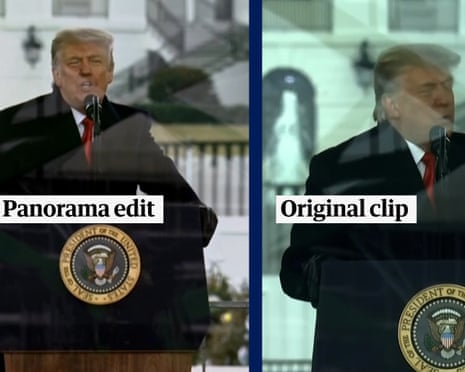
- The lawsuit centers on an edited version of Trump's January 6 speech aired in a BBC Panorama documentary, which Trump claims was maliciously altered.
- The BBC has acknowledged an editing error but maintains there is no legal basis for the defamation claim and plans to defend itself.
- The case raises questions about media freedom and the potential impact on the BBC's editorial independence.
- The BBC argues that the documentary was not broadcast in the US, challenging the jurisdiction of the lawsuit.
The BBC is preparing to defend itself against a $10 billion lawsuit filed by former US President Donald Trump, who claims the broadcaster defamed him in a Panorama documentary. The legal battle, which has sparked significant media attention, revolves around an edited version of Trump's January 6, 2021, speech, aired in the documentary "Trump: A Second Chance?" shortly before the 2024 US presidential election.
Allegations and Legal Grounds
Trump's lawsuit, filed in a Florida court, accuses the BBC of intentionally and maliciously editing his speech to suggest he incited violence during the Capitol riots. The complaint also alleges a violation of Florida's Deceptive and Unfair Trade Practices Act, seeking $5 billion in damages for each count. The edited clip, which combined parts of Trump's speech delivered nearly an hour apart, purportedly misrepresented his words, according to the lawsuit.
BBC's Defense and Editorial Independence
In response, the BBC has reiterated its commitment to defending the case, arguing that the documentary was not broadcast in the US and thus should not fall under Florida's jurisdiction. The broadcaster has acknowledged the editing error, describing it as an "error of judgment," but insists there is no legal basis for Trump's defamation claim. The BBC's legal team is expected to argue that the documentary was not accessible to US audiences via its platforms, challenging the jurisdiction and potential reputational harm claimed by Trump.
Political and Media Reactions
The lawsuit has drawn reactions from political figures and media experts, with UK government minister Stephen Kinnock supporting the BBC's decision to stand firm. Ed Davey, leader of the Liberal Democrats, criticized the lawsuit as an attempt to undermine the BBC's role as a national broadcaster. The case has also raised broader concerns about media freedom and the implications of legal challenges on editorial independence.
WHAT THIS MIGHT MEAN
As the legal proceedings unfold, the BBC's defense strategy will likely focus on jurisdictional challenges and the lack of significant reputational harm to Trump, given his electoral success in Florida. The case could set a precedent for how international media organizations handle defamation claims from high-profile figures, particularly in the context of cross-border broadcasting.
Experts suggest that a settlement could be a pragmatic outcome, avoiding prolonged litigation costs and potential reputational damage for both parties. However, the BBC's decision to fight the lawsuit may reinforce its commitment to editorial independence and media freedom, potentially influencing future interactions between media entities and political figures.
Images from the Web


Related Articles

UK Faces Dilemmas Amid Iran Conflict and China Spying Allegations
UK-Iran Tensions: Starmer Defends Cautious Approach Amid Trump Criticism
Diplomatic Tensions Rise as Trump Criticizes Starmer's Iran Policy

Armed Intruder Fatally Shot at Mar-a-Lago by Secret Service

Tech Giants Pledge to Cover AI Data Center Energy Costs Amid Rising Electricity Concerns
Congress Subpoenas Attorney General Bondi in Epstein Investigation
BBC Faces $10 Billion Lawsuit from Donald Trump Over Edited Speech
In This Article
 Ethan Brooks| Published
 HIGHLIGHTS
- Donald Trump has filed a $10 billion lawsuit against the BBC, alleging defamation and violation of Florida's Deceptive and Unfair Trade Practices Act.
- The lawsuit centers on an edited version of Trump's January 6 speech aired in a BBC Panorama documentary, which Trump claims was maliciously altered.
- The BBC has acknowledged an editing error but maintains there is no legal basis for the defamation claim and plans to defend itself.
- The case raises questions about media freedom and the potential impact on the BBC's editorial independence.
- The BBC argues that the documentary was not broadcast in the US, challenging the jurisdiction of the lawsuit.
The BBC is preparing to defend itself against a $10 billion lawsuit filed by former US President Donald Trump, who claims the broadcaster defamed him in a Panorama documentary. The legal battle, which has sparked significant media attention, revolves around an edited version of Trump's January 6, 2021, speech, aired in the documentary "Trump: A Second Chance?" shortly before the 2024 US presidential election.
Allegations and Legal Grounds
Trump's lawsuit, filed in a Florida court, accuses the BBC of intentionally and maliciously editing his speech to suggest he incited violence during the Capitol riots. The complaint also alleges a violation of Florida's Deceptive and Unfair Trade Practices Act, seeking $5 billion in damages for each count. The edited clip, which combined parts of Trump's speech delivered nearly an hour apart, purportedly misrepresented his words, according to the lawsuit.
BBC's Defense and Editorial Independence
In response, the BBC has reiterated its commitment to defending the case, arguing that the documentary was not broadcast in the US and thus should not fall under Florida's jurisdiction. The broadcaster has acknowledged the editing error, describing it as an "error of judgment," but insists there is no legal basis for Trump's defamation claim. The BBC's legal team is expected to argue that the documentary was not accessible to US audiences via its platforms, challenging the jurisdiction and potential reputational harm claimed by Trump.
Political and Media Reactions
The lawsuit has drawn reactions from political figures and media experts, with UK government minister Stephen Kinnock supporting the BBC's decision to stand firm. Ed Davey, leader of the Liberal Democrats, criticized the lawsuit as an attempt to undermine the BBC's role as a national broadcaster. The case has also raised broader concerns about media freedom and the implications of legal challenges on editorial independence.
WHAT THIS MIGHT MEAN
As the legal proceedings unfold, the BBC's defense strategy will likely focus on jurisdictional challenges and the lack of significant reputational harm to Trump, given his electoral success in Florida. The case could set a precedent for how international media organizations handle defamation claims from high-profile figures, particularly in the context of cross-border broadcasting.
Experts suggest that a settlement could be a pragmatic outcome, avoiding prolonged litigation costs and potential reputational damage for both parties. However, the BBC's decision to fight the lawsuit may reinforce its commitment to editorial independence and media freedom, potentially influencing future interactions between media entities and political figures.
Images from the Web
Related Articles
UK Faces Dilemmas Amid Iran Conflict and China Spying Allegations
UK-Iran Tensions: Starmer Defends Cautious Approach Amid Trump Criticism
Diplomatic Tensions Rise as Trump Criticizes Starmer's Iran Policy
Armed Intruder Fatally Shot at Mar-a-Lago by Secret Service
Tech Giants Pledge to Cover AI Data Center Energy Costs Amid Rising Electricity Concerns
Congress Subpoenas Attorney General Bondi in Epstein Investigation